 プレビュー
プレビュー
 プリントを購入
 シェアする
シェアする シェアする
シェアする
 詳細を見る
詳細を見る

 ダウンロード
 似ている作品
 X線調査
X線調査 スライドショー
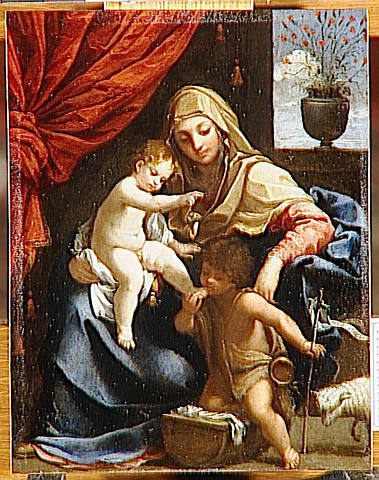
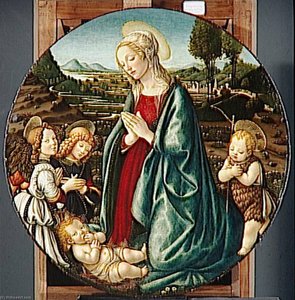
LA VIERGE, L'ENFANT JESUS ET SAINT JEAN BAPTISTE


 詳細を見る
詳細を見る




P118B $10

P118H $10

P118W $10

P438Z $10

P508JH $12

P508YH $12

P805H $10

P805Z $10

P919BZ $10

P919G $10

P919XJ $10

P959ZH $10

P968JZ $12

W106C $8

W218G $10

W218JH $8

W218Y $10

W307PJ $10

W316G $10

W316PJ $8

W316Y $10

W398PJ $8

W4111J $10

W500HY $15

W500JH $15

W692G $12

W849H $8

W940BG $15

W953PJ $8




作品のオリジナル比率に合わせた、当店の規定サイズからお選びください。

特定のフレームやスペースに合わせて、ご希望のサイズをご入力いただけます。選択されたサイズが元の画像の比率と異なる場合、アートワークをトリミングするか、手描きで要素を追加して絵画を拡張いたします。デジタルモックアップ を制作し、制作開始前にご確認(承認)をいただきます。
画面上のプレビューは、実際のトリミングや拡張を正確に反映しているものではありません。最終的な構図は、モックアップによってのみ正確にご確認いただけます。
カスタムサイズもご利用いただけますが、元の比率を維持するためには、あらかじめ用意されたリストからサイズを選択することをお勧めいたします。
ご注文後、ArtsDot.com チームより詳細な指示をお送りするとともに、仕上がりイメージ(モックアップ)をご提供いたします。


 ガラスオプションは、110cm未満のサイズでのみご利用いただけます。

LA VIERGE, L'ENFANT JESUS ET SAINT JEAN BAPTISTE
複製技法
複製画のサイズ
-


合計金額
$ 263
Guido Reni’s “La Vierge, l'Enfant Jésus et Saint Jean Baptiste”: An Ode to Divine Grace
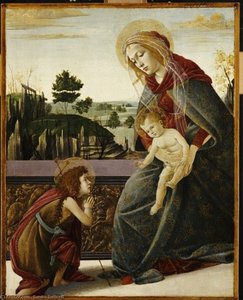
The painting "La Vierge, l'Enfant Jésus et Saint Jean Baptiste," attributed to Guido Reni (Le Guide), stands as a testament to the enduring power of classical idealism and serene devotional beauty. Executed around 1606-1607 during Reni’s formative years in Rome—a period marked by burgeoning artistic patronage and stylistic experimentation—this masterpiece embodies the spirit of Mannerism, subtly blending influences from both Florentine Renaissance masters like Raphael and the innovative Carracci brothers with a distinctly Bolognese sensibility.- Subject Matter: The composition depicts Mary cradling Jesus Christ in her arms, while Saint John the Baptist reverently baptizes the infant’s foot. This iconic scene draws upon biblical narratives central to Christian faith, portraying motherhood, purity, and divine grace—themes consistently explored by artists throughout Western art history.
- Style & Technique: Reni's distinctive style is characterized by its meticulous attention to detail, refined modeling of drapery, and harmonious color palettes. Employing oil paint on copper—a technique favored during the Renaissance—he achieved remarkable luminosity and textural richness, capturing the ethereal quality of sacred iconography.
- Historical Context: Reni’s work emerged against a backdrop of papal ambition and artistic fervor. The painting was commissioned by Pope Paul V Borghèse, reflecting the Catholic Church's desire to elevate its prestige through visual splendor. It exemplifies the Mannerist preoccupation with stylized forms and expressive gestures—a reaction against the perceived rigidity of High Renaissance ideals.
- Symbolism: Beyond its narrative depiction, “La Vierge, l’Enfant Jésus et Saint Jean Baptiste” is laden with symbolic significance. Mary's posture conveys humility and compassion, while Jesus’s gaze embodies innocence and divine majesty. The baptism ritual symbolizes purification and spiritual renewal—essential elements of Christian theology.
- Emotional Impact: Viewing this artwork evokes a profound sense of tranquility and reverence. Reni skillfully captures the emotional essence of faith through subtle nuances in expression and gesture, inviting contemplation on themes of love, devotion, and divine grace. Its enduring appeal testifies to its ability to transcend temporal boundaries and resonate with audiences across centuries.
Provenance & Acquisition History
The painting’s journey through history is remarkable. Originally residing in the royal collection—a symbol of power and artistic prestige—it was tragically stolen during the French Revolution in 1786. Subsequently, it passed into the possession of François du Val, marquis de Fontenay-Mareuil, before finding its way to Louis XIV’s Galerie des tableaux du roi at Versailles. Following the revolution, it resided in various private collections and eventually entered the Musée du Louvre's holdings—where it continues to inspire admiration today.Louvre Collections: A Legacy of Artistic Excellence
Currently housed within the Département des Peintures at the Musée du Louvre, “La Vierge, l’Enfant Jésus et Saint Jean Baptiste” stands as a cornerstone of French artistic heritage. Its meticulous craftsmanship and evocative imagery exemplify the highest standards of Mannerist painting—a testament to Reni's genius and the enduring fascination with religious iconography. A high-quality reproduction allows admirers worldwide to experience the sublime beauty and spiritual depth of this iconic artwork.Further Exploration
To delve deeper into Guido Reni’s artistic oeuvre, consider researching his other celebrated paintings—including “Saint Peter Receiving the Keys” and “The Martyrdom of Saint Cecilia”—which showcase similar stylistic innovations and thematic concerns. Examining comparative studies with Raphael's Madonna della Vallicella offers valuable insights into the evolution of Renaissance ideals and their subsequent reimagining within Mannerist aesthetics.関連作品

アーティストの略歴
グイド・レーニの生涯と遺産
グイド・レーニ(1575年 - 1642年)は、バロック絵画を代表するイタリア人画家の一人です。彼はボローニャで生まれ、その卓越した技術と古典的な美意識によって、同時代の芸術界に大きな影響を与えました。レーニの作品は、宗教的テーマや神話的物語を扱い、感情の深さと洗練された表現が特徴です。彼の生涯は、イタリア各地での活動を通して展開され、ローマ、ナポリなどでも重要な足跡を残しました。
幼少期と教育
レーニは1575年にボローニャで、音楽家の家系に生まれました。幼い頃から芸術的な才能を示し、9歳にしてフランドルの画家ドニス・カルヴァルトのもとで絵画の修行を始めます。カルヴァルトの工房では、アルバーニやドメニコといった同世代の画家たちと共に古典主義に基づいた基礎を学びました。この時期の教育は、レーニの後の芸術的発展に大きな影響を与え、解剖学的な正確さや劇的な構図への関心を育みました。
芸術的キャリアと展開
レーニの芸術的キャリアは、ローマ、ナポリ、そして故郷のボローニャを含むイタリア各地で展開されました。初期の作品には、カルヴァルトやカラッチ兄弟の影響が見られ、解剖学的な正確さと劇的な構成が強調されていました。しかし、レーニはすぐに独自のスタイルを確立し、優雅な古典主義、洗練された技術、そして感情の深さが特徴となりました。彼はボローニャ派の中心人物となり、アカデミックな訓練と理想化された形態を重視する芸術家たちを率いました。
主な影響
- ドニス・カルヴァルト: レーニの最初の師であり、フランドルの絵画技術の基礎を学びました。
- カラッチ一族(アンニーバレ、アゴスティーノ、ルдовиコ): 古典芸術と解剖学の研究への彼らの影響は、レーニの芸術的発展に深く刻まれました。
- ラファエロ: レーニはラファエロの優雅さと調和のとれた構図を高く評価し、その影響は多くの作品に見られます。
主要な作品と芸術様式
レーニの作品群は、宗教画、神話的物語、そして寓意的な表現を含む幅広いテーマを網羅しています。彼の最も有名な作品には以下のようなものがあります。
- 太陽の戦車に乗るアポロン (アルベルティーナ美術館、ウィーン): バロック様式の習熟度を示すダイナミックなデッサンです。
- 聖ヤコブ大天使: 宗教的な熱意と人間の感情を捉える彼の才能を示しています。
- アタランテとヒッポメネス (カポディモンテ美術館、ナポリ): 優雅な人物描写と劇的なストーリーテリングが特徴の神話画です。
- 聖ヒエロニムス: 構図と感情の深さのバランスを巧みに表現した作品です。
- タランテッラ (カポディモンテ美術館、ナポリ): イタリア民俗舞踊文化への影響を示しています。
レーニのスタイルは、折衷的な古典主義と形容されることがよくあります。彼は古典芸術の精密さとバロック時代のダイナミズムと感情を融合させました。彼の人物は通常理想化されており、穏やかな美しさと優雅な動きを持っています。
歴史的意義と遺産
グイド・レーニは、イタリアにおける後期バロック様式の形成において重要な役割を果たしました。彼は洗練された技術、優雅な構図、そして感情の深さによって、世代を超えて多くの芸術家に影響を与えました。彼の作品は、ナポリのカポディモンテ美術館をはじめとする世界中の著名な博物館に所蔵されています。レーニの遺産は絵画にとどまらず、彼はまた詩人であり、当時の尊敬された知識人でもありました。
彼の芸術は今日でも多くのアーティストや美術愛好家を魅了し続けており、17世紀で最も重要な画家の一人としての地位を確固たるものとしています。彼の影響は、その優雅さと感情的な力を模倣しようとした後続のバロック様式の芸術家たちに見られます。
死
グイド・レーニは1642年にボローニャで亡くなりましたが、彼が残した豊かな芸術的遺産は、今日でも多くの人々に感動を与え続けています。彼の作品は時代を超えて愛され、その美しさと深さは、これからも多くの人々を魅了することでしょう。
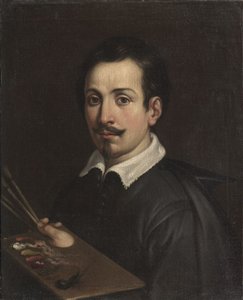
グイド・レーニ
1575 - 1642 , イタリア
基本情報
- Artistic Movement Or Style: バロック絵画、ボロネーゼ派
- Artists Who Influenced This Artist:
- デニス・カルヴァート
- カラッチ家
- Date Of Birth: 1575年
- Date Of Death: 1642年
- Full Name: グイド・レーニ
- Nationality: イタリア人
- Notable Artworks (List Of Titles):
- アポロンの太陽戦車
- 聖ヤコブ大天使
- アタランテとヒッポメネス
- Place Of Birth (City And Country): ボローニャ、イタリア
関連記事
Guido Reni: A Study in Baroque Classicism & Artistic Perfection
Explore the life & work of Guido Reni, a master of Baroque classicism. Discover his iconic religious & mythological paintings, and understand his enduring influence on art history. Expert analysis for collectors.
Discover the Divine: Inspiring Saint Anthony Artworks to Elevate Your Home Decor
Transform your home with the profound beauty of Saint Anthony artworks. Explore exquisite Baroque reproductions by Murillo and Zurbarán, hand-painted on 100% cotton canvas to bring divine serenity and timeless elegance to your interior design.

The Dramatic Flourish: Exploring the Baroque Movement's Enduring Legacy in Art History
Explore the dramatic world of Baroque art! Discover iconic artists like Caravaggio & Rubens, defining techniques, and its lasting impact on art history. Expert insights for collectors & enthusiasts at ArtsDot.

バロック美術を極めた至宝:時代を彩る10大名作の世界
バロック美術の華!カラヴァッジョ、ベルニーニら巨匠が創り上げた10大名作を徹底解剖。ドラマチックな色彩と豪華絢爛の世界観に触れ、至宝のアートプリントで空間を彩ろう。ArtsDot.comで美術館品質の複製と洗練されたインテリアを見つけましょう!

バロックのドラマ:現代のインテリアに壮麗さと情感を取り込む
バロック様式の歴史、絵画、家具の魅力をご紹介。ArtsDotでは、高品質な油絵複製やカスタムポートレートをご提供し、現代のインテリアに壮麗さと情感を取り入れます。アートコンサルテーションも承ります。