 プレビュー
プレビュー
 シェアする
シェアする シェアする
シェアする
 詳細を見る
詳細を見る

 ダウンロード
 似ている作品
 X線調査
X線調査 スライドショー
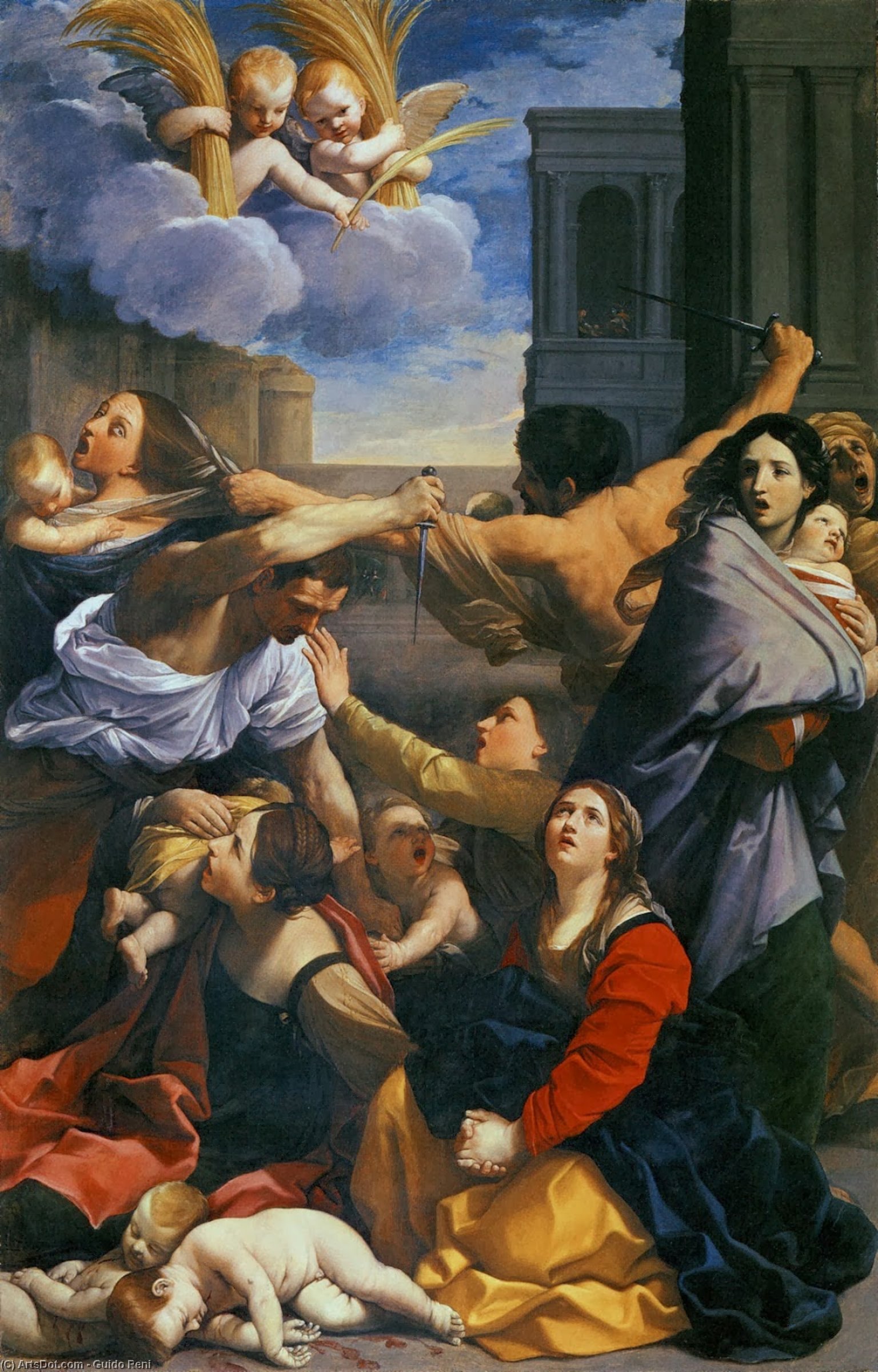
Massacre of the Innocents
 Oil On Canvas
- WallArt
- Baroque
 1611
1611 268.0 x 170.0 cm
 Pinacoteca Nazionale
 詳細を見る
詳細を見る
ジークレー/アートプリント
迅速な制作と多彩な仕上げオプションを備えた、ミュージアムクオリティのジークレーまたはキャンバスプリント。 ( 手描きの絵画を購入 画像を購入)




P118B $10

P118H $10

P118W $10

P438Z $10

P508JH $12

P508YH $12

P805H $10

P805Z $10

P919BZ $10

P919G $10

P919XJ $10

P959ZH $10

P968JZ $12

W106C $8

W218G $10

W218JH $8

W218Y $10

W307PJ $10

W316G $10

W316PJ $8

W316Y $10

W398PJ $8

W4111J $10

W500HY $15

W500JH $15

W692G $12

W849H $8

W940BG $15

W953PJ $8




作品のオリジナル比率に合わせた、当店の規定サイズからお選びください。

特定のフレームやスペースに合わせて、ご自身でサイズを指定することも可能です。選択されたサイズが元の画像の比率と一致しない場合、作品をトリミングするか、鏡面反射または単色での塗りつぶしによって画像を拡張いたします。制作を開始する前に、ご確認用のデジタルモックアップをお送りいたします。
画面上のプレビューには、実際のトリミングや拡張は反映されませんのでご注意ください。最終的な構図を正確に確認できるのは、モックアップのみとなります。
カスタムサイズも承っておりますが、元の比率を維持するためには、あらかじめ用意されたリストからサイズを選択することをお勧めいたします。


 ガラスオプションは、110cm未満のサイズでのみご利用いただけます。

Massacre of the Innocents
ジークレー/アートプリント
複製画のサイズ
-


合計金額
$ 62
作品詳細説明
The Harrowing Vision of "Massacre of the Innocents" by Guido Reni
Guido Reni’s “Massacre of the Innocents,” completed in 1611, is not merely a depiction of a biblical tragedy; it's a profoundly moving meditation on suffering, innocence lost, and the chilling consequences of unchecked power. Executed during a period of intense religious fervor and artistic innovation within the Bolognese school, this painting transcends its historical context to resonate with an enduring emotional truth. Measuring 268 x 170 cm, the scale of the work immediately draws the viewer into the heart of the scene, amplifying the horror and pathos inherent in the narrative.
- Subject Matter: The painting portrays the infamous event from the Gospels – Herod’s decree to slaughter all male children in Bethlehem to prevent the birth of Jesus.
- Artist's Context: Created by Guido Reni (Le Guide) during his formative years, it showcases a burgeoning talent already influenced by masters like Calvaert and the Carracci brothers, but rapidly evolving into a distinctly personal style.
- Technical Brilliance: Reni’s mastery of *chiaroscuro* – the dramatic use of light and shadow – is immediately apparent. The stark contrasts heighten the emotional intensity, focusing attention on the central figures and creating a palpable sense of drama.
A Symphony of Classicism and Emotion
Reni’s artistic approach is characterized by an elegant classicism, meticulously rendered with a refined technique that speaks to his rigorous training. He skillfully employs classical principles of composition, drawing inspiration from ancient sculpture and architecture to create a scene of both monumental scale and intimate detail. The figures are not simply representations of biblical characters; they possess a sculptural quality, their bodies modeled with an almost photographic realism – a hallmark of the Bolognese school’s dedication to anatomical accuracy. The use of muted colors—primarily ochres, browns, and creams—further enhances the painting's solemnity and timelessness.
- Composition: The scene is arranged with careful attention to balance and perspective, guiding the viewer’s eye through the chaos of the massacre.
- Figure Grouping: The kneeling figures, contrasted against the standing ones, create a dynamic tension that underscores the tragedy's unfolding horror.
- Symbolism: The inclusion of the two birds soaring above the scene adds an element of symbolic weight – perhaps representing divine judgment or the fleeting nature of life.
Historical and Symbolic Resonance
“Massacre of the Innocents” was painted during a time of significant religious upheaval in Europe, following the Protestant Reformation. The painting’s depiction of innocent suffering served as a powerful reminder of the vulnerability of the faithful and the dangers of tyranny. Beyond its immediate biblical context, the work can be interpreted as an allegory for human cruelty and injustice. The scene's emotional impact is further amplified by the artist's ability to capture the raw grief and despair of those involved – a testament to Reni’s profound understanding of the human condition.
- Religious Significance: The painting directly references Matthew 2:16-18, one of the most poignant passages in the Bible.
- Artistic Influence: Reni's work influenced subsequent generations of artists and continues to be studied for its masterful use of composition, light, and emotion.
A Timeless Masterpiece – Recreated for Today
ArtsDot.com is proud to offer a meticulously crafted hand-painted reproduction of Guido Reni’s “Massacre of the Innocents.” This exceptional piece captures the essence of the original, allowing you to experience the profound beauty and emotional power of this iconic artwork in your own space. Whether for a grand salon or a smaller study, this reproduction provides an unparalleled opportunity to connect with one of the most compelling narratives in Western art history.
関連作品

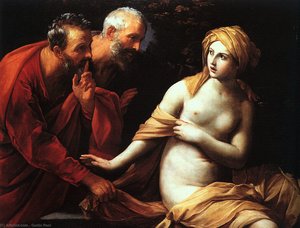
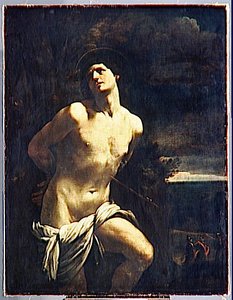

アーティストの略歴
グイド・レーニの生涯と遺産
グイド・レーニ(1575年 - 1642年)は、バロック絵画を代表するイタリア人画家の一人です。彼はボローニャで生まれ、その卓越した技術と古典的な美意識によって、同時代の芸術界に大きな影響を与えました。レーニの作品は、宗教的テーマや神話的物語を扱い、感情の深さと洗練された表現が特徴です。彼の生涯は、イタリア各地での活動を通して展開され、ローマ、ナポリなどでも重要な足跡を残しました。
幼少期と教育
レーニは1575年にボローニャで、音楽家の家系に生まれました。幼い頃から芸術的な才能を示し、9歳にしてフランドルの画家ドニス・カルヴァルトのもとで絵画の修行を始めます。カルヴァルトの工房では、アルバーニやドメニコといった同世代の画家たちと共に古典主義に基づいた基礎を学びました。この時期の教育は、レーニの後の芸術的発展に大きな影響を与え、解剖学的な正確さや劇的な構図への関心を育みました。
芸術的キャリアと展開
レーニの芸術的キャリアは、ローマ、ナポリ、そして故郷のボローニャを含むイタリア各地で展開されました。初期の作品には、カルヴァルトやカラッチ兄弟の影響が見られ、解剖学的な正確さと劇的な構成が強調されていました。しかし、レーニはすぐに独自のスタイルを確立し、優雅な古典主義、洗練された技術、そして感情の深さが特徴となりました。彼はボローニャ派の中心人物となり、アカデミックな訓練と理想化された形態を重視する芸術家たちを率いました。
主な影響
- ドニス・カルヴァルト: レーニの最初の師であり、フランドルの絵画技術の基礎を学びました。
- カラッチ一族(アンニーバレ、アゴスティーノ、ルдовиコ): 古典芸術と解剖学の研究への彼らの影響は、レーニの芸術的発展に深く刻まれました。
- ラファエロ: レーニはラファエロの優雅さと調和のとれた構図を高く評価し、その影響は多くの作品に見られます。
主要な作品と芸術様式
レーニの作品群は、宗教画、神話的物語、そして寓意的な表現を含む幅広いテーマを網羅しています。彼の最も有名な作品には以下のようなものがあります。
- 太陽の戦車に乗るアポロン (アルベルティーナ美術館、ウィーン): バロック様式の習熟度を示すダイナミックなデッサンです。
- 聖ヤコブ大天使: 宗教的な熱意と人間の感情を捉える彼の才能を示しています。
- アタランテとヒッポメネス (カポディモンテ美術館、ナポリ): 優雅な人物描写と劇的なストーリーテリングが特徴の神話画です。
- 聖ヒエロニムス: 構図と感情の深さのバランスを巧みに表現した作品です。
- タランテッラ (カポディモンテ美術館、ナポリ): イタリア民俗舞踊文化への影響を示しています。
レーニのスタイルは、折衷的な古典主義と形容されることがよくあります。彼は古典芸術の精密さとバロック時代のダイナミズムと感情を融合させました。彼の人物は通常理想化されており、穏やかな美しさと優雅な動きを持っています。
歴史的意義と遺産
グイド・レーニは、イタリアにおける後期バロック様式の形成において重要な役割を果たしました。彼は洗練された技術、優雅な構図、そして感情の深さによって、世代を超えて多くの芸術家に影響を与えました。彼の作品は、ナポリのカポディモンテ美術館をはじめとする世界中の著名な博物館に所蔵されています。レーニの遺産は絵画にとどまらず、彼はまた詩人であり、当時の尊敬された知識人でもありました。
彼の芸術は今日でも多くのアーティストや美術愛好家を魅了し続けており、17世紀で最も重要な画家の一人としての地位を確固たるものとしています。彼の影響は、その優雅さと感情的な力を模倣しようとした後続のバロック様式の芸術家たちに見られます。
死
グイド・レーニは1642年にボローニャで亡くなりましたが、彼が残した豊かな芸術的遺産は、今日でも多くの人々に感動を与え続けています。彼の作品は時代を超えて愛され、その美しさと深さは、これからも多くの人々を魅了することでしょう。
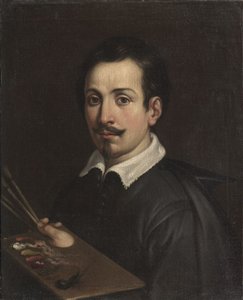
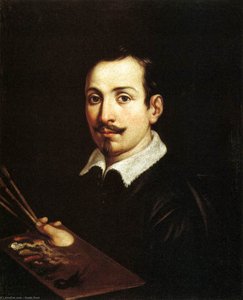
グイド・レーニ
1575 - 1642 , イタリア
基本情報
- Artistic Movement Or Style: バロック絵画、ボロネーゼ派
- Artists Who Influenced This Artist:
- デニス・カルヴァート
- カラッチ家
- Date Of Birth: 1575年
- Date Of Death: 1642年
- Full Name: グイド・レーニ
- Nationality: イタリア人
- Notable Artworks (List Of Titles):
- アポロンの太陽戦車
- 聖ヤコブ大天使
- アタランテとヒッポメネス
- Place Of Birth (City And Country): ボローニャ、イタリア
関連記事
Guido Reni: A Study in Baroque Classicism & Artistic Perfection
Explore the life & work of Guido Reni, a master of Baroque classicism. Discover his iconic religious & mythological paintings, and understand his enduring influence on art history. Expert analysis for collectors.

Giclée Prints: Archival Quality & Aesthetic Nuances for the Discerning Collector
Explore the world of giclée prints with ArtsDot. Learn about archival quality, aesthetic nuances & investment potential. Expert guidance for discerning art collectors seeking museum-quality reproductions and lasting value.

The Enduring Legacy of Fine Art Prints: Technique, History & Aesthetic Impact
Explore the rich history & techniques of fine art prints. Discover investment potential, assess authenticity, and learn how to preserve your collection with expert guidance. Trusted insights for discerning collectors.

Echoes of Time: Exploring the Enduring Appeal & Historical Context of Vintage Art Prints
Explore the captivating world of vintage art prints! Discover their history, collecting tips & enduring appeal. Expert insights on chromolithography and building a legacy collection with ArtsDot.

バロックのドラマ:現代のインテリアに壮麗さと情感を取り込む
バロック様式の歴史、絵画、家具の魅力をご紹介。ArtsDotでは、高品質な油絵複製やカスタムポートレートをご提供し、現代のインテリアに壮麗さと情感を取り入れます。アートコンサルテーションも承ります。