 プレビュー
プレビュー
 シェアする
シェアする シェアする
シェアする
 詳細を見る
詳細を見る

 ダウンロード
 似ている作品
 X線調査
X線調査 スライドショー
The Glory of St Dominic


 詳細を見る
詳細を見る
ジークレー/アートプリント
迅速な制作と多彩な仕上げオプションを備えた、ミュージアムクオリティのジークレーまたはキャンバスプリント。 ( 手描きの絵画を購入 画像を購入)




P118B $10

P118H $10

P118W $10

P438Z $10

P508JH $12

P508YH $12

P805H $10

P805Z $10

P919BZ $10

P919G $10

P919XJ $10

P959ZH $10

P968JZ $12

W106C $8

W218G $10

W218JH $8

W218Y $10

W307PJ $10

W316G $10

W316PJ $8

W316Y $10

W398PJ $8

W4111J $10

W500HY $15

W500JH $15

W692G $12

W849H $8

W940BG $15

W953PJ $8




作品のオリジナル比率に合わせた、当店の規定サイズからお選びください。

特定のフレームやスペースに合わせて、ご自身でサイズを指定することも可能です。選択されたサイズが元の画像の比率と一致しない場合、作品をトリミングするか、鏡面反射または単色での塗りつぶしによって画像を拡張いたします。制作を開始する前に、ご確認用のデジタルモックアップをお送りいたします。
画面上のプレビューには、実際のトリミングや拡張は反映されませんのでご注意ください。最終的な構図を正確に確認できるのは、モックアップのみとなります。
カスタムサイズも承っておりますが、元の比率を維持するためには、あらかじめ用意されたリストからサイズを選択することをお勧めいたします。


 ガラスオプションは、110cm未満のサイズでのみご利用いただけます。

The Glory of St Dominic
ジークレー/アートプリント
複製画のサイズ
-


合計金額
$ 62
作品詳細説明
The Glory of St Dominic: A Renaissance Vision
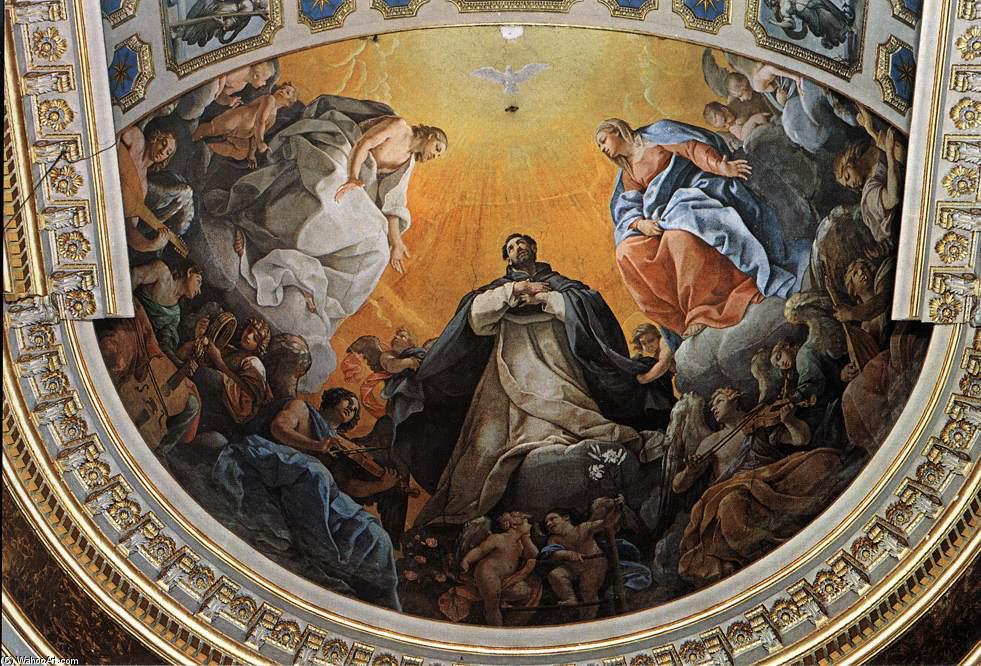
Guido Reni’s “The Glory of St Dominic,” painted in 1613, stands as a monumental testament to the fervent religious spirit and artistic mastery of the early 17th century. This large-scale fresco, depicting the veneration of Saint Dominic – founder of the Dominican Order – is more than just a devotional image; it’s a carefully constructed narrative brimming with symbolism and executed with breathtaking technical skill. The painting's power resides in its dynamic composition, the luminous quality of its figures, and the palpable sense of divine presence that permeates the scene.
- Subject Matter: At the heart of the fresco is Jesus Christ, presented as the central figure of salvation, surrounded by a celestial host of angels and saints. The inclusion of St. Dominic himself, prominently positioned near Christ, underscores his pivotal role in establishing the Dominican Order, dedicated to preaching and combating heresy.
- Composition & Style: Reni’s style exemplifies the elegant classicism that was gaining prominence during this period, drawing inspiration from both classical antiquity and the work of the Carracci brothers. The circular arrangement of figures creates a sense of unity and emphasizes the divine nature of the event. Note the deliberate use of perspective to draw the viewer into the scene, enhancing the illusion of depth and grandeur.
- Technique: Executed as a fresco – meaning painted directly onto wet plaster – “The Glory of St Dominic” demonstrates Reni’s mastery of this demanding technique. The vibrant colors, achieved through pigments mixed with water, have remarkably endured over the centuries, offering a tangible connection to the artist's studio and his meticulous process.
Historical Context & Patronage
Painted in 1613, “The Glory of St Dominic” reflects the religious fervor of the Counter-Reformation. The Catholic Church was actively seeking ways to reaffirm its authority and inspire faith after the challenges posed by the Protestant Reformation. Frescoes like this one were commissioned for churches and chapels as powerful visual tools to communicate religious doctrine and foster devotion. Reni’s work was likely commissioned by a wealthy Dominican order or a prominent patron within Bologna, reflecting the city's significant role in the Catholic Church.
- The Dominican Order: St. Dominic’s legacy as a reformer and preacher is central to the painting’s significance. The Dominican Order, founded by him, became known for its commitment to intellectual rigor, missionary work, and combating heresy – values powerfully represented in this artwork.
- Renaissance Humanism: While deeply religious, Reni's work also reflects the influence of Renaissance humanism, particularly in his attention to anatomical accuracy and the portrayal of figures with a sense of dignity and emotion. This blend of classical ideals and Christian faith is characteristic of the era.
Symbolism & Emotional Impact
Beyond its religious subject matter, “The Glory of St Dominic” is rich in symbolic meaning. The presence of the bird soaring above the figures suggests aspiration towards heaven and divine grace. The carefully arranged gestures and expressions of the saints convey a sense of reverence, devotion, and spiritual ecstasy. Reni’s ability to evoke these emotions through his masterful use of color, light, and composition is what elevates this fresco beyond mere decoration – it's a profound meditation on faith, salvation, and the glory of God.
- Color Palette: The predominantly warm tones—ochres, reds, and golds—evoke a sense of warmth, divinity, and spiritual illumination. These colors were traditionally associated with holiness and used to create an atmosphere of reverence.
- Emotional Resonance: Reni’s figures are not simply static representations; they appear to be caught in moments of intense emotion – awe, devotion, and perhaps even a hint of sorrow. This emotional depth is what continues to captivate viewers centuries after the painting's creation.
Replicas & Acquisition
ArtsDot offers meticulously crafted hand-painted reproductions of “The Glory of St Dominic,” allowing you to experience the beauty and power of this Renaissance masterpiece in your own space. Our skilled artisans employ traditional fresco techniques, using high-quality pigments to faithfully recreate Reni’s original vision. Whether for a grand salon or a smaller study, our reproduction provides an authentic connection to one of Italy's most celebrated artworks.
関連作品

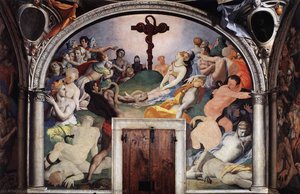
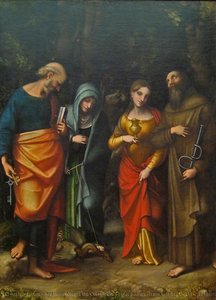

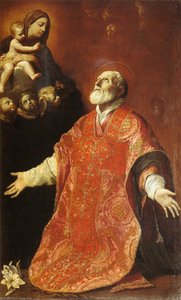
アーティストの略歴
グイド・レーニの生涯と遺産
グイド・レーニ(1575年 - 1642年)は、バロック絵画を代表するイタリア人画家の一人です。彼はボローニャで生まれ、その卓越した技術と古典的な美意識によって、同時代の芸術界に大きな影響を与えました。レーニの作品は、宗教的テーマや神話的物語を扱い、感情の深さと洗練された表現が特徴です。彼の生涯は、イタリア各地での活動を通して展開され、ローマ、ナポリなどでも重要な足跡を残しました。
幼少期と教育
レーニは1575年にボローニャで、音楽家の家系に生まれました。幼い頃から芸術的な才能を示し、9歳にしてフランドルの画家ドニス・カルヴァルトのもとで絵画の修行を始めます。カルヴァルトの工房では、アルバーニやドメニコといった同世代の画家たちと共に古典主義に基づいた基礎を学びました。この時期の教育は、レーニの後の芸術的発展に大きな影響を与え、解剖学的な正確さや劇的な構図への関心を育みました。
芸術的キャリアと展開
レーニの芸術的キャリアは、ローマ、ナポリ、そして故郷のボローニャを含むイタリア各地で展開されました。初期の作品には、カルヴァルトやカラッチ兄弟の影響が見られ、解剖学的な正確さと劇的な構成が強調されていました。しかし、レーニはすぐに独自のスタイルを確立し、優雅な古典主義、洗練された技術、そして感情の深さが特徴となりました。彼はボローニャ派の中心人物となり、アカデミックな訓練と理想化された形態を重視する芸術家たちを率いました。
主な影響
- ドニス・カルヴァルト: レーニの最初の師であり、フランドルの絵画技術の基礎を学びました。
- カラッチ一族(アンニーバレ、アゴスティーノ、ルдовиコ): 古典芸術と解剖学の研究への彼らの影響は、レーニの芸術的発展に深く刻まれました。
- ラファエロ: レーニはラファエロの優雅さと調和のとれた構図を高く評価し、その影響は多くの作品に見られます。
主要な作品と芸術様式
レーニの作品群は、宗教画、神話的物語、そして寓意的な表現を含む幅広いテーマを網羅しています。彼の最も有名な作品には以下のようなものがあります。
- 太陽の戦車に乗るアポロン (アルベルティーナ美術館、ウィーン): バロック様式の習熟度を示すダイナミックなデッサンです。
- 聖ヤコブ大天使: 宗教的な熱意と人間の感情を捉える彼の才能を示しています。
- アタランテとヒッポメネス (カポディモンテ美術館、ナポリ): 優雅な人物描写と劇的なストーリーテリングが特徴の神話画です。
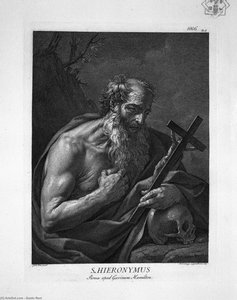
- 聖ヒエロニムス: 構図と感情の深さのバランスを巧みに表現した作品です。
- タランテッラ (カポディモンテ美術館、ナポリ): イタリア民俗舞踊文化への影響を示しています。
レーニのスタイルは、折衷的な古典主義と形容されることがよくあります。彼は古典芸術の精密さとバロック時代のダイナミズムと感情を融合させました。彼の人物は通常理想化されており、穏やかな美しさと優雅な動きを持っています。
歴史的意義と遺産
グイド・レーニは、イタリアにおける後期バロック様式の形成において重要な役割を果たしました。彼は洗練された技術、優雅な構図、そして感情の深さによって、世代を超えて多くの芸術家に影響を与えました。彼の作品は、ナポリのカポディモンテ美術館をはじめとする世界中の著名な博物館に所蔵されています。レーニの遺産は絵画にとどまらず、彼はまた詩人であり、当時の尊敬された知識人でもありました。
彼の芸術は今日でも多くのアーティストや美術愛好家を魅了し続けており、17世紀で最も重要な画家の一人としての地位を確固たるものとしています。彼の影響は、その優雅さと感情的な力を模倣しようとした後続のバロック様式の芸術家たちに見られます。
死
グイド・レーニは1642年にボローニャで亡くなりましたが、彼が残した豊かな芸術的遺産は、今日でも多くの人々に感動を与え続けています。彼の作品は時代を超えて愛され、その美しさと深さは、これからも多くの人々を魅了することでしょう。
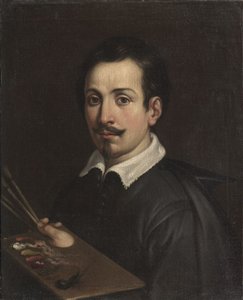
グイド・レーニ
1575 - 1642 , イタリア
基本情報
- Artistic Movement Or Style: バロック絵画、ボロネーゼ派
- Artists Who Influenced This Artist:
- デニス・カルヴァート
- カラッチ家
- Date Of Birth: 1575年
- Date Of Death: 1642年
- Full Name: グイド・レーニ
- Nationality: イタリア人
- Notable Artworks (List Of Titles):
- アポロンの太陽戦車
- 聖ヤコブ大天使
- アタランテとヒッポメネス
- Place Of Birth (City And Country): ボローニャ、イタリア
関連記事

家族の遺産を壁画で彩る:伝統技法が紡ぐ、時を超越する美と記憶
古代から現代までの壁画の歴史と技法を解説。日本の壁画文化やカスタムオーダーによる家族の遺産表現、保存・修復技術まで網羅。専門家が時を超越する美と記憶を紡ぐ芸術的価値をご案内します。
Guido Reni: A Study in Baroque Classicism & Artistic Perfection
Explore the life & work of Guido Reni, a master of Baroque classicism. Discover his iconic religious & mythological paintings, and understand his enduring influence on art history. Expert analysis for collectors.

The Enduring Legacy of Fresco Painting: Techniques, History & Contemporary Relevance
Explore the rich history & enduring artistry of fresco painting – from Giotto to Michelangelo! Discover techniques, conservation efforts, & modern applications. Learn how ArtsDot brings this timeless art form to your home.

The Enduring Legacy of Fresco: Technique, History & Artistic Expression Across Cultures
Explore the rich history & enduring legacy of fresco painting! Discover ancient techniques, Giotto's masterpieces, and modern applications. Expert insights for art lovers & professionals.
The Enduring Legacy of Fresco: Technique, History & Artistic Expression
Explore the rich history & enduring artistry of fresco painting. Discover techniques from Giotto to Michelangelo, conservation efforts, & modern applications. Learn how ArtsDot brings this timeless art form to your home.