 プレビュー
プレビュー
 プリントを購入
 シェアする
シェアする シェアする
シェアする
 詳細を見る
詳細を見る

 ダウンロード
 似ている作品
 X線調査
X線調査 スライドショー
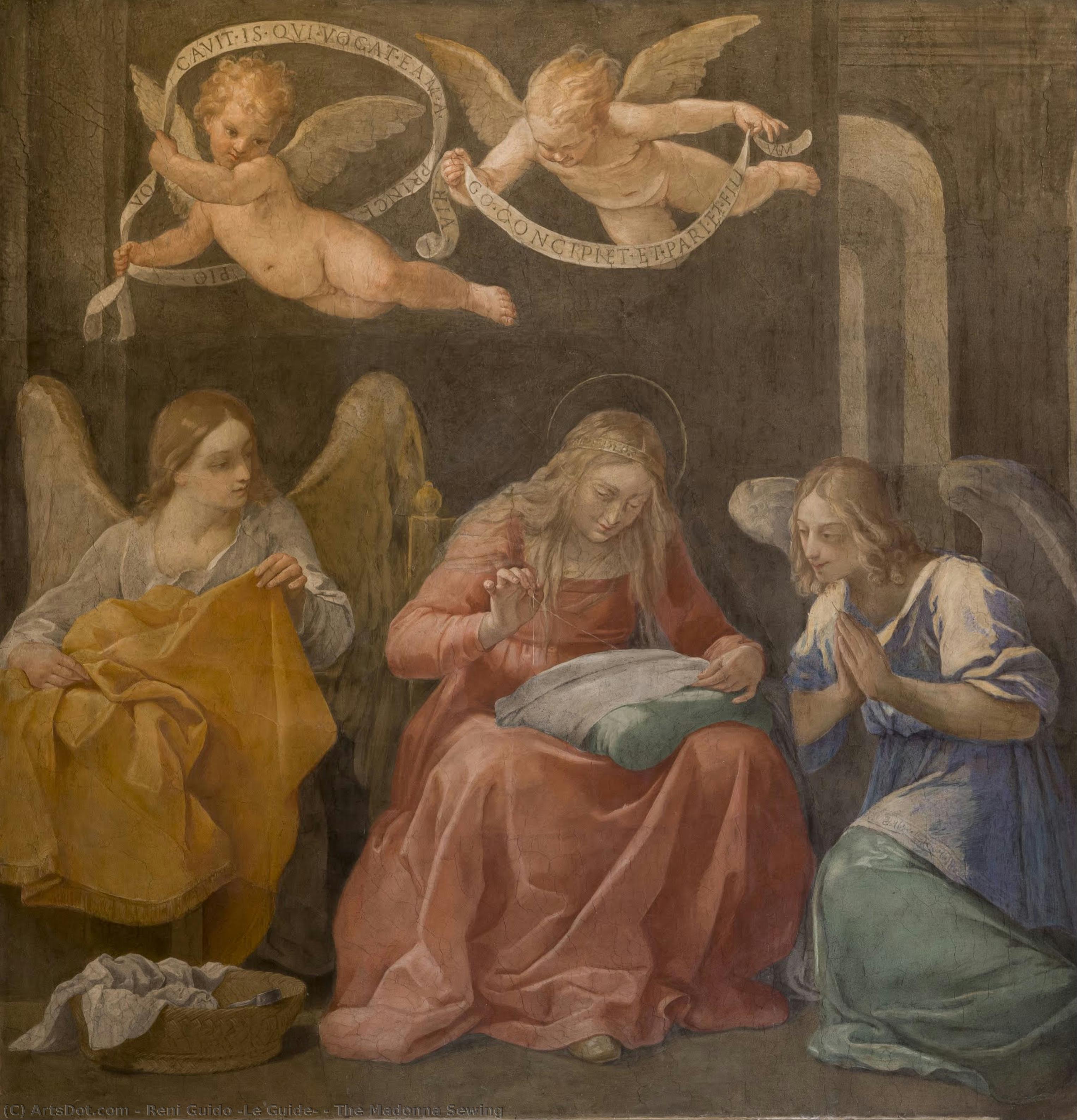
The Madonna Sewing
 Oil On Canvas
- WallArt
- Baroque
 1611
1611 210.0 x 200.0 cm
 キリナーレ宮殿
 詳細を見る
詳細を見る




P118B $10

P118H $10

P118W $10

P438Z $10

P508JH $12

P508YH $12

P805H $10

P805Z $10

P919BZ $10

P919G $10

P919XJ $10

P959ZH $10

P968JZ $12

W106C $8

W218G $10

W218JH $8

W218Y $10

W307PJ $10

W316G $10

W316PJ $8

W316Y $10

W398PJ $8

W4111J $10

W500HY $15

W500JH $15

W692G $12

W849H $8

W940BG $15

W953PJ $8




作品のオリジナル比率に合わせた、当店の規定サイズからお選びください。

特定のフレームやスペースに合わせて、ご希望のサイズをご入力いただけます。選択されたサイズが元の画像の比率と異なる場合、アートワークをトリミングするか、手描きで要素を追加して絵画を拡張いたします。デジタルモックアップ を制作し、制作開始前にご確認(承認)をいただきます。
画面上のプレビューは、実際のトリミングや拡張を正確に反映しているものではありません。最終的な構図は、モックアップによってのみ正確にご確認いただけます。
カスタムサイズもご利用いただけますが、元の比率を維持するためには、あらかじめ用意されたリストからサイズを選択することをお勧めいたします。
ご注文後、ArtsDot.com チームより詳細な指示をお送りするとともに、仕上がりイメージ(モックアップ)をご提供いたします。


 ガラスオプションは、110cm未満のサイズでのみご利用いただけます。

The Madonna Sewing
複製技法
複製画のサイズ
-


合計金額
$ 313
作品解説
A Moment of Intimate Devotion – The Madonna Sewing by Guido Reni
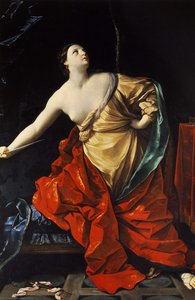
Guido Reni’s “The Madonna Sewing,” painted in 1609/1611, isn't merely a religious depiction; it’s a carefully constructed tableau of domesticity imbued with profound spiritual significance. Housed within the private chapel of Pope Paul V at the Palazzo del Quirinale in Rome, this fresco immediately draws the viewer into an unexpectedly intimate scene – a young Mary, rendered with remarkable realism and a touch of gentle melancholy, bent over her lap, diligently sewing a white cloth. The initial impression is one of quiet domesticity, yet Reni masterfully layers this apparent simplicity with elements that speak to destiny and divine purpose, transforming a commonplace activity into a pivotal moment in salvation history.
Reni’s style firmly anchors the work within the Baroque period, though it retains a classical restraint. He eschews the dramatic theatricality often associated with the era, opting instead for a refined elegance characterized by balanced composition and subtle emotional depth. The figures are rendered with anatomical precision, reflecting Reni's training under Denis Calvaert, yet he imbues them with a palpable humanity – Mary’s posture suggests both concentration and a quiet sadness, while her youthful features hint at the immense responsibility she carries. The muted palette—primarily earth tones punctuated by the vibrant red of her dress—contributes to the overall sense of serenity and contemplative mood.
Technique and Materials: A Study in Oil on Fresco
“The Madonna Sewing” is executed as a fresco, a technique demanding meticulous planning and execution. Reni skillfully applied thin layers of pigment directly onto freshly laid wet plaster, creating an immediate bond between the paint and the wall. This method results in a surface that possesses a unique tactile quality – a subtle texture that speaks to the immediacy of the process. Close examination reveals the artist’s mastery of oil painting techniques, particularly evident in the smooth blending of colors and the delicate gradations of tone used to model Mary's face and drapery. The use of *sfumato*, a technique popularized by Leonardo da Vinci, is subtly present, softening outlines and creating an atmospheric haze that enhances the sense of depth and realism.
The choice of materials further underscores Reni’s artistic vision. Pigments derived from minerals and plants were carefully mixed with linseed oil to achieve the desired hues and textures. The application of gold leaf—visible in the halos surrounding Mary and the angels—adds a touch of divine splendor, elevating the scene beyond the earthly realm. The careful attention to detail extends to the depiction of the sewing implements – a needle, thread, and cloth – each rendered with remarkable accuracy and realism.
Symbolism and Historical Context: A Prophecy of Divine Purpose
Beyond its immediate visual appeal, “The Madonna Sewing” is rich in symbolic meaning. The act of sewing itself carries profound significance within the context of Christian theology, representing Mary’s role as the ‘Mother of God.’ The angels flanking the scene—one holding a scroll bearing scripture and the other presenting a cartouche adorned with symbols of predestination—underscore this divine purpose. The cartouches allude to Mary's Immaculate Conception and her destined motherhood of Christ, subtly foreshadowing the central event of Christian faith.
Painted for Pope Paul V during the height of the Counter-Reformation, the fresco served as a powerful visual affirmation of Catholic doctrine. It’s believed that Reni was commissioned to create a series of paintings for the chapel, and “The Madonna Sewing” stands as a cornerstone of this collection, embodying the ideals of piety, devotion, and artistic excellence valued by the papacy at the time. The scene's intimate setting—a private space dedicated to prayer—further emphasizes the personal nature of faith and the profound connection between Mary and her divine son.
Emotional Resonance: A Portrait of Quiet Contemplation
Ultimately, “The Madonna Sewing” transcends its historical context and religious subject matter to offer a deeply moving experience for the viewer. The painting’s quiet serenity, combined with Mary's thoughtful expression, evokes a sense of profound contemplation and spiritual resonance. It is not a scene of grand gestures or dramatic events, but rather one of subtle beauty and intimate devotion—a testament to Reni’s ability to capture the essence of human experience within the framework of religious art. The work invites us to pause, reflect, and consider the quiet moments of grace that shape our lives.

アーティストの略歴
グイド・レーニの生涯と遺産
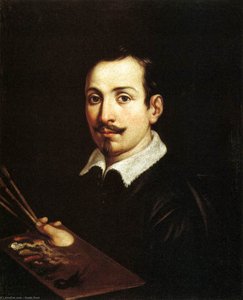
グイド・レーニ(1575年 - 1642年)は、バロック絵画を代表するイタリア人画家の一人です。彼はボローニャで生まれ、その卓越した技術と古典的な美意識によって、同時代の芸術界に大きな影響を与えました。レーニの作品は、宗教的テーマや神話的物語を扱い、感情の深さと洗練された表現が特徴です。彼の生涯は、イタリア各地での活動を通して展開され、ローマ、ナポリなどでも重要な足跡を残しました。
幼少期と教育
レーニは1575年にボローニャで、音楽家の家系に生まれました。幼い頃から芸術的な才能を示し、9歳にしてフランドルの画家ドニス・カルヴァルトのもとで絵画の修行を始めます。カルヴァルトの工房では、アルバーニやドメニコといった同世代の画家たちと共に古典主義に基づいた基礎を学びました。この時期の教育は、レーニの後の芸術的発展に大きな影響を与え、解剖学的な正確さや劇的な構図への関心を育みました。
芸術的キャリアと展開
レーニの芸術的キャリアは、ローマ、ナポリ、そして故郷のボローニャを含むイタリア各地で展開されました。初期の作品には、カルヴァルトやカラッチ兄弟の影響が見られ、解剖学的な正確さと劇的な構成が強調されていました。しかし、レーニはすぐに独自のスタイルを確立し、優雅な古典主義、洗練された技術、そして感情の深さが特徴となりました。彼はボローニャ派の中心人物となり、アカデミックな訓練と理想化された形態を重視する芸術家たちを率いました。
主な影響
- ドニス・カルヴァルト: レーニの最初の師であり、フランドルの絵画技術の基礎を学びました。
- カラッチ一族(アンニーバレ、アゴスティーノ、ルдовиコ): 古典芸術と解剖学の研究への彼らの影響は、レーニの芸術的発展に深く刻まれました。
- ラファエロ: レーニはラファエロの優雅さと調和のとれた構図を高く評価し、その影響は多くの作品に見られます。
主要な作品と芸術様式
レーニの作品群は、宗教画、神話的物語、そして寓意的な表現を含む幅広いテーマを網羅しています。彼の最も有名な作品には以下のようなものがあります。
- 太陽の戦車に乗るアポロン (アルベルティーナ美術館、ウィーン): バロック様式の習熟度を示すダイナミックなデッサンです。
- 聖ヤコブ大天使: 宗教的な熱意と人間の感情を捉える彼の才能を示しています。
- アタランテとヒッポメネス (カポディモンテ美術館、ナポリ): 優雅な人物描写と劇的なストーリーテリングが特徴の神話画です。
- 聖ヒエロニムス: 構図と感情の深さのバランスを巧みに表現した作品です。
- タランテッラ (カポディモンテ美術館、ナポリ): イタリア民俗舞踊文化への影響を示しています。
レーニのスタイルは、折衷的な古典主義と形容されることがよくあります。彼は古典芸術の精密さとバロック時代のダイナミズムと感情を融合させました。彼の人物は通常理想化されており、穏やかな美しさと優雅な動きを持っています。
歴史的意義と遺産
グイド・レーニは、イタリアにおける後期バロック様式の形成において重要な役割を果たしました。彼は洗練された技術、優雅な構図、そして感情の深さによって、世代を超えて多くの芸術家に影響を与えました。彼の作品は、ナポリのカポディモンテ美術館をはじめとする世界中の著名な博物館に所蔵されています。レーニの遺産は絵画にとどまらず、彼はまた詩人であり、当時の尊敬された知識人でもありました。
彼の芸術は今日でも多くのアーティストや美術愛好家を魅了し続けており、17世紀で最も重要な画家の一人としての地位を確固たるものとしています。彼の影響は、その優雅さと感情的な力を模倣しようとした後続のバロック様式の芸術家たちに見られます。
死
グイド・レーニは1642年にボローニャで亡くなりましたが、彼が残した豊かな芸術的遺産は、今日でも多くの人々に感動を与え続けています。彼の作品は時代を超えて愛され、その美しさと深さは、これからも多くの人々を魅了することでしょう。
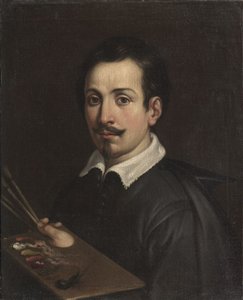
グイド・レーニ
1575 - 1642 , イタリア
基本情報
- Artistic Movement Or Style: バロック絵画、ボロネーゼ派
- Artists Who Influenced This Artist:
- デニス・カルヴァート
- カラッチ家
- Date Of Birth: 1575年
- Date Of Death: 1642年
- Full Name: グイド・レーニ
- Nationality: イタリア人
- Notable Artworks (List Of Titles):
- アポロンの太陽戦車
- 聖ヤコブ大天使
- アタランテとヒッポメネス
- Place Of Birth (City And Country): ボローニャ、イタリア
関連記事

家族の遺産を壁画で彩る:伝統技法が紡ぐ、時を超越する美と記憶
古代から現代までの壁画の歴史と技法を解説。日本の壁画文化やカスタムオーダーによる家族の遺産表現、保存・修復技術まで網羅。専門家が時を超越する美と記憶を紡ぐ芸術的価値をご案内します。
Guido Reni: A Study in Baroque Classicism & Artistic Perfection
Explore the life & work of Guido Reni, a master of Baroque classicism. Discover his iconic religious & mythological paintings, and understand his enduring influence on art history. Expert analysis for collectors.

The Enduring Legacy of Fresco Painting: Techniques, History & Contemporary Relevance
Explore the rich history & enduring artistry of fresco painting – from Giotto to Michelangelo! Discover techniques, conservation efforts, & modern applications. Learn how ArtsDot brings this timeless art form to your home.

The Enduring Legacy of Fresco: Technique, History & Artistic Expression Across Cultures
Explore the rich history & enduring legacy of fresco painting! Discover ancient techniques, Giotto's masterpieces, and modern applications. Expert insights for art lovers & professionals.

Art That Lives With You: The Emotional Power of a Custom Interior Fresco
Discover the emotional power & timeless beauty of custom interior frescoes. Explore history, design tips & expert guidance from – creating lasting legacies.