

 プレビュー
プレビュー
 プリントを購入
 シェアする
シェアする シェアする
シェアする
 詳細を見る
詳細を見る

 ダウンロード
 似ている作品
 X線調査
X線調査 スライドショー
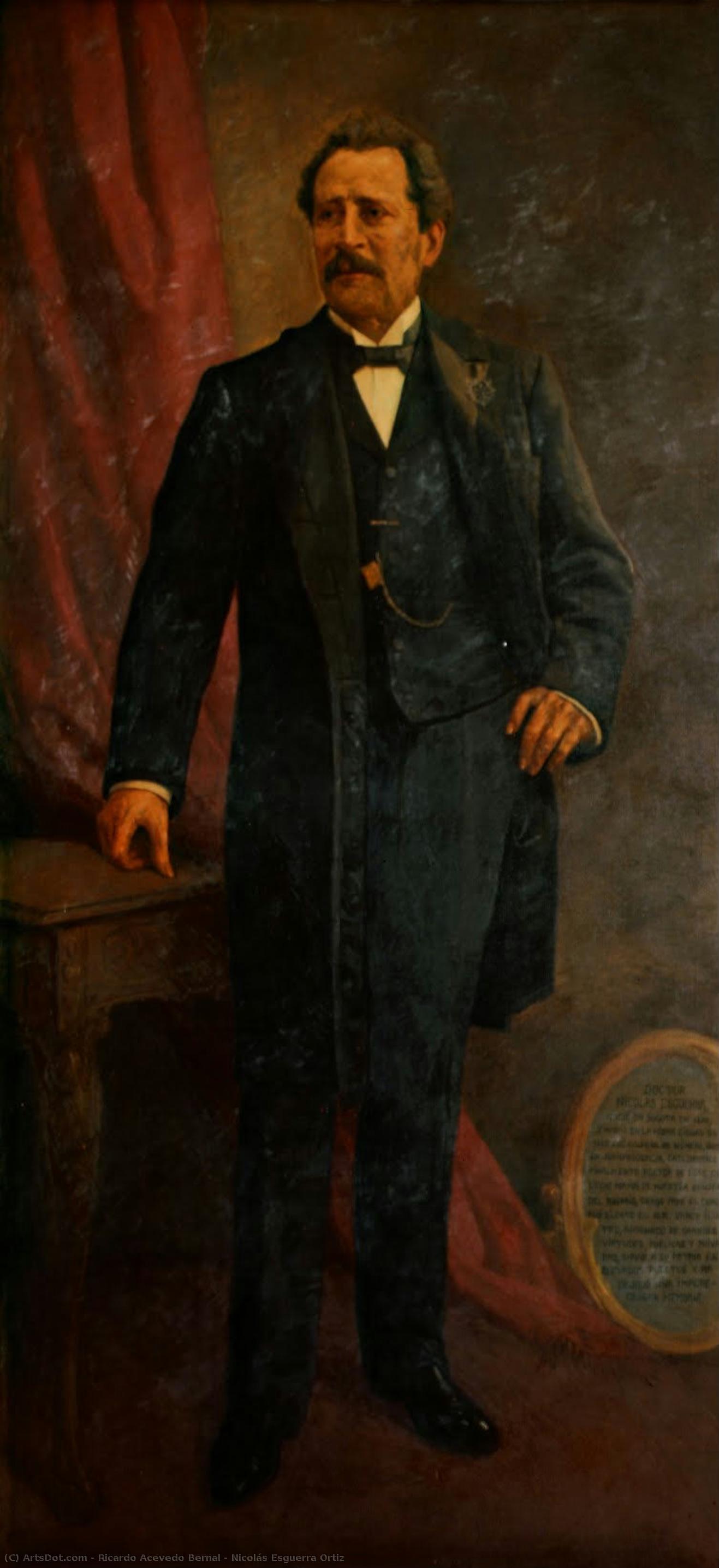
Nicolás Esguerra Ortiz
 Oil
Oil- WallArt
 19th Century
 196.0 x 95.0 cm
 Museo de la Universidad del Rosario
 詳細を見る
詳細を見る




P118B $10

P118H $10

P118W $10

P438Z $10

P508JH $12

P508YH $12

P805H $10

P805Z $10

P919BZ $10

P919G $10

P919XJ $10

P959ZH $10

P968JZ $12

W106C $8

W218G $10

W218JH $8

W218Y $10

W307PJ $10

W316G $10

W316PJ $8

W316Y $10

W398PJ $8

W4111J $10

W500HY $15

W500JH $15

W692G $12

W849H $8

W940BG $15

W953PJ $8




作品のオリジナル比率に合わせた、当店の規定サイズからお選びください。

特定のフレームやスペースに合わせて、ご希望のサイズをご入力いただけます。選択されたサイズが元の画像の比率と異なる場合、アートワークをトリミングするか、手描きで要素を追加して絵画を拡張いたします。デジタルモックアップ を制作し、制作開始前にご確認(承認)をいただきます。
画面上のプレビューは、実際のトリミングや拡張を正確に反映しているものではありません。最終的な構図は、モックアップによってのみ正確にご確認いただけます。
カスタムサイズもご利用いただけますが、元の比率を維持するためには、あらかじめ用意されたリストからサイズを選択することをお勧めいたします。
ご注文後、ArtsDot.com チームより詳細な指示をお送りするとともに、仕上がりイメージ(モックアップ)をご提供いたします。


 ガラスオプションは、110cm未満のサイズでのみご利用いただけます。

Nicolás Esguerra Ortiz
複製技法
複製画のサイズ
-


合計金額
$ 263
作品解説
A Portrait of Dignity: The Presence of Nicolás Esguerra Ortiz
In the quiet, commanding presence of Nicolás Esguerra Ortiz, we encounter more than just a mere likeness; we meet a moment frozen in time, captured with the meticulous devotion of Ricardo Acevedo Bernal. This striking portrait presents a gentleman of unmistakable distinction, standing poised beside a heavy, crimson curtain that lends an air of theatrical importance to the composition. Clad in a sharp black suit and accented by a formal bow tie, the subject exudes a sense of era-defining sophistication. The artist’s ability to render the fine textures of the fabric, the subtle sheen of the gentleman's attire, and the precise details of his facial features—most notably a well-groomed mustache—creates an intimate connection between the viewer and the sitter. As he holds a cane, a symbol of both status and stability, the painting transcends simple portraiture to become a study in character and social standing.
The technical mastery displayed in this work lies in its profound use of depth and light. Bernal utilizes a rich, saturated palette, where the deep reds of the background drapery serve as a dramatic foil to the monochromatic elegance of the subject's clothing. This interplay of color does not merely decorate the scene but directs the eye toward the focal point: the man himself. The inclusion of two chairs flanking the composition suggests a formal, perhaps even ceremonial, setting—a room designed for gathering, conversation, and the quiet exercise of influence. Through delicate brushwork, the artist captures the tactile reality of the scene, from the weight of the velvet curtains to the structural elegance of the furniture, inviting the observer to step into this historical interior.
For the discerning collector or the interior designer, this painting offers a timeless infusion of prestige and warmth. It is a piece that commands attention in a grand study, a sophisticated library, or a formal dining hall, providing a sense of historical continuity and intellectual depth. The emotional impact of the work is one of reverence and nostalgia; it evokes an era of etiquette and composed grace. Whether as a centerpiece for a curated gallery wall or as a standalone statement of classic elegance, a high-quality reproduction of this masterpiece brings with it the soul of Colombian portraiture, offering a window into a vanished world of refinement and enduring dignity.
関連作品

アーティストの略歴
Pierre Bonnard: A Painter of Intimate Light
Born in Fontenay-aux-Roses, a charming suburb just outside Paris, on October 3rd, 1867, Pierre Bonnard was not initially destined for the art world. His father, Eugène Bonnard, held a position within the French Ministry of War, and young Pierre was steered towards a legal career – he even earned a license in law. However, a deep-seated passion for drawing and watercolor, nurtured by his mother, Élisabeth Mertzdorff, and further encouraged during childhood excursions to their family’s country estate, ultimately led him down a different path. This early exposure to the beauty of nature and the tactile pleasure of creating images would profoundly shape his artistic vision.
Bonnard's formal training began at the Académie Julian in Paris, where he encountered fellow artists who would become lifelong friends and collaborators – Paul Sérusier, Édouard Vuillard, and later, Maurice Denis. These formative years were crucial, exposing him to the burgeoning artistic currents of the time and providing a foundation for his distinctive style. He was particularly influenced by the works of Impressionism, but quickly moved beyond its limitations, seeking a more subjective and emotionally resonant approach.
A pivotal moment in Bonnard’s development occurred with his encounter with the *Nabis* group – “The Prophets” – a collective of avant-garde artists who rejected academic conventions and sought to express their inner visions through color and form. Inspired by the prints of Hokusai, particularly the dynamic compositions and bold use of perspective, Bonnard embraced this radical approach, experimenting with flattened space, simplified forms, and an intense palette. This period saw him move away from realistic representation towards a more decorative and symbolic language.
The Nabis and Early Innovations
Joining the *Nabis* in 1888, Bonnard’s work began to shift dramatically. He moved beyond mere observation of reality, instead focusing on capturing fleeting moments of emotion and atmosphere. His early paintings often depicted domestic scenes – interiors filled with comfortable furniture, intimate portraits of family members, and glimpses of Parisian life. These works are characterized by a remarkable sensitivity to light and color, as Bonnard skillfully manipulated hues to evoke specific moods and sensations.
Bonnard’s use of color was revolutionary for his time. He abandoned the traditional Impressionist emphasis on capturing optical effects, instead employing color not just to represent objects but to express feelings and ideas. His palette became increasingly bold and expressive, utilizing vibrant reds, yellows, and blues to create a sense of warmth, intimacy, and emotional intensity. He often layered colors in unexpected combinations, creating shimmering surfaces that seemed to vibrate with life.
His early works were heavily influenced by Paul Gauguin’s use of color and symbolism, but Bonnard quickly developed his own unique style, characterized by a delicate balance between decorative elegance and emotional depth. He was particularly interested in exploring the relationship between light and shadow, often depicting objects bathed in soft, diffused light that seemed to emanate from within.
Mature Style and Recurring Themes
As Bonnard matured as an artist, his style continued to evolve, becoming increasingly refined and expressive. He began to experiment with new techniques, such as collage and printmaking, incorporating found objects and fragments of images into his paintings. His subject matter remained largely focused on domestic scenes and portraits, but he developed a distinctive visual language that was both intimate and evocative.
Recurring themes in Bonnard’s work include the beauty of everyday life, the joys and sorrows of family relationships, and the fleeting nature of time. He often depicted figures engaged in simple activities – reading, playing music, or simply enjoying each other's company – capturing a sense of quiet contentment and emotional connection. His paintings are imbued with a subtle melancholy, reflecting his own personal experiences and observations of the human condition.
Despite facing criticism during his lifetime for his unconventional style, Bonnard’s work gradually gained recognition as a major contribution to modern art. His innovative use of color, light, and form paved the way for future generations of artists, and his paintings continue to resonate with viewers today for their beauty, intimacy, and emotional depth.
Legacy and Influence
Pierre Bonnard died in La Route de Serra Capeou on January 23rd, 1947, at the age of 79. His legacy as one of the most important figures in modern art is firmly established. His influence can be seen in the work of countless artists who followed him, including Matisse, Dufy, and Nollet. Bonnard’s emphasis on color, emotion, and personal expression helped to break down the boundaries between painting and decoration, paving the way for a more subjective and expressive approach to art.
Today, Bonnard's paintings are exhibited in major museums around the world, including the Musée d'Orsay in Paris and the Metropolitan Museum of Art in New York. His work is celebrated for its beauty, originality, and enduring appeal, solidifying his place as a true master of modern art.
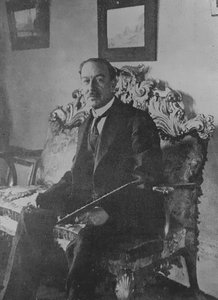
ricardo acevedo bernal
1867 - 1930 , Colombia
基本情報
- Artistic Movement Or Style: Post-Impressionism, Nabis
- Artists Or Movements Influenced By This Artist:
- Henri Matisse
- Pablo Picasso
- Artists Who Influenced This Artist:
- Paul Gauguin
- Hokusai
- Date Of Birth: 1867-10-03
- Date Of Death: 1947-01-23
- Full Name: Pierre Bonnard
- Nationality: French
- Notable Artworks:
- La Route de Serra Capeou
- Mont Sainte-Victoire
- The Large Format Basket of Apples
- Place Of Birth: Fontenay-aux-Roses, France
関連記事

Dark Masterpieces: 10 Iconic Paintings Dominated by Black Tones |
Explore 10 iconic paintings dominated by black tones, from Rembrandt’s chiaroscuro to Goya's dark expressions. Discover the stories behind these masterpieces & find museum-quality art reproductions for your home at .

Crimson Threads of Narrative: Exploring Symbolism & Representation in Artworks Featuring the Red Dress
Explore the rich symbolism of the red dress in art history! From ancient power displays to iconic portraits like Cézanne’s 'Madame Cezanne', discover the cultural and artistic significance behind this captivating color. Expert analysis & insights.
マーク・ロスコ傑作25選:色彩が織りなす深遠な世界|ArtsDot
マーク・ロスコの傑作25選。抽象表現主義を代表する巨匠、色彩が織りなす深遠な世界を探求します。絵画の背景や技法、感動的なストーリーを紐解き、ArtsDotで高品質なアートプリントをお楽しみください。リビングやオフィスにモダンアートを飾るなら!
Mars Black Masterpieces: 10 Iconic Paintings & Timeless Art Decor Ideas
Delve into the power of 'Mars Black' with 10 iconic paintings by masters like Rembrandt & Caravaggio. Explore dramatic chiaroscuro, gothic art, and timeless beauty. Find museum-quality reproductions & elevate your home decor on .
Ivory Black Masters: 10 Paintings That Define Dramatic Art |
Delve into the power of 'Ivory Black' with 10 iconic paintings by masters like Rembrandt & Caravaggio. Explore dramatic chiaroscuro, gothic moods & timeless art history. Find museum-quality reproductions and elevate your home decor at

