

 プレビュー
プレビュー
 シェアする
シェアする シェアする
シェアする
 詳細を見る
詳細を見る

 ダウンロード
 似ている作品
 X線調査
X線調査 スライドショー
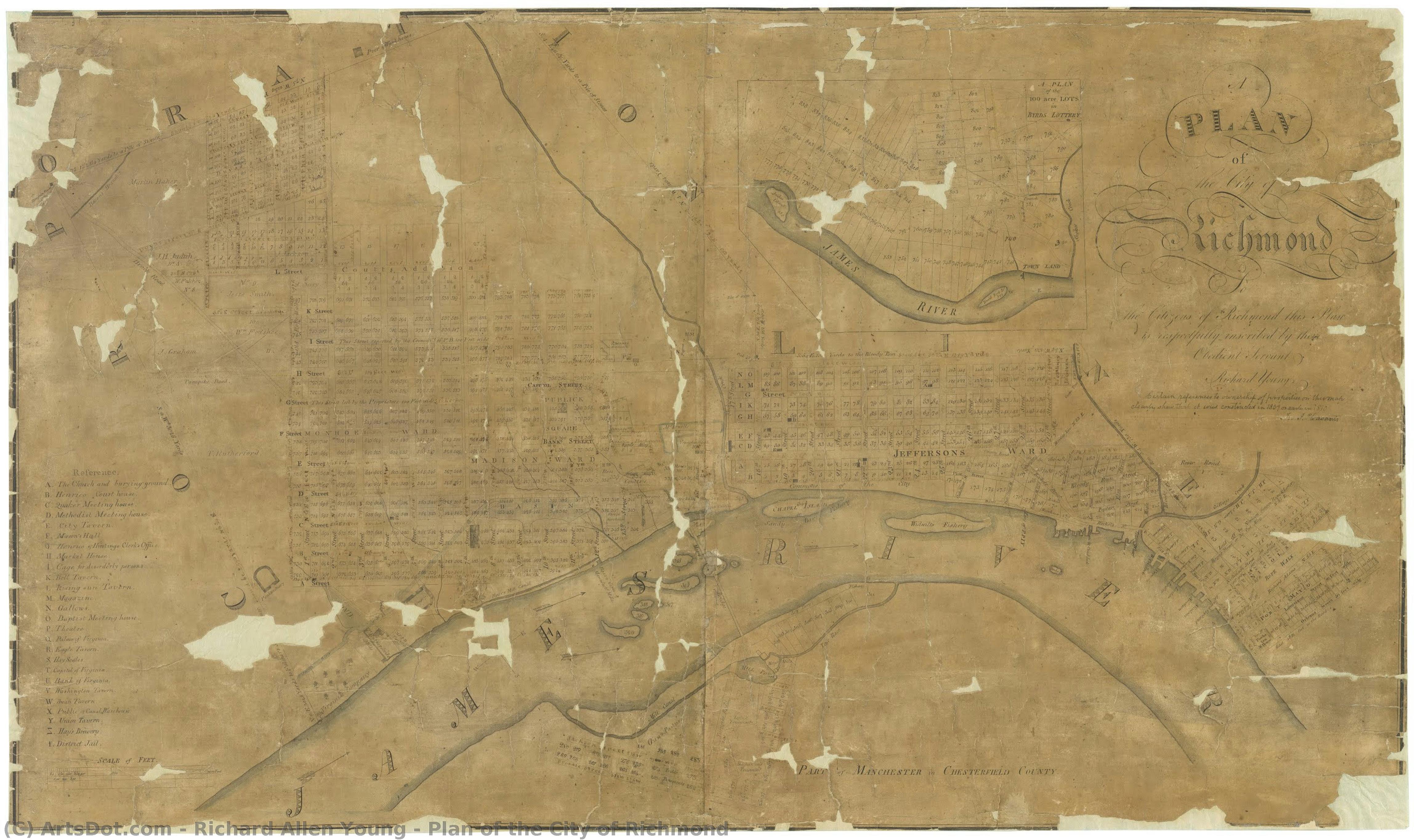
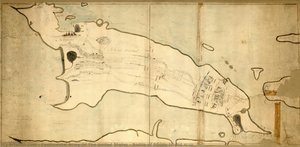
Plan of the City of Richmond…
 60.0 x 101.0 cm
 Library of Virginia
 詳細を見る
詳細を見る
ジークレー/アートプリント
迅速な制作と多彩な仕上げオプションを備えた、ミュージアムクオリティのジークレーまたはキャンバスプリント。 ( 手描きの絵画を購入 画像を購入)




































作品のオリジナル比率に合わせた、当店の規定サイズからお選びください。

特定のフレームやスペースに合わせて、ご自身でサイズを指定することも可能です。選択されたサイズが元の画像の比率と一致しない場合、作品をトリミングするか、鏡面反射または単色での塗りつぶしによって画像を拡張いたします。制作を開始する前に、ご確認用のデジタルモックアップをお送りいたします。
画面上のプレビューには、実際のトリミングや拡張は反映されませんのでご注意ください。最終的な構図を正確に確認できるのは、モックアップのみとなります。
カスタムサイズも承っておりますが、元の比率を維持するためには、あらかじめ用意されたリストからサイズを選択することをお勧めいたします。


 ガラスオプションは、110cm未満のサイズでのみご利用いただけます。

Plan of the City of Richmond…
ジークレー/アートプリント
複製画のサイズ
-


合計金額
$ 62
関連作品




アーティストの略歴
Richard Allen Young (b. 1954): A Pioneer of Gene Regulation
Richard Allen Young, born March 12, 1954, in Pittsburgh, Pennsylvania, stands as a remarkable figure in the intersection of genetics and art – specifically, his meticulous watercolor paintings reflecting a profound fascination with landscapes and botanical specimens. While perhaps less celebrated for his artistic endeavors than for his groundbreaking scientific contributions, Young’s dual passions inform an intellectual worldview that seeks beauty and precision alike. His life's trajectory began amidst the burgeoning field of molecular biology, propelling him toward a distinguished academic career at MIT where he currently holds a professorship in Biology.- Education: Young pursued his undergraduate studies at Indiana University (Bachelor of Science), followed by doctoral research at Yale University culminating in a PhD in 1979.
- Early Career & Research Focus: His initial investigations centered on understanding the intricate mechanisms governing gene expression, particularly within embryonic stem cells. This pivotal discovery revolutionized our comprehension of developmental biology and established him as a leader in systems biology – a field dedicated to analyzing biological processes as interconnected networks rather than isolated components.
- Breakthroughs in Gene Control: Young’s seminal work identified core regulatory transcription factors that orchestrate the gene expression program during embryonic development, fundamentally reshaping how scientists approach developmental disorders and regenerative medicine. This conceptual leap has fueled ongoing research into reprogramming cells – a transformative prospect for treating diseases like Parkinson's and macular degeneration.
Scientific Recognition & Leadership Roles
Young’s scientific prowess garnered considerable acclaim, culminating in membership within prestigious academies—the National Academy of Sciences (NAS) and the National Academy of Medicine (NAM)—recognizing his substantial impact on biomedical research. Furthermore, he served as an advisor to organizations like the World Health Organization (WHO) and the National Institutes of Health (NIH), demonstrating a commitment to translating scientific discoveries into tangible benefits for public health. His contributions have been acknowledged by Scientific American as among the top 50 leaders in science, technology, and business—a testament to his visionary intellect and dedication to advancing knowledge. Notably, he was recognized as one of the most Highly Cited Researchers globally, reflecting the pervasive influence of his publications within the scientific community.Watercolor Artistry: Capturing Nature’s Essence
Beyond his scientific pursuits, Young possesses a considerable talent for watercolor painting—a practice that provides him with an alternative avenue for exploring themes of observation, detail, and artistic interpretation. His paintings frequently depict serene landscapes featuring meticulously rendered botanical subjects—often wildflowers or ferns—executed with remarkable accuracy and sensitivity to color and light. These artworks serve as visual representations of his intellectual curiosity and underscore a belief in the importance of aesthetic contemplation alongside scientific inquiry. Young’s artistic style reflects a deliberate effort to distill complex natural phenomena into accessible, beautiful images—a harmonious blend of precision and artistry that embodies his multifaceted identity.Notable Achievements & Future Directions
Young's research has profoundly impacted fields ranging from developmental biology to regenerative medicine, paving the way for innovative therapeutic strategies. His work on transcriptional amplification – a process where RNA molecules exponentially increase in number – has illuminated the pathogenesis of cancer and spurred investigations into harnessing this mechanism for targeted therapies. He continues to champion advancements in genomics—the study of an organism’s entire genetic makeup—believing that unlocking the secrets encoded within DNA holds immense potential for combating disease and enhancing human well-being. As a respected voice in scientific discourse, Young remains steadfastly committed to fostering collaborative research endeavors and disseminating knowledge responsibly – ensuring that his legacy extends beyond the laboratory into shaping a healthier, more aesthetically enriched future.
richard allen young
1954 - , United States of America
基本情報
- Artistic Movement Or Style: Systems Biology
- Artists Or Movements Influenced By This Artist: ['Hokusai']
- Artists Who Influenced This Artist: ['Joan A. Steitz']
- Date Of Birth: March 12, 1954
- Full Name: Richard Allen Young
- Nationality: American
- Notable Artworks: ['Plan of the City of Richmond']
- Place Of Birth: Pittsburgh, United States

