

 プレビュー
プレビュー
 プリントを購入
 シェアする
シェアする シェアする
シェアする
 詳細を見る
詳細を見る

 ダウンロード
 似ている作品
 X線調査
X線調査 スライドショー
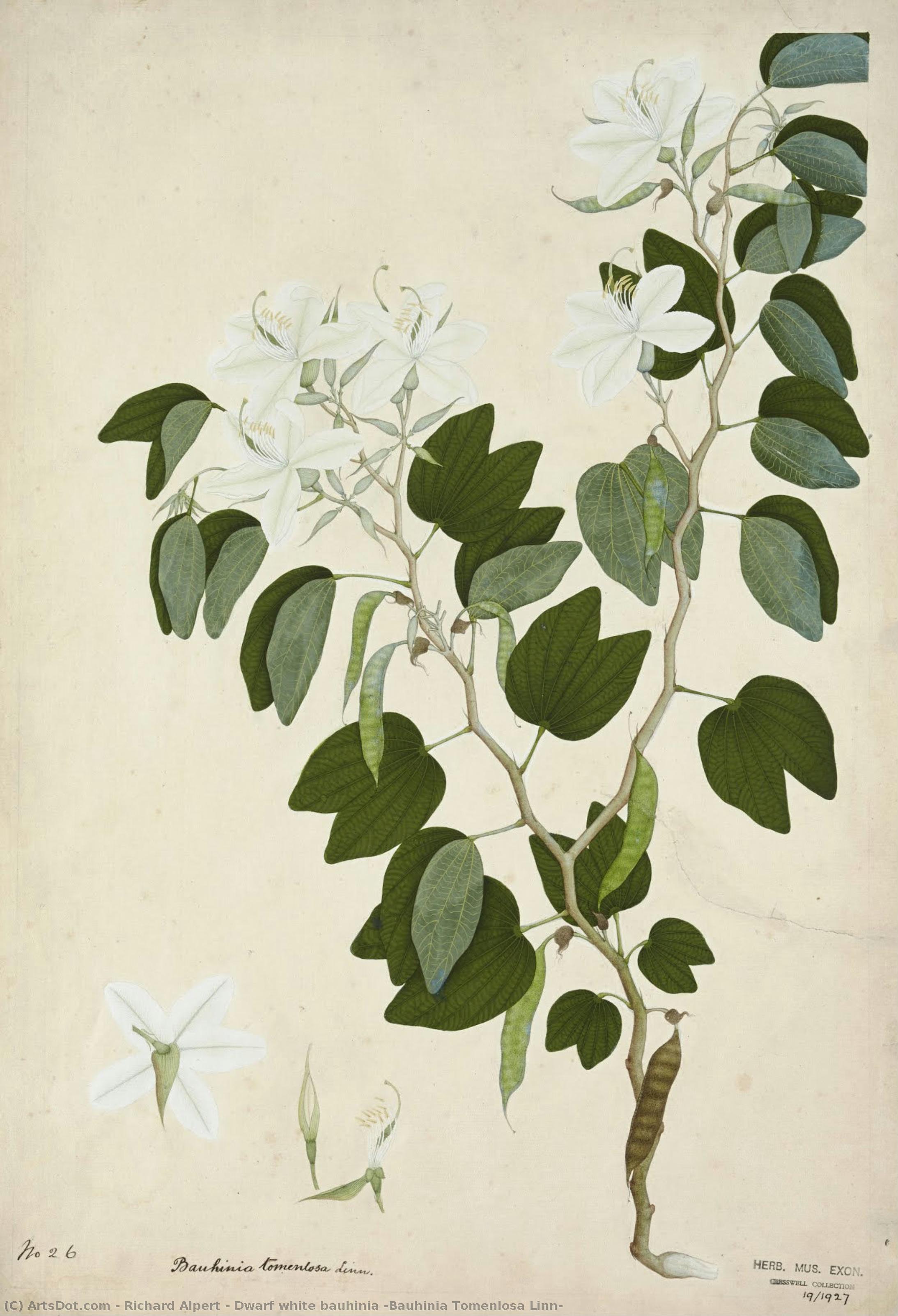
Dwarf white bauhinia (Bauhinia Tomenlosa Linn)
 39.0 x 55.0 cm
 Royal Albert Memorial Museum - Art Gallery
 詳細を見る
詳細を見る




































作品のオリジナル比率に合わせた、当店の規定サイズからお選びください。

特定のフレームやスペースに合わせて、ご希望のサイズをご入力いただけます。選択されたサイズが元の画像の比率と異なる場合、アートワークをトリミングするか、手描きで要素を追加して絵画を拡張いたします。デジタルモックアップ を制作し、制作開始前にご確認(承認)をいただきます。
画面上のプレビューは、実際のトリミングや拡張を正確に反映しているものではありません。最終的な構図は、モックアップによってのみ正確にご確認いただけます。
カスタムサイズもご利用いただけますが、元の比率を維持するためには、あらかじめ用意されたリストからサイズを選択することをお勧めいたします。
ご注文後、ArtsDot.com チームより詳細な指示をお送りするとともに、仕上がりイメージ(モックアップ)をご提供いたします。


 ガラスオプションは、110cm未満のサイズでのみご利用いただけます。

Dwarf white bauhinia (Bauhinia Tomenlosa Linn)
複製技法
複製画のサイズ
-


合計金額
$ 263
作品解説
関連作品









アーティストの略歴
Richard Alpert (Ram Dass): A Life Woven from Psychedelics and Spiritual Awakening
Richard Alpert, later known as Ram Dass, wasn’t simply an artist; he was a conduit – a bridge between the analytical mind of a Harvard-trained psychologist and the profound depths of spiritual experience. Born in Boston in 1931, his early life hinted at a restless intellect and a yearning for something beyond the conventional. His father, George Alpert, was a prominent lawyer and railroad executive, while his mother, Agnes Tatum, provided a stable home environment. However, it was during his time at Tufts University, studying psychology under David McClelland – a pioneer in motivation theory – that Alpert’s path began to diverge from the expected trajectory. This early academic grounding would later inform his approach to understanding human consciousness and its potential for transformation. His initial research into psychedelic drugs at Harvard University, alongside Timothy Leary, marked a pivotal moment, exposing him to the transformative power of altered states of consciousness and sparking a lifelong exploration of inner landscapes.The Journey to India: Neem Karoli Baba and the Birth of Ram Dass
In 1967, Alpert embarked on a journey that irrevocably shaped his life and artistic output – a pilgrimage to India. This wasn’t merely a vacation; it was a profound spiritual quest guided by the wisdom of Neem Karoli Baba (also known as Maharaj-ji), a revered Hindu guru in Ganeshpuri. It was during this time that he shed his Western identity, adopting the name Ram Dass – “servant of Ram” – a testament to his devotion and commitment to serving others. Neem Karoli Baba’s teachings emphasized selfless service (seva) and direct experience of truth, profoundly influencing Alpert's subsequent work as a spiritual teacher and artist. The imagery and philosophy gleaned from this period—particularly the concept of “being here now”—became central themes in his art and writing, offering a pathway to present moment awareness and liberation from suffering. His time with Neem Karoli Baba wasn’t just about learning; it was about embodying a way of being – a radical acceptance of life as it is.Botanical Art: A Visual Language of the Soul
While his spiritual journey formed the core of Alpert's life, his artistic practice offered a unique and deeply personal means of expression. He’s perhaps best known for his meticulously detailed botanical watercolors, particularly his depictions of plants like the Dwarf White Bauhinia – a piece now housed in ArtsDot’s collection. These weren’t simply scientific illustrations; they were imbued with a palpable sense of reverence and connection to nature. Alpert approached each plant with an almost meditative intensity, capturing not just its physical form but also its essence—its vitality, its resilience, and its inherent beauty. His technique combined the precision of traditional botanical illustration with a distinctly spiritual sensibility. The careful lines, the subtle gradations of color, and the overall composition evoke a sense of stillness and contemplation, inviting the viewer to slow down and appreciate the intricate details of the natural world. His work reflects a belief that nature holds profound wisdom and can serve as a mirror reflecting our own inner state.“Be Here Now” and the Legacy of a Transformative Voice
Alpert’s 1971 book, *Be Here Now*, became an unexpected cultural phenomenon, introducing Eastern spirituality to a wider Western audience. The book's blend of graphic novel style, personal anecdotes, and philosophical insights resonated deeply with a generation seeking alternative paths to meaning and fulfillment. It wasn’t just a guidebook; it was a call to awaken—to recognize the illusion of separation and embrace the interconnectedness of all things. The book’s enduring popularity speaks to Alpert's ability to articulate complex spiritual concepts in an accessible and engaging way, bridging the gap between ancient wisdom and contemporary experience. Following a stroke in 1997 that significantly impacted his speech, Alpert continued to teach and write, adapting his methods to accommodate his limitations while maintaining his commitment to sharing his insights with others. His charitable foundations, Seva Foundation and Hanuman Foundation, further solidified his legacy as a compassionate humanitarian dedicated to serving humanity.Key Influences and Artistic Style
Alpert’s artistic style is characterized by its meticulous detail, vibrant colors, and a palpable sense of reverence for the natural world. His botanical watercolors draw inspiration from both traditional scientific illustration and the spiritual traditions he encountered in India, particularly the teachings of Neem Karoli Baba. The influence of Zen Buddhism—emphasizing direct experience and non-attachment—is also evident in his work’s quiet contemplation and focus on the present moment. Beyond his artistic practice, Alpert's background as a psychologist informed his approach to both art and spirituality, encouraging him to explore the relationship between consciousness, perception, and reality. His life itself – a synthesis of scientific inquiry and spiritual exploration – serves as a powerful testament to the transformative potential of human experience.
richard alpert
1931 - 2019 , United States of America
基本情報
- Artistic Movement Or Style: Botanical painting
- Artists Or Movements Influenced By This Artist: ['Hinduism art']
- Artists Who Influenced This Artist: ['Neem Karoli Baba']
- Date Of Birth: April 6, 1931
- Date Of Death: December 22, 2019
- Full Name: Richard Alpert (Ram Dass)
- Nationality: American
- Notable Artworks:
- Dwarf White Bauhinia
- Tamarind Tree
- Place Of Birth: Boston, USA

