

 プレビュー
プレビュー
 プリントを購入
 シェアする
シェアする シェアする
シェアする
 詳細を見る
詳細を見る

 ダウンロード
 似ている作品
 X線調査
X線調査 スライドショー
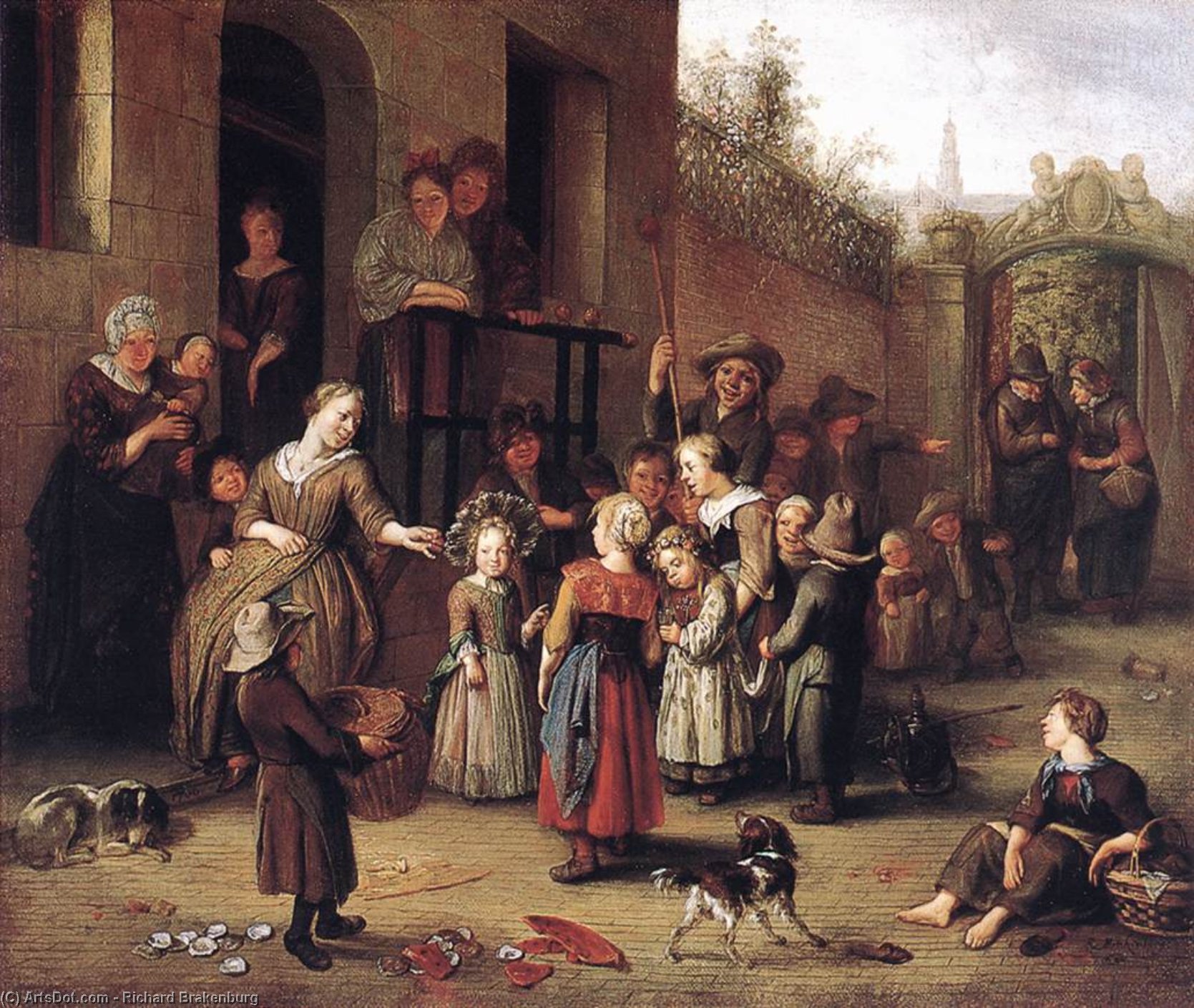
May Queen Festival
 Oil On Canvas
- WallArt
- Dutch Golden Age
 1700
1700 41.0 x 48.0 cm
 Szépművészeti Múzeum
 詳細を見る
詳細を見る
オンラインプレビューをはるかに凌ぐ、高解像度で鮮明なデジタル画像をご購入いただけます。
各ファイルは、社内の専門家が高度なツールと熟練した手作業によるレタッチを用いて、細心の注意を払って準備されています。すべての画像において、卓越した鮮明度、正確な色彩再現性、そして繊細なディテールを保証いたします。
最終ファイルは、プロフェッショナルな編集・印刷環境ですぐにご利用いただけるよう最適化された状態で、72時間以内にメールにてお届けいたします。これは、一流のデザインスタジオ、出版社、ギャラリーから信頼されているものと同等の品質です。
デジタル画像のご注文に付随する特典
高品質なデジタル画像配信を、確かな品質で。
ArtsDot.com を選ぶことは、単に画像を手に入れることではありません。それは、プロの手によって精密に仕上げられ、満足保証が付いた高品質なデジタルアートワークを受け取ることを意味します。ご注文いただいた際に自動的に付随する内容は、以下の通りです:

メールですぐにお届け
ご注文から72時間以内に、高解像度のデジタル画像ファイルがメールでお手元に届きます。すぐにそのままご利用いただけます。

AI技術で最適化されたデジタルファイル
お客様の作品は、高度なAIツールと専門家による手作業の編集を組み合わせてプロフェッショナルに最適化されており、細部のディテール、鮮明さ、そして正確な色再現性を最大限に引き出しています。

一生涯無料の再送サービス
ファイルを誤って削除したり、紛失してしまったりしましたか?ご安心ください。いつでも無料で再送いたします。

輸入手数料は一切かかりません
関税や手数料、配送料を気にすることなく、お気に入りのアートワークをすぐにお楽しみいただけます。デジタルダウンロードは常に免税です。

色彩再現の保証
プロ仕様のツールとカラーマネジメント技術を用いることで、デジタル画像が元の色を最大限に忠実に再現することを保証いたします。

60日間満足保証
ご購入いただいたデジタル画像にご満足いただけない場合は、60日以内であれば、修正または100%の返金(理由を問う必要はありません)をさせていただきます。

100% 返金保証
ご満足いただけない場合は、デジタルファイルを受け取ってから60日以内であれば、理由を問わず全額返金いたします。

まとめ買い割引
3枚購入で10%OFF - 5枚購入で15%OFF - 10枚以上購入で20%OFF。クリエイティブなプロジェクト、ギャラリー、エージェンシーに最適です。
作品の詳細
May Queen Festival by Richard Brakenburg
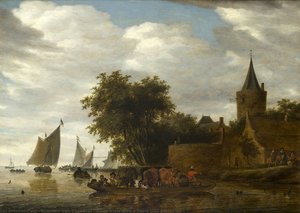
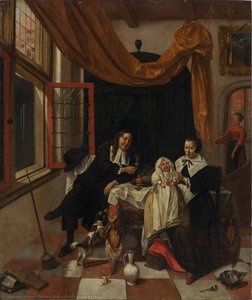
Richard Brakenburgh’s “May Queen Festival,” painted circa 1700, stands as a quintessential example of Dutch Golden Age genre painting—a captivating snapshot of everyday life imbued with subtle symbolic resonance. Executed in oil on canvas measuring 41 x 48 cm, this artwork transports the viewer back to Haarlem during its vibrant artistic flowering, capturing a scene brimming with social interaction and mercantile activity within a domestic courtyard setting. The composition immediately draws attention to a central female figure—likely representing the May Queen herself—who stands gracefully amidst several children and adults engaged in an exchange of goods. Brakenburgh skillfully employs perspective to create depth, layering figures across architectural elements like a balcony and arched doorway, lending a sense of realism that was paramount to artists of the era. The artist’s meticulous attention to detail is evident in the rendering of clothing folds, facial expressions, and textures—from the smooth sheen of fabrics to the rough surface of stone walls—demonstrating Brakenburgh's mastery of technique. Born in Antwerp in 1583/84, Frans Hals emerged as a prodigious talent amidst the turbulent political climate of the Dutch Republic. He honed his skills under Adriaen van Ostade’s tutelage before establishing himself as a respected member of Haarlem’s painters' guild in 1610. Unlike Rembrandt’s more dramatic explorations of light and shadow, Hals prioritized capturing immediacy and psychological nuance—a hallmark that distinguishes his oeuvre from many contemporaries. His portraits weren’t merely likenesses; they were embodiments of character, conveying emotion with remarkable sensitivity. The painting’s palette is dominated by earthy tones – browns, ochres, and muted reds – reflecting the prevailing aesthetic sensibilities of the period. These hues contribute to a warm, inviting atmosphere that subtly underscores the scene's celebration of fertility and renewal associated with the May Day festival. The artist’s use of brushstrokes—loose and expressive—further enhances this impression, conveying movement and dynamism while simultaneously capturing fleeting moments of human interaction. Beyond its visual beauty, “May Queen Festival” speaks to broader themes of generosity, childhood innocence, and the importance of community. Brakenburgh's depiction captures a moment of convivial exchange, mirroring the spirit of Haarlem’s prosperous merchant class during the Golden Age—a testament to his artistic vision and enduring legacy as one of Holland’s most celebrated painters. It remains an inspiring piece for interior designers seeking to evoke warmth and authenticity, and a valuable addition to any collection devoted to Dutch Baroque art.関連作品


作家の略歴
Frans Hals: A Master of Lively Portraiture
Frans Hals (1582/83 – 1666) stands as a towering figure in the history of Dutch painting, not merely for his prolific output but for the remarkably immediate and vibrant quality he brought to his portraits. Often overshadowed by the more formally structured works of Rembrandt during his own lifetime, Hals’s legacy has experienced a dramatic resurgence in recent decades, solidifying his position as one of the most influential artists of the Golden Age. His paintings aren't simply representations; they are windows into moments, capturing fleeting expressions and the very essence of his subjects – be it a boisterous group of tavern revelers or a dignified civic official.
Born in Antwerp, Hals’s early life was shaped by the turbulent political landscape of the Netherlands. His family moved to Haarlem, a thriving commercial center and artistic hub, where he likely received some initial training before joining the local painters' guild in 1610. Unlike many artists who sought patronage from wealthy collectors or the court, Hals primarily catered to the needs of Haarlem’s civic institutions – town councils, guilds, and almshouses – providing them with group portraits that celebrated their achievements and reinforced their social standing. This focus on public commissions fostered a distinctive style, characterized by an extraordinary sense of immediacy and spontaneity.
Hals's technique was revolutionary for his time. He eschewed the meticulous blending and smooth surfaces favored by many of his contemporaries, opting instead for loose, visible brushstrokes that created a shimmering effect across the canvas. This “broken color” approach not only conveyed movement and vitality but also allowed him to capture subtle shifts in expression – a sly glance, a burst of laughter, or a moment of quiet contemplation. His use of light was equally dramatic, employing stark contrasts between dark and bright areas to draw attention to key features and create a sense of depth and drama. He frequently worked *alla prima*, directly on the wet canvas without preliminary sketches, resulting in an unparalleled freshness and energy in his paintings.
The Spectrum of Hals’s Subjects
While Hals is most celebrated for his group portraits – works like Merrymakers at Shrovetide (1616) and The Officers' Banquet (1619-1620) – he also produced a remarkable range of individual portraits, landscapes, and genre scenes. His portraits are particularly noteworthy for their psychological insight. He didn’t simply record the outward appearance of his subjects; instead, he sought to capture their inner lives, revealing their personalities through subtle gestures, expressions, and interactions. Self-Portrait in a Red Cap (1642) offers a rare glimpse into the artist's own character – a thoughtful, slightly melancholic figure contemplating his craft.
His landscapes, though fewer in number than his portraits, are equally captivating. Paintings like The Cheesemonger (c. 1637) demonstrate Hals’s ability to capture the atmosphere of a place and evoke a sense of mood through color and composition. He frequently depicted scenes from everyday life – market stalls, tavern gatherings, and street festivals – imbued with a lively realism that reflects the vibrant spirit of Haarlem.
Influences and Artistic Connections
Hals’s artistic development was shaped by a diverse range of influences. As mentioned earlier, he studied under Karel van Mander I, a Mannerist painter and art theorist who instilled in him a deep appreciation for classical antiquity. However, Hals also drew inspiration from the work of his contemporaries, including Hendrick Goltzius, whose graphic style influenced his early portraiture, and the great Flemish masters like Peter Paul Rubens and Titian. Notably, Hals’s work exerted a profound influence on a generation of French artists in the 19th century, particularly Courbet, Manet, Monet, Van Gogh, and Whistler, who were drawn to his loose brushwork, vibrant colors, and ability to capture fleeting moments of life.
Legacy and Historical Significance
Despite facing relative obscurity for centuries, Frans Hals’s reputation has experienced a remarkable revival in the 20th and 21st centuries. His paintings are now recognized as masterpieces of Dutch art, celebrated for their technical brilliance, psychological depth, and enduring vitality. Hals's innovative approach to portraiture – his willingness to capture not just likeness but also character and emotion – continues to inspire artists today. He remains a pivotal figure in the history of Western painting, demonstrating that true artistry lies not in meticulous detail or idealized beauty, but in the ability to convey genuine feeling and experience.
His work at the Frans Hals Museum in Haarlem provides an unparalleled opportunity for visitors to immerse themselves in the world of this extraordinary artist. The museum’s collection includes a vast majority of his paintings, as well as drawings and prints, offering a comprehensive overview of his artistic career and legacy.
リチャード・ブラケンブルフ
1650 - 1702
プロフィール概要
- Artistic Movement Or Style: バロック / オランダ黄金時代
- Artists Or Movements Influenced By This Artist:
- クールベ
- マネ
- モネ
- ゴッホ
- Artists Who Influenced This Artist: ['カレル・ファン・マンデル1世']
- Date Of Birth: 1582/83
- Date Of Death: 1666
- Full Name: フランス・ハルス
- Nationality: オランダ
- Notable Artworks:
- 謝肉祭の陽気な人々
- 将校たちの集合肖像画
- 自画像
- Place Of Birth: オランダ、ハールレム

