

 プレビュー
プレビュー
 プリントを購入
 シェアする
シェアする シェアする
シェアする
 詳細を見る
詳細を見る

 ダウンロード
 似ている作品
 X線調査
X線調査 スライドショー
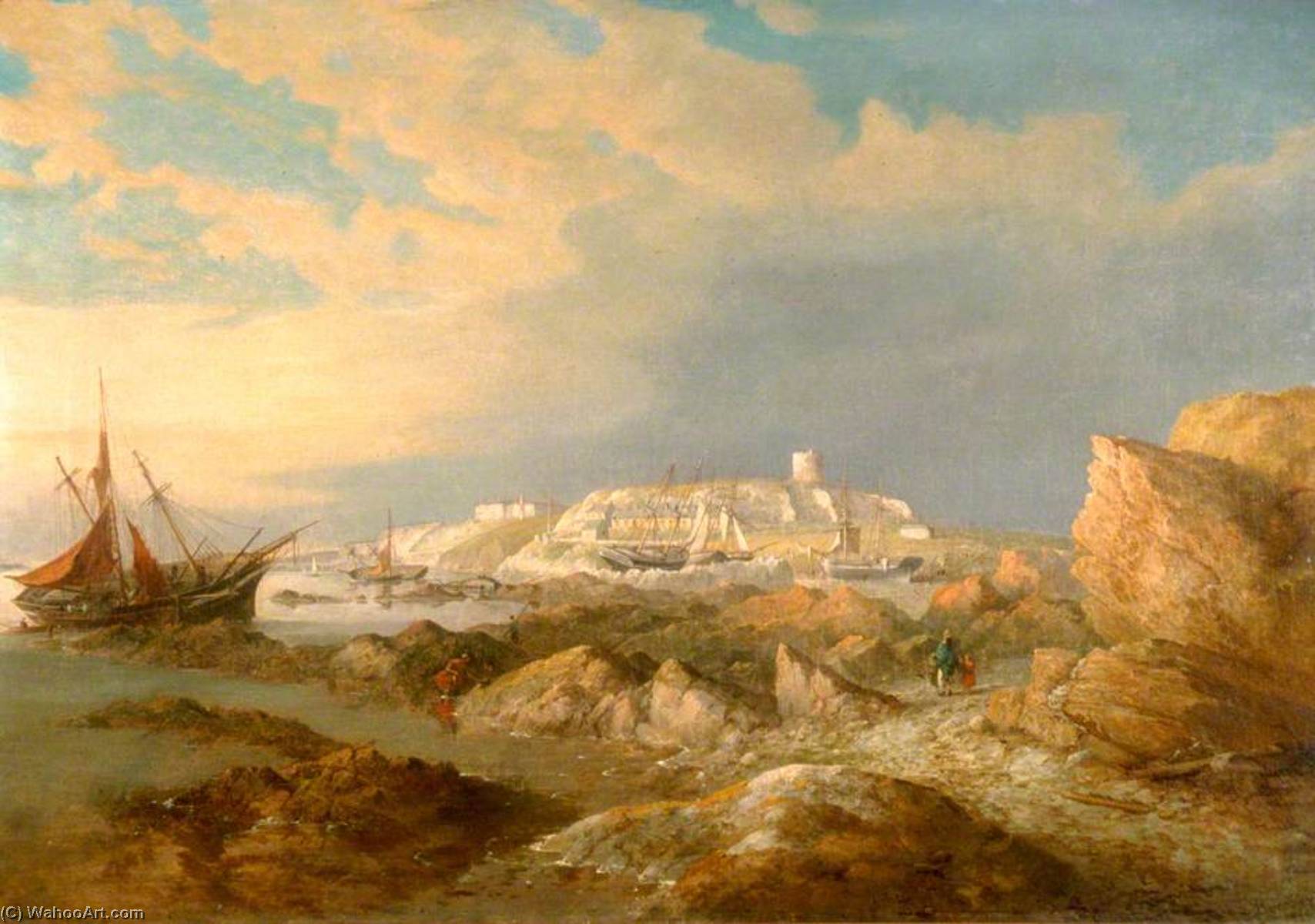
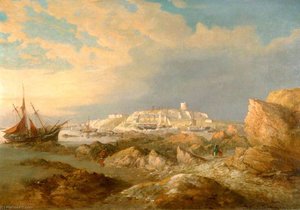
Plymouth, Mount Batten and the Hoe
 1866
1866 63.0 x 90.0 cm
 Government Art Collection
 詳細を見る
詳細を見る




































作品のオリジナル比率に合わせた、当店の規定サイズからお選びください。

特定のフレームやスペースに合わせて、ご希望のサイズをご入力いただけます。選択されたサイズが元の画像の比率と異なる場合、アートワークをトリミングするか、手描きで要素を追加して絵画を拡張いたします。デジタルモックアップ を制作し、制作開始前にご確認(承認)をいただきます。
画面上のプレビューは、実際のトリミングや拡張を正確に反映しているものではありません。最終的な構図は、モックアップによってのみ正確にご確認いただけます。
カスタムサイズもご利用いただけますが、元の比率を維持するためには、あらかじめ用意されたリストからサイズを選択することをお勧めいたします。
ご注文後、ArtsDot.com チームより詳細な指示をお送りするとともに、仕上がりイメージ(モックアップ)をご提供いたします。


 ガラスオプションは、110cm未満のサイズでのみご利用いただけます。

Plymouth, Mount Batten and the Hoe
複製技法
複製画のサイズ
-


合計金額
$ 263
関連作品




アーティストの略歴
A Mariner’s Brushstroke: The Life and Legacy of Richard Brydges Beechey
Richard Brydges Beechey (1808 – 1895) stands as a fascinating figure in Victorian art and naval history, blending scientific observation with artistic sensitivity. Born into a family steeped in artistic tradition—his father, Sir William Beechely, was a celebrated portrait painter—Beechey inherited an innate talent for capturing the grandeur of the sea and the human spirit within it. His upbringing fostered connections to both the visual arts and exploration, shaping his life’s trajectory as much as his artistic pursuits. Growing up amidst a prolific artistic household instilled in Beechey a deep appreciation for painting from a young age. He studied at Rugby School before embarking on his formal education at Trinity College Dublin, where he excelled in mathematics and science alongside his artistic inclinations. This dual focus would prove invaluable throughout his life, informing not only his scientific endeavors but also underpinning the meticulous detail and realism that characterize many of his paintings.
The intersection of art and adventure became the defining theme of Beechey's existence when he joined the Royal Navy at the age of fourteen. His naval career spanned decades, punctuated by voyages to diverse locations including the Mediterranean and the Pacific Ocean. These expeditions provided him with unparalleled opportunities to observe natural landscapes and maritime life—subjects that would become central to his artistic output. Notably, Beechey’s brother Frederick William Beechey was himself a seafaring artist, creating an environment where artistic inspiration intersected with practical experience. As he rose through the ranks to eventually achieve the prestigious rank of Admiral, his eyes remained as much on the horizon of discovery as they were on the canvas.
The Majesty of the Sea: Artistic Vision and Technique
Beechey’s work is characterized by a profound ability to document the raw power of nature through a lens of maritime realism. His experiences in the most remote corners of the globe, including his participation in the Antarctic Expedition led by James Clark Ross, profoundly impacted his artistic vision. He meticulously documented the icy wilderness and its inhabitants, creating works that served as both art and historical record. One can feel the chilling atmosphere and the immense scale of the frozen world in compositions such as “Antarctic Expedition Gale,” a dramatic depiction of a ship battling the elements. His ability to translate the scientific precision learned at Trinity College into the fluid, emotive language of oil painting allowed him to capture the turbulent relationship between man and the ocean.
His repertoire includes several notable maritime scenes that showcase his mastery of light, shadow, and movement:
- HMS Scout Passing an Iceberg, 4 March 1875: A breathtaking display of nature's power, featuring a dramatic encounter between a vessel, a whale, and a towering iceberg.
- First Come, First Served: An evocative 1873 oil on canvas that depicts three sailboats navigating through rough waters, capturing the inherent challenges faced by sailors in the late 19th century.
- HMS Defence off Vigo, Spain: A powerful study of a ship struggling against heavy seas, demonstrating his skill in rendering the weight and texture of churning water.
- HMS Danube Blown on Shore: A hauntingly realistic depiction of a shipwreck in Sevastopol, showcasing the tragic vulnerability of even the strongest vessels against the forces of nature.
Historical Significance and Artistic Heritage
Beyond his individual achievements, Richard Brydges Beechey represents a unique era where the boundaries between the explorer and the artist were beautifully blurred. His life was a testament to the Victorian era's passion for expansion, discovery, and the documentation of the natural world. As an Anglo-Irish painter and Admiral, he bridged the gap between the rigid discipline of naval command and the expressive freedom of the Royal Academy tradition. His legacy is not merely found in the museums that house his works, but in the way he helped shape the genre of maritime art by infusing it with the authentic, lived experience of a man who had truly traversed the world's most dangerous waters.
The Beechey name remains synonymous with British artistic and naval excellence. With a lineage that included renowned portraitists like his father Sir William and his brothers Henry and George Duncan, Richard’s contribution to the maritime genre stands as a distinct and vital chapter in the history of 19th-century painting. His works continue to offer modern viewers a window into a vanished age of sail, where every wave and every gust of wind was recorded with the reverence of an artist and the precision of a navigator.
richard brydges beechey
1808 - 1895
基本情報
- Artistic Movement Or Style: Romanticism
- Artists Or Movements Influenced By This Artist: ['Romanticism']
- Artists Who Influenced This Artist:
- William Beechey
- Frederick William Beechey
- Henry William Beechey
- Date Of Birth: 1808
- Date Of Death: 1895
- Full Name: Richard Brydges Beechey
- Nationality: Anglo-Irish
- Notable Artworks:
- Antarctic Expedition Gale
- First Come, First Served
- HMS Scout Passing an Iceberg
- Place Of Birth: London, England

