

 プレビュー
プレビュー
 シェアする
シェアする シェアする
シェアする
 詳細を見る
詳細を見る

 ダウンロード
 似ている作品
 X線調査
X線調査 スライドショー
 Stats
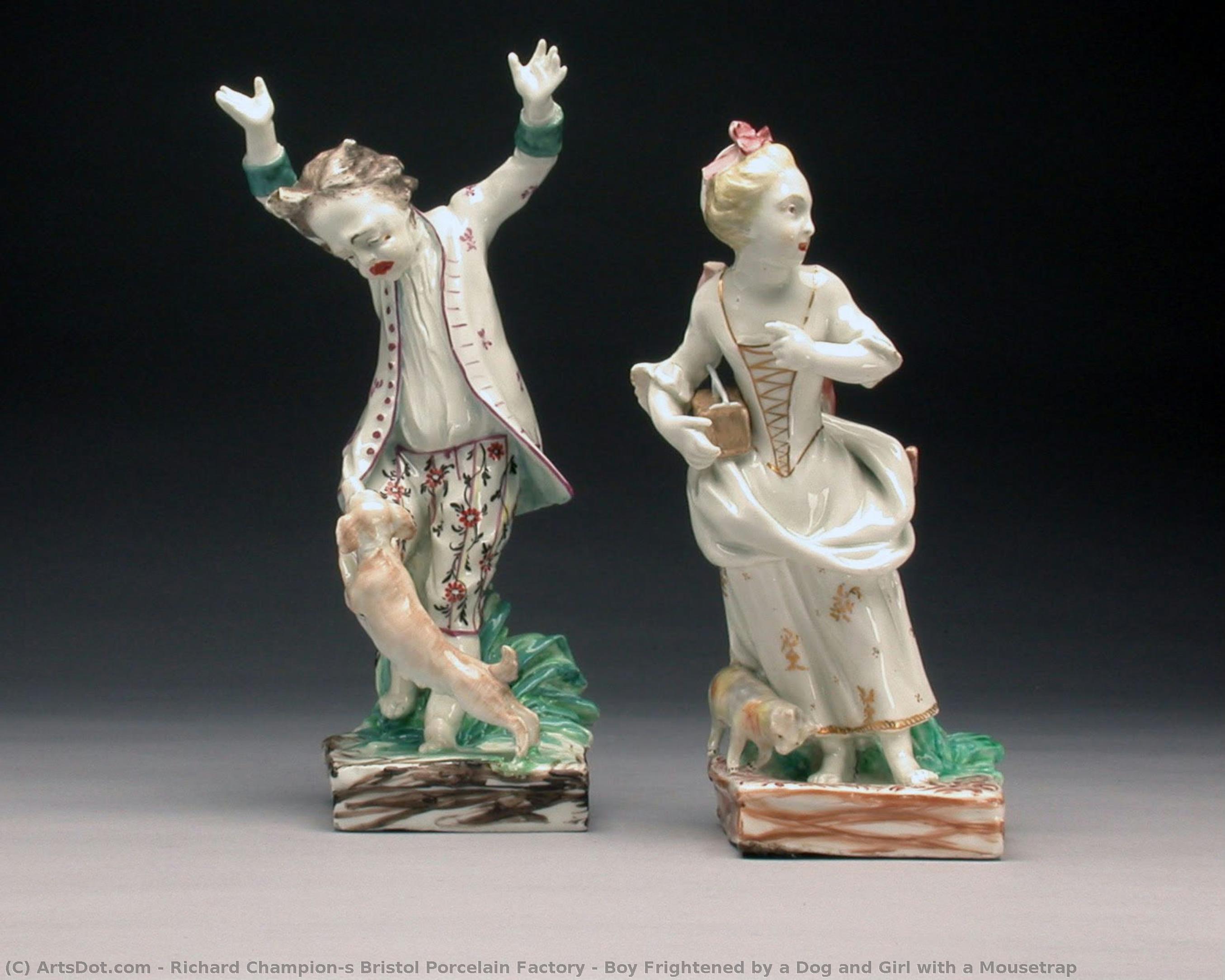
StatsBoy Frightened by a Dog and Girl with a Mousetrap
 1775
1775 22.0 x 9.0 cm
 Gardiner Museum of Ceramic Art
 詳細を見る
詳細を見る
オンラインプレビューをはるかに凌ぐ、高解像度で鮮明なデジタル画像をご購入いただけます。
各ファイルは、社内の専門家が高度なツールと熟練した手作業によるレタッチを用いて、細心の注意を払って準備されています。すべての画像において、卓越した鮮明度、正確な色彩再現性、そして繊細なディテールを保証いたします。
最終ファイルは、プロフェッショナルな編集・印刷環境ですぐにご利用いただけるよう最適化された状態で、72時間以内にメールにてお届けいたします。これは、一流のデザインスタジオ、出版社、ギャラリーから信頼されているものと同等の品質です。
デジタルアート
個人での鑑賞、印刷、クリエイティブなプロジェクト用に、高解像度ファイルをダウンロードできます。 ( Switch to Print 手描きの絵画を購入)
デジタル画像のご注文に付随する特典
高品質なデジタル画像配信を、確かな品質で。
ArtsDot.com を選ぶことは、単に画像を手に入れることではありません。それは、プロの手によって精密に仕上げられ、満足保証が付いた高品質なデジタルアートワークを受け取ることを意味します。ご注文いただいた際に自動的に付随する内容は、以下の通りです:

メールですぐにお届け
ご注文から72時間以内に、高解像度のデジタル画像ファイルがメールでお手元に届きます。すぐにそのままご利用いただけます。

AI技術で最適化されたデジタルファイル
お客様の作品は、高度なAIツールと専門家による手作業の編集を組み合わせてプロフェッショナルに最適化されており、細部のディテール、鮮明さ、そして正確な色再現性を最大限に引き出しています。

一生涯無料の再送サービス
ファイルを誤って削除したり、紛失してしまったりしましたか?ご安心ください。いつでも無料で再送いたします。

輸入手数料は一切かかりません
関税や手数料、配送料を気にすることなく、お気に入りのアートワークをすぐにお楽しみいただけます。デジタルダウンロードは常に免税です。

色彩再現の保証
プロ仕様のツールとカラーマネジメント技術を用いることで、デジタル画像が元の色を最大限に忠実に再現することを保証いたします。

100日間満足保証
ご購入いただいたデジタル画像にご満足いただけない場合は、100日以内であれば、理由を問わず修正または100%の返金対応をさせていただきます。

100% 返金保証
ご満足いただけない場合は、デジタルファイルを受け取ってから100日以内であれば、理由を問わず全額返金いたします。

まとめ買い割引
3枚購入で10%OFF - 5枚購入で15%OFF - 10枚以上購入で20%OFF。クリエイティブなプロジェクト、ギャラリー、エージェンシーに最適です。
関連作品







作家の略歴
The Pioneering Spirit of Richard Champion’s Bristol Porcelain Factory
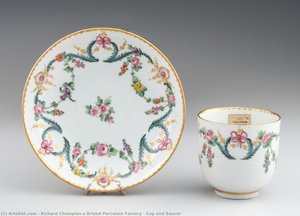
Richard Champion, a name often overshadowed by the delicate beauty of the porcelain he produced, stands as a pivotal figure in the history of English ceramics. His establishment of the Bristol Porcelain Factory in 1770 wasn't merely a commercial venture; it was an ambitious attempt to rival the established dominance of Meissen and Sèvres, bringing sophisticated hard-paste porcelain production to British shores. Champion’s story is one of entrepreneurial zeal, scientific curiosity, and artistic innovation – a fascinating blend that shaped the course of English decorative arts in the late 18th century. Born into a family with strong ties to trade and industry, Champion initially made his fortune as a copper merchant, involved in the transatlantic slave trade, a deeply troubling aspect of his biography that cannot be ignored when assessing his legacy. However, it was his fascination with the secrets of porcelain manufacture – a closely guarded knowledge held by the Chinese for centuries – that ultimately drove him to invest heavily in establishing his own factory on New Temple Street, Bristol. He wasn’t a potter himself, but rather a shrewd businessman who assembled a team of skilled artisans and chemists dedicated to unlocking the formula for true hard-paste porcelain.Early Experiments and the Pursuit of Perfection
The early years of the Bristol Porcelain Factory were marked by intense experimentation. Champion understood that simply replicating existing designs wouldn’t suffice; he aimed to create a porcelain that was not only equal in quality but also uniquely British in its aesthetic. This pursuit led him to employ notable figures like William Cooksey, who would later establish his own successful factory, and chemists dedicated to analyzing the raw materials necessary for achieving translucency, strength, and whiteness – qualities prized in European porcelain. The challenges were immense. Unlike soft-paste porcelains which had been produced in England previously, hard-paste required specific kaolin clay sourced from Cornwall, a material that proved difficult to refine consistently. Champion’s factory initially struggled with consistency, producing pieces that varied in quality. However, through relentless research and refinement of their techniques, they gradually overcame these hurdles. By the late 1770s, Bristol Porcelain had begun to emerge as a serious competitor, celebrated for its delicate forms, vibrant colors, and innovative decoration. The factory’s early successes were built on imitating popular Continental styles – particularly those of Sèvres and Meissen – but Champion encouraged his artists to develop their own distinctive motifs, incorporating English flora and fauna into their designs.Distinctive Styles and Artistic Innovations
Bristol Porcelain quickly distinguished itself through several key characteristics. The factory became renowned for its exquisite gilding, often applied with a lightness and precision that rivaled the best French work. Their use of color was also particularly noteworthy; they developed a unique palette of rich blues, greens, pinks, and purples, achieved through careful experimentation with enamel pigments. Perhaps most significantly, Bristol Porcelain pioneered a style of decoration known as “scale blue,” characterized by finely painted scenes depicting idyllic landscapes and classical figures against a background of shimmering cobalt blue scales. This technique became synonymous with the factory’s output and remains highly sought after by collectors today. The factory also excelled in producing elaborate shapes – teapots, vases, and dessert services – often adorned with intricate molded details and gilded handles. While initially focused on replicating existing forms, Bristol Porcelain artists gradually embraced a more Rococo aesthetic, incorporating flowing lines, asymmetrical designs, and playful motifs into their work. The factory’s commitment to innovation extended beyond decoration; they also experimented with new firing techniques and glaze compositions, constantly striving to improve the quality and durability of their porcelain.Decline and Legacy
Despite its early successes, the Bristol Porcelain Factory faced increasing competition from other English factories – particularly Wedgwood, whose jasperware offered a different but equally popular aesthetic. The economic climate of the late 18th century also proved challenging, with rising raw material costs and fluctuating demand for luxury goods. Richard Champion’s involvement in the slave trade continued to be a source of controversy, impacting his reputation and potentially hindering access to certain markets. By the early 19th century, the factory had fallen into decline, eventually closing its doors in 1813. However, the legacy of Bristol Porcelain endures. The pieces produced during its relatively short lifespan represent a high point in English ceramic art, showcasing exceptional craftsmanship, artistic innovation, and technical skill. Today, Bristol Porcelain is highly prized by collectors worldwide, admired for its delicate beauty, vibrant colors, and distinctive style. The factory’s contribution to the development of English porcelain – particularly its pioneering work with hard-paste formulas and scale blue decoration – remains a testament to Richard Champion’s vision and the dedication of the artisans who worked under his patronage.Historical Significance
The Bristol Porcelain Factory occupies a unique position in the history of English ceramics. It was the first factory in England to consistently produce true hard-paste porcelain, breaking the Continental monopoly on this prestigious material. This achievement not only stimulated competition within the industry but also fostered a new sense of national pride in British craftsmanship. The factory’s innovative decoration techniques – particularly scale blue – became highly influential, inspiring artists and manufacturers across Europe.- Bristol Porcelain played a crucial role in establishing England as a major center for porcelain production.
- The factory’s commitment to experimentation and innovation pushed the boundaries of ceramic art.
- Its distinctive style – characterized by delicate forms, vibrant colors, and intricate gilding – remains highly admired today.
- Despite its relatively short lifespan, Bristol Porcelain left an indelible mark on the history of English decorative arts.
プロフィール概要
- Artistic Movement Or Style: Bristol Porcelain
- Date Of Death: Living
- Full Name: Richard Champion's Bristol Porcelain Factory