

 プレビュー
プレビュー
 プリントを購入
 シェアする
シェアする シェアする
シェアする
 詳細を見る
詳細を見る

 ダウンロード
 似ている作品
 X線調査
X線調査 スライドショー
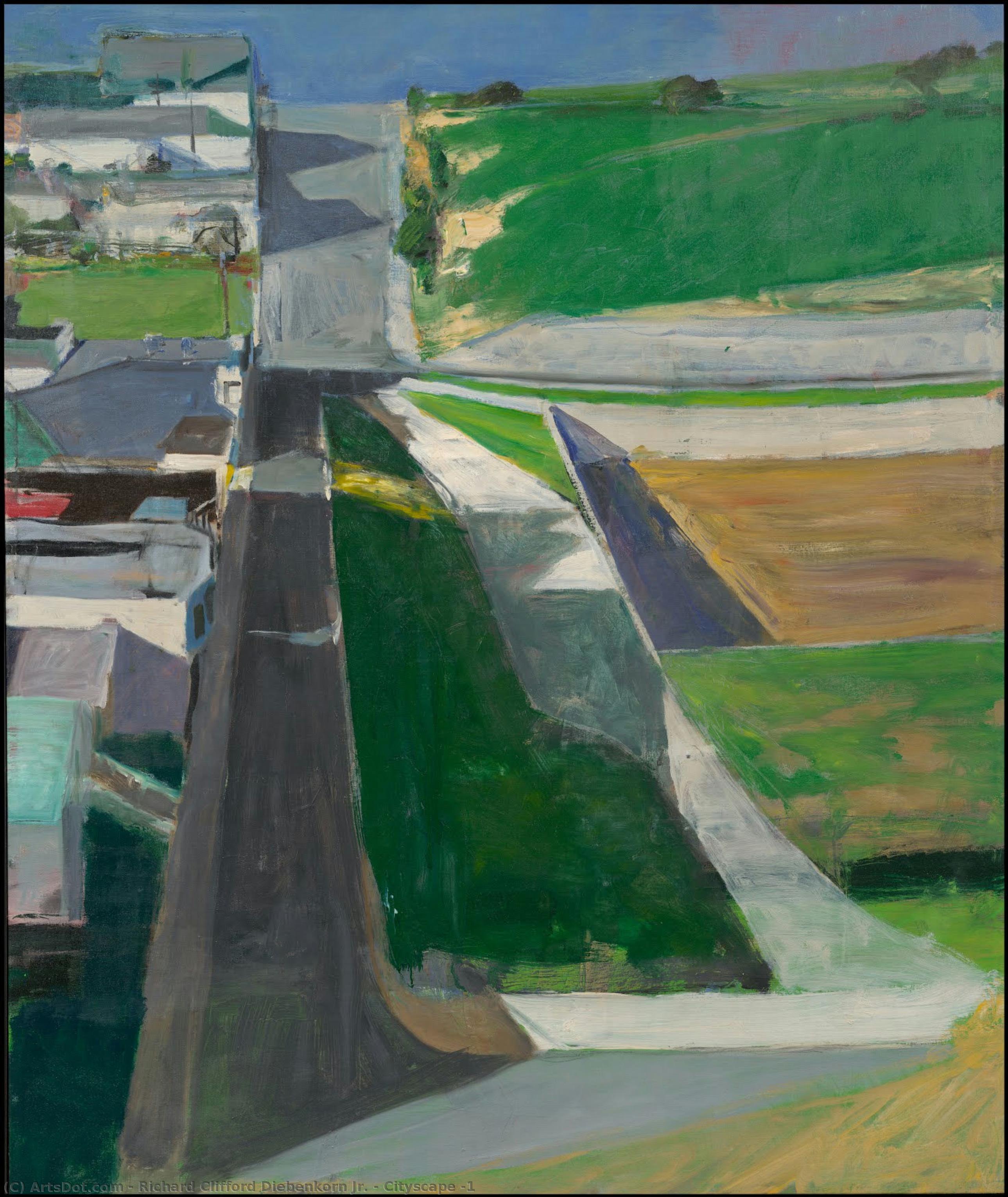
Cityscape #1


 詳細を見る
詳細を見る




P118B $10

P118H $10

P118W $10

P438Z $10

P508JH $12

P508YH $12

P805H $10

P805Z $10

P919BZ $10

P919G $10

P919XJ $10

P959ZH $10

P968JZ $12

W106C $8

W218G $10

W218JH $8

W218Y $10

W307PJ $10

W316G $10

W316PJ $8

W316Y $10

W398PJ $8

W4111J $10

W500HY $15

W500JH $15

W692G $12

W849H $8

W940BG $15

W953PJ $8




作品のオリジナル比率に合わせた、当店の規定サイズからお選びください。

特定のフレームやスペースに合わせて、ご希望のサイズをご入力いただけます。選択されたサイズが元の画像の比率と異なる場合、アートワークをトリミングするか、手描きで要素を追加して絵画を拡張いたします。デジタルモックアップ を制作し、制作開始前にご確認(承認)をいただきます。
画面上のプレビューは、実際のトリミングや拡張を正確に反映しているものではありません。最終的な構図は、モックアップによってのみ正確にご確認いただけます。
カスタムサイズもご利用いただけますが、元の比率を維持するためには、あらかじめ用意されたリストからサイズを選択することをお勧めいたします。
ご注文後、ArtsDot.com チームより詳細な指示をお送りするとともに、仕上がりイメージ(モックアップ)をご提供いたします。


 ガラスオプションは、110cm未満のサイズでのみご利用いただけます。

Cityscape #1
複製技法
複製画のサイズ
-


合計金額
$ 263
作品解説
Richard Diebenkorn’s ‘Cityscape #1’: A California Moment Frozen in Time
Richard Diebenkorn's “Cityscape #1,” painted in 1963, isn’t merely a depiction of Berkeley; it’s a distilled essence of the West Coast experience – a quiet contemplation of light, space, and the subtle shifts between urban and rural. Born in Portland, Oregon, and deeply rooted in California's landscape, Diebenkorn sought to capture not just what he saw, but also the feeling of that particular place: a sense of understated beauty, a hint of melancholy, and an awareness of the ever-present tension between human presence and the natural world. The painting immediately draws the eye with its cool palette – predominantly greens, blues, grays, and whites – reminiscent of a hazy California afternoon. These muted tones aren’t depressing; rather, they create a sense of serenity and distance, inviting the viewer to step back and observe.
Diebenkorn's style during this period represents a fascinating intersection of influences. He was deeply connected to the Bay Area Figurative Movement, a group of artists who explored themes of California life with a blend of realism and abstraction. However, “Cityscape #1” moves beyond simple representation, leaning into a lyrical abstraction that echoes both Post-Impressionism and early Abstract Expressionism. The brushstrokes are visible and deliberate, creating a textured surface that feels almost tactile. Thick impasto is used to build up the earthworks in the foreground, suggesting a sense of weight and solidity while simultaneously hinting at their constructed nature. The simplified forms – the low buildings, the open fields – contribute to a flattened perspective, as if viewed from an elevated vantage point, perhaps even from above the landscape itself.
Geometric Simplicity and Symbolic Weight
A key element of “Cityscape #1” is its geometric structure. The composition is largely horizontal, emphasizing the expansive terrain and creating a feeling of distance. The arrangement of buildings and fields isn’t haphazard; it possesses a deliberate order, suggesting an underlying logic or framework. This geometric simplicity, however, doesn't diminish the painting’s emotional impact. Instead, it amplifies the sense of quiet contemplation. The absence of detail – the buildings are rendered as simple blocks, the fields as broad planes – forces the viewer to focus on the overall mood and atmosphere.
The choice of a street fronted by both low buildings and open fields is particularly significant. It’s a visual metaphor for the duality inherent in California life: the juxtaposition of urban development with the vast, untamed wilderness. The small patch of red earth at the extreme left could be interpreted as a subtle reminder of human intervention – a single point of vibrant color amidst the muted tones, suggesting both potential and disruption. The painting subtly questions the relationship between humanity and nature, inviting reflection on our impact on the environment.
Diebenkorn’s Evolution and the ‘Ocean Park’ Series
“Cityscape #1” is a pivotal work in Diebenkorn's career, marking a shift towards abstraction while retaining a strong connection to his subject matter. It precedes his iconic “Ocean Park” series (1966-1988), which further explored the interplay of geometric forms and lyrical color fields. The ‘Cityscape’ paintings like this one served as a crucial bridge between Diebenkorn's earlier figurative work and his later, more abstract explorations. They demonstrate his ongoing fascination with California landscapes and his ability to translate complex ideas into visually compelling compositions.
Diebenkorn’s legacy extends far beyond the canvas. His paintings are celebrated for their quiet beauty, their emotional resonance, and their profound connection to the spirit of California. “Cityscape #1” stands as a testament to his artistic vision – a timeless depiction of a specific place and time, imbued with layers of meaning and enduring appeal.
Further Exploration & Reproduction
For those seeking a deeper understanding of Richard Diebenkorn’s work, we encourage you to explore the resources provided. The links below offer valuable insights into his life, career, and artistic process:
High-quality reproductions of “Cityscape #1” are available through [Art Source](placeholder link - replace with a real art reproduction vendor). Consider this painting as more than just decoration; it’s an invitation to contemplate the beauty and complexity of California, and the enduring power of art to capture a moment in time.
関連作品



アーティストの略歴
Early Life and Education
- Born: April 22, 1922, Portland, United States of America
- Died: 1993
- Family moved to San Francisco, California when he was two years old.
- Showed artistic talent from a very young age, continually drawing from the age of four or five.
- Attended Stanford University in 1940, where he studied with Victor Arnautoff and Daniel Mendelowitz.
- First exposure to European modernist masters (Cézanne, Picasso, Matisse) through Sarah Stein's home.
Artistic Development and Key Periods
- Early Work (1940s-1950s): Associated with abstract expressionism and the Bay Area figurative movement. Influenced by Robert Motherwell. Experimented with abstraction.
- Bay Area Figurative Movement (1950s-1960s): Shift towards representational work, often depicting women in rooms. This period helped define the Bay Area Figurative Movement.
- Ocean Park Series (Late 1960s - 1980s): A significant turning point; began a series of geometric, lyrical abstract paintings known as the Ocean Park paintings. These works gained him international acclaim. Inspired by visits to the Hermitage in Russia and Matisse's work.
Influences and Artistic Style
- European Modernism: Cézanne, Picasso, and Matisse were major influences from an early age.
- Abstract Expressionism: Robert Motherwell and other abstract expressionists shaped his initial artistic explorations.
- Edward Hopper: His representational work showed influence from Hopper's style.
- Henri Matisse: The pentimenti (traces of underlying pigment) in Matisse’s works at the Hermitage inspired Diebenkorn’s own approach to painting, incorporating intentional “crudities” and a painterly touch.
- Style: Characterized by lyrical abstraction, geometric forms, vibrant color palettes, and expressive brushwork. His Ocean Park paintings are known for their sense of depth and spatial complexity.
Major Achievements and Legacy
- The Ocean Park series is considered his most important contribution to American art.
- His work helped bridge the gap between abstract expressionism and later developments in abstract painting.
- Diebenkorn's paintings are featured in major museum collections worldwide, including the Museum of Modern Art (MoMA) in New York City and the San Francisco Museum of Modern Art (SFMOMA).
- He is recognized as one of the premier American painters of the postwar era.
- His legacy continues to inspire artists and influence contemporary art practices.
Historical Significance
- Pivotal Figure in Bay Area Figurative Movement: Played a key role in establishing this influential artistic movement.
- Transitional Artist: Successfully transitioned between representational and abstract styles, demonstrating versatility and innovation.
- Contribution to American Abstraction: His Ocean Park paintings significantly contributed to the development of lyrical abstraction in America.
- Influence on Subsequent Generations: Diebenkorn's work has had a lasting impact on artists exploring color, form, and spatial relationships in abstract painting.
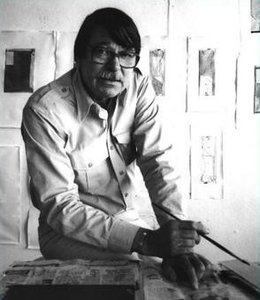
richard clifford diebenkorn jr.
1922 - 1993 , United States of America
基本情報
- Artistic Movement Or Style:
- Abstract Expressionism
- Bay Area Figurative
- Lyrical Abstraction
- Artists Who Influenced This Artist:
- Cézanne
- Picasso
- Matisse
- Hopper
- Motherwell
- Date Of Birth: April 22, 1922
- Date Of Death: March 30, 1993
- Full Name: Richard Clifford Diebenkorn Jr.
- Nationality: American
- Notable Artworks:
- Ocean Park Series
- Cityscape #1
- Place Of Birth: Portland, United States
関連記事
Franz Bischoff: Bridging Tonalism & Impressionism in California Landscape Painting
Explore the captivating art of Franz Bischoff, a pivotal figure bridging Tonalism & California Impressionism. Discover his stunning landscapes, floral works, and lasting legacy with ArtsDot.

ポール・セザンヌ:至高の25選 - 傑作と革新の軌跡 | ArtsDot
ポール・セザンヌの至高の25選。ポスト印象派を代表する画家、セザンヌの傑作と革新的な技法を紐解きます。ArtsDotで高品質な複製画やインテリアアートを見つけ、芸術の世界をご自宅に。今すぐコレクションをご覧ください。

Evocations of Place: A Historical Journey Through Landscape Art
Explore the rich history of landscape art with ArtsDot. Discover renowned artists, movements like Impressionism & Romanticism, and expert guidance for collecting timeless pieces. Find your perfect serene escape today!

Evocations of Place: A Historical Journey Through Landscape Art
Explore the rich history of landscape art with ArtsDot. Discover renowned artists, movements like Impressionism & tonalism, and expert guidance for collecting timeless pieces. Find your perfect serene escape today!

Impressionistic Landscapes: 10 Masterpieces That Changed Art & Decor
Journey into the heart of Impressionism! Explore 10 masterpieces by Monet, Renoir & Degas that revolutionized landscape art. Discover their stories, techniques & find museum-quality reproductions to elevate your home decor on ArtsDot.com.

