

 プレビュー
プレビュー
 プリントを購入
 シェアする
シェアする シェアする
シェアする
 詳細を見る
詳細を見る

 ダウンロード
 似ている作品
 X線調査
X線調査 スライドショー
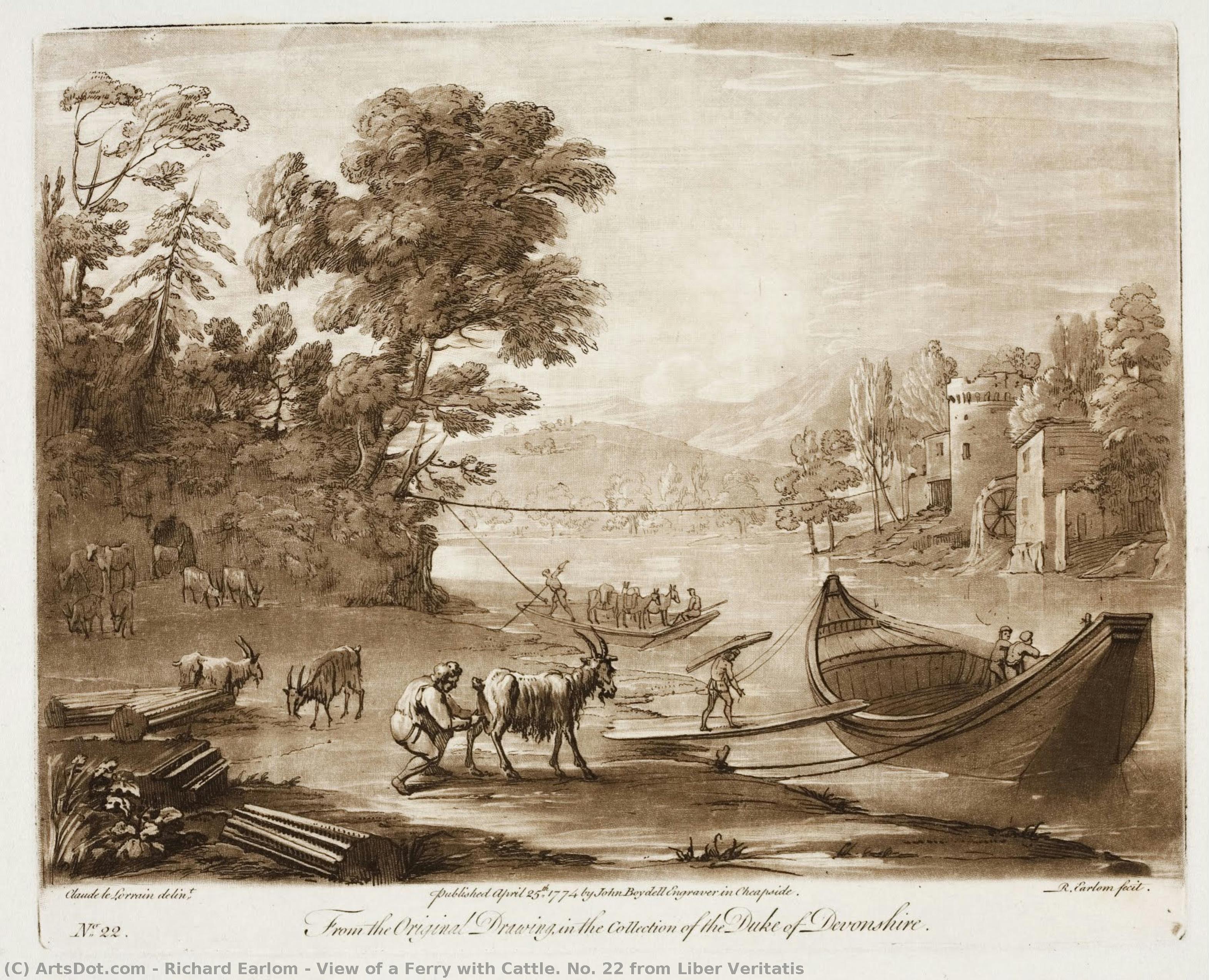
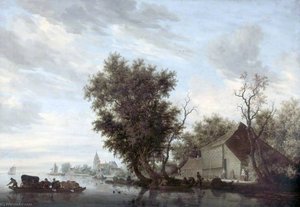
View of a Ferry with Cattle. No. 22 from Liber Veritatis


 詳細を見る
詳細を見る
オンラインプレビューをはるかに凌ぐ、高解像度で鮮明なデジタル画像をご購入いただけます。
各ファイルは、社内の専門家が高度なツールと熟練した手作業によるレタッチを用いて、細心の注意を払って準備されています。すべての画像において、卓越した鮮明度、正確な色彩再現性、そして繊細なディテールを保証いたします。
最終ファイルは、プロフェッショナルな編集・印刷環境ですぐにご利用いただけるよう最適化された状態で、72時間以内にメールにてお届けいたします。これは、一流のデザインスタジオ、出版社、ギャラリーから信頼されているものと同等の品質です。
デジタル画像のご注文に付随する特典
高品質なデジタル画像配信を、確かな品質で。
ArtsDot.com を選ぶことは、単に画像を手に入れることではありません。それは、プロの手によって精密に仕上げられ、満足保証が付いた高品質なデジタルアートワークを受け取ることを意味します。ご注文いただいた際に自動的に付随する内容は、以下の通りです:

メールですぐにお届け
ご注文から72時間以内に、高解像度のデジタル画像ファイルがメールでお手元に届きます。すぐにそのままご利用いただけます。

AI技術で最適化されたデジタルファイル
お客様の作品は、高度なAIツールと専門家による手作業の編集を組み合わせてプロフェッショナルに最適化されており、細部のディテール、鮮明さ、そして正確な色再現性を最大限に引き出しています。

一生涯無料の再送サービス
ファイルを誤って削除したり、紛失してしまったりしましたか?ご安心ください。いつでも無料で再送いたします。

輸入手数料は一切かかりません
関税や手数料、配送料を気にすることなく、お気に入りのアートワークをすぐにお楽しみいただけます。デジタルダウンロードは常に免税です。

色彩再現の保証
プロ仕様のツールとカラーマネジメント技術を用いることで、デジタル画像が元の色を最大限に忠実に再現することを保証いたします。

60日間満足保証
ご購入いただいたデジタル画像にご満足いただけない場合は、60日以内であれば、修正または100%の返金(理由を問う必要はありません)をさせていただきます。

100% 返金保証
ご満足いただけない場合は、デジタルファイルを受け取ってから60日以内であれば、理由を問わず全額返金いたします。

まとめ買い割引
3枚購入で10%OFF - 5枚購入で15%OFF - 10枚以上購入で20%OFF。クリエイティブなプロジェクト、ギャラリー、エージェンシーに最適です。
A Pastoral Symphony in Monochrome
In the quietude of View of a Ferry with Cattle. No. 22 from Liber Veritatis, we are transported to a bygone era of rhythmic, rural tranquility. This evocative work captures a fleeting moment of pastoral life, where the boundaries between man, beast, and nature blur into a singular, harmonious composition. The scene unfolds along a river crossing, centered around a sturdy ferry boat laden with the heavy, patient presence of cattle. As the vessel navigates the gentle currents, the viewer is invited to witness the slow, deliberate choreography of a landscape in motion. There is an undeniable charm in the way the artist depicts the figures guiding the livestock; their labor is not portrayed as a struggle against nature, but rather as a seamless integration into the seasonal pulse of the countryside.
The composition is masterfully balanced, utilizing the interplay of light and shadow to create depth within its monochromatic palette. The presence of horses—one positioned near the heart of the scene and another toward the periphery—adds a layer of dynamic energy to the otherwise still atmosphere. Through delicate linework and tonal graduations, the artist breathes life into the textures of the water, the coarse coats of the animals, and the soft, atmospheric haze that hangs over the distant riverbanks. For the discerning collector or interior designer, this piece offers a sophisticated focal point that brings a sense of timelessness and classical elegance to any curated space.
The Artistry of the Veduta Tradition
Rooted in the tradition of veduta—the art of topographical landscape painting—this work reflects the profound influence of the 18th-century fascination with capturing specific, atmospheric locales. While the artist, Richard Earlom, was a master of detail, his true genius lies in his ability to evoke an emotional resonance that transcends mere documentation. The technique employed here suggests a deep reverence for the classical masters, utilizing a structured approach to light that directs the eye through the layers of the landscape, from the immediate foreground cattle to the receding silhouettes of the far shore.
The absence of color serves a profound symbolic purpose, stripping away the distractions of hue to focus the viewer's attention on form, structure, and the raw essence of the subject matter. This monochromatic approach lends the painting an archival, almost nostalgic quality, as if we are peering through a window into a lost, idyllic world. It is a piece that speaks to the soul of those who find beauty in simplicity and strength in subtlety. Whether placed in a sunlit gallery or a moody, contemporary study, this reproduction serves as a testament to the enduring power of the pastoral ideal, offering an escape into a landscape defined by peace, purpose, and profound grace.
関連作品

作家の略歴
Nicolas Lancret: A Master of Parisian Fête Galante
Nicolas Lancret, born in Paris in 1690 and passing away there in 1743, stands as a pivotal figure within the vibrant world of French art during the late Baroque and early Rococo periods. While often overshadowed by the more celebrated Watteau, Lancret’s contribution to the *fête galante* genre is undeniable – he possessed a unique ability to capture the languid beauty and playful atmosphere of aristocratic leisure with remarkable precision and charm. His work isn't characterized by dramatic narratives or profound emotion; instead, it offers a delicate glimpse into the refined pleasures of the French court, filled with graceful figures, idyllic landscapes, and an exquisite attention to detail. Lancret’s artistic journey began under the tutelage of Claude Gillot, a respected painter who had previously instructed Watteau. This lineage immediately established Lancret within a circle deeply influenced by Watteau's innovative approach to depicting aristocratic life. However, Lancret quickly developed his own distinct style, one that leaned towards a more restrained elegance and a heightened sense of naturalism compared to Watteau’s often fantastical elements. He was formally admitted to the Académie Royale in 1719 as a painter of *fêtes galantes*, a category specifically created for Watteau just two years prior, signifying the court's desire to cultivate an artistic style reflecting the prevailing trends of aristocratic entertainment. His paintings weren’t grand historical scenes or religious allegories; they were intimate portrayals of picnics, hunts, and leisurely gatherings – moments of idyllic beauty designed to evoke a sense of refined pleasure. Lancret’s technical skill is immediately apparent in his meticulous rendering of fabrics, foliage, and the subtle nuances of light and shadow. He was particularly adept at capturing the textures of silk gowns and velvet cushions, imbuing them with an almost tactile quality. His landscapes are equally impressive, showcasing a keen understanding of perspective and color theory. He avoided overly dramatic compositions, favoring instead a balanced arrangement of figures and elements that created a harmonious and visually pleasing whole. Despite being considered “prosaic” by some critics compared to Watteau’s more flamboyant style, Lancret's work possesses an undeniable charm and a remarkable ability to transport the viewer to a world of understated elegance and refined enjoyment. His career was successful, reflecting his talent and the court’s appreciation for his distinctive vision.The Influence of Watteau and the Rise of *Fête Galante*
Understanding Lancret's work requires acknowledging its deep connection to the legacy of Jean-Honoré Watteau. Watteau essentially invented the *fête galante*, a genre that depicted scenes of aristocratic leisure, often set in idyllic landscapes or during outdoor festivities. He established conventions – graceful figures in flowing gowns, delicate floral arrangements, and a general atmosphere of dreamy beauty – which Lancret wholeheartedly embraced. However, Lancret didn’t simply imitate Watteau; he subtly refined and adapted the style to his own sensibilities. While Watteau frequently incorporated fantastical elements and mythological references, Lancret tended towards a more grounded realism, focusing on capturing the genuine pleasures of courtly life. The *fête galante* genre itself was a product of its time – the late 18th century in France – reflecting a shift away from the grandeur of the Baroque period and toward a greater emphasis on pleasure, leisure, and the refinement of taste. It was a deliberate attempt to portray the aristocracy not as warriors or saints, but as individuals enjoying the simple pleasures of life. Lancret’s paintings perfectly embody this ethos, offering a glimpse into a world where beauty, grace, and refined enjoyment were paramount. The genre's popularity reflected a broader cultural shift towards valuing aesthetic experience and cultivating a sophisticated sensibility.Nicolai Abildgaard: A Danish Master Inspired by Lancret
Moving across the continent to Denmark, we encounter Nicolai Abildgaard (1743-1809), a painter whose work demonstrates a clear debt to both Lancret and Watteau. Abildgaard, a Royal Danish Academy professor, was deeply influenced by the French *fête galante* tradition, particularly the works of Lancret. His paintings often feature similar themes – elegant figures in idyllic settings, delicate color palettes, and an emphasis on capturing the beauty of nature. However, Abildgaard’s style is characterized by a greater sense of drama and emotional intensity than that of Lancret. He employed bolder brushstrokes and more dramatic lighting to create a heightened sense of atmosphere and evoke powerful emotions. Abildgaard's travels to Italy provided him with invaluable artistic experience, exposing him to the works of classical masters and inspiring him to develop his own unique style. He was particularly drawn to the landscapes of the Italian countryside, which he frequently incorporated into his paintings. His work reflects a fascination with mythology and folklore, often depicting scenes from ancient Greek and Roman legends. While Abildgaard’s artistic vision differed significantly from Lancret's, both artists shared a commitment to capturing the beauty of nature and portraying the pleasures of aristocratic life – a testament to the enduring influence of the *fête galante* genre.Lancret’s Legacy: A Subtle Master of Parisian Elegance
Nicolas Lancret’s contribution to French art is often understated, overshadowed by the more flamboyant figures of Watteau and Boucher. However, his meticulous technique, refined sensibility, and ability to capture the essence of *fête galante* have secured his place as a significant artist of the Rococo period. His paintings offer a delicate and intimate glimpse into the world of Parisian aristocracy, revealing a sophisticated appreciation for beauty, grace, and the simple pleasures of life. Lancret’s legacy lies not in grand gestures or dramatic narratives, but in the quiet elegance and understated charm of his *fêtes galantes*, which continue to delight viewers today with their exquisite detail and timeless appeal. His work serves as a reminder that true artistry often resides in the subtle nuances of observation and the ability to capture the essence of a moment – a lesson echoed throughout the history of art.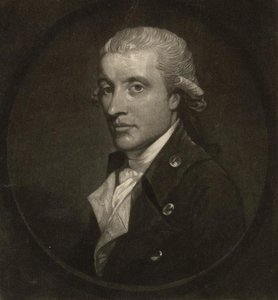
richard earlom
1743 - 1822

