

 シェアする
シェアする シェアする
シェアする
 詳細を見る
詳細を見る

 ダウンロード
 似ている作品
 スライドショー
 Stats
StatsAutumn Ensemble - exhibition graphic


 詳細を見る
詳細を見る
ジークレー/アートプリント
迅速な制作と多彩な仕上げオプションを備えた、ミュージアムクオリティのジークレーまたはキャンバスプリント。 ( 手描きの絵画を購入 Switch to Digital Image)




































作品のオリジナル比率に合わせた、当店の規定サイズからお選びください。

特定のフレームやスペースに合わせて、ご自身でサイズを指定することも可能です。選択されたサイズが元の画像の比率と一致しない場合、作品をトリミングするか、鏡面反射または単色での塗りつぶしによって画像を拡張いたします。制作を開始する前に、ご確認用のデジタルモックアップをお送りいたします。
画面上のプレビューには、実際のトリミングや拡張は反映されませんのでご注意ください。最終的な構図を正確に確認できるのは、モックアップのみとなります。
カスタムサイズも承っておりますが、元の比率を維持するためには、あらかじめ用意されたリストからサイズを選択することをお勧めいたします。


 ガラスオプションは、110cm未満のサイズでのみご利用いただけます。

Autumn Ensemble - exhibition graphic
ジークレー/アートプリント
複製画のサイズ
-


合計金額
$ 62
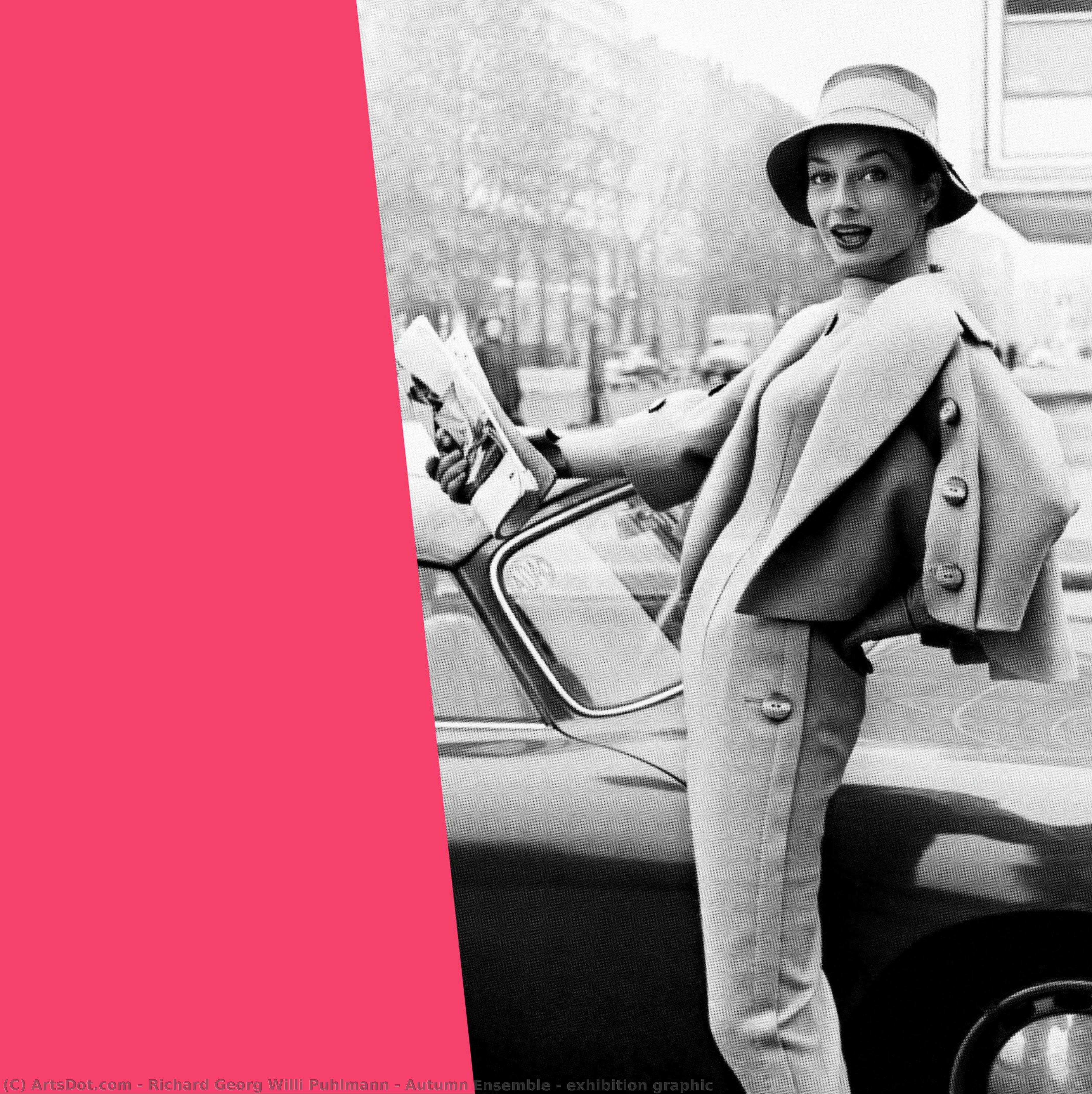
A Moment Frozen in Time: Richard Puhlmann’s “Autumn Ensemble”
Richard Georg Willi Puhlmann's "Autumn Ensemble" is more than just a photograph; it’s a carefully constructed tableau of mid-20th century urban life, imbued with the quiet drama and subtle beauty that defined the artist’s singular vision. Executed in stark black and white, the image captures a woman – seemingly detached yet undeniably present – standing beside a parked automobile on an unspecified street. The composition immediately draws the eye to her, a solitary figure holding a newspaper, a gesture simultaneously familiar and slightly melancholic. This photograph, created by Puhlmann during his career as a fashion photographer, offers a poignant glimpse into a world transitioning between war’s aftermath and burgeoning consumerism, a period ripe with social and aesthetic shifts.
The Artist's Vision: Rico Puhlmann and the Berlin School
Born in Berlin in 1934, Richard Georg Willi Puhlmann’s artistic journey was profoundly shaped by his early experiences. His role as a child actor in “Front Theatre” (1942) instilled within him an acute awareness of visual storytelling – a skill he would later translate into his photographic work. His formal training at the Berlin University of the Arts, from 1951 to 1955, solidified his foundation in fashion illustration and broader artistic concepts, allowing him to develop a distinctive style characterized by a meticulous attention to detail and an ability to evoke atmosphere with remarkable precision. Puhlmann’s work aligns with the broader “Berlin School” of photography – known for its documentary realism combined with a heightened sense of aesthetic sensibility, often exploring themes of urban alienation and the complexities of modern life.
Technique and Composition: A Study in Contrast
The photograph's power lies largely in Puhlmann’s masterful manipulation of light and shadow. The stark black and white palette amplifies the sense of isolation and emphasizes the textures – the worn fabric of the woman’s coat, the glossy surface of the car, the crisp lines of the newspaper. The composition itself is carefully balanced, utilizing leading lines to draw the viewer's eye through the scene. The inclusion of other figures—a man in the center and another on the right—adds a layer of narrative complexity, suggesting an unseen story unfolding within this frozen moment. The strategically placed traffic lights serve not just as background elements but also subtly reinforce the theme of urban movement and transition.
Symbolism and Emotional Resonance
"Autumn Ensemble" transcends a simple snapshot; it’s a meditation on themes of solitude, observation, and the transient nature of time. The woman's posture – upright yet contemplative – suggests a quiet introspection. The newspaper she holds could represent a connection to information or perhaps a futile attempt to find meaning in a rapidly changing world. The car, a symbol of mobility and progress, stands as a counterpoint to her stillness. Ultimately, the photograph evokes a sense of nostalgia and invites viewers to contemplate their own relationship with memory, place, and the passage of time. This piece is a testament to Puhlmann’s ability to capture not just an image, but an entire mood.
関連作品
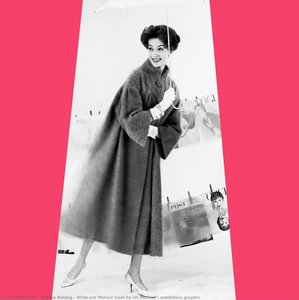
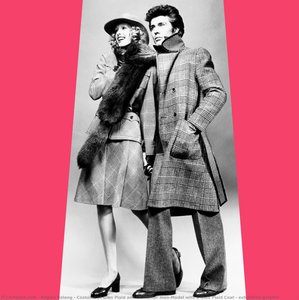
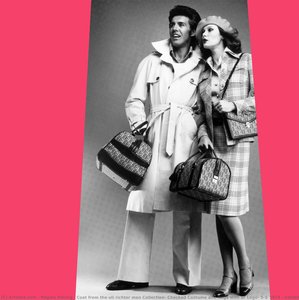
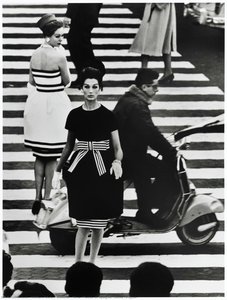
アーティストの略歴
The Visionary Lens of Rico Puhlmann
Born in the transformative atmosphere of Berlin in 1934, Richard Georg Willi Puhlmann—known to the world by his evocative moniker, Rico Puhlmann—emerged as a defining voice in the golden age of fashion photography. His journey into the visual arts began not with a camera, but through the dramatic lens of performance; as a child actor appearing in Front Theatre in 1942, he developed an early, profound understanding of narrative and presence. This foundational connection to storytelling would later become the heartbeat of his photographic work, allowing him to transform static fashion plates into cinematic moments of profound emotion and grace.
Puhlmann’s formal artistic evolution took shape at the Berlin University of the Arts between 1951 and 1955. During these formative years, he immersed himself in the disciplines of fashion illustration and art history, honing a meticulous eye for line, form, and composition. Before he became a master of light and shadow, he was a celebrated graphic designer, contributing his illustrative talents to prominent European publications such as Constanze, Burda, and Vogue Paris. This period of graphic experimentation proved vital, as it instilled in him a sophisticated grasp of negative space and structural balance that would later distinguish his photographic compositions from the mere documentation of clothing.
A Master of Light and Surrealism
As Puhlmann transitioned from illustration to photography, his style blossomed into a unique synthesis of German Expressionism and the high-glamour aesthetic of French Vogue. His work was never merely about the garment; it was about the atmosphere surrounding it. He possessed an uncanny ability to blend stark realism with dreamlike, almost surrealist imagery, utilizing dramatic lighting to sculpt his subjects. By embracing unconventional compositions and a masterful use of shadow, he elevated fashion photography into a fine art form that captured the psychological depth of his models.
His career reached new heights of international prestige following his move to New York in 1970. In the bustling heart of the global fashion capital, Puhlmann became a permanent fixture in the pages of the world's most influential magazines, including:
- Harper’s Bazaar
- Glamour
- GQ
- The New York Times
- Vogue
Through these platforms, he shaped the visual language of several decades. His lens captured the essence of icons such as Isabella Rossellini, Cindy Crawford, Naomi Campbell, and Cheryl Tiegs, imbuing their portraits with a sense of timeless sophistication. Beyond editorial work, his influence extended into the realm of high-end advertising, where he directed legendary campaigns for prestigious fashion houses such as Fendi, Emanuel Ungaro, Calvin Klein, and Donna Karan.
Legacy and Eternal Elegance
The historical significance of Rico Puhlmann lies in his ability to bridge the gap between the commercial and the avant-garde. He did not simply photograph trends; he documented the cultural shifts of the mid-to-late 20th century, capturing the transition from the structured elegance of the post-war era to the bold, pop-art influences of the 1960s and beyond. His work remains a vital archive of fashion history, reflecting the changing silhouettes, textures, and social energies of his time.
Tragically, Puhlmann’s life was cut short in 1996 when he perished in a plane crash while en route to Paris on assignment. Yet, his artistic spirit remains undiminished. Through the preservation of his extensive archive, his vision continues to inspire new generations of photographers and historians alike. His legacy is one of unparalleled beauty—a testament to a man who saw the world not just as it was, but as a canvas for the extraordinary.
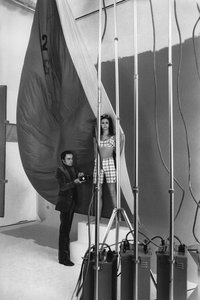
richard georg willi puhlmann
1934 - 1996 , Germany
基本情報
- Artistic Movement Or Style: Fashion photography
- Artists Or Movements Influenced By This Artist: ['Fashion Illustration']
- Artists Who Influenced This Artist:
- German Expressionism
- French Vogue
- American Harper's Bazaar
- Date Of Birth: June 25, 1934
- Date Of Death: July 17, 1996
- Full Name: Richard Georg Willi Puhlmann
- Nationality: German
- Notable Artworks:
- Autumn ensemble - exhibition graphic
- Shot of uli richter men’s fashion for the magazine Constanze Mode
- Ensemble with kimono-styled jacket - exhibition graphic
- Place Of Birth: Berlin, Germany
関連記事

White on Canvas: 10 Masterpieces & Timeless Elegance for Your Home Decor
Explore 10 iconic white paintings by Monet, Whistler & Rothko! Discover the stories behind these serene masterpieces and their impact on art history. Find museum-quality reproductions for your home decor at .

Giclée Prints: Archival Quality & Aesthetic Nuances for the Discerning Collector
Explore the world of giclée prints with ArtsDot. Learn about archival quality, aesthetic nuances & investment potential. Expert guidance for discerning art collectors seeking museum-quality reproductions and lasting value.
Beyond the Lens: Photography's Enduring Influence on Modern & Contemporary Art
Explore photography's pivotal role in shaping modern & contemporary art. Discover key movements, influential artists like Stieglitz, and expert collecting advice from ArtsDot.

Monochrome Visions: Exploring the Aesthetic & Historical Significance of Black & White Photography
Explore the rich history & artistic power of black and white photography. From early techniques to iconic masters like Ansel Adams, discover why monochrome continues to captivate art lovers today. Expert insights for collectors.

Pictorialism: A Search for Artistic Photography's Soul – Aesthetics, Techniques & Legacy
Explore the captivating world of Pictorialism – a pivotal movement that transformed photography into fine art. Discover key artists like Stieglitz & Käsebier, techniques, and collecting tips from experts.