

 プレビュー
プレビュー
 シェアする
シェアする シェアする
シェアする
 詳細を見る
詳細を見る

 ダウンロード
 似ている作品
 X線調査
X線調査 スライドショー
 Stats
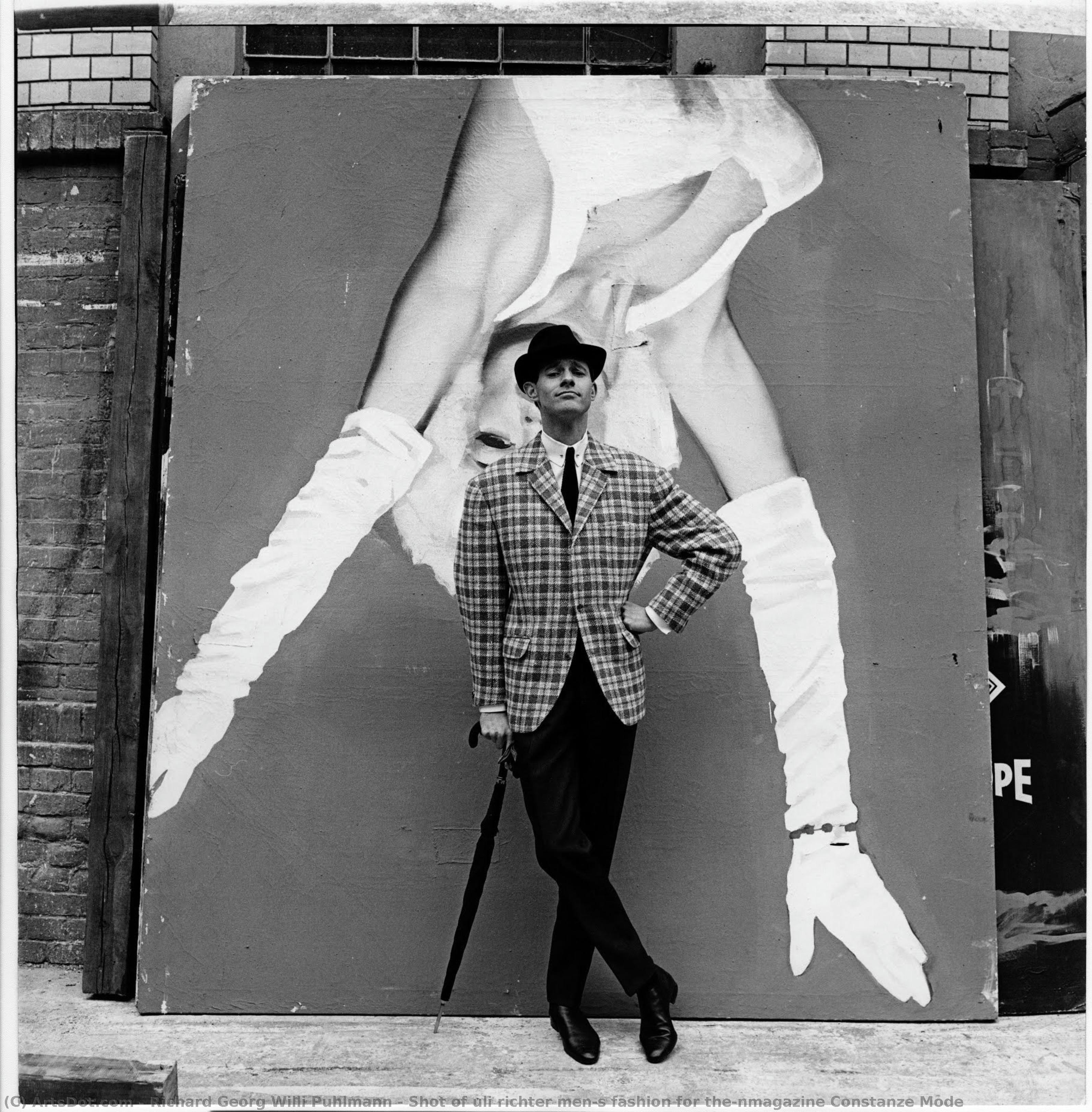
StatsShot of uli richter men’s fashion for the\nmagazine Constanze Mode


 詳細を見る
詳細を見る
手描き油彩複製画
当社のアーティストが、お客様のご希望のサイズと額縁に合わせて、キャンバスに手描きで制作する油彩画です。 ( Switch to Print Switch to Digital Image)




































作品のオリジナル比率に合わせた、当店の規定サイズからお選びください。

特定のフレームやスペースに合わせて、ご希望のサイズをご入力いただけます。選択されたサイズが元の画像の比率と異なる場合、アートワークをトリミングするか、手描きで要素を追加して絵画を拡張いたします。デジタルモックアップ を制作し、制作開始前にご確認(承認)をいただきます。
画面上のプレビューは、実際のトリミングや拡張を正確に反映しているものではありません。最終的な構図は、モックアップによってのみ正確にご確認いただけます。
カスタムサイズもご利用いただけますが、元の比率を維持するためには、あらかじめ用意されたリストからサイズを選択することをお勧めいたします。
ご注文後、ArtsDot.com チームより詳細な指示をお送りするとともに、仕上がりイメージ(モックアップ)をご提供いたします。


 ガラスオプションは、110cm未満のサイズでのみご利用いただけます。

Shot of uli richter men’s fashion for the\nmagazine Constanze Mode
複製技法
複製画のサイズ
-


合計金額
$ 263
関連作品
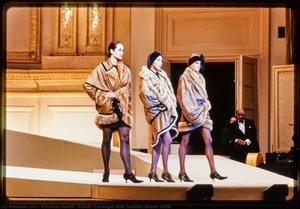
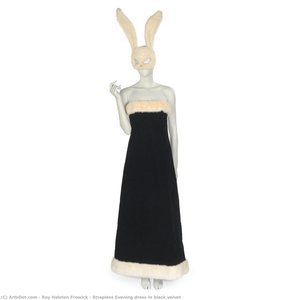
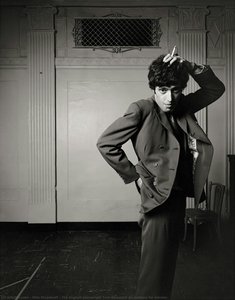
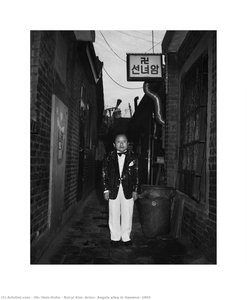
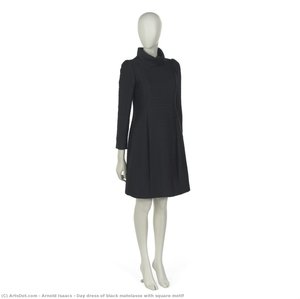
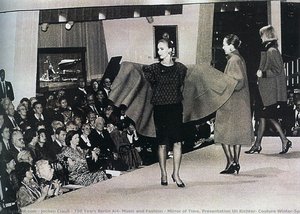
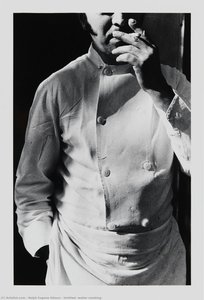
アーティストの略歴
The Visionary Lens of Rico Puhlmann
Born in the transformative atmosphere of Berlin in 1934, Richard Georg Willi Puhlmann—known to the world by his evocative moniker, Rico Puhlmann—emerged as a defining voice in the golden age of fashion photography. His journey into the visual arts began not with a camera, but through the dramatic lens of performance; as a child actor appearing in Front Theatre in 1942, he developed an early, profound understanding of narrative and presence. This foundational connection to storytelling would later become the heartbeat of his photographic work, allowing him to transform static fashion plates into cinematic moments of profound emotion and grace.
Puhlmann’s formal artistic evolution took shape at the Berlin University of the Arts between 1951 and 1955. During these formative years, he immersed himself in the disciplines of fashion illustration and art history, honing a meticulous eye for line, form, and composition. Before he became a master of light and shadow, he was a celebrated graphic designer, contributing his illustrative talents to prominent European publications such as Constanze, Burda, and Vogue Paris. This period of graphic experimentation proved vital, as it instilled in him a sophisticated grasp of negative space and structural balance that would later distinguish his photographic compositions from the mere documentation of clothing.
A Master of Light and Surrealism
As Puhlmann transitioned from illustration to photography, his style blossomed into a unique synthesis of German Expressionism and the high-glamour aesthetic of French Vogue. His work was never merely about the garment; it was about the atmosphere surrounding it. He possessed an uncanny ability to blend stark realism with dreamlike, almost surrealist imagery, utilizing dramatic lighting to sculpt his subjects. By embracing unconventional compositions and a masterful use of shadow, he elevated fashion photography into a fine art form that captured the psychological depth of his models.
His career reached new heights of international prestige following his move to New York in 1970. In the bustling heart of the global fashion capital, Puhlmann became a permanent fixture in the pages of the world's most influential magazines, including:
- Harper’s Bazaar
- Glamour
- GQ
- The New York Times
- Vogue
Through these platforms, he shaped the visual language of several decades. His lens captured the essence of icons such as Isabella Rossellini, Cindy Crawford, Naomi Campbell, and Cheryl Tiegs, imbuing their portraits with a sense of timeless sophistication. Beyond editorial work, his influence extended into the realm of high-end advertising, where he directed legendary campaigns for prestigious fashion houses such as Fendi, Emanuel Ungaro, Calvin Klein, and Donna Karan.
Legacy and Eternal Elegance
The historical significance of Rico Puhlmann lies in his ability to bridge the gap between the commercial and the avant-garde. He did not simply photograph trends; he documented the cultural shifts of the mid-to-late 20th century, capturing the transition from the structured elegance of the post-war era to the bold, pop-art influences of the 1960s and beyond. His work remains a vital archive of fashion history, reflecting the changing silhouettes, textures, and social energies of his time.
Tragically, Puhlmann’s life was cut short in 1996 when he perished in a plane crash while en route to Paris on assignment. Yet, his artistic spirit remains undiminished. Through the preservation of his extensive archive, his vision continues to inspire new generations of photographers and historians alike. His legacy is one of unparalleled beauty—a testament to a man who saw the world not just as it was, but as a canvas for the extraordinary.
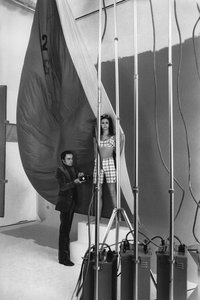
richard georg willi puhlmann
1934 - 1996 , Germany
基本情報
- Artistic Movement Or Style: Fashion photography
- Artists Or Movements Influenced By This Artist: ['Fashion Illustration']
- Artists Who Influenced This Artist:
- German Expressionism
- French Vogue
- American Harper's Bazaar
- Date Of Birth: June 25, 1934
- Date Of Death: July 17, 1996
- Full Name: Richard Georg Willi Puhlmann
- Nationality: German
- Notable Artworks:
- Autumn ensemble - exhibition graphic
- Shot of uli richter men’s fashion for the magazine Constanze Mode
- Ensemble with kimono-styled jacket - exhibition graphic
- Place Of Birth: Berlin, Germany
関連記事

Pictorialism: A Search for Artistic Photography's Soul – Aesthetics, Techniques & Legacy
Explore the captivating world of Pictorialism – a pivotal movement that transformed photography into fine art. Discover key artists like Stieglitz & Käsebier, techniques, and collecting tips from experts.

Dark Masterpieces: 10 Iconic Paintings Dominated by Black Tones |
Explore 10 iconic paintings dominated by black tones, from Rembrandt’s chiaroscuro to Goya's dark expressions. Discover the stories behind these masterpieces & find museum-quality art reproductions for your home at .
Beyond the Lens: Photography's Enduring Influence on Modern & Contemporary Art
Explore photography's pivotal role in shaping modern & contemporary art. Discover key movements, influential artists like Stieglitz, and expert collecting advice from ArtsDot.
Witnessing History Through Lens & Light: Documentary Photography's Enduring Legacy
Explore the powerful history of documentary photography – from its origins to contemporary masters like Gordon Parks & W. Eugene Smith. Discover how this art form shapes our understanding of society and witness pivotal moments in time.

Monochrome Visions: Exploring the Aesthetic & Historical Significance of Black & White Photography
Explore the rich history & artistic power of black and white photography. From early techniques to iconic masters like Ansel Adams, discover why monochrome continues to captivate art lovers today. Expert insights for collectors.