

 プレビュー
プレビュー
 シェアする
シェアする シェアする
シェアする
 詳細を見る
詳細を見る

 ダウンロード
 似ている作品
 X線調査
X線調査 スライドショー
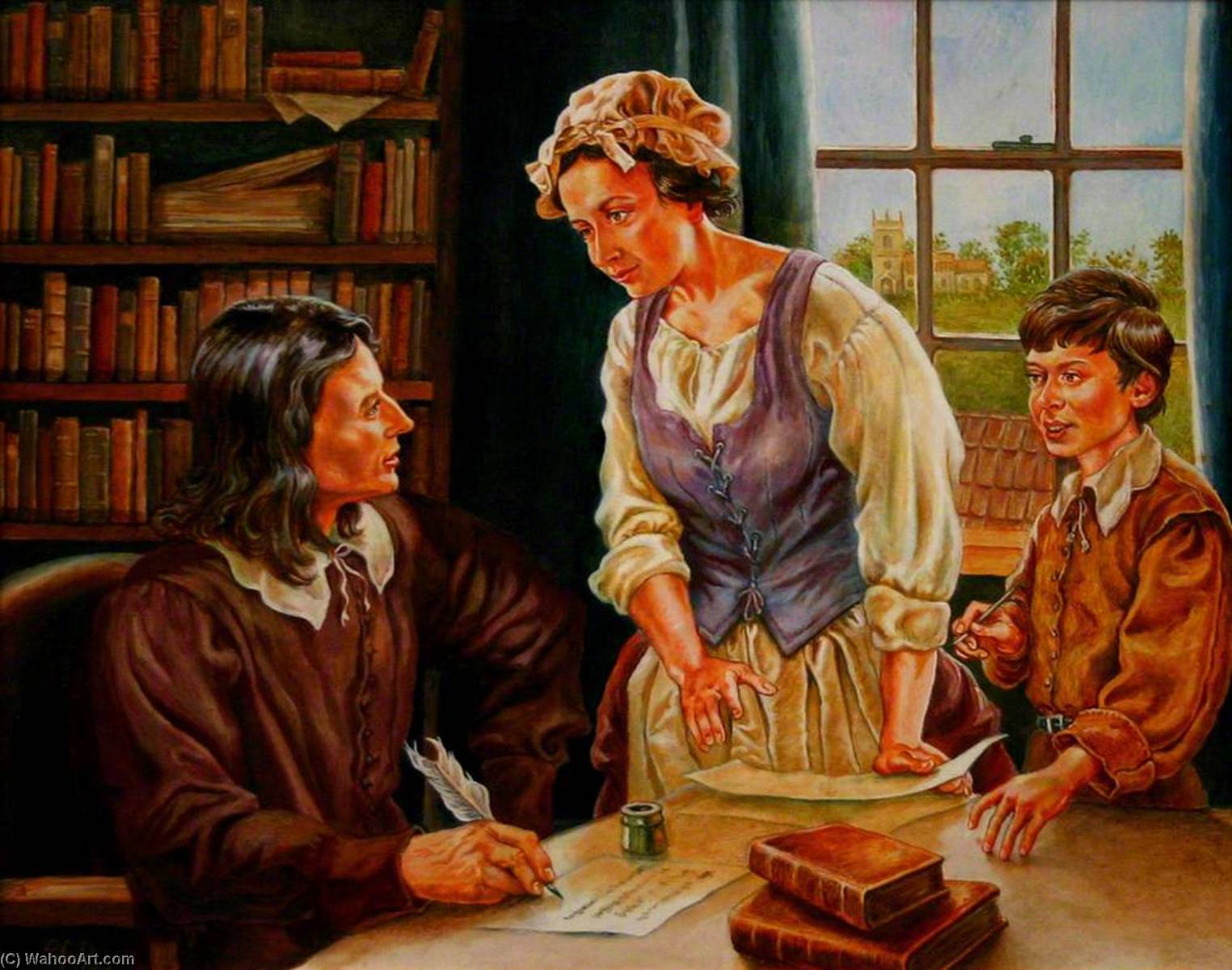
Samuel Wesley Senior (1662–1735), Susanna Wesley and Samuel Wesley Junior
 2003
2003 41.0 x 51.0 cm
 詳細を見る
詳細を見る
ジークレー/アートプリント
迅速な制作と多彩な仕上げオプションを備えた、ミュージアムクオリティのジークレーまたはキャンバスプリント。 ( 手描きの絵画を購入 画像を購入)




































作品のオリジナル比率に合わせた、当店の規定サイズからお選びください。

特定のフレームやスペースに合わせて、ご自身でサイズを指定することも可能です。選択されたサイズが元の画像の比率と一致しない場合、作品をトリミングするか、鏡面反射または単色での塗りつぶしによって画像を拡張いたします。制作を開始する前に、ご確認用のデジタルモックアップをお送りいたします。
画面上のプレビューには、実際のトリミングや拡張は反映されませんのでご注意ください。最終的な構図を正確に確認できるのは、モックアップのみとなります。
カスタムサイズも承っておりますが、元の比率を維持するためには、あらかじめ用意されたリストからサイズを選択することをお勧めいたします。


 ガラスオプションは、110cm未満のサイズでのみご利用いただけます。

Samuel Wesley Senior (1662–1735), Susanna Wesley and Samuel Wesley Junior
ジークレー/アートプリント
複製画のサイズ
-


合計金額
$ 62
関連作品









アーティストの略歴
Richard Gilmore Douglas: A Weaver of Victorian Souls
Richard Gilmore Douglas, a name now synonymous with the evocative and deeply personal portraiture of 19th-century British figures, particularly those connected to the Wesleyan movement, represents a singular achievement in historical illustration. Born in Thirsk, North Yorkshire, in 1937, his artistic journey began not as a formal pursuit but as a quiet, contemplative pastime—a response to the profound sermons of John Wesley that resonated deeply within him. This initial impulse evolved into a lifelong dedication, fueled by meticulous research and an uncanny ability to capture not just likenesses, but the very essence of those he depicted. Douglas’s work isn't merely reproduction; it’s a carefully constructed narrative, imbued with a palpable sense of reverence and a profound understanding of the individuals he immortalized.Early Life & Influences: A Missionary’s Eye
Douglas’s formative years were shaped by his service as a missionary in southwest Africa during the 1960s. This experience, far removed from the familiar landscapes of England, instilled within him a deep appreciation for diverse cultures and a keen observational eye – qualities that would later inform his artistic practice. It was during this period that he began to sketch Wesley’s sermons, initially as a personal reflection but quickly developing into a systematic study of the Wesleyan movement. His theological training at Rhodes University in South Africa provided a solid foundation in biblical scholarship and historical context, while his subsequent education at Durham University equipped him with a strong grounding in art history and technique. Crucially, this period fostered an intimate understanding of Wesley’s life and teachings, providing the emotional core for his later portraits. The influence of Richard Caton Woodville, a pivotal American artist known for his detailed narrative realism depicting Victorian life, is also evident in Douglas's meticulous attention to detail and his ability to convey atmosphere and emotion through carefully rendered settings.The Wesleyan Canon: A Dedicated Portraitist
Douglas’s artistic focus quickly narrowed to the central figures of the Wesleyan movement – John Wesley himself, his brother Charles, and Francis Asbury, the first Methodist bishop in America. This dedication resulted in a remarkably comprehensive body of work, encompassing hundreds of portraits, drawings, and illustrations. He meticulously researched each subject, delving into their lives, writings, and historical context to ensure an accurate and respectful representation. His portraits are not simply likenesses; they reveal the inner character of these figures – Wesley’s earnestness, Charles’s quiet strength, and Asbury's unwavering conviction. The artist’s commitment to authenticity is further demonstrated by his extensive knowledge of 18th-century dress and customs, reflected in the precise details of clothing, hairstyles, and furnishings within his compositions. His work has been displayed at prestigious institutions such as New Room in Bristol, the City Road Methodist Museum in London, and Virginia Wesleyan College, solidifying his position as a leading authority on these significant historical figures.Technique & Style: A Return to Tradition
Douglas’s artistic style is characterized by a deliberate return to traditional portraiture techniques. He eschews modern approaches, favoring the meticulous brushwork and rich colors of 19th-century oil painting. His portraits are often rendered in a slightly heightened realism, reminiscent of the works of masters such as Sir Thomas Lawrence and Anthony van Dyck. The use of light and shadow is particularly effective in creating depth and drama, drawing the viewer’s eye to key features and conveying the subject's personality. His work frequently incorporates elements of sentimental realism, evoking a sense of nostalgia and reverence for the past. Notably, his later years were marked by challenges with Parkinson’s disease, yet he persevered in his artistic endeavors, demonstrating an extraordinary level of dedication and resilience.Legacy & Recognition
Richard Gilmore Douglas's legacy extends far beyond the individual portraits that comprise his oeuvre. His work serves as a vital historical record, offering invaluable insights into the lives and times of John Wesley, Charles Wesley, and Francis Asbury. The generous donation of his entire body of work to Asbury Theological Seminary in Wilmore, Kentucky, ensures that future generations will have access to this remarkable collection. His commitment to preserving and celebrating these influential figures has earned him widespread recognition within Methodist circles and the broader art community. Furthermore, his influence can be seen in contemporary artists who continue to explore themes of faith, history, and human connection through portraiture. Douglas’s dedication to his craft, combined with his profound understanding of his subjects, firmly establishes him as a significant figure in British art history – a quiet chronicler of souls and a master of Victorian realism.
richard gilmore douglas
1937 -
基本情報
- Artistic Movement Or Style: Vintage illustration
- Artists Or Movements Influenced By This Artist: ['Old Master Art']
- Artists Who Influenced This Artist: ['Samuel Wesley']
- Date Of Birth: 1937
- Full Name: Richard Gilmore Douglas
- Nationality: British
- Notable Artworks:
- Susanna Wesley…
- John Wesley
- Samuel Wesley
- Place Of Birth: Thirsk, England

