

 プレビュー
プレビュー
 シェアする
シェアする シェアする
シェアする
 詳細を見る
詳細を見る

 ダウンロード
 似ている作品
 X線調査
X線調査 スライドショー
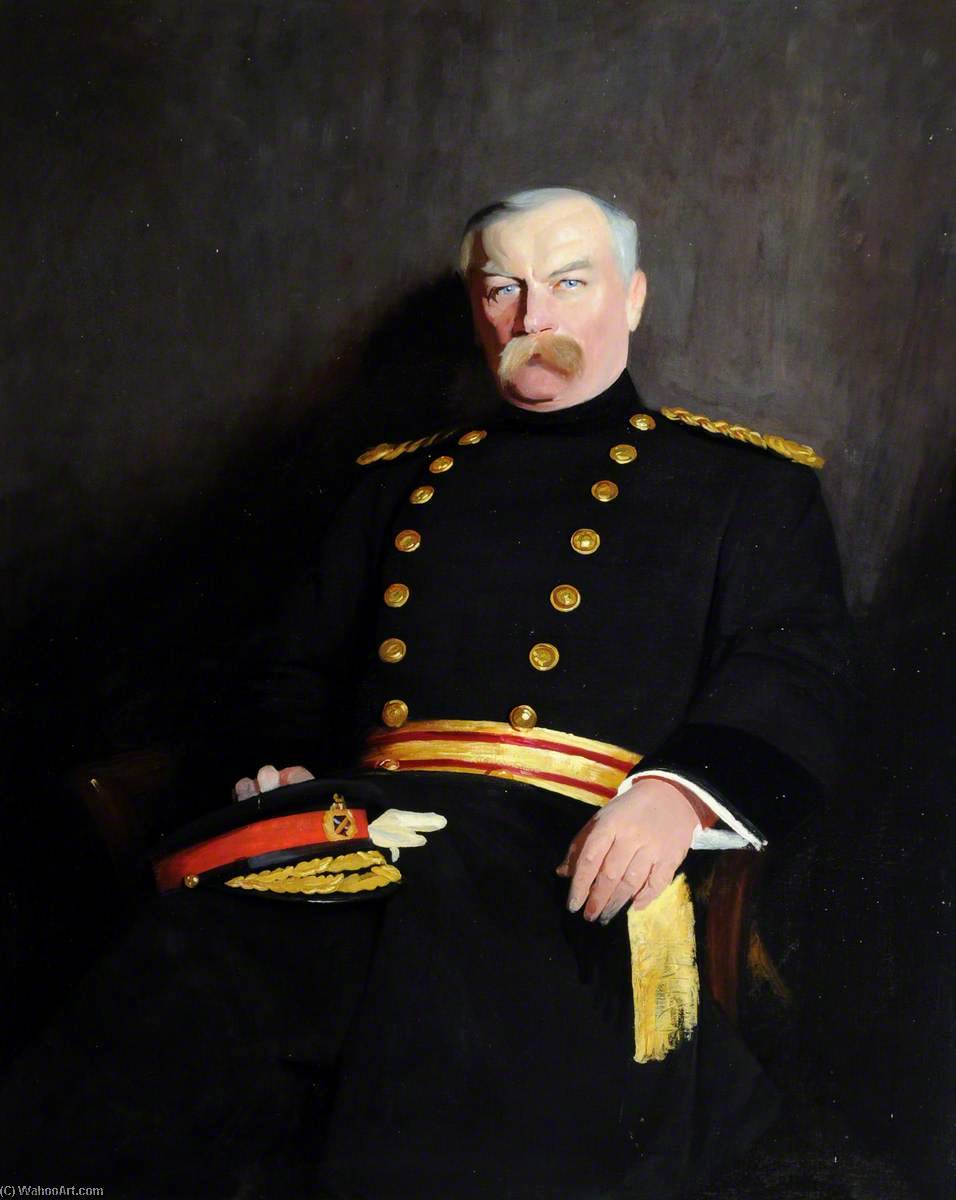
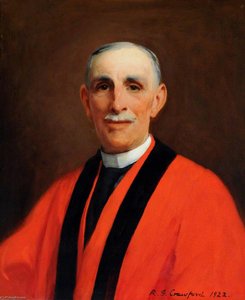
Sir Norman Stewart, Son of Sir Donald Stewart, Commander in Chief of India
 127.0 x 102.0 cm
 詳細を見る
詳細を見る
ジークレー/アートプリント
迅速な制作と多彩な仕上げオプションを備えた、ミュージアムクオリティのジークレーまたはキャンバスプリント。 ( 手描きの絵画を購入 画像を購入)




































作品のオリジナル比率に合わせた、当店の規定サイズからお選びください。

特定のフレームやスペースに合わせて、ご自身でサイズを指定することも可能です。選択されたサイズが元の画像の比率と一致しない場合、作品をトリミングするか、鏡面反射または単色での塗りつぶしによって画像を拡張いたします。制作を開始する前に、ご確認用のデジタルモックアップをお送りいたします。
画面上のプレビューには、実際のトリミングや拡張は反映されませんのでご注意ください。最終的な構図を正確に確認できるのは、モックアップのみとなります。
カスタムサイズも承っておりますが、元の比率を維持するためには、あらかじめ用意されたリストからサイズを選択することをお勧めいたします。


 ガラスオプションは、110cm未満のサイズでのみご利用いただけます。

Sir Norman Stewart, Son of Sir Donald Stewart, Commander in Chief of India
ジークレー/アートプリント
複製画のサイズ
-


合計金額
$ 62
関連作品







アーティストの略歴
A Life Etched in Detail: The World of Richard Goldie Crawford
Richard Goldie Crawford, born in 1871 and passing in 1941, was a British artist whose name resonates with meticulous portraiture and evocative landscape painting. Though perhaps not as widely celebrated as some of his contemporaries, Crawford carved a distinctive niche for himself through an unwavering dedication to realism and a keen eye for capturing the character of both individuals and places. His life, while relatively undocumented in grand biographical sweeps, was one deeply immersed in artistic practice, fueled by commissions from prominent figures and a quiet passion for the English countryside. He wasn’t a revolutionary; rather, he was a master craftsman who excelled at rendering the world around him with exceptional skill and sensitivity. Crawford's story is less about dramatic innovation and more about consistent quality, refined technique, and a commitment to traditional artistic values during a period of rapid change.Early Influences and Artistic Development
The specifics of Crawford’s early training remain somewhat elusive, but it’s clear he was steeped in the Victorian academic tradition. This era prioritized precise draftsmanship, anatomical accuracy, and a reverence for established artistic principles. He likely benefited from private instruction, common among aspiring artists of his social standing, honing his skills through rigorous copying of Old Masters and life studies. The influence of portraitists like John Singer Sargent – known for their ability to capture both likeness and personality – is subtly present in Crawford’s work, particularly in the confident brushwork and psychological depth of his depictions. However, Crawford wasn't merely an imitator. He developed a unique style characterized by a soft, diffused light, a delicate handling of color, and a remarkable attention to texture. His early landscapes reveal a fascination with atmospheric effects, foreshadowing the more mature works that would become his signature. The pre-Raphaelite movement’s emphasis on detail and naturalism also appears to have left its mark, though Crawford eschewed their overt symbolism in favor of a more straightforward representational approach.A Portraitist of Society: Commissions and Character
Crawford's career flourished through a steady stream of portrait commissions. He catered to an affluent clientele – members of the British upper class, landowners, and professionals – who sought his services to immortalize their likenesses or those of their families. These portraits weren’t simply exercises in technical skill; they were carefully constructed representations designed to convey status, character, and social standing. Crawford possessed a talent for putting his sitters at ease, allowing him to capture not just their physical appearance but also something of their inner lives. He excelled at depicting the nuances of expression, the subtle gestures that revealed personality, and the weight of experience etched onto faces. His studio, located in Holland Park, became a hub for these encounters, a space where he translated social presence into enduring images. Beyond formal portraits, Crawford also undertook commissions for scenes depicting family life and country estates, further solidifying his reputation as a chronicler of Victorian society.Landscapes: A Quiet Celebration of the English Countryside
While renowned for his portraiture, Crawford’s landscapes deserve equal attention. These paintings offer a glimpse into his personal artistic vision – a quiet celebration of the beauty and tranquility of the English countryside. He favored scenes depicting rural life, often featuring idyllic meadows, winding rivers, and picturesque villages bathed in soft light. His technique here is particularly noteworthy: he employed a delicate layering of color to create atmospheric depth and a sense of luminous realism. Unlike the dramatic landscapes of the Romantic era, Crawford’s works are characterized by a subtle restraint, a focus on capturing the gentle nuances of nature rather than imposing grand emotional statements. The Cider Press artwork exemplifies this approach – a scene imbued with warmth, nostalgia, and a palpable connection to the land. These paintings weren't merely depictions of places; they were expressions of his deep appreciation for the natural world and the rhythms of rural life.Historical Significance and Legacy
Richard Goldie Crawford’s historical significance lies not in groundbreaking innovation but in his masterful execution of traditional artistic techniques during a period of significant change. He represents a continuity with the Victorian academic tradition, upholding standards of realism and craftsmanship at a time when modern art movements were challenging established norms. His portraits provide valuable insights into the social world of late 19th-century Britain, offering glimpses into the lives and values of the affluent classes. While his work may not be as widely recognized as that of some of his contemporaries, it continues to be admired for its technical skill, psychological depth, and quiet beauty. His paintings are a testament to the enduring power of representational art, reminding us of the importance of observation, detail, and a genuine connection to the subject matter. Crawford’s legacy is one of understated excellence – a life dedicated to capturing the world around him with exceptional skill and sensitivity.- Masterful portraiture skills
- Detailed landscape paintings
- Victorian academic tradition influence
- Chronicler of British society
richard goldie crawford
1871 - 1941
基本情報
- Artistic Movement Or Style: Academic Realism
- Artists Or Movements Influenced By This Artist: ['Heywood Hardy']
- Artists Who Influenced This Artist: ['George Goodwin Kilburne']
- Date Of Death: 1941
- Full Name: Richard Goldie Crawford
- Nationality: British
- Notable Artworks:
- A Cabbage Stalk
- Joseph Sinel, Surveillant du Musée
- Place Of Birth: Holland Park, London, England

