

 プレビュー
プレビュー
 シェアする
シェアする シェアする
シェアする
 詳細を見る
詳細を見る

 ダウンロード
 似ている作品
 X線調査
X線調査 スライドショー
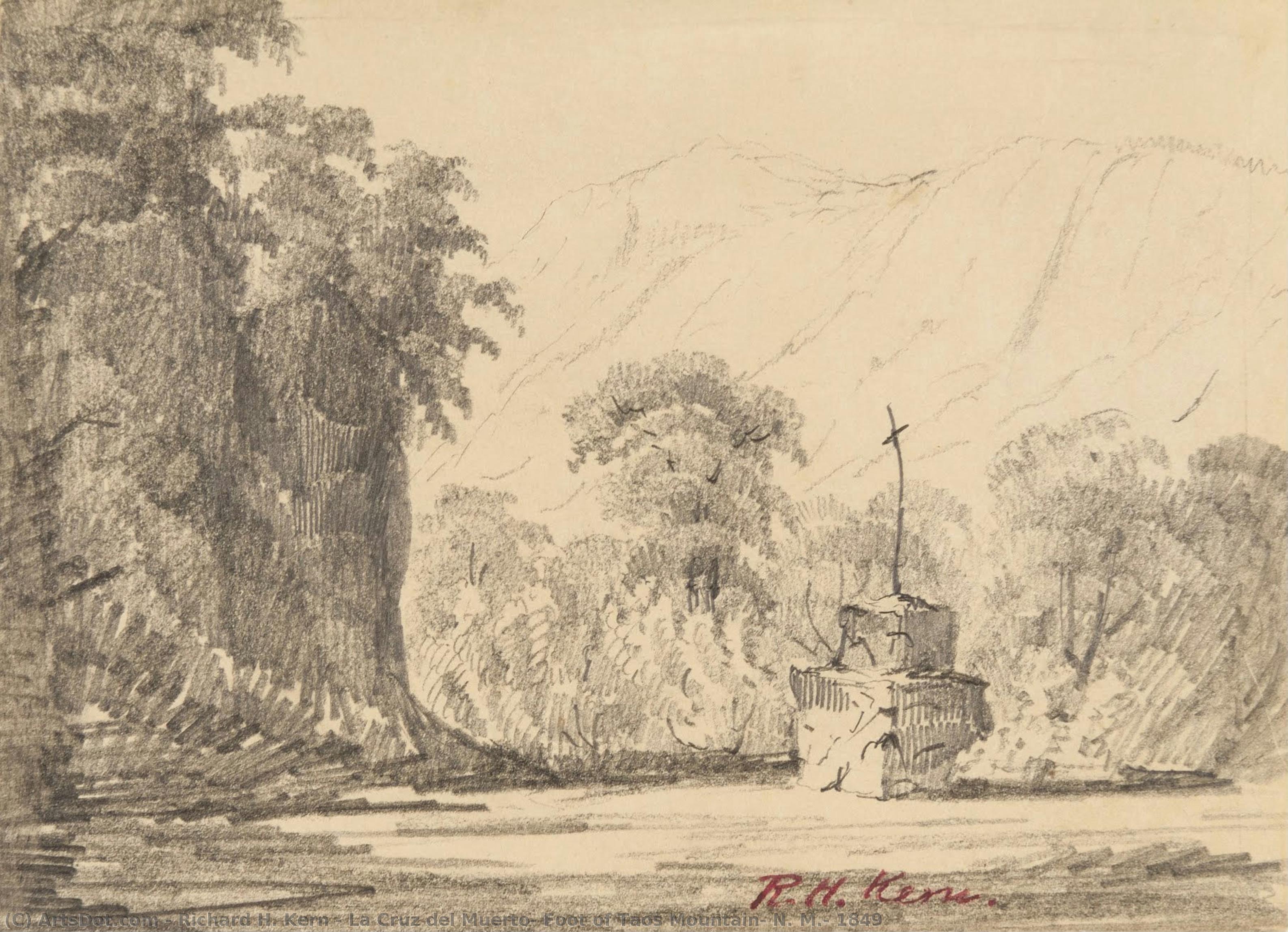
La Cruz del Muerto, Foot of Taos Mountain, N. M., 1849
 Drawing
- WallArt
- Other
 1849
1849- 19th Century
 14.0 x 10.0 cm
 Amon Carter Museum of American Art
 詳細を見る
詳細を見る
ジークレー/アートプリント
迅速な制作と多彩な仕上げオプションを備えた、ミュージアムクオリティのジークレーまたはキャンバスプリント。 ( 手描きの絵画を購入 画像を購入)




P118B $10

P118H $10

P118W $10

P438Z $10

P508JH $12

P508YH $12

P805H $10

P805Z $10

P919BZ $10

P919G $10

P919XJ $10

P959ZH $10

P968JZ $12

W106C $8

W218G $10

W218JH $8

W218Y $10

W307PJ $10

W316G $10

W316PJ $8

W316Y $10

W398PJ $8

W4111J $10

W500HY $15

W500JH $15

W692G $12

W849H $8

W940BG $15

W953PJ $8




作品のオリジナル比率に合わせた、当店の規定サイズからお選びください。

特定のフレームやスペースに合わせて、ご自身でサイズを指定することも可能です。選択されたサイズが元の画像の比率と一致しない場合、作品をトリミングするか、鏡面反射または単色での塗りつぶしによって画像を拡張いたします。制作を開始する前に、ご確認用のデジタルモックアップをお送りいたします。
画面上のプレビューには、実際のトリミングや拡張は反映されませんのでご注意ください。最終的な構図を正確に確認できるのは、モックアップのみとなります。
カスタムサイズも承っておりますが、元の比率を維持するためには、あらかじめ用意されたリストからサイズを選択することをお勧めいたします。


 ガラスオプションは、110cm未満のサイズでのみご利用いただけます。

La Cruz del Muerto, Foot of Taos Mountain, N. M., 1849
ジークレー/アートプリント
複製画のサイズ
-


合計金額
$ 62
A Haunting Glimpse into the American Frontier
In the quiet, monochromatic depths of La Cruz del Muerto, Foot of Taos Mountain, N. M., 1849, we are transported to a pivotal moment in the American West. This evocative work serves as a window into a landscape defined by both rugged majesty and profound stillness. The composition centers upon a solitary cross perched atop a gentle rise, acting as a silent sentinel over the New Mexican terrain. Through the delicate interplay of light and shadow, the artist captures a scene where the boundaries between the earthly and the spiritual seem to blur. The presence of scattered trees and a lone figure in the distance adds a layer of human narrative to the vastness, suggesting a life lived in deep communion with the untamed wilderness.
The stylistic execution of this piece relies on the stark, emotive power of black and white tones. By stripping away the distraction of color, the viewer is forced to confront the raw textures of the mountain foothills—the rough bark of the foreground trees, the soft gradients of the distant peaks, and the sharp silhouette of the cross against the sky. This technique creates a sense of timelessness, as if the image were a recovered memory from a bygone era. The meticulous attention to detail in the landscape's topography evokes a feeling of profound serenity, yet there is an underlying tension, a mystery held within the shadows that invites the observer to contemplate what secrets these ancient mountains might guard.
Symbolism and the Spirit of the Landscape
Beyond its topographical accuracy, the artwork is rich with symbolic resonance. The cross, positioned as the focal point, transcends mere religious iconography to become a symbol of endurance and memory within the landscape. It stands as a testament to the human spirit's attempt to mark and sanctify even the most remote corners of the earth. The juxtaposition of the permanent, unmoving mountain against the transient presence of the solitary figure evokes the classic Romantic theme of man's relationship with nature—a delicate balance between insignificance and profound connection. For the collector, this piece offers more than just a depiction of New Mexico; it offers an invitation to reflect on themes of mortality, faith, and the enduring legacy of history.
For interior designers and connoisseurs of fine art reproductions, La Cruz del Muerto presents a sophisticated opportunity to introduce a sense of historical gravity and contemplative calm into a space. Its monochromatic palette makes it an exceptionally versatile choice for modern, minimalist, or traditional settings alike. Whether placed in a quiet study, a grand gallery wall, or a contemporary living area, the artwork acts as a conversational anchor, drawing the eye and grounding the room with its somber beauty. Owning a high-quality reproduction of this 1849 masterpiece allows one to preserve a fragment of the American frontier's soul, bringing the quiet majesty of Taos Mountain into the intimacy of the home.
関連作品
アーティストの略歴
The Underground Visionary: The Provocative World of Richard H. Kern
In the gritty, neon-lit landscape of the 1980s East Village, a movement was brewing that would forever alter the boundaries of independent cinema and photography. At the heart of this rebellion stood Richard H. Kern, an artist whose work served as a raw, unfiltered mirror to the anxieties and desires of a generation. Emerging from the shadows of New York City's countercultural underground, Kern did not merely observe the chaos of his era; he captured its most taboo and visceral elements with an uncompromising honesty that defined the Cinema Transgression movement.
Kern’s artistic identity was forged in the crucible of a New York City that was as dangerous as it was creatively fertile. Influenced by the confrontational spirits of contemporaries like David Wojnarowicz and the raw energy of figures such as Henry Rollins, his early explorations were deeply rooted in the desire to challenge societal conventions. His work sought to dismantle the polite veneers of mainstream culture, instead focusing on the psychological vulnerability, eroticism, and latent violence that simmered beneath the surface of urban life.
Cinematic Transgression and the Lens of Reality
The cinematic contributions of Richard H. Kern remain some of his most enduring legacies. Through seminal films such as “The Right Side of My Brain” and “Fingered,” Kern became a central figure in a movement championed by Nick Zedd, where the goal was to push the limits of what could be shown on screen. These works were not merely provocations for the sake of shock; they were profound explorations of human transgression and the complexities of desire. His films utilized a stylistic boldness that captured the psychological tension of the era, blending the boundaries between documentary-style grit and experimental narrative.
Parallel to his filmmaking, Kern’s photographic work provided a hauntingly beautiful documentation of New York City's edge. His lens acted as a witness to the energy and disillusionment of the East Village during its most transformative years. In these images, one finds a mastery of capturing the fleeting, often uncomfortable moments of urban existence—the shadows in an alleyway, the intensity of a gaze, and the textured reality of a city in flux. His photography does not just depict a scene; it evokes the very atmosphere of a period defined by artistic rebellion.
Technical Mastery and Artistic Legacy
While much of his reputation is built upon the transgressive nature of his subject matter, Kern’s technical prowess cannot be overlooked. His ability to render detail and texture is evident in his more traditional explorations, such as his striking pencil-rendered landscapes like “La Cruz del Muerto” and “Salto del Rito de Los Venados.” These works demonstrate a surprising depth of realism and a meticulous control over medium, proving that his artistic vision extends far beyond the shock of the underground into a sophisticated command of classical technique.
The significance of Richard H. Kern’s contribution to contemporary art is cemented by his presence in some of the world's most prestigious institutions. Having had his work showcased in the Museum of Modern Art (MoMA) and the Whitney Museum of American Art, he has transitioned from an underground provocateur to a recognized figure within the canon of influential modern artists. His legacy remains a vital part of art history, reminding us of the power of art to confront the uncomfortable, to explore the forbidden, and to document the true, unvarnished pulse of human experience.
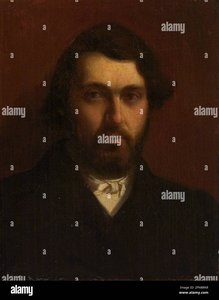
richard h. kern
1954 - , United States of America
基本情報
- Artistic Movement Or Style: Cinema Transgression
- Artists Or Movements Influenced By This Artist: ['Cinema Transgression']
- Artists Who Influenced This Artist: ['Nick Zedd']
- Date Of Birth: 1954
- Full Name: Richard H. Kern
- Nationality: American
- Notable Artworks:
- La Cruz del Muerto
- Salto del Rito de Los Venados near Taos, NM
- On Chagres River
- Place Of Birth: New York, United States of America
関連記事
William Trost Richards: Luminism, Spirituality & the American Landscape Tradition
Explore the captivating landscapes of William Trost Richards, a master of Luminism associated with both the Hudson River School & American Pre-Raphaelite movements. Discover his spiritual connection to nature and lasting influence on American art.

ロマン派ランドスケープ:時代を彩る巨匠の10選|アートとインテリアの世界
ロマン派絵画の時代を彩る10選。巨匠たちの風景が織りなす感動の世界へ。ターナー、ルーベンスなど、名作の裏話と高精細複製でアートをお部屋に。ArtsDot.comで至福のアート体験を。

Evocations of Place: A Historical Journey Through Landscape Art
Explore the rich history of landscape art with ArtsDot. Discover renowned artists, movements like Impressionism & Romanticism, and expert guidance for collecting timeless pieces. Find your perfect serene escape today!

ジョン・コンスタブルの傑作25選:英国風景画の巨匠が描く自然と光の詩 | ArtsDot
ジョン・コンスタブルの傑作25選。英国風景画の巨匠が描く自然と光の詩の世界へ。ロマン主義を代表する絵画、デダム・ヴェールやヘイ・ウェインなど、ArtsDotで高品質なアートプリントをお楽しみください。インテリアに深みと感動を。コレクションはこちら。

葛飾北斎:25の傑作が語る浮世絵の世界 - ArtsDot
葛飾北斎の25選:『神奈川沖浪裏』や『富嶽三十六景』など、浮世絵の世界を深く探求。木版画の技法と日本美術の美をArtsDotで。高品質なアートプリントで空間に感動を。コレクションはこちら。