

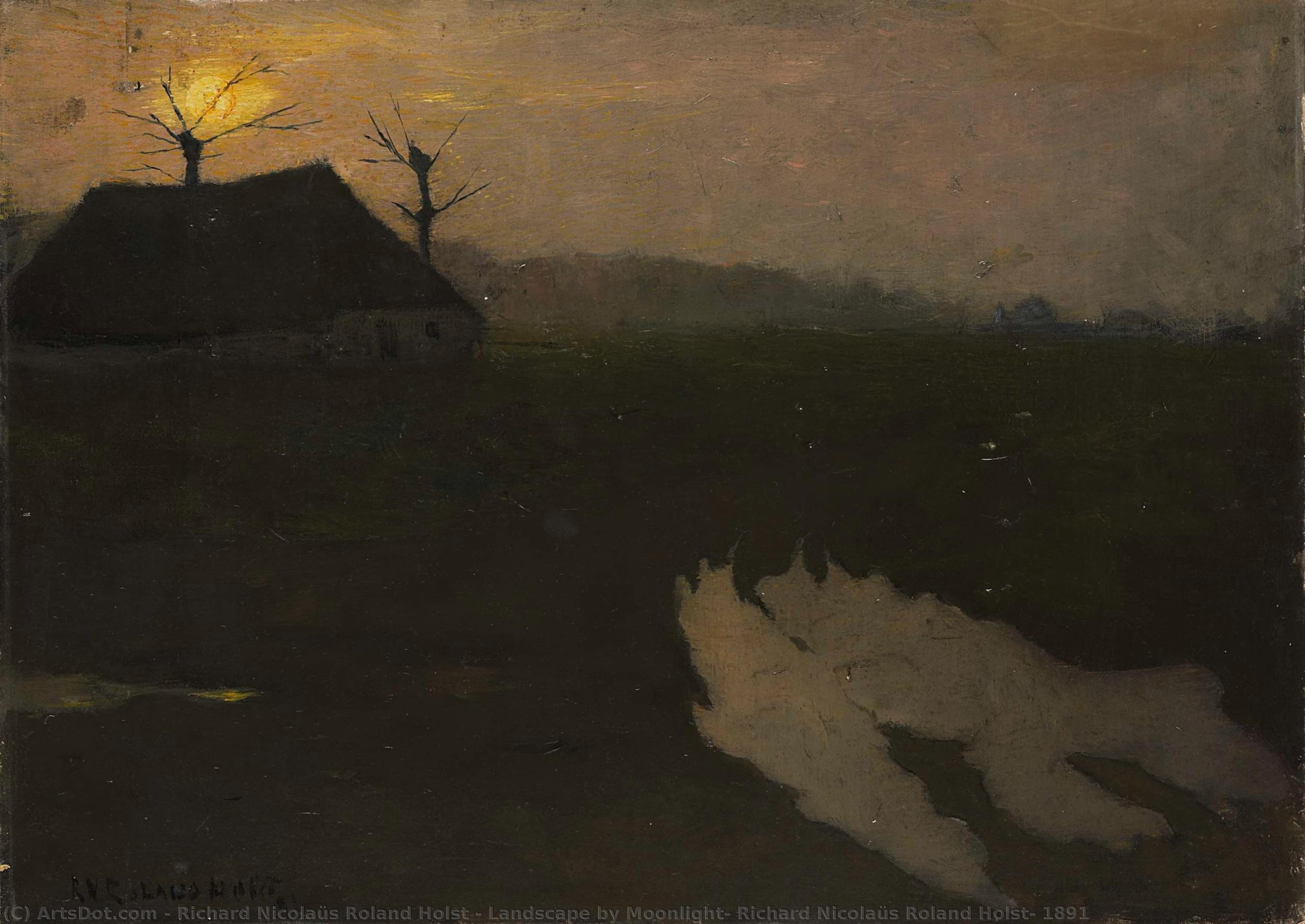
 プレビュー
プレビュー
 シェアする
シェアする シェアする
シェアする
 詳細を見る
詳細を見る

 ダウンロード
 似ている作品
 X線調査
X線調査 スライドショー
 統計情報
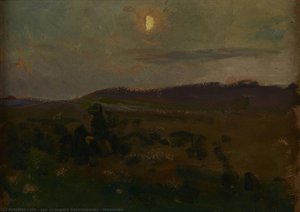
統計情報Landscape by Moonlight, Richard Nicolaüs Roland Holst, 1891
 1891
1891 50.0 x 69.0 cm
 詳細を見る
詳細を見る
オンラインプレビューをはるかに凌ぐ、高解像度で鮮明なデジタル画像をご購入いただけます。
各ファイルは、社内の専門家が高度なツールと熟練した手作業によるレタッチを用いて、細心の注意を払って準備されています。すべての画像において、卓越した鮮明度、正確な色彩再現性、そして繊細なディテールを保証いたします。
最終ファイルは、プロフェッショナルな編集・印刷環境ですぐにご利用いただけるよう最適化された状態で、72時間以内にメールにてお届けいたします。これは、一流のデザインスタジオ、出版社、ギャラリーから信頼されているものと同等の品質です。
デジタルアート
個人での鑑賞、印刷、クリエイティブなプロジェクト用に、高解像度ファイルをダウンロードできます。 ( プリント版に切り替え 手描きの絵画を購入)
デジタル画像のご注文に付随する特典
高品質なデジタル画像配信を、確かな品質で。
ArtsDot.com を選ぶことは、単に画像を手に入れることではありません。それは、プロの手によって精密に仕上げられ、満足保証が付いた高品質なデジタルアートワークを受け取ることを意味します。ご注文いただいた際に自動的に付随する内容は、以下の通りです:

メールですぐにお届け
ご注文から72時間以内に、高解像度のデジタル画像ファイルがメールでお手元に届きます。すぐにそのままご利用いただけます。

AI技術で最適化されたデジタルファイル
お客様の作品は、高度なAIツールと専門家による手作業の編集を組み合わせてプロフェッショナルに最適化されており、細部のディテール、鮮明さ、そして正確な色再現性を最大限に引き出しています。

一生涯無料の再送サービス
ファイルを誤って削除したり、紛失してしまったりしましたか?ご安心ください。いつでも無料で再送いたします。

輸入手数料は一切かかりません
関税や手数料、配送料を気にすることなく、お気に入りのアートワークをすぐにお楽しみいただけます。デジタルダウンロードは常に免税です。

色彩再現の保証
プロ仕様のツールとカラーマネジメント技術を用いることで、デジタル画像が元の色を最大限に忠実に再現することを保証いたします。

100日間満足保証
ご購入いただいたデジタル画像にご満足いただけない場合は、100日以内であれば、理由を問わず修正または100%の返金対応をさせていただきます。

100% 返金保証
ご満足いただけない場合は、デジタルファイルを受け取ってから100日以内であれば、理由を問わず全額返金いたします。

まとめ買い割引
3枚購入で10%OFF - 5枚購入で15%OFF - 10枚以上購入で20%OFF。クリエイティブなプロジェクト、ギャラリー、エージェンシーに最適です。
関連作品





作家の略歴
The Celestial Visionary: Richard Nicolaüs Roland Holst
Richard Nicolaüs Roland Holst, a name perhaps less immediately recognizable than some of his contemporaries, nevertheless occupies a unique and profoundly influential position in the development of modern abstract art. Born in 1880, Holst’s life was one dedicated to exploring the hidden harmonies of the universe, translating cosmic principles into a visual language that predated many of the better-known movements of the early 20th century. While biographical details remain somewhat sparse – Holst deliberately cultivated an air of mystery around his personal life – it is clear that his artistic journey was deeply intertwined with esoteric studies and a fascination with theosophy, astrology, and ancient mythology. He wasn’t merely *representing* the world; he sought to reveal its underlying structure through form and color.Early Influences and The Search for Universal Laws
Holst's initial artistic training was conventional enough, steeped in the academic traditions of his time. However, a growing dissatisfaction with representational art led him down increasingly unconventional paths. He became captivated by the writings of Helena Blavatsky and other theosophists, believing that art could be a powerful tool for spiritual awakening and a means to access higher realms of consciousness. This conviction fueled an intense study of symbolism – not merely as decorative motifs, but as keys to unlocking universal truths. He absorbed influences from diverse sources: the vibrant color palettes of Impressionism, the flattened perspectives of Japanese prints, and the geometric precision of Islamic art. But these were never simply imitated; they were synthesized into something entirely new. Holst’s early works, though still figurative, began to exhibit a distinct tendency towards abstraction, with forms dissolving into swirling patterns and colors imbued with symbolic meaning. He believed that specific color combinations resonated with planetary energies and could evoke particular emotional states in the viewer.The Development of a Unique Abstract Language
By the 1910s, Holst had largely abandoned representational imagery altogether. His paintings became increasingly abstract, characterized by dynamic compositions of interlocking geometric shapes, radiant colors, and complex symbolic arrangements. He developed a personal iconography based on astrological signs, alchemical symbols, and ancient archetypes. Crucially, his abstraction wasn’t about rejecting form; it was about discovering a more fundamental *form* – the underlying structure of reality itself. Holst's technique was meticulous and deliberate. He often worked in layers, building up surfaces with thin washes of color to create luminous effects. He also experimented with unconventional materials, incorporating metallic pigments and iridescent paints to enhance the otherworldly quality of his work. His canvases weren’t simply painted; they were constructed – carefully orchestrated arrangements designed to resonate with cosmic energies.Major Achievements and Artistic Philosophy
Holst never sought widespread recognition or commercial success. He exhibited sporadically, primarily in small galleries frequented by fellow esotericists and avant-garde artists. His influence was largely exerted through a close circle of students and followers who were drawn to his unique artistic philosophy. He believed that true art wasn’t about self-expression; it was about channeling universal forces. While he resisted categorization, Holst's work can be seen as a precursor to several major abstract movements, including Suprematism, Constructivism, and even Abstract Expressionism. His emphasis on geometric form and spiritual symbolism anticipated the concerns of artists like Kasimir Malevich and Piet Mondrian. His paintings weren’t merely aesthetic objects; they were intended as tools for meditation and contemplation – visual portals to higher states of consciousness. He saw color as a living force, capable of influencing both the psyche and the physical world.Historical Significance and Lasting Legacy
Despite his relative obscurity during his lifetime, Richard Nicolaüs Roland Holst’s work has experienced a growing resurgence of interest in recent decades. Scholars are increasingly recognizing his pioneering role in the development of abstract art and his profound influence on subsequent generations of artists.- His exploration of spiritual symbolism anticipated many of the concerns of Surrealism.
- His emphasis on geometric form paved the way for Constructivist aesthetics.
- His use of color as a dynamic force influenced Abstract Expressionist painters like Mark Rothko and Barnett Newman.
プロフィール概要
- Artistic Movement Or Style: Classical composer
- Artists Or Movements Influenced By This Artist:
- Gustav Holst
- Ralph Vaughan Williams
- Artists Who Influenced This Artist:
- Johann Sebastian Bach
- Franz Schubert
- Date Of Birth: 1876
- Date Of Death: 1958
- Full Name: Richard Nicolaüs Roland Holst
- Nationality: British
- Notable Artworks:
- The Planets Suite
- St Paul's Suite
- Terrestrial Choruses
- Place Of Birth: Cheltenham, United Kingdom