

 プレビュー
プレビュー
 プリントを購入
 シェアする
シェアする シェアする
シェアする
 詳細を見る
詳細を見る

 ダウンロード
 似ている作品
 X線調査
X線調査 スライドショー
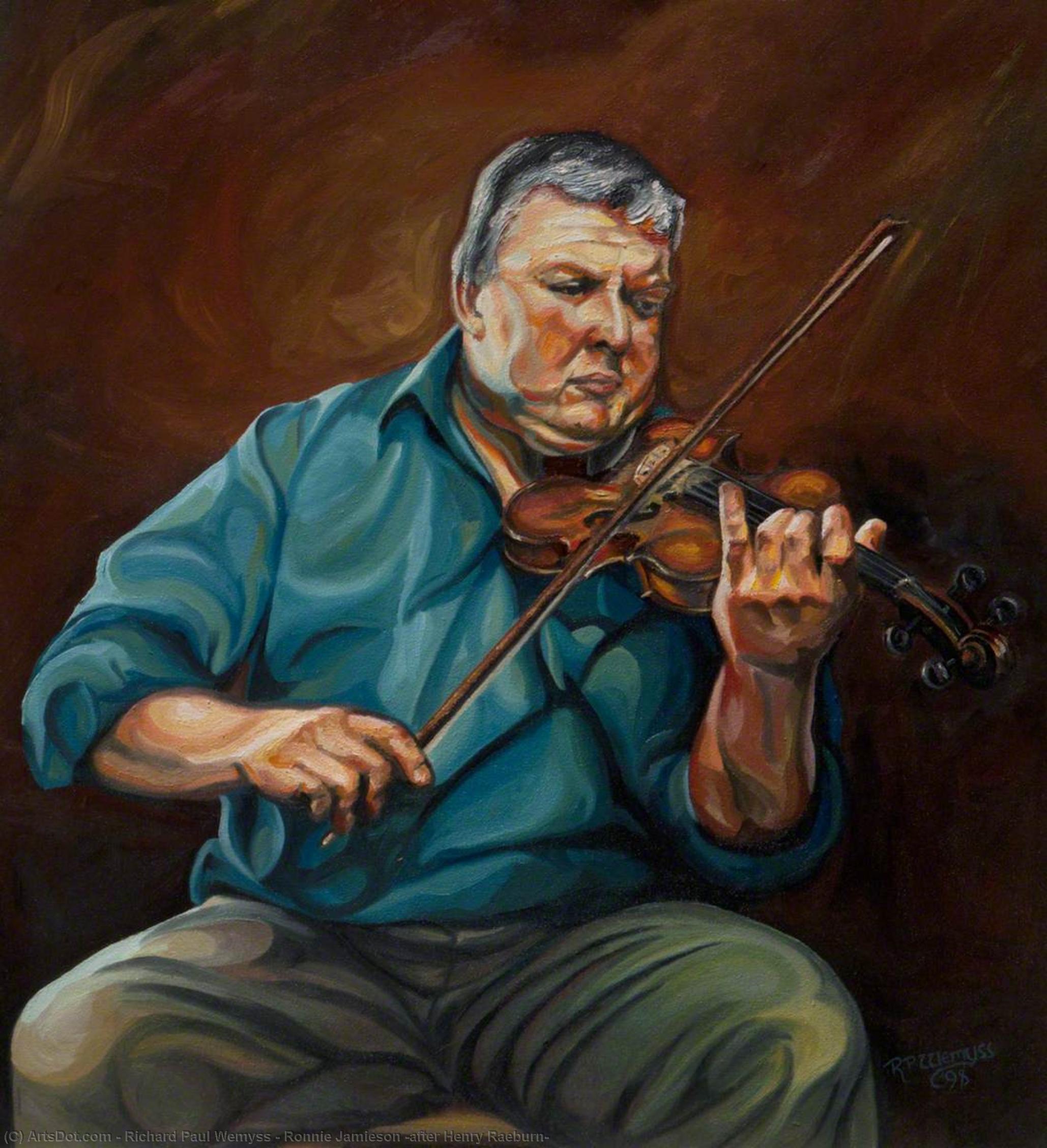
Ronnie Jamieson (after Henry Raeburn)
 Other
Other 1998
1998 84.0 x 72.0 cm
 Shetland Museum And Archives
 詳細を見る
詳細を見る




P118B $10

P118H $10

P118W $10

P438Z $10

P508JH $12

P508YH $12

P805H $10

P805Z $10

P919BZ $10

P919G $10

P919XJ $10

P959ZH $10

P968JZ $12

W106C $8

W218G $10

W218JH $8

W218Y $10

W307PJ $10

W316G $10

W316PJ $8

W316Y $10

W398PJ $8

W4111J $10

W500HY $15

W500JH $15

W692G $12

W849H $8

W940BG $15

W953PJ $8




作品のオリジナル比率に合わせた、当店の規定サイズからお選びください。

特定のフレームやスペースに合わせて、ご希望のサイズをご入力いただけます。選択されたサイズが元の画像の比率と異なる場合、アートワークをトリミングするか、手描きで要素を追加して絵画を拡張いたします。デジタルモックアップ を制作し、制作開始前にご確認(承認)をいただきます。
画面上のプレビューは、実際のトリミングや拡張を正確に反映しているものではありません。最終的な構図は、モックアップによってのみ正確にご確認いただけます。
カスタムサイズもご利用いただけますが、元の比率を維持するためには、あらかじめ用意されたリストからサイズを選択することをお勧めいたします。
ご注文後、ArtsDot.com チームより詳細な指示をお送りするとともに、仕上がりイメージ(モックアップ)をご提供いたします。


 ガラスオプションは、110cm未満のサイズでのみご利用いただけます。

Ronnie Jamieson (after Henry Raeburn)
複製技法
複製画のサイズ
-


合計金額
$ 263
関連作品
アーティストの略歴
Richard Paul Wemyss: A Highland Visionary
Born in Cellardyke, a small fishing village on the East Coast of Fife, Scotland, Richard Paul Wemyss’s artistic journey is inextricably linked to the rugged beauty and evocative folklore of his homeland. His early life amidst the windswept cliffs and dramatic coastline profoundly shaped his vision, imbuing his paintings with an unparalleled sense of place and a deep connection to the traditions of the Scottish Highlands. Wemyss's career began not formally, but organically – a natural progression from observing and absorbing the world around him, translating it onto canvas with remarkable skill and emotional resonance.
Wemyss’s artistic development wasn’t marked by traditional academic training. Instead, he honed his craft through years of dedicated observation and experimentation. He initially worked as a fisherman, a profession that instilled in him an intimate understanding of the elements – the shifting light, the relentless wind, and the ever-changing moods of the sea. This practical experience, coupled with a keen eye for detail and a deep appreciation for the natural world, formed the bedrock of his artistic practice. He began to paint seriously in the late 1980s, initially focusing on landscapes before gradually incorporating figures into his compositions, drawing inspiration from both classical and contemporary sources.
Early influences are diverse and layered. The Romantic landscape painters – Turner, Constable, and Friedrich – undoubtedly played a significant role, shaping his understanding of light, atmosphere, and the sublime power of nature. However, Wemyss’s work also reveals an affinity for the traditions of Scottish painting, particularly the works of George Wyllie and John Duncan McLaren, both masters of capturing the spirit of the Highlands. Furthermore, he has cited a fascination with the Pre-Raphaelites, admiring their meticulous detail and symbolic imagery. Crucially, Wemyss’s work is not simply an imitation of these influences; rather, he synthesizes them into a uniquely personal style – one that is both deeply rooted in Scottish tradition and imbued with a contemporary sensibility.
The Language of the Highlands
Wemyss's paintings are immediately recognizable for their distinctive atmosphere—a palpable sense of wildness, solitude, and ancient wisdom. He masterfully employs color to evoke the dramatic light and weather conditions characteristic of the Scottish landscape. Deep blues and greens dominate his compositions, reflecting the vastness of the sea and the dense forests that cloak the Highlands. He frequently uses a muted palette, favoring earthy tones and subtle gradations of color to create a sense of depth and realism. However, he is not afraid to introduce bursts of vibrant color—a flash of scarlet in a heather-clad hillside or the brilliant blue of a Highland loch—to draw the viewer’s eye and heighten the emotional impact of his work.
Central to Wemyss's style is his ability to capture the essence of human figures within the landscape. His subjects – often shepherds, crofters, and travelers – are rendered with remarkable sensitivity and empathy. He doesn’t simply depict these individuals; he imbues them with a sense of dignity, resilience, and connection to their surroundings. His figures are frequently engaged in everyday activities—herding sheep, tending fires, or simply gazing out at the horizon—creating a powerful sense of continuity between past and present. The inclusion of folklore and traditional Highland imagery – standing stones, ancient ruins, and mythical creatures – further enriches his paintings, adding layers of meaning and symbolism.
Notable Works & Techniques
Several of Wemyss’s paintings have achieved significant recognition within the art world. “Scarf” Bird (2013), a striking depiction of a Highland shepherd tending to his flock against a dramatic backdrop of mountains and clouds, exemplifies his ability to capture both the beauty and the harshness of the landscape. “LK62 Research Berthed at Malløy” (2017) showcases his technical skill in rendering maritime scenes with meticulous detail and atmospheric perspective. These works, along with many others, demonstrate Wemyss’s mastery of oil paint—his ability to create rich textures, luminous colors, and a sense of immediacy that draws the viewer into the heart of the scene.
Wemyss's technique is characterized by a combination of meticulous observation and expressive brushwork. He begins with detailed sketches and studies, carefully mapping out the composition and establishing the key elements of the scene. However, he doesn’t adhere rigidly to his preliminary drawings; instead, he allows himself to be guided by his intuition and emotional response. His brushstrokes are often loose and gestural, conveying a sense of movement and energy—particularly in depictions of wind and water. He employs glazing techniques to build up layers of color gradually, creating depth and luminosity.
Legacy & Contemporary Significance
Richard Paul Wemyss’s work continues to resonate with audiences both within Scotland and internationally. His paintings are exhibited regularly in galleries and museums across the UK and beyond, and his art has been featured in numerous publications. He is recognized as one of the leading contemporary landscape artists working in Scotland today, a master of capturing the spirit and beauty of his homeland.
Wemyss’s enduring appeal lies in his ability to evoke a sense of place—to transport the viewer to the rugged landscapes and timeless traditions of the Scottish Highlands. His paintings are not merely representations of scenery; they are expressions of a deep connection to nature, history, and culture. As he continues to create new works, Wemyss’s legacy as a visionary artist will undoubtedly grow stronger.
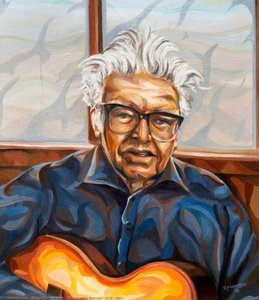
richard paul wemyss
1965 -
基本情報
- Artistic Movement Or Style: Realism & Folklore
- Date Of Birth: 1965
- Full Name: Richard Paul Wemyss
- Nationality: Scottish
- Notable Artworks:
- Scarf' Bird
- LK62 Research
- Place Of Birth: Cellardyke, Fife
関連記事
アンリ・マティスの傑作25選:色彩と情熱の軌跡|ArtsDot
アンリ・マティスの傑作25選🎨 色彩と情熱が織りなす世界を旅する。フォーヴィスム代表の巨匠、マティスの絵画の魅力と歴史を紐解きます。ArtsDotで高品質なアートプリントや複製画を見つけ、インテリアに芸術的な輝きを✨ Explore the full collection online
Henry Raeburn: A Scottish Portraitist's Mastery of Light, Character & National Identity
Explore the life & work of Henry Raeburn, a master Scottish portraitist. Discover his innovative techniques, captivating portraits of the Enlightenment era, and lasting legacy in art history. Learn more at ArtsDot.
Henry Raeburn Dobson: A Scottish Colourist Bridging Tradition & Modernity
Explore the life & work of Henry Raeburn Dobson, a key figure bridging Scottish tradition & modern art. Discover his neoclassical portraits, landscapes, and connection to the Colourists. Learn about collecting his works.
Sir John Watson Gordon: A Study in Scottish Landscape Painting & Tonal Impressionism
Explore the captivating portraits of Sir John Watson Gordon, a leading Scottish master. Discover his evolution from neoclassical style to atmospheric Tonalism and influence on 19th-century British art. Learn about his iconic sitters & legacy.
George Paul Chalmers: Rediscovering the Angus Rembrandt & Scottish Colourist Roots
Explore the captivating world of George Paul Chalmers (1833-1878), a pivotal Scottish painter. Discover his landscapes, portraits & connection to the Aesthetic Movement and Colourists. Learn about this 'Angus Rembrandt's' legacy with ArtsDot.

