

 プレビュー
プレビュー
 プリントを購入
 シェアする
シェアする シェアする
シェアする
 詳細を見る
詳細を見る

 ダウンロード
 似ている作品
 X線調査
X線調査 スライドショー
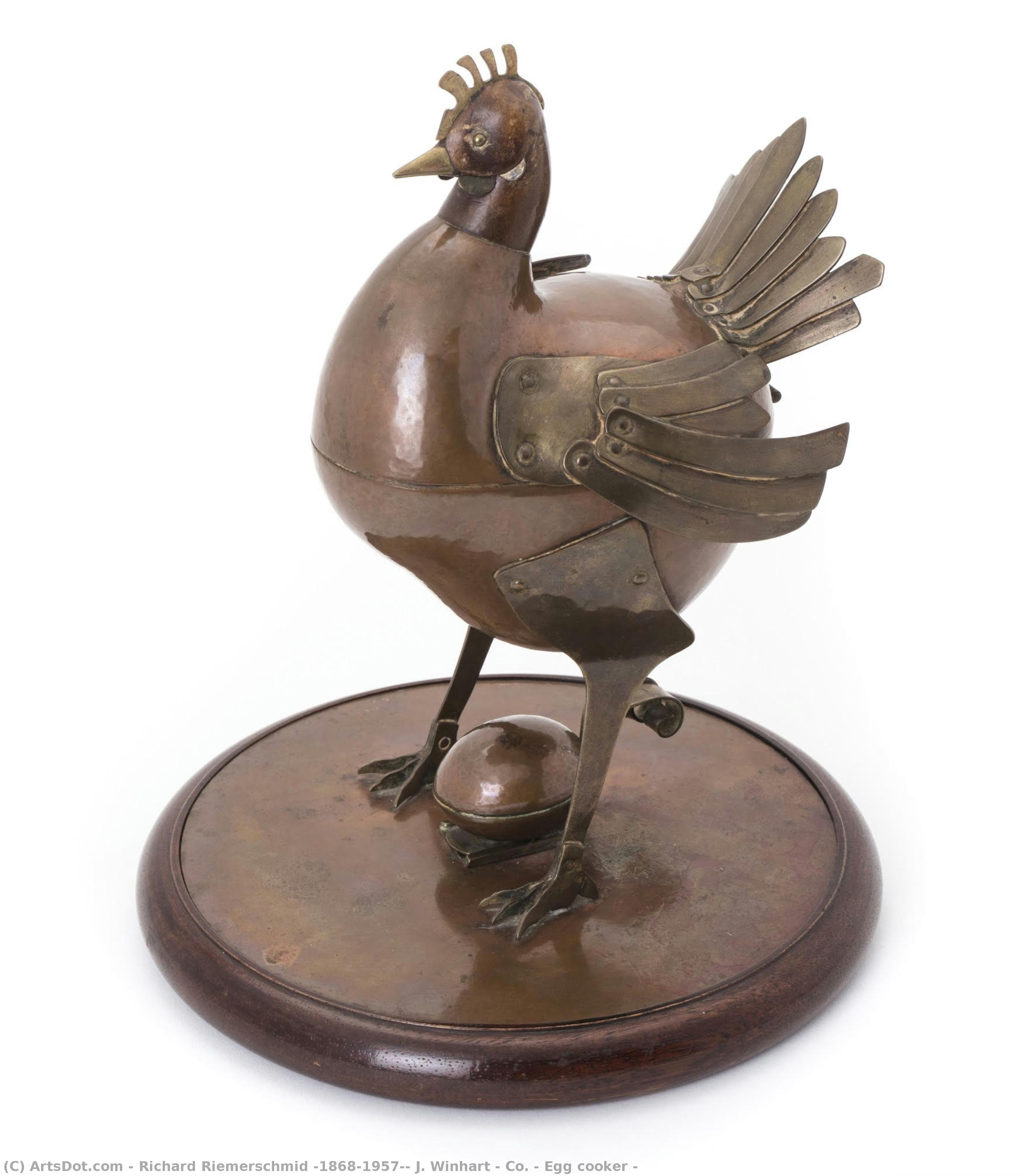
鶏と卵
 キャンバスにアクリル絵具
- ウォールアート
- Synthetism Breton Modernism
 1896
1896 26.0 x 11.0 cm
 ドイツ歴史博物館
 詳細を見る
詳細を見る
オンラインプレビューをはるかに凌ぐ、高解像度で鮮明なデジタル画像をご購入いただけます。
各ファイルは、社内の専門家が高度なツールと熟練した手作業によるレタッチを用いて、細心の注意を払って準備されています。すべての画像において、卓越した鮮明度、正確な色彩再現性、そして繊細なディテールを保証いたします。
最終ファイルは、プロフェッショナルな編集・印刷環境ですぐにご利用いただけるよう最適化された状態で、72時間以内にメールにてお届けいたします。これは、一流のデザインスタジオ、出版社、ギャラリーから信頼されているものと同等の品質です。
デジタル画像のご注文に付随する特典
高品質なデジタル画像配信を、確かな品質で。
ArtsDot.com を選ぶことは、単に画像を手に入れることではありません。それは、プロの手によって精密に仕上げられ、満足保証が付いた高品質なデジタルアートワークを受け取ることを意味します。ご注文いただいた際に自動的に付随する内容は、以下の通りです:

メールですぐにお届け
ご注文から72時間以内に、高解像度のデジタル画像ファイルがメールでお手元に届きます。すぐにそのままご利用いただけます。

AI技術で最適化されたデジタルファイル
お客様の作品は、高度なAIツールと専門家による手作業の編集を組み合わせてプロフェッショナルに最適化されており、細部のディテール、鮮明さ、そして正確な色再現性を最大限に引き出しています。

一生涯無料の再送サービス
ファイルを誤って削除したり、紛失してしまったりしましたか?ご安心ください。いつでも無料で再送いたします。

輸入手数料は一切かかりません
関税や手数料、配送料を気にすることなく、お気に入りのアートワークをすぐにお楽しみいただけます。デジタルダウンロードは常に免税です。

色彩再現の保証
プロ仕様のツールとカラーマネジメント技術を用いることで、デジタル画像が元の色を最大限に忠実に再現することを保証いたします。

60日間満足保証
ご購入いただいたデジタル画像にご満足いただけない場合は、60日以内であれば、修正または100%の返金(理由を問う必要はありません)をさせていただきます。

100% 返金保証
ご満足いただけない場合は、デジタルファイルを受け取ってから60日以内であれば、理由を問わず全額返金いたします。

まとめ買い割引
3枚購入で10%OFF - 5枚購入で15%OFF - 10枚以上購入で20%OFF。クリエイティブなプロジェクト、ギャラリー、エージェンシーに最適です。
リヒャルト・リーメルスミッドの「鶏と卵」:芸術家の繊細な視点と Jugendstil の美しさ
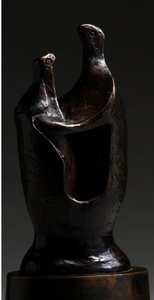
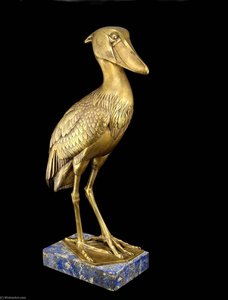
この絵画は、鶏と卵というシンプルなモチーフの中に隠された深い意味を秘めています。「鶏と卵」はドイツの建築家およびデザイナー、リヒャルト・リーメルスミッドが1896年に制作した作品で、彼の芸術的な才能と Jugendstil(ユ gendストイル)と呼ばれる美術様式への献身を示す傑作です。この絵画は、単に鶏と卵というオブジェクトを表現しているだけでなく、当時の社会情勢や芸術家の精神性を反映しています。- 画家について: リヒャルト・リーメルスミッド(1868年生まれ~1957年没)は、ドイツの Jugendstil を代表する建築家でありデザイナーです。彼は美しい家具やガラス工芸品を制作し、都市計画にも携わりました。彼の作品は、その洗練されたデザインと技術によって幅広い人々から愛されています。
- スタイル: この絵画は Jugendstil の特徴である有機的なフォルムと流れるような線條を用いて表現されています。 Jugendstil は自然をモチーフにすることで知られ、優雅さと繊細さを追求する芸術家たちにとって魅力的なスタイルでした。
- 技法: リヒャルト・リーメルスミッドは、銅やブロンズなどの金属素材を使用し、絵画に独特の質感と深みを与えています。彼の技術は、当時の美術技法における最先端を行き渡るものであり、その細部まで完璧に再現された美しいレプリカは、現代においても高い評価を得ています。
- 歴史的背景: この絵画が制作された1896年は、 Jugendstil がヨーロッパで隆盛を極めた時期でした。 Jugendstil は、美術だけでなく建築やデザインなど幅広い分野に影響を与え、当時の社会における美意識と価値観を反映しています。
- 象徴的な意味: 鶏は繁栄と再生の象徴であり、卵は新しい生命の可能性を表します。「鶏と卵」というモチーフは、これらの象徴的な意味合いを通じて、見る人に希望と感動を与えます。この絵画は、単なる芸術作品としてだけでなく、当時の社会情勢や芸術家の精神性を表現した歴史的な遺産としても価値があります。
関連作品

作家の略歴
Émile Bernard: A Pioneer of Synthetism and Breton Modernism
Émile Henri Bernard (1868-1941) was a French painter whose career, though relatively brief, profoundly impacted the trajectory of modern art. Born in Lille, France, into a family marked by hardship – his mother’s laundry business providing a modest but vital income – Bernard's early life instilled within him a deep appreciation for craftsmanship and a keen awareness of social realities. This background would later inform his artistic vision, shaping his commitment to portraying the lives of ordinary people and exploring themes of poverty, spirituality, and the transformative power of art itself. His journey through the vibrant Parisian art scene during the late 19th and early 20th centuries intertwined him with some of the most influential figures of the era, including Vincent van Gogh, Paul Gauguin, and Eugène Boch, ultimately leading him to develop a unique artistic style known as synthetism.Early Influences and Artistic Training
Bernard’s formal training began at the École des Arts Décoratifs in Paris, where he initially experimented with Impressionistic techniques under the guidance of Jean-Léon Gérôme. However, it was his time at the Atelier Cormon that proved pivotal. Here, he encountered a more radical approach to painting, influenced by the Pointillist theories of Georges Seurat and the burgeoning interest in Japanese art. This period saw him develop a meticulous attention to detail and an exploration of color theory, laying the groundwork for his later stylistic innovations. Crucially, it was during this time that Bernard formed close friendships with fellow artists Louis Anquetin and Henri de Toulouse-Lautrec, forging a network of artistic exchange that would prove invaluable throughout his career.The Rise of Synthetism and Breton Modernism
Bernard’s most significant contribution to the art world lies in the development of synthetism – a style characterized by its deliberate simplification of form, flattened perspective, and emphasis on color as an independent expressive element. Rejecting the Impressionist pursuit of capturing fleeting moments of light and atmosphere, Bernard sought to create paintings that were more akin to symbolic representations, conveying emotional states and spiritual ideas through abstract forms and vibrant hues. This approach aligned him with a group of artists known as “Breton Modernists,” including Gauguin, Boch, and van Gogh, who shared a desire to break free from traditional academic conventions and explore new modes of artistic expression. Bernard’s work became deeply intertwined with the burgeoning Breton avant-garde movement, which championed experimentation, social critique, and a rejection of bourgeois values. His paintings often depicted scenes of poverty and hardship, reflecting his own experiences and his empathy for the marginalized members of society.Key Works and Artistic Techniques
Bernard’s oeuvre is remarkably compact, considering the intensity of his artistic output during his relatively short career. Notable works include *Émile Bernard et Paul Gauguin à Atzè* (1897), a poignant depiction of his friendship with Gauguin in Tahiti; *The Breton Women in a Green Pasture* (1888), showcasing his early interest in depicting rural life; and numerous studies of the Parisian working class. His technique involved layering thin washes of color, often applied directly from the tube, to create luminous surfaces and achieve a sense of immediacy. He frequently employed a limited palette, prioritizing complementary colors to heighten visual impact. Bernard’s use of line was equally distinctive, characterized by bold, gestural strokes that conveyed both energy and emotional intensity.Legacy and Historical Significance
Despite his relatively short career, Émile Bernard left an indelible mark on the development of modern art. His pioneering work in synthetism paved the way for later abstract movements, while his commitment to social realism and Breton Modernism contributed significantly to the broader cultural context of the early 20th century. His exploration of spirituality and symbolism resonated with a generation grappling with profound societal changes and seeking new ways to express their beliefs. Today, Bernard’s paintings are recognized as important examples of late-19th and early-20th-century art, offering valuable insights into the complex dynamics of artistic innovation and social transformation. His legacy continues to inspire artists who seek to challenge conventional notions of representation and explore the expressive potential of color and form.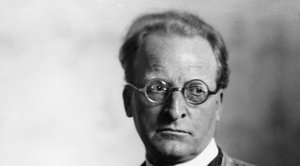
richard riemerschmid (1868–1957), j. winhart & co.
1868 - 1957 , Germany
プロフィール概要
- Artistic Movement Or Style:
- Post-Impressionism
- Cloisonnism
- Synthetism
- Artists Or Movements Influenced By This Artist:
- André Derain
- Maurice Denis
- Artists Who Influenced This Artist:
- Vincent van Gogh
- Paul Gauguin
- Eugène Boch
- Paul Cézanne
- Date Of Birth: April 28, 1868
- Date Of Death: April 16, 1941
- Full Name: Émile Henri Bernard
- Nationality: French
- Notable Artworks:
- Émile Bernard in a Green Pasture
- The Breton Women in a Green Pasture
- Place Of Birth: Lille, France

