

 プレビュー
プレビュー
 プリントを購入
 シェアする
シェアする シェアする
シェアする
 詳細を見る
詳細を見る

 ダウンロード
 似ている作品
 X線調査
X線調査 スライドショー
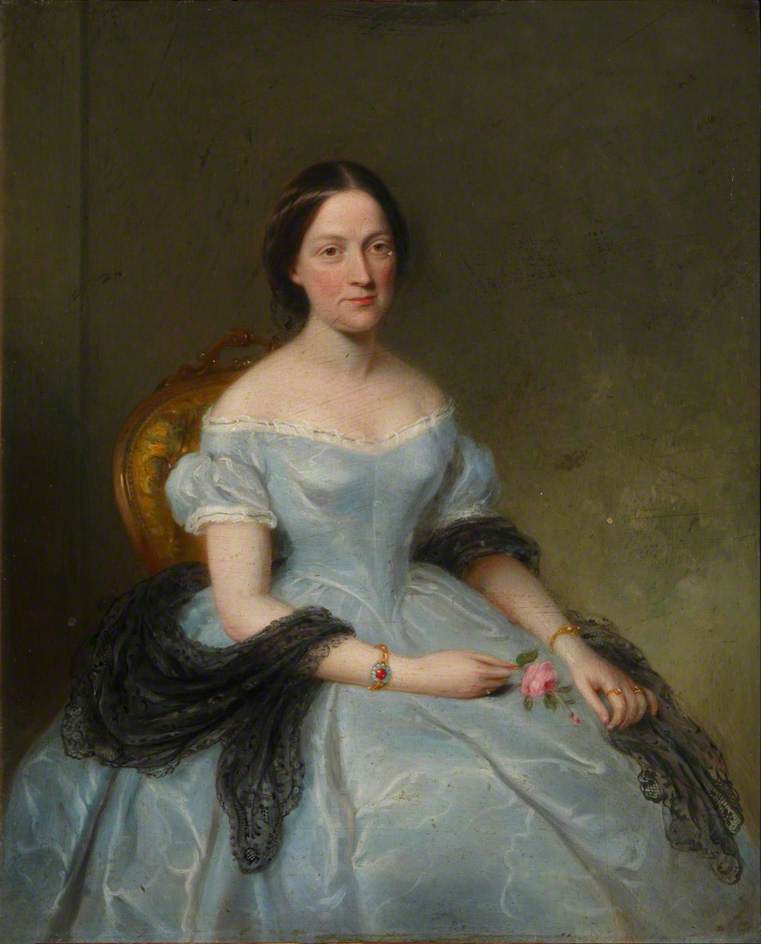
Mary Wollstonecraft Shelley (1797–1851)


 詳細を見る
詳細を見る




































作品のオリジナル比率に合わせた、当店の規定サイズからお選びください。

特定のフレームやスペースに合わせて、ご希望のサイズをご入力いただけます。選択されたサイズが元の画像の比率と異なる場合、アートワークをトリミングするか、手描きで要素を追加して絵画を拡張いたします。デジタルモックアップ を制作し、制作開始前にご確認(承認)をいただきます。
画面上のプレビューは、実際のトリミングや拡張を正確に反映しているものではありません。最終的な構図は、モックアップによってのみ正確にご確認いただけます。
カスタムサイズもご利用いただけますが、元の比率を維持するためには、あらかじめ用意されたリストからサイズを選択することをお勧めいたします。
ご注文後、ArtsDot.com チームより詳細な指示をお送りするとともに、仕上がりイメージ(モックアップ)をご提供いたします。


 ガラスオプションは、110cm未満のサイズでのみご利用いただけます。

Mary Wollstonecraft Shelley (1797–1851)
複製技法
複製画のサイズ
-


合計金額
$ 263
関連作品








アーティストの略歴
The Soul of the Portrait: The Life and Legacy of Richard Rothwell
In the grand tapestry of nineteenth-century art, few threads are as intricately woven with both classical elegance and Romantic emotion as those left by Richard Rothwell. Born in Dublin on November 20, 1800, Rothwell emerged from a background of relative comfort to become a painter whose brush captured not just the likeness of his subjects, but their very essence. His journey was one of constant movement and profound artistic evolution, stretching from the academic halls of Ireland to the vibrant studios of London and the sun-drenched landscapes of Italy. As an artist working during the height of the Romantic era, Rothwell possessed a rare sensitivity to the human form, allowing him to navigate the delicate balance between meticulous realism and the evocative power of light and shadow.
The foundations of his mastery were laid in the Dublin Society's school of art, where he studied with rigorous discipline from 1814 until 1820. It was here that his burgeoning talent first earned formal recognition, marked by the achievement of a silver medal—a precursor to the international acclaim that would follow. His early years were defined by this disciplined training, yet his spirit was always drawn toward larger horizons. By 1829, Rothwell had migrated to London, where he entered the studio of the legendary Sir Thomas Lawrence. This period served as a transformative apprenticeship; under Lawrence’s mentorship, Rothwell absorbed the sophisticated techniques of high-society portraiture, learning how to imbue a canvas with dignity, status, and a certain luminous grace that would become hallmarks of his own style.
A Journey Through Light and Landscape
The death of Sir Thomas Lawrence in 1830 presented Rothwell with both a profound challenge and a monumental opportunity. Tasked with completing many of his master's unfinished works, Rothwell found himself momentarily positioned as a successor to one of Britain’s most celebrated portraitists. During the years between 1829 and 1831, he reached the zenith of his professional influence. However, rather than resting upon the laurels of portraiture alone, Rothwell sought a deeper connection to the roots of classical art. This ambition led him on an extensive tour of Italy from 1831 to 1834, a pilgrimage intended to study the masters and refine his ability to compose grand history paintings.
This Italian sojourn infused his work with a new dimension of light and atmosphere. While he remained a specialist in portraiture, his encounters with the Italian landscape tradition introduced a sense of veduta and classical grandeur to his oeuvre. His portraits from this era often reflect a more profound, contemplative depth, moving beyond mere social documentation toward something more poetic. Even as his popularity fluctuated following his return to London, Rothwell’s technical prowess remained undiminished. Whether capturing the delicate features of Miss Knowles in 1850 or the rugged, youthful innocence of The Little Roamer in 1843, his ability to manipulate oil on canvas allowed him to communicate a wide spectrum of human experience.
Final Years and Enduring Significance
The later years of Rothwell’s life were as geographically diverse as his early career, with his work finding audiences in the United States, Ireland, and across Europe. Despite the shifting tides of art movements—from the structured elegance of his training to the more emotive textures of the mid-century—Rothwell remained steadfast in his commitment to craftsmanship. His personal life was marked by stability amidst his travels, notably through his marriage to Rosa Marshall in 1842, yet his professional life remained a restless pursuit of beauty.
The end of his journey came far from his Dublin birthplace. In 1868, while working in Rome—the very city that had once inspired his artistic expansion—Rothwell contracted a fever that claimed his life. He was laid to rest in the Protestant Cemetery in Rome, a fitting final resting place for an artist whose soul was so deeply connected to the classical traditions of the Mediterranean. Today, Richard Rothwell is remembered not merely as an assistant to a master, but as a significant figure in nineteenth-century art whose works continue to resonate with their:
- Meticulous craftsmanship and attention to anatomical detail;
- Romantic sensibility that captured the psychological depth of his sitters;
- Versatile mastery of both the intimate portrait and the expansive, light-filled landscape.
richard rothwell
1800 - 1868
基本情報
- Artistic Movement Or Style: Portrait painting; Luminism
- Artists Or Movements Influenced By This Artist: ['Hudson River School']
- Artists Who Influenced This Artist: ['Thomas Lawrence']
- Date Of Death: 1868
- Full Name: Richard Rothwell
- Nationality: Irish
- Notable Artworks:
- The Little Roamer
- William Huskisson
- Place Of Birth: Dublin, Ireland

