

 プレビュー
プレビュー
 シェアする
シェアする シェアする
シェアする
 詳細を見る
詳細を見る

 ダウンロード
 似ている作品
 X線調査
X線調査 スライドショー
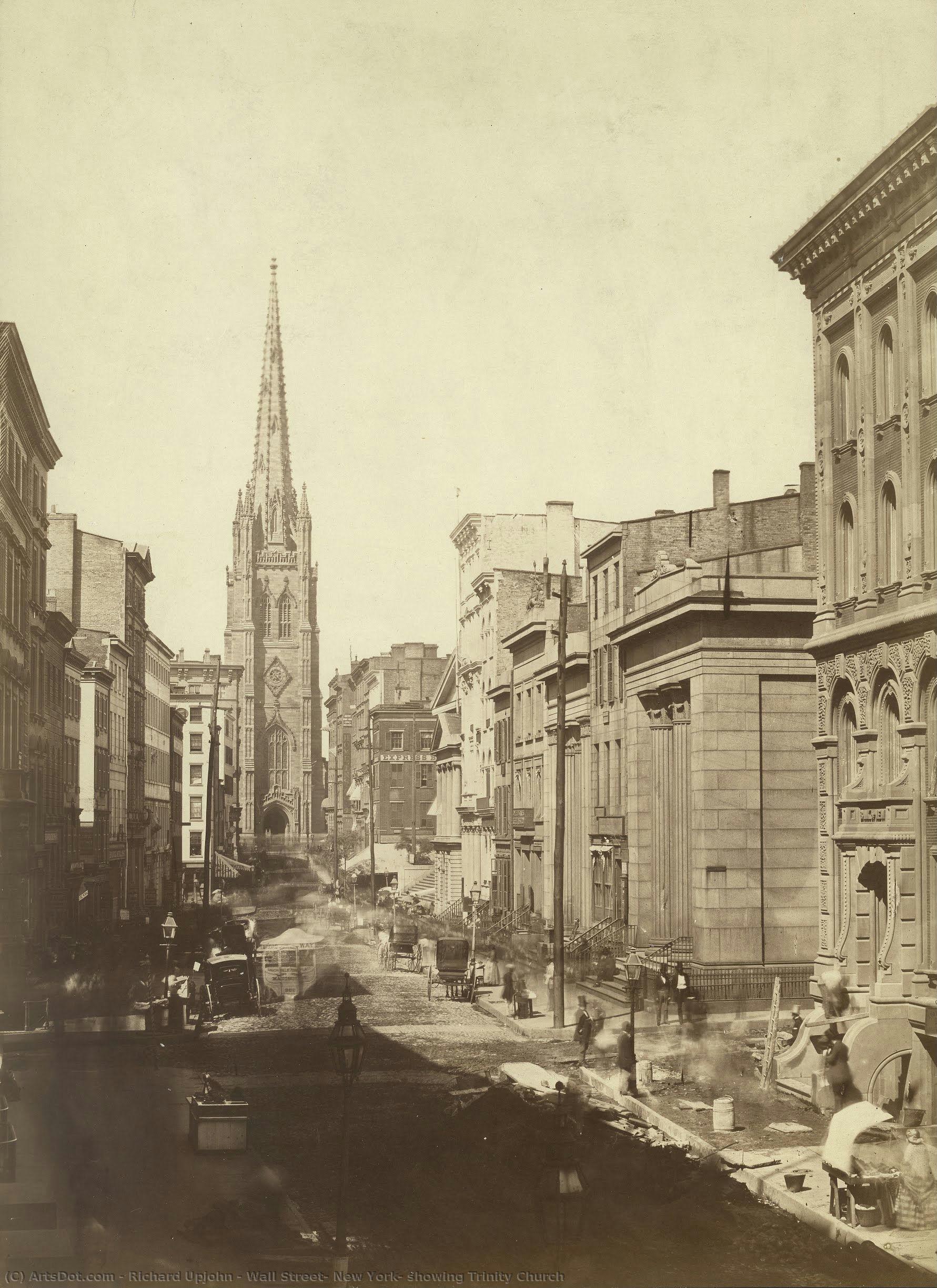
Wall Street, New York, showing Trinity Church


 詳細を見る
詳細を見る
ジークレー/アートプリント
迅速な制作と多彩な仕上げオプションを備えた、ミュージアムクオリティのジークレーまたはキャンバスプリント。 ( 手描きの絵画を購入 画像を購入)




P118B $10

P118H $10

P118W $10

P438Z $10

P508JH $12

P508YH $12

P805H $10

P805Z $10

P919BZ $10

P919G $10

P919XJ $10

P959ZH $10

P968JZ $12

W106C $8

W218G $10

W218JH $8

W218Y $10

W307PJ $10

W316G $10

W316PJ $8

W316Y $10

W398PJ $8

W4111J $10

W500HY $15

W500JH $15

W692G $12

W849H $8

W940BG $15

W953PJ $8




作品のオリジナル比率に合わせた、当店の規定サイズからお選びください。

特定のフレームやスペースに合わせて、ご自身でサイズを指定することも可能です。選択されたサイズが元の画像の比率と一致しない場合、作品をトリミングするか、鏡面反射または単色での塗りつぶしによって画像を拡張いたします。制作を開始する前に、ご確認用のデジタルモックアップをお送りいたします。
画面上のプレビューには、実際のトリミングや拡張は反映されませんのでご注意ください。最終的な構図を正確に確認できるのは、モックアップのみとなります。
カスタムサイズも承っておりますが、元の比率を維持するためには、あらかじめ用意されたリストからサイズを選択することをお勧めいたします。


 ガラスオプションは、110cm未満のサイズでのみご利用いただけます。

Wall Street, New York, showing Trinity Church
ジークレー/アートプリント
複製画のサイズ
-


合計金額
$ 62
作品詳細説明
Richard Upjohn: Architect of Gothic Grace and American Vision
Richard Upjohn (1802-1878) stands as a pivotal figure in Victorian British architecture, particularly renowned for his unwavering dedication to the Gothic Revival movement and his instrumental role in establishing Italianate style’s prominence across America. Born in Shaftesbury, England, Upjohn's artistic journey began humbly – apprenticed to a cabinetmaker – yet swiftly ascended to become one of the era’s most celebrated builders, shaping landscapes both spiritual and civic with enduring beauty. His legacy extends beyond mere construction; he championed an aesthetic rooted in reverence for tradition and a profound understanding of spatial harmony.Early Life and Architectural Training
Upjohn’s formative years instilled within him a deep appreciation for craftsmanship and meticulous design. Unlike many architects of his time who pursued formal academic training, Upjohn honed his skills through practical experience, absorbing the principles of Gothic architecture from influential mentors like George Gilbert Scott. This hands-on approach proved invaluable as he embarked on a career that would redefine American ecclesiastical spaces. He meticulously studied the soaring arches, ribbed vaults, and stained glass windows of European cathedrals—elements he skillfully translated into monumental structures reflecting the moral values of his time.The Gothic Revival in America
Upjohn’s arrival in New York City marked the beginning of a transformative period for American architecture. Recognizing the need for buildings that embodied grandeur and spiritual aspiration, he spearheaded the revival of Gothic style, adapting its forms to suit the climate and sensibilities of the burgeoning nation. His designs prioritized verticality—a deliberate gesture toward heaven—and incorporated intricate ornamentation inspired by medieval churches. The Trinity Church project exemplifies this vision perfectly: a testament to Victorian faith and architectural innovation that continues to inspire awe today.Trinity Church: A Masterpiece of Gothic Revival
The Trinity Church on Wall Street, completed in 1846, remains arguably Upjohn’s most iconic achievement. Situated at the heart of New York City's financial district, it stands as a symbol of resilience and enduring faith amidst the bustle of urban life. Upjohn skillfully utilized limestone—a material chosen for its durability and visual richness—to create a cathedral-like interior bathed in natural light filtered through magnificent stained glass windows depicting biblical scenes. The soaring nave and ribbed vaulting evoke a sense of solemn grandeur, reflecting the spiritual aspirations of the Victorian era. Furthermore, the church’s sculptural program—featuring figures representing Christ, Mary Magdalene, and Saint Luke—adds layers of symbolic meaning to its architectural form.Beyond Architecture: Shaping American Identity
Richard Upjohn's influence extended far beyond his buildings; he was a founding member of the American Institute of Architects (AIA), establishing it in 1857 as a beacon for promoting excellence and fostering collaboration within the profession. He championed the importance of education and professional standards, shaping the trajectory of American architectural practice for generations to come. His commitment to preserving historic buildings and advocating for thoughtful urban planning cemented his place as one of the foremost voices on matters of civic responsibility—a legacy that continues to resonate in contemporary discussions about architecture’s role in shaping our cultural landscape.関連作品




アーティストの略歴
The Architect of Gothic Grace and American Vision
Richard Upjohn stands as a pivotal figure in the architectural tapestry of the nineteenth century, a man whose vision bridged the gap between the ancient traditions of Britain and the burgeoning spirit of America. Born in 1802 in the quiet town of Shaftesbury, England, Upjohn’s journey into the world of design did not begin in the hallowed halls of an academy, but rather through the tactile, hands-on discipline of a cabinetmaker's apprentice. This early immersion in the fine details of woodwork and craftsmanship instilled in him a profound respect for material and ornament that would later define his monumental stone structures. As he transitioned from a master-mechanic to a celebrated architect, Upjohn carried with him an innate understanding of how structural integrity and aesthetic beauty must dance in perfect harmony.
The migration of the Upjohn family to the United States in 1829 marked a transformative chapter for both the man and the American landscape. Settling initially in Massachusetts before finding his true professional home in New York City, Upjohn arrived at a moment when the young nation was searching for an architectural identity that could convey permanence, piety, and grandeur. Drawing inspiration from the masters of the English Gothic Revival, such as George Gilbert Scott, he began to translate the soaring verticality and intricate ribbed vaults of European cathedlam into a uniquely American vernacular. His work became a vessel for spiritual aspiration, utilizing pointed arches and stained glass to draw the eye—and the soul—upward toward the heavens.
A Legacy Carved in Stone and Spirit
The zenith of Upjohn’s career is perhaps best embodied by the breathtaking Trinity Church on Wall Street. Completed in 1846, this masterpiece serves as a triumphant testament to his ability to marry technical engineering with profound theological symbolism. The church, with its commanding presence and intricate ornamentation, became an enduring icon of New York City, representing a triumph of the Gothic Revival movement. Beyond the grand cathedrals, Upjohn’s influence permeated even the most remote corners of the American frontier. Through his influential publication, "Upjohn's rural architecture," he provided working drawings and specifications that allowed for the construction of beautiful wooden churches across the countryside, ensuring that his aesthetic of grace and reverence could flourish far beyond the urban centers.
His contributions to the profession were not limited to the drafting table; Upjohn was a foundational pillar of the architectural community itself. His leadership and commitment to professional standards led to several monumental achievements:
- Co-founding the American Institute of Architects (AIA): In 1857, Upjohn stood alongside thirteen other architects to establish this vital organization, shaping the future of architectural practice in the United States.
- First President of the AIA: Serving as the inaugural president from 1857 to 1876, he provided the steady hand necessary to guide the profession through a period of rapid national growth.
- Popularization of the Italianate Style: While famed for his Gothic churches, Upjohn was also instrumental in introducing and refining the Italianate style, adding a layer of classical elegance to American civic and residential design.
As we look upon the enduring skylines and sacred spaces shaped by his hand, Richard Upjohn remains more than just an architect; he was a visionary who understood that buildings are the silent narrators of a culture's values. His ability to blend the rugged practicality of his early training with the ethereal beauty of Gothic design left an indelible mark on the American identity, creating a legacy of stone and spirit that continues to inspire awe more than a century after his passing.
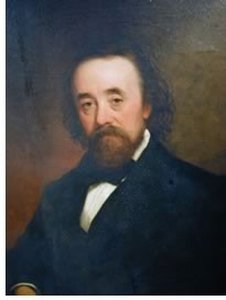
Richard Upjohn
1802 - 1878 , United Kingdom
基本情報
- Artistic Movement Or Style: Gothic Revival & Italianate
- Artists Or Movements Influenced By This Artist: ['Italianate Architecture']
- Artists Who Influenced This Artist: ['']
- Date Of Birth: January 22, 1802
- Date Of Death: August 16, 1878
- Full Name: Richard Upjohn
- Nationality: British
- Notable Artworks:
- Trinity Church
- St. Patrick's Cathedral
- Christ Church
- Place Of Birth: Shaftesbury, United Kingdom
関連記事
高級デザインにおけるフレスコ画の隆盛:壁画芸術の再興と新たな表現
ホテルデザインを格上げするフレスコ画の魅力とは?古代から現代までの歴史、技法、デザインプロセスを解説。ArtsDot.comでカスタムオーダーも可能です。空間を彩る壁画芸術の世界をご体験ください。

現代ストリート・アートの隆盛:ギャラリーの壁を超えた文化的反省と歴史的背景
現代ストリート・アートの隆盛を歴史的背景と社会的反省の視点から深く掘り下げます。ギャラリーとの関係性、日本における独自性、コレクターズ視点まで網羅。高品質なアートコレクションのための情報を提供します。

Documentary Photography's Defining Moments: 10 Masterpieces for Your Home |
Explore 10 defining documentary photography masterpieces – from Dorothea Lange to Robert Capa. Discover powerful stories, iconic images & timeless art for your home. Museum-quality prints at .

Transforming Spaces: A Comprehensive Exploration of Wall Decor Through Art History & Contemporary Practice
Explore the art of transforming spaces with our comprehensive guide to wall decor. From historical movements to contemporary trends, discover how to curate impactful interiors and commission bespoke artwork for a truly personalized aesthetic.

Beyond Graffiti: Exploring the Evolution & Cultural Impact of Street Art for Collectors
Explore the evolution of street art from rebellious origins to a respected fine art form. Discover key artists like Banksy & learn how to collect urban art with confidence. Expert insights for discerning investors.

