

 プレビュー
プレビュー
 プリントを購入
 シェアする
シェアする シェアする
シェアする
 詳細を見る
詳細を見る

 ダウンロード
 似ている作品
 X線調査
X線調査 スライドショー
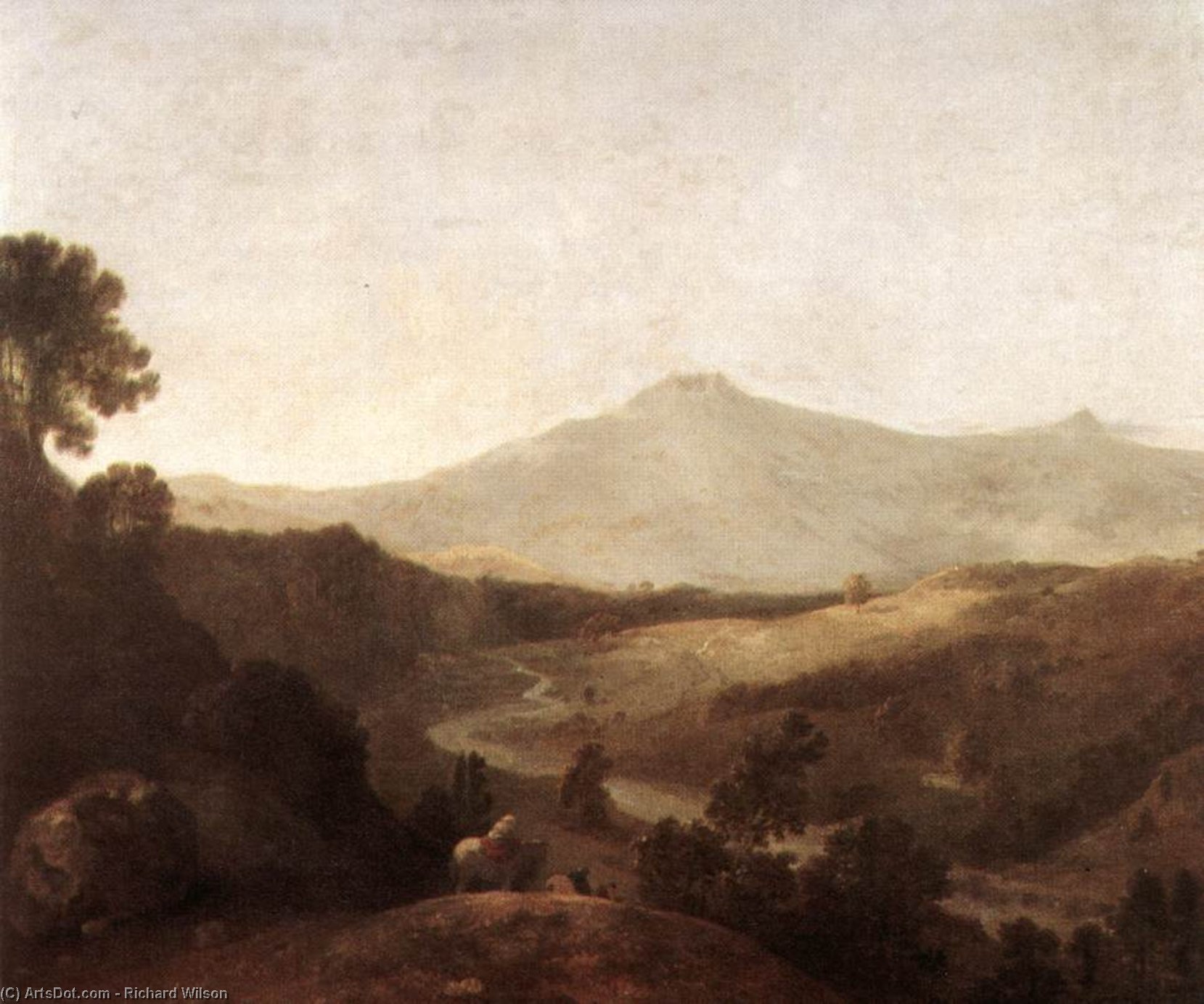
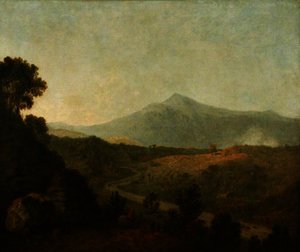
The Mawddach Valley and Cader Idris
 Acrylic On Canvas
- WallArt
- British Landscape Painting
 1774
1774 102.0 x 107.0 cm
 ウォーカー・アート・ギャラリー
 詳細を見る
詳細を見る




P118B $10

P118H $10

P118W $10

P438Z $10

P508JH $12

P508YH $12

P805H $10

P805Z $10

P919BZ $10

P919G $10

P919XJ $10

P959ZH $10

P968JZ $12

W106C $8

W218G $10

W218JH $8

W218Y $10

W307PJ $10

W316G $10

W316PJ $8

W316Y $10

W398PJ $8

W4111J $10

W500HY $15

W500JH $15

W692G $12

W849H $8

W940BG $15

W953PJ $8




作品のオリジナル比率に合わせた、当店の規定サイズからお選びください。

特定のフレームやスペースに合わせて、ご希望のサイズをご入力いただけます。選択されたサイズが元の画像の比率と異なる場合、アートワークをトリミングするか、手描きで要素を追加して絵画を拡張いたします。デジタルモックアップ を制作し、制作開始前にご確認(承認)をいただきます。
画面上のプレビューは、実際のトリミングや拡張を正確に反映しているものではありません。最終的な構図は、モックアップによってのみ正確にご確認いただけます。
カスタムサイズもご利用いただけますが、元の比率を維持するためには、あらかじめ用意されたリストからサイズを選択することをお勧めいたします。
ご注文後、ArtsDot.com チームより詳細な指示をお送りするとともに、仕上がりイメージ(モックアップ)をご提供いたします。


 ガラスオプションは、110cm未満のサイズでのみご利用いただけます。

The Mawddach Valley and Cader Idris
複製技法
複製画のサイズ
-


合計金額
$ 263
作品解説
The Majesty of Cader Idris: Richard Wilson’s Vision of Welsh Wilderness
Richard Wilson's “The Mawddach Valley and Cader Idris” isn’t merely a landscape painting; it’s a profound meditation on the relationship between humanity and the untamed heart of Wales. Completed in 1774, this remarkable work captures not just the physical grandeur of the Snowdonia National Park but also an atmosphere of serene contemplation – a feeling that resonates powerfully even today. Wilson, a pivotal figure in establishing landscape painting as a respected genre within British art, moved away from the prevailing portraiture style of his time to embrace the evocative power of nature, influenced by the Italian masters and the burgeoning Romantic movement.
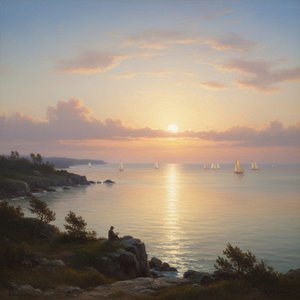
The scene unfolds with breathtaking clarity: the imposing bulk of Cader Idris dominates the background, its jagged peaks piercing a dramatic, cloud-strewn sky. Below, the Mawddach Valley snakes through the landscape, reflecting the light in shimmering ribbons. The foreground is populated by a small herd of sheep grazing peacefully on a hillside, adding a touch of domesticity to this otherwise wild vista. Noticeably absent are any figures – no shepherds, no travelers, only the quiet presence of nature itself. This deliberate absence invites the viewer to become an active participant in the scene, projecting their own emotions and experiences onto the landscape.
A Masterclass in Rococo Technique
Wilson’s skill lies not just in his depiction of the scenery but also in his masterful use of technique. Executed in oil on canvas, the painting demonstrates a remarkable command of color and light. He employs a subtle, almost pastel palette – predominantly blues, greens, and greys – to create a sense of atmospheric depth. The brushstrokes are delicate yet confident, building up layers of paint to achieve a luminous quality. The artist’s attention to detail is evident in the rendering of the rocks, the foliage, and even the individual sheep, each rendered with meticulous precision.
Wilson's approach aligns closely with the Rococo style, particularly in his use of light and shadow to create mood and atmosphere. However, unlike the frivolous ornamentation often associated with Rococo, Wilson’s work possesses a quiet dignity and seriousness. He was deeply influenced by the Italian landscape painters of the 17th century, notably Poussin and Claude Lorrain, who emphasized the spiritual significance of nature. The composition itself is carefully balanced, drawing the eye upwards towards the majestic Cader Idris while simultaneously grounding it in the peaceful valley below.
Symbolism and the Romantic Spirit
Beyond its technical brilliance, “The Mawddach Valley and Cader Idris” is rich in symbolic meaning. Cader Idris, a mountain steeped in Welsh mythology and folklore, represents both strength and mystery – a formidable natural force that commands respect. The sheep, symbols of innocence and simplicity, suggest a harmonious relationship between humanity and the land. The painting can be interpreted as an ode to the beauty and tranquility of the Welsh countryside, a celebration of the restorative power of nature.
Furthermore, the work anticipates the Romantic movement’s emphasis on emotion, imagination, and the sublime. Wilson captures not just the outward appearance of the landscape but also its emotional resonance – the feeling of awe and wonder that one experiences when confronted with the grandeur of nature. It's a scene designed to evoke contemplation and a sense of connection to something larger than oneself.
Bringing the Vision Home: A High-Quality Reproduction
A reproduction of “The Mawddach Valley and Cader Idris” offers a remarkable opportunity to bring this iconic Welsh landscape into your home or office. ArtsDot’s meticulous hand-painted reproductions faithfully capture the original's luminous quality, color palette, and atmospheric depth. Available in a generous 102 x 107 cm size, this artwork will serve as a stunning focal point in any room, transporting you to the serene beauty of the Mawddach Valley and Cader Idris. Consider it not just a painting, but a window into the heart of Wales – a testament to Richard Wilson’s artistic vision and the enduring power of nature.
関連作品
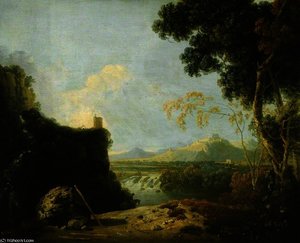
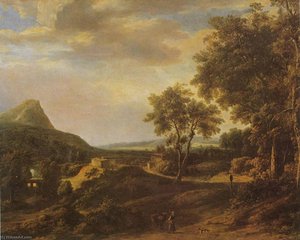
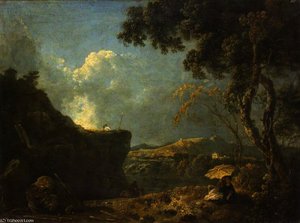
アーティストの略歴
リチャード・ウィルソン:英国風景画の先駆者
初期の生涯と修練
リチャード・ウィルソンは1713年7月24日、英国イズリントンに生を受けました。彼の幼少期に関する詳細な記録は乏しいものの、基礎的な芸術教育を受けていたことは間違いありません。ウィルソンの初期の技量は、独学や鋭い観察眼、あるいは当時の他の画家たちとの交流を通じて磨かれたものと考えられています。その作品には古典的な技法への深い理解が刻まれており、芸術の根幹となる原理を習得しようとする、彼の真摯な探求心が伺えます。
芸術的キャリアとその変遷
ウィルソンの芸術的な旅路は、二つの鮮明な局面を経て展開されました。当初、彼は肖像画家としてのキャリアをスタートさせましたが、やがて自身が今日最も称賛されるジャンルである風景画へとその筆致を移していきました。この転換は、英国美術史における決定的な瞬間となりました。彼の描く風景は、単なる景色の写し鏡ではありませんでした。それは、大気と感情が豊かに吹き込まれた、緻密に構成された叙事詩だったのです。
- 初期の影響: 当初、ウィルソンの肖像画にはゴドフリー・ネルラーのような確立された巨匠たちの影響が見て取れました。
- 風景画への転換: 1752年頃のイタリア旅行は、彼の人生を劇的に変えるものとなりました。イタリア的な風景やクロード・ロランの作品との出会いが、彼のスタイルに深い衝撃を与えたのです。
- 成熟した様式: ウィルソンは、古典的な理想と英国の田園地帯特有の情緒を融合させることで、独自の英国的風景画のアプローチを確立しました。
影響と芸術的スタイル
リチャード・ウィルソンの表現に最も大きな影響を与えたのは、トマス・ゲインズボローでした。彼はゲインズボローが光と大気を捉える卓越した手腕に深く心酔し、その技法を自身の作品へと取り入れました。しかし、ウィルソンはより意図的な構図の構築と、理想化された美への強いこだわりによって、独自の地位を築き上げたのです。
- 古典的構成: ウィルソンは風景画の中に、均衡と調和という古典的な原理をしばしば用いました。
- 空気遠近法: 彼は空気遠近法を巧みに操ることで、画面に奥行きと果てしない距離感を生み出しました。
- 黄金色の光: 彼の絵画を象徴するのは、見る者の心に静寂をもたらす、温かみのある黄金色の光です。
代表作と偉大な業績
ウィルソンの卓越した技量は、数々の名作に結実しています。
- メレアグロスとアタランテ(1743年頃): この作品は、英国の田園風景の本質を捉える彼の類まれな才能を物語っています。
- ヘンゴの監視(1756-57年): 光、色彩、そして構図が見事に調和した、彼の最高傑作の一つです。
- その他の数多くの風景画: 彼は英国およびイタリアの様々な地を描いた、膨大な数の作品群を遺しました。
歴史的意義と遺産
リチャード・ウィルソンは、英国風景画の発展における極めて重要な人物と見なされています。彼は、英国の田園地帯が持つ芸術的な可能性を提示することで、フランシス・コーツをはじめとする後世の画家たちの道を切り拓きました。自然の美しさと静謐さを捉えようとする彼の情熱は、英国独自の風景画の伝統を確立する礎となったのです。
- 肖像画からの脱却: ウィルソンの風景画への傾倒は、当時の英国美術において主流であった肖像画の支配的な地位に挑戦するものでした。
- 国家的アイデンティティ: 彼の作品は、ブリテン諸島の美しさに対する誇りと、高まりつつあった国家的なアイデンティティの形成に寄与しました。
- 永続する影響: ウィルソンの芸術は、今なお多くの画家や美術愛好家にインスピレーションを与え続け、美術史における重要人物としての地位を揺るぎないものにしています。
美術館コレクション
ウィルソンの作品は、以下の主要な美術館に収蔵されています:
- テート・ブリテン(ロンドン、英国)
- ウォーカー・アート・ギャラリー(リヴァプール、英国)
- ウェールズ国立博物館(カーディフ、英国)
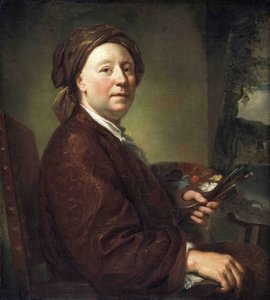
リチャード・ウィルソン
1713 - 1782 , イギリス
基本情報
- Influenced: ['フランシス・コーツ']
- Movement: イギリス風景画
- Name: リチャード・ウィルソン
- Nationality: イギリス
関連記事

Richard Wilson: Deconstructing Landscape & Memory in Contemporary Installation Art
Explore Richard Wilson's groundbreaking landscape paintings & his enduring influence on contemporary installation art. Discover investment opportunities, provenance insights & the materiality of memory in this expert analysis.
William Trost Richards: Luminism, Spirituality & the American Landscape Tradition
Explore the captivating landscapes of William Trost Richards, a master of Luminism associated with both the Hudson River School & American Pre-Raphaelite movements. Discover his spiritual connection to nature and lasting influence on American art.

ロマン派ランドスケープ:時代を彩る巨匠の10選|アートとインテリアの世界
ロマン派絵画の時代を彩る10選。巨匠たちの風景が織りなす感動の世界へ。ターナー、ルーベンスなど、名作の裏話と高精細複製でアートをお部屋に。ArtsDot.comで至福のアート体験を。

Evocations of Place: A Historical Journey Through Landscape Art
Explore the rich history of landscape art with ArtsDot. Discover renowned artists, movements like Impressionism & Romanticism, and expert guidance for collecting timeless pieces. Find your perfect serene escape today!

ジョン・コンスタブルの傑作25選:英国風景画の巨匠が描く自然と光の詩 | ArtsDot
ジョン・コンスタブルの傑作25選。英国風景画の巨匠が描く自然と光の詩の世界へ。ロマン主義を代表する絵画、デダム・ヴェールやヘイ・ウェインなど、ArtsDotで高品質なアートプリントをお楽しみください。インテリアに深みと感動を。コレクションはこちら。

