

 プレビュー
プレビュー
 シェアする
シェアする シェアする
シェアする
 詳細を見る
詳細を見る

 ダウンロード
 似ている作品
 X線調査
X線調査 スライドショー
 統計情報
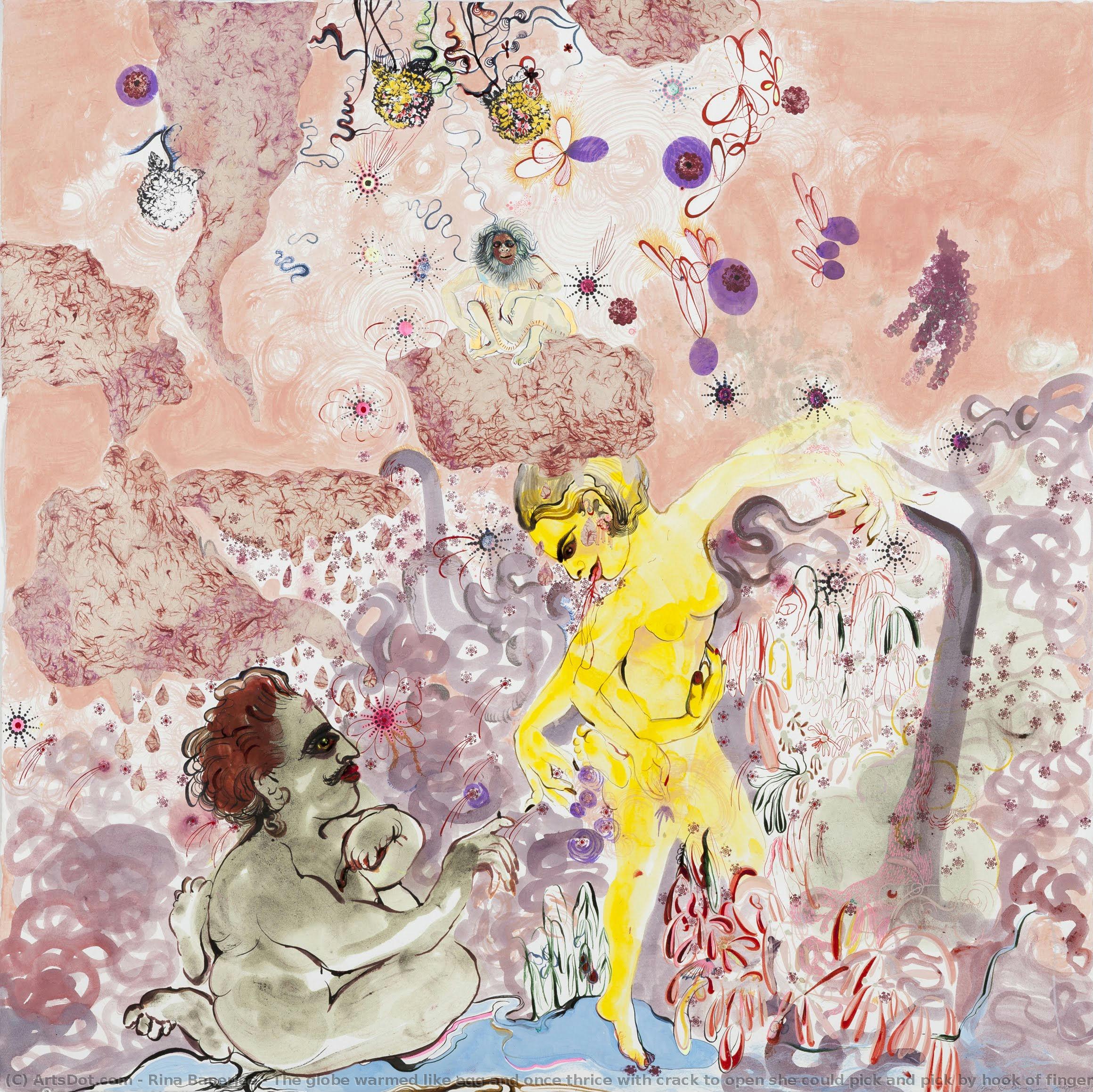
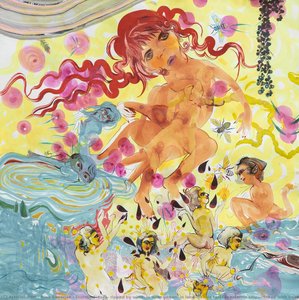
統計情報The globe warmed like egg and once thrice with crack to open she could pick and pick by hook of finger, eating-eaten in the curl of nails one a terrible beauty of faithful spouse she is yellow in all battles


 詳細を見る
詳細を見る
オンラインプレビューをはるかに凌ぐ、高解像度で鮮明なデジタル画像をご購入いただけます。
各ファイルは、社内の専門家が高度なツールと熟練した手作業によるレタッチを用いて、細心の注意を払って準備されています。すべての画像において、卓越した鮮明度、正確な色彩再現性、そして繊細なディテールを保証いたします。
最終ファイルは、プロフェッショナルな編集・印刷環境ですぐにご利用いただけるよう最適化された状態で、72時間以内にメールにてお届けいたします。これは、一流のデザインスタジオ、出版社、ギャラリーから信頼されているものと同等の品質です。
デジタルアート
個人での鑑賞、印刷、クリエイティブなプロジェクト用に、高解像度ファイルをダウンロードできます。 ( プリント版に切り替え 手描きの絵画を購入)
デジタル画像のご注文に付随する特典
高品質なデジタル画像配信を、確かな品質で。
ArtsDot.com を選ぶことは、単に画像を手に入れることではありません。それは、プロの手によって精密に仕上げられ、満足保証が付いた高品質なデジタルアートワークを受け取ることを意味します。ご注文いただいた際に自動的に付随する内容は、以下の通りです:

メールですぐにお届け
ご注文から72時間以内に、高解像度のデジタル画像ファイルがメールでお手元に届きます。すぐにそのままご利用いただけます。

AI技術で最適化されたデジタルファイル
お客様の作品は、高度なAIツールと専門家による手作業の編集を組み合わせてプロフェッショナルに最適化されており、細部のディテール、鮮明さ、そして正確な色再現性を最大限に引き出しています。

一生涯無料の再送サービス
ファイルを誤って削除したり、紛失してしまったりしましたか?ご安心ください。いつでも無料で再送いたします。

輸入手数料は一切かかりません
関税や手数料、配送料を気にすることなく、お気に入りのアートワークをすぐにお楽しみいただけます。デジタルダウンロードは常に免税です。

色彩再現の保証
プロ仕様のツールとカラーマネジメント技術を用いることで、デジタル画像が元の色を最大限に忠実に再現することを保証いたします。

100日間満足保証
ご購入いただいたデジタル画像にご満足いただけない場合は、100日以内であれば、理由を問わず修正または100%の返金対応をさせていただきます。

100% 返金保証
ご満足いただけない場合は、デジタルファイルを受け取ってから100日以内であれば、理由を問わず全額返金いたします。

まとめ買い割引
3枚購入で10%OFF - 5枚購入で15%OFF - 10枚以上購入で20%OFF。クリエイティブなプロジェクト、ギャラリー、エージェンシーに最適です。
Rina Banerjee’s “The Globe Warmed Like Egg…” – A Descent into Surreal Desire
Rina Banerjee's "The Globe Warmed Like Egg…" is not merely a painting; it’s an immersion, a carefully constructed dreamscape rendered in watercolor and ink with the unsettling beauty of a submerged memory. The artwork immediately arrests the viewer with its palette—a symphony of soft pinks and peaches that evoke both warmth and decay, mirroring the central image: a globe fractured like a yolk, repeatedly broken open to reveal a figure consumed by an almost devotional act. This initial impression quickly yields to a deeper engagement, revealing layers of symbolism and technique that speak to themes of displacement, desire, and the haunting weight of history.
- Subject Matter: The composition centers around a female figure, rendered in delicate lines and suggestive forms, engaged in an act of extraction – ‘picking’ with her fingers, ‘eating-eaten’ within the curl of her nails. This ambiguous action, coupled with the fractured globe, suggests a primal connection to the earth, a desperate attempt to reclaim something lost or irrevocably altered.
- Style and Technique: Banerjee's style is firmly rooted in Surrealism and Symbolism, yet possesses a distinctly contemporary sensibility. The loose, flowing lines create a sense of instability and movement, while the layered application of watercolor and ink generates a remarkable textural richness. Collage elements subtly enhance this effect, adding to the artwork’s fragmented, dreamlike quality.
A Dialogue with Colonial Memory
Banerjee's work is deeply informed by her own experiences as an artist navigating cultural identity and displacement. “The Globe Warmed Like Egg…” can be interpreted as a response to the legacy of colonialism – the shattered globe representing the fractured world order, while the materials incorporated (though not explicitly visible in this reproduction) often draw upon colonial artifacts, textiles, and fashion items, echoing the accumulation of objects that mark migration and exile. The yellow hue associated with the figure is particularly evocative, referencing historical pigments used in colonial contexts and subtly hinting at a complex relationship with power and representation.
Symbolism and Emotional Resonance
The recurring motif of the cracked globe speaks to vulnerability, fragility, and the potential for catastrophic change. The flowers, rendered with meticulous detail, could represent fleeting beauty or ephemeral emotions – symbols that are both alluring and ultimately transient. The figure’s expression, a blend of vulnerability and intensity, invites viewers to contemplate their own relationship to desire, loss, and the search for meaning in an uncertain world. The overall effect is profoundly melancholic, yet undeniably captivating.
Historical Context and Artistic Influence
Born in Kolkata in 1963, Rina Banerjee’s artistic practice emerged from a context of globalization and increasing cultural exchange. Her work builds upon the traditions of Symbolism and Surrealism while simultaneously challenging established art historical narratives. Influenced by artists such as Max Ernst and Leonora Carrington, Banerjee creates works that are both deeply personal and universally resonant, inviting viewers to confront complex questions about identity, memory, and the human condition. This piece exemplifies her signature approach: a meticulous layering of materials and ideas to create evocative narratives that grapple with profound themes.
関連作品
作家の略歴
The Alchemist of Assemblage: The Transnational Vision of Rina Banerjee
In the sprawling, sensory-rich landscapes of contemporary sculpture, few voices resonate with as much intricate complexity as that of Rina Banerjee. Born in 1963 in the vibrant, historic city of Kolkata, India, Banerjee’s life and art are defined by a profound sense of movement and the beautiful, often turbulent, intersections of disparate worlds. Her journey—stretching from the cultural heart of Bengal to the cosmopolitan energy of London and eventually to New York City—has gifted her with a unique perspective on what it means to exist within the post-colonial diaspora. This biographical tapestry is not merely a personal history but the very foundation of an artistic practice that seeks to map the splintered experiences of identity, migration, and memory.
Before she became a master of sculptural assemblage, Banerjee’s intellectual path was marked by a rigorous scientific curiosity; she earned a degree in Polymer Engineering and worked as a research chemist. This background in the structural and the molecular perhaps informs the meticulous way she deconstructs and reconstructs her materials. Her formal artistic training at the College of Santa Fe and later at the Pratt Institute provided the technical scaffolding for her burgeoning vision, but it was her MFA from Yale University that truly refined her ability to weave complex narratives through medium and form. In her hands, the act of creation becomes a form of alchemy, where the discarded and the precious are fused into something entirely new.
A Material Language of Memory and Displacement
To encounter a work by Rina Banerjee is to enter a dreamscape where the boundaries between the organic and the manufactured, the ancient and the contemporary, begin to dissolve. Her primary method—assemblage—is far more than a technical choice; it is a conceptual necessity. She gathers a vast, eclectic array of materials: textiles, feathers, beads, epoxy horns, glass bottles, and antique porcelain dolls. By juxtaposing mass-produced trinkets from the tourist trade with rare ethnographic specimens and colonial artifacts, she creates a tension that mirrors the friction of globalized commerce and historical power dynamics.
Her sculptures are often described as hyper-ornamented and lushly seductive, yet beneath this surface of beauty lies a deeper, more unsettling exploration of trauma and transformation. Through her use of layered fabrics and found objects, she evokes the physical and emotional residue of colonialism. Her work does not merely represent migration; it embodies the very sensation of being "disrobed, torn, or ripped by wind," reflecting the precariousness of the expatriated experience. In her paintings and drawings, this theme continues through chimerical landscapes where female figures float in states of metamorphosis, often blending with the features of birds or beasts to suggest a fluid, ever-changing sense of self.
Global Recognition and Artistic Legacy
The significance of Banerjee’s contribution to contemporary art is reflected in her monumental presence on the international stage. Her career has been marked by prestigious exhibitions that have brought her complex narratives to the world's most esteemed institutions. Notable achievements include:
- Major Retrospectives: Her mid-career retrospective at the Pennsylvania Academy of the Fine Arts (PAFA), which traveled to the Frist Art Museum in Nashville and the San Jose Museum of Art, solidified her status as a leading figure in contemporary sculpture.
- Biennale Participation: Her inclusion in the 55th and 57th Venice Biennales placed her work at the epicenter of global art discourse, showcasing her ability to engage with universal themes of climate change, femininity, and identity.
- Institutional Presence: Her works are held and exhibited in premier collections including the Centre Pompidou in Paris, the Whitney Museum of American Art, and the Metropolitan Museum of Art in New York.
Ultimately, Rina Banerjee’s legacy lies in her ability to reject the hierarchies of material and culture. By treating a cheap piece of plastic with the same reverence as an antique textile, she challenges the viewer to reconsider what we value and how we remember. Her art serves as a vital bridge between East and West, creating a language that is both deeply personal and profoundly universal—a summary of a world that is constantly being unmade and remade.
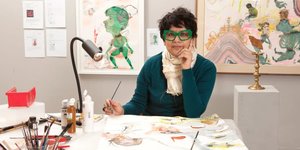
Rina Banerjee
1963 - , India
プロフィール概要
- Artistic Movement Or Style: Mixed media sculpture
- Artists Who Influenced This Artist:
- Louise Bourgeois
- Marcel Duchamp
- Date Of Birth: 1963
- Full Name: Rina Banerjee
- Nationality: Indian-American
- Notable Artworks:
- Make me a summary of the world
- Disrobed, torn, ripped by wind
- Place Of Birth: Kolkata, India