

 プレビュー
プレビュー
 プリントを購入
 シェアする
シェアする シェアする
シェアする
 詳細を見る
詳細を見る

 ダウンロード
 似ている作品
 X線調査
X線調査 スライドショー
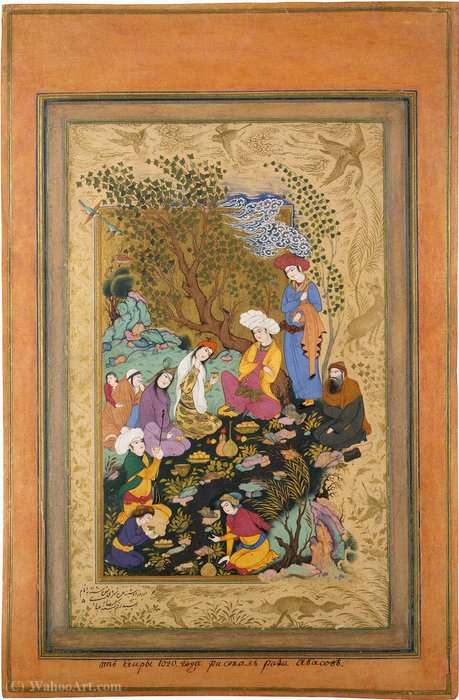
Convivial Party - QLVR - (740^QL5XVIII)
Explore the exquisite miniatures of Reza Abbasi, a master of 17th-century Persian art. Known for idealized youth portraits & elegant garden scenes, his work shaped generations.
 詳細を見る
詳細を見る




































標準サイズ
オーダーメイド
CM
INCH
作品のオリジナル比率に合わせた、当店の規定サイズからお選びください。
Loading sizes...

幅
高さ
特定のフレームやスペースに合わせて、ご希望のサイズをご入力いただけます。選択されたサイズが元の画像の比率と異なる場合、アートワークをトリミングするか、手描きで要素を追加して絵画を拡張いたします。デジタルモックアップ を制作し、制作開始前にご確認(承認)をいただきます。
画面上のプレビューは、実際のトリミングや拡張を正確に反映しているものではありません。最終的な構図は、モックアップによってのみ正確にご確認いただけます。
カスタムサイズもご利用いただけますが、元の比率を維持するためには、あらかじめ用意されたリストからサイズを選択することをお勧めいたします。
カスタマイズの例:顔をお客様の写真に置き換える、ペットを追加する(例:猫を犬に変更)、背景に隠れたメッセージを入れる、背景の風景や要素を変更するなど。
ご注文後、ArtsDot.com チームより詳細な指示をお送りするとともに、仕上がりイメージ(モックアップ)をご提供いたします。
ご注文後、ArtsDot.com チームより詳細な指示をお送りするとともに、仕上がりイメージ(モックアップ)をご提供いたします。


 ガラスオプションは、110cm未満のサイズでのみご利用いただけます。

Convivial Party - QLVR - (740^QL5XVIII)
複製技法
複製画のサイズ
-


合計金額
$ 263
関連作品



アーティストの略歴
The Radiant Brush of Reza Abbasi: A Legacy in Persian Miniature
Reza Abbasi, born circa 1565 and passing away around 1635, stands as a pivotal figure in the history of Persian art, particularly celebrated as the last great master of the Persian miniature tradition. His name, often rendered as Aqa Reza, resonates through centuries as synonymous with elegance, refinement, and an innovative spirit that reshaped artistic conventions during the Safavid dynasty. While his early life remains somewhat shrouded in mystery—with potential birthplaces including Kashan or Mashad—his ascent to prominence began within the imperial workshops of Shah Abbas I, a ruler whose ambitious patronage fueled a cultural renaissance across Persia. The shift from large-scale illustrated manuscripts towards smaller, more intimate album miniatures profoundly influenced Abbasi’s artistic trajectory, allowing him to focus on individual figures and scenes with unparalleled detail and expressive power.A Courtly Education and the Rise of Individual Expression
Abbasi's father, Ali Asghar, a skilled miniaturist himself, provided his son with foundational training, initially within the atelier of Prince Ibrahim Mirza before joining the court of Shah Ismail II in Qasvin. This early exposure to royal artistic circles instilled in Abbasi not only technical proficiency but also an understanding of the sophisticated aesthetic demands of the Safavid elite. However, it was under Shah Abbas I that his talent truly blossomed. The changing artistic landscape—a move away from epic narratives towards more personal and decorative forms—created a fertile ground for Abbasi’s unique style to emerge. Unlike many predecessors who remained anonymous, Abbasi consistently signed his work, often including dates and other identifying details, a testament to his growing confidence and individuality. This practice, though not entirely unprecedented, marked a significant shift in the artist's self-perception and contributed to the establishment of a distinct artistic identity. He is believed to have contributed to an ambitious, unfinished *Shahnameh*, now housed in the Chester Beatty Library, but it was his independent miniatures for private albums—the *muraqqa*—that would define his legacy.The Allure of Youth and the Refinement of Form
Abbasi’s artistic focus centered on idealized depictions of beautiful youths, often portrayed with graceful postures, elegant attire, and a subtle air of melancholy. These figures weren't merely portraits; they embodied a cultural ideal of beauty and refinement, reflecting the sophisticated tastes of the Safavid court. His compositions typically featured these figures set against lightly drawn garden backgrounds, sometimes accented with delicate gold detailing reminiscent of border paintings. He masterfully blended elements of traditional Persian aesthetics with influences from Chinese painting—particularly in his use of suggestive space and fluid lines—creating a style that was both deeply rooted in its heritage and strikingly original. Barbara Brend aptly describes the mastery of Abbasi’s ink drawings, noting their ability to convey texture, form, movement, and even personality. His color palettes were often restrained yet evocative, emphasizing rich textiles and fashionable garments. A recurring theme is the depiction of figures with a curved posture that accentuates their waists, reflecting contemporary ideals of beauty and sensuality.Influence and Legacy: Shaping Generations of Persian Painters
Reza Abbasi’s impact on subsequent generations of Persian painters was profound. His distinctive style—characterized by its elegant lines, refined forms, and focus on individual expression—became a benchmark for artistic excellence. He established a workshop that nurtured numerous talented pupils, including Mo'en Mosavver, who famously painted his portrait decades later, providing invaluable insight into the artist’s appearance and persona. His son, Muhammed Shafi Abbasi, also continued his father’s legacy, further disseminating his aesthetic principles throughout the Persian art world. The influence of Abbasi extended beyond his immediate circle, shaping the development of miniature painting for centuries to come. Even today, his works are celebrated for their exquisite beauty, technical virtuosity, and profound cultural significance. His ability to capture not only physical likeness but also a sense of inner life cemented his position as one of the most important figures in Persian art history.Historical Significance: A Reflection of Safavid Society
Reza Abbasi’s work offers a fascinating glimpse into the social and cultural milieu of 16th and 17th-century Persia. His depictions of stylishly dressed youths reflect the fashion trends and aesthetic preferences of the Safavid elite, while his emphasis on individual expression speaks to a growing sense of artistic self-awareness. The shift towards smaller-scale miniatures also reflects the changing economic landscape of the period, with private patronage becoming increasingly important as royal commissions declined. His art is not merely decorative; it’s a window into the values, beliefs, and aspirations of a sophisticated society undergoing significant transformation. The enduring appeal of Abbasi's miniatures lies in their ability to transcend time and culture, captivating viewers with their exquisite beauty and timeless elegance. His legacy continues to inspire artists and scholars alike, ensuring that his radiant brush will continue to illuminate the world of Persian art for generations to come.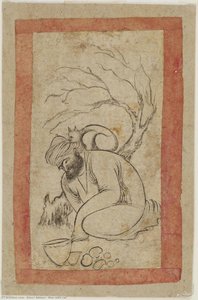
基本情報
- Artistic Movement Or Style: Isfahan School miniature
- Artists Or Movements Influenced By This Artist:
- Mo'en Mosavver
- Muhammed Shafi Abbasi
- Artists Who Influenced This Artist: ['Ali Asghar']
- Date Of Birth: c. 1565
- Date Of Death: 1635
- Full Name: Reza Abbasi
- Nationality: Persian
- Notable Artworks:
- Hunters at a Stream
- Lady with a Fan
- Khusraw and Shirin
- Place Of Birth: Kashan, Iran

