

 プレビュー
プレビュー
 プリントを購入
 シェアする
シェアする シェアする
シェアする
 詳細を見る
詳細を見る

 ダウンロード
 似ている作品
 X線調査
X線調査 スライドショー
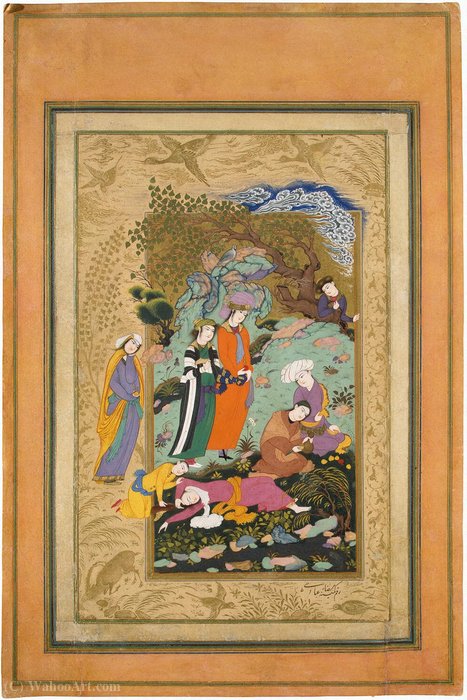
Convivial Party - QLVR - (740^QLI)
 詳細を見る
詳細を見る
オンラインプレビューをはるかに凌ぐ、高解像度で鮮明なデジタル画像をご購入いただけます。
各ファイルは、社内の専門家が高度なツールと熟練した手作業によるレタッチを用いて、細心の注意を払って準備されています。すべての画像において、卓越した鮮明度、正確な色彩再現性、そして繊細なディテールを保証いたします。
最終ファイルは、プロフェッショナルな編集・印刷環境ですぐにご利用いただけるよう最適化された状態で、72時間以内にメールにてお届けいたします。これは、一流のデザインスタジオ、出版社、ギャラリーから信頼されているものと同等の品質です。
デジタル画像のご注文に付随する特典
高品質なデジタル画像配信を、確かな品質で。
ArtsDot.com を選ぶことは、単に画像を手に入れることではありません。それは、プロの手によって精密に仕上げられ、満足保証が付いた高品質なデジタルアートワークを受け取ることを意味します。ご注文いただいた際に自動的に付随する内容は、以下の通りです:

メールですぐにお届け
ご注文から72時間以内に、高解像度のデジタル画像ファイルがメールでお手元に届きます。すぐにそのままご利用いただけます。

AI技術で最適化されたデジタルファイル
お客様の作品は、高度なAIツールと専門家による手作業の編集を組み合わせてプロフェッショナルに最適化されており、細部のディテール、鮮明さ、そして正確な色再現性を最大限に引き出しています。

一生涯無料の再送サービス
ファイルを誤って削除したり、紛失してしまったりしましたか?ご安心ください。いつでも無料で再送いたします。

輸入手数料は一切かかりません
関税や手数料、配送料を気にすることなく、お気に入りのアートワークをすぐにお楽しみいただけます。デジタルダウンロードは常に免税です。

色彩再現の保証
プロ仕様のツールとカラーマネジメント技術を用いることで、デジタル画像が元の色を最大限に忠実に再現することを保証いたします。

60日間満足保証
ご購入いただいたデジタル画像にご満足いただけない場合は、60日以内であれば、修正または100%の返金(理由を問う必要はありません)をさせていただきます。

100% 返金保証
ご満足いただけない場合は、デジタルファイルを受け取ってから60日以内であれば、理由を問わず全額返金いたします。

まとめ買い割引
3枚購入で10%OFF - 5枚購入で15%OFF - 10枚以上購入で20%OFF。クリエイティブなプロジェクト、ギャラリー、エージェンシーに最適です。
関連作品


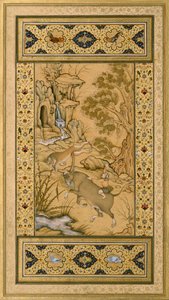

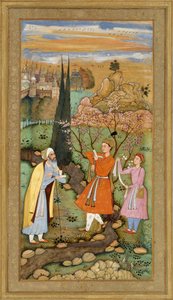
作家の略歴
The Radiant Brush of Reza Abbasi: A Legacy in Persian Miniature
Reza Abbasi, born circa 1565 and passing away around 1635, stands as a pivotal figure in the history of Persian art, particularly celebrated as the last great master of the Persian miniature tradition. His name, often rendered as Aqa Reza, resonates through centuries as synonymous with elegance, refinement, and an innovative spirit that reshaped artistic conventions during the Safavid dynasty. While his early life remains somewhat shrouded in mystery—with potential birthplaces including Kashan or Mashad—his ascent to prominence began within the imperial workshops of Shah Abbas I, a ruler whose ambitious patronage fueled a cultural renaissance across Persia. The shift from large-scale illustrated manuscripts towards smaller, more intimate album miniatures profoundly influenced Abbasi’s artistic trajectory, allowing him to focus on individual figures and scenes with unparalleled detail and expressive power.A Courtly Education and the Rise of Individual Expression
Abbasi's father, Ali Asghar, a skilled miniaturist himself, provided his son with foundational training, initially within the atelier of Prince Ibrahim Mirza before joining the court of Shah Ismail II in Qasvin. This early exposure to royal artistic circles instilled in Abbasi not only technical proficiency but also an understanding of the sophisticated aesthetic demands of the Safavid elite. However, it was under Shah Abbas I that his talent truly blossomed. The changing artistic landscape—a move away from epic narratives towards more personal and decorative forms—created a fertile ground for Abbasi’s unique style to emerge. Unlike many predecessors who remained anonymous, Abbasi consistently signed his work, often including dates and other identifying details, a testament to his growing confidence and individuality. This practice, though not entirely unprecedented, marked a significant shift in the artist's self-perception and contributed to the establishment of a distinct artistic identity. He is believed to have contributed to an ambitious, unfinished *Shahnameh*, now housed in the Chester Beatty Library, but it was his independent miniatures for private albums—the *muraqqa*—that would define his legacy.The Allure of Youth and the Refinement of Form
Abbasi’s artistic focus centered on idealized depictions of beautiful youths, often portrayed with graceful postures, elegant attire, and a subtle air of melancholy. These figures weren't merely portraits; they embodied a cultural ideal of beauty and refinement, reflecting the sophisticated tastes of the Safavid court. His compositions typically featured these figures set against lightly drawn garden backgrounds, sometimes accented with delicate gold detailing reminiscent of border paintings. He masterfully blended elements of traditional Persian aesthetics with influences from Chinese painting—particularly in his use of suggestive space and fluid lines—creating a style that was both deeply rooted in its heritage and strikingly original. Barbara Brend aptly describes the mastery of Abbasi’s ink drawings, noting their ability to convey texture, form, movement, and even personality. His color palettes were often restrained yet evocative, emphasizing rich textiles and fashionable garments. A recurring theme is the depiction of figures with a curved posture that accentuates their waists, reflecting contemporary ideals of beauty and sensuality.Influence and Legacy: Shaping Generations of Persian Painters
Reza Abbasi’s impact on subsequent generations of Persian painters was profound. His distinctive style—characterized by its elegant lines, refined forms, and focus on individual expression—became a benchmark for artistic excellence. He established a workshop that nurtured numerous talented pupils, including Mo'en Mosavver, who famously painted his portrait decades later, providing invaluable insight into the artist’s appearance and persona. His son, Muhammed Shafi Abbasi, also continued his father’s legacy, further disseminating his aesthetic principles throughout the Persian art world. The influence of Abbasi extended beyond his immediate circle, shaping the development of miniature painting for centuries to come. Even today, his works are celebrated for their exquisite beauty, technical virtuosity, and profound cultural significance. His ability to capture not only physical likeness but also a sense of inner life cemented his position as one of the most important figures in Persian art history.Historical Significance: A Reflection of Safavid Society
Reza Abbasi’s work offers a fascinating glimpse into the social and cultural milieu of 16th and 17th-century Persia. His depictions of stylishly dressed youths reflect the fashion trends and aesthetic preferences of the Safavid elite, while his emphasis on individual expression speaks to a growing sense of artistic self-awareness. The shift towards smaller-scale miniatures also reflects the changing economic landscape of the period, with private patronage becoming increasingly important as royal commissions declined. His art is not merely decorative; it’s a window into the values, beliefs, and aspirations of a sophisticated society undergoing significant transformation. The enduring appeal of Abbasi's miniatures lies in their ability to transcend time and culture, captivating viewers with their exquisite beauty and timeless elegance. His legacy continues to inspire artists and scholars alike, ensuring that his radiant brush will continue to illuminate the world of Persian art for generations to come.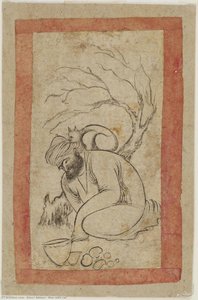
プロフィール概要
- Artistic Movement Or Style: Isfahan School miniature
- Artists Or Movements Influenced By This Artist:
- Mo'en Mosavver
- Muhammed Shafi Abbasi
- Artists Who Influenced This Artist: ['Ali Asghar']
- Date Of Birth: c. 1565
- Date Of Death: 1635
- Full Name: Reza Abbasi
- Nationality: Persian
- Notable Artworks:
- Hunters at a Stream
- Lady with a Fan
- Khusraw and Shirin
- Place Of Birth: Kashan, Iran

