 プレビュー
プレビュー
 プリントを購入
 シェアする
シェアする シェアする
シェアする
 詳細を見る
詳細を見る

 ダウンロード
 似ている作品
 X線調査
X線調査 スライドショー
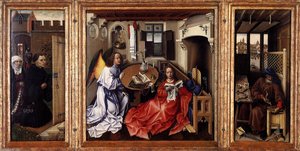
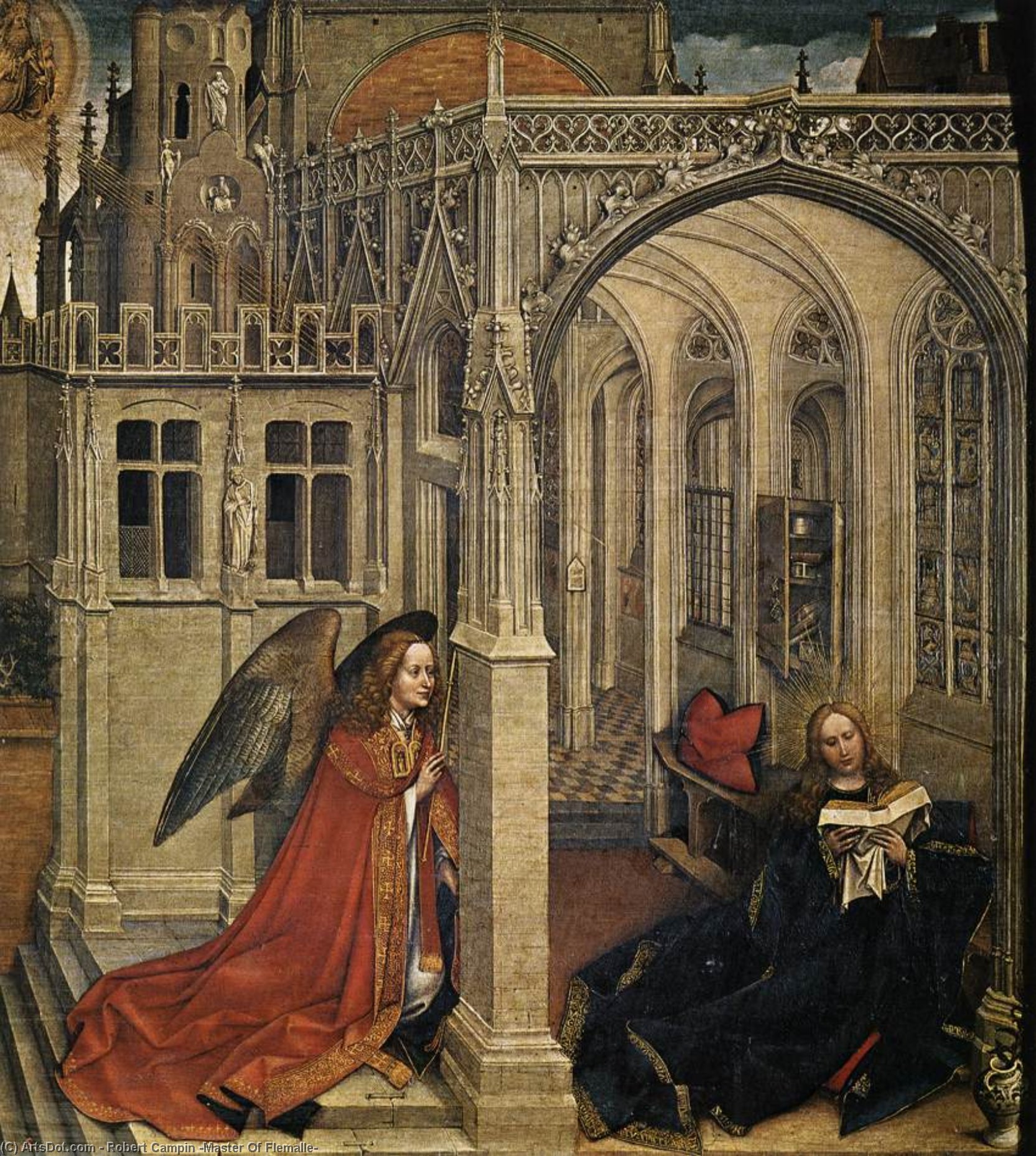
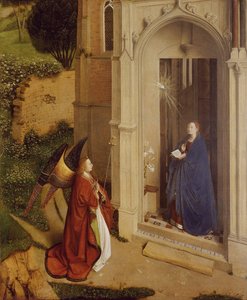
Annunciation
 Oil On Panel
- Early Netherlandish
 1430
1430 76.0 x 70.0 cm
 プラド美術館
 詳細を見る
詳細を見る




P118B $10

P118H $10

P118W $10

P438Z $10

P508JH $12

P508YH $12

P805H $10

P805Z $10

P919BZ $10

P919G $10

P919XJ $10

P959ZH $10

P968JZ $12

W106C $8

W218G $10

W218JH $8

W218Y $10

W307PJ $10

W316G $10

W316PJ $8

W316Y $10

W398PJ $8

W4111J $10

W500HY $15

W500JH $15

W692G $12

W849H $8

W940BG $15

W953PJ $8




作品のオリジナル比率に合わせた、当店の規定サイズからお選びください。

特定のフレームやスペースに合わせて、ご希望のサイズをご入力いただけます。選択されたサイズが元の画像の比率と異なる場合、アートワークをトリミングするか、手描きで要素を追加して絵画を拡張いたします。デジタルモックアップ を制作し、制作開始前にご確認(承認)をいただきます。
画面上のプレビューは、実際のトリミングや拡張を正確に反映しているものではありません。最終的な構図は、モックアップによってのみ正確にご確認いただけます。
カスタムサイズもご利用いただけますが、元の比率を維持するためには、あらかじめ用意されたリストからサイズを選択することをお勧めいたします。
ご注文後、ArtsDot.com チームより詳細な指示をお送りするとともに、仕上がりイメージ(モックアップ)をご提供いたします。


 ガラスオプションは、110cm未満のサイズでのみご利用いただけます。

Annunciation
複製技法
複製画のサイズ
-


合計金額
$ 288
作品解説
The Vision Unfolds: Robert Campin’s Annunciation
Robert Campin's Annunciation, painted around 1430, isn’t merely a depiction of a biblical moment; it’s a meticulously crafted window into the burgeoning artistic and intellectual world of early fifteenth-century Europe. This oil painting, now housed in the Prado Museum in Madrid, transcends its religious subject matter to become a profound study of light, space, and human interaction – a testament to Campin's mastery of detail and his pioneering role in shaping the style we recognize as Early Netherlandish painting. The scene unfolds within an exquisitely rendered Gothic architectural setting, a carefully constructed illusion that draws the viewer into a world of serene contemplation.

A Symphony of Detail: Technique and Materials
Campin’s skill lies not just in his composition but in the incredibly detailed execution. He employs a technique heavily influenced by the International Gothic style, yet subtly pushing beyond its conventions toward greater realism. The painting is dominated by a meticulous layering of oil paint – a revolutionary medium at the time – creating textures that are remarkably tactile. Observe how he builds up the folds of the fabrics, rendering them with an astonishing level of accuracy; the sheen on the garments, the subtle variations in color, all speak to his deep understanding of material properties. The architectural elements, from the stonework to the intricate carvings, are rendered with a geometric precision that emphasizes depth and perspective. The use of linear perspective, though not entirely formalized as it would be later, creates a convincing illusion of receding space, drawing the eye towards the distant cityscape beyond the archway.
Symbolism Woven into the Scene
Beyond its visual beauty, the Annunciation is rich in symbolic meaning. The angel Gabriel, positioned on the left, holds a scroll bearing the message of Mary’s conception – a pivotal moment in Christian theology. His wings, rendered with delicate detail, suggest his divine nature and role as messenger. Mary, kneeling before him, embodies humility and grace. Her gesture of acceptance, her downcast eyes reflecting contemplation, speaks volumes about her faith and willingness to embrace God's will. The young man in the foreground, reading a book, represents knowledge and wisdom – a subtle allusion to the intellectual dimension of the divine revelation. The architectural setting itself is laden with symbolism; the archway leading to the cityscape symbolizes the transition from earthly existence to heavenly realms.
A Pioneer’s Legacy: Context and Influence
Robert Campin, often referred to as the Master of Flémalle, was a pivotal figure in the development of Early Netherlandish painting. Working primarily in Tournai, Belgium, he established a workshop that produced numerous altarpieces and panel paintings, influencing generations of artists. His work stands apart from the more flamboyant styles prevalent at the time, prioritizing clarity, realism, and psychological depth. The Annunciation exemplifies these qualities, foreshadowing the innovations of Jan van Eyck and other masters who would further refine the style. Campin’s meticulous attention to detail, his mastery of oil paint, and his ability to imbue religious scenes with a sense of human emotion cemented his place as one of the most important artists of the 15th century. Studying this painting offers a rare glimpse into the artistic and intellectual currents that shaped the Renaissance.
関連作品
アーティストの略歴
ネーデルラント写実主義の黎明:ロベール・カンパンが遺したもの
15世紀、霧に包まれた低地諸国(ロー・カントリー)の胎動する風景の中で、西洋美術の軌跡を永遠に変えてしまうような変革的なヴィジョンが形を成し始めました。この革命の中心にいたのが、今やフランマルの巨匠の名と分かちがたく結びついている芸術家、ロベール・カンパンです。1375年頃、フランスのヴァランシエンヌに生まれたカンパンは、国際ゴシック様式の様式化された優美さと、後の北欧ルネサンスを定義することになる深遠で触知可能な写実主義との隔たりを埋める、過渡期の時代から現れました。彼の初期の生涯の多くは歴史の影に隠されていますが、トゥルネにおいて30年以上にわたり活動した事実は、彼をフランドル伝統の巨人として確立させました。その筆致は、日常というレンズを通して、神聖なものに生命を吹き込んだのです。
カンパンの芸術性の進化は、単なる個人的な旅路ではなく、技術的な征服でもありました。彼は、テンペラ画の平面的で不透明な性質から脱却し、油彩技法という媒体をいち早く、かつ大胆に取り入れた先駆者の一人でした。この油彩の習熟により、彼はかつてないほどの輝きを実現しました。磨かれた真鍮の上で踊る光、ベルベットの重厚なひだに沈み込む光、あるいは一滴の水に煌めく光を、見事に捉えたのです。この革新を通じて、カンプリは単に対象を描いたのではありません。彼は光と影を用いて対象を彫り出し、当時の鑑賞者にとって驚くほど身近に感じられるような、重みと存在感を生み出したのです。
日常の中に潜む象徴性
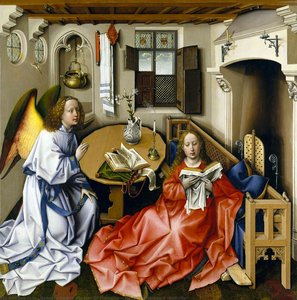
ロベール・カンパンの作品を真に際立たせているのは、一見ありふれた日常の中に神聖なものを織り込む能力です。メロードの祭壇画のような傑作を眺めることは、あらゆる物体が囁かれる祈りを宿している世界へと足を踏み入れることに他なりません。彼の手にかかれば、中産階級の生活の馴染み深い雑然とした静かな部屋――すなわち日常の室内は、深遠な神学的真理を提示するための舞台へと変貌します。隠された象徴主義(ディスガイズド・シンボリズム)としばしば称されるこの技法は、鑑賞者をより近くへと誘い、平凡なものの中に隠された奇跡を見出すよう促すのです。
これらの聖なる物語において、偶然などは何一つ存在しません:
- 受胎告知: 当時のフランドルの居間において、大天使ガブリエルの到来は繊細な合図によって示されます。窓から差し込む光は、神の恩寵のメタファーとして機能しています。
- 日常の品々: シンプルな水盤や清潔なタオルは純潔を象徴し、揺らめく蝋燭や花瓶に生けられた控えめな草花は、聖霊の遍在を物語っています。
- 質感と細部: 木製の家具、重厚なドレープ、陶器の器の緻密な描写は、精神的な出来事を、感情的な深みを持って響き渡る、触れられそうなほど人間的な現実へと繋ぎ止めています。
北欧ルネサンスへの永続的な影響
ロベール・カンパンの歴史的重要性をいくら強調してもしすぎることはありません。ヤン・ファン・エイクのような同時代の巨匠とともに、彼は初期ネーデルラント絵画の発展のための礎を築きました。ファン・エイクがその天上的な完璧さで称賛される一方で、カンパンはより力強く、地に足のついた写実主義を提供しました。それは、人物の物理的な存在感と心理的な重みを強調するスタイルでした。彼の影響はトゥルネの工房から広く波及し、フランドルの精密な伝統を受け継いだジャック・ダレを含む、次世代の画家たちを形作っていったのです。
かつて彼の作品の一部は、匿名の「フランマルの巨匠」によるものとされていましたが、現代の研究によってこれらのアイデンティティはほぼ統合され、パネルの背後にある唯一無二の力強い声が認められるようになりました。精神的なものと物質的なものを融合させる彼の能力は、その後数十年にわたって北ヨーロッパを支配することになる視覚言語を生み出したのです。今日、私たちが現存する祭壇画や信心具としてのパネルを仰ぎ見るとき、私たちは単に過去の遺物を見ているのではありません。芸術が新しい、まばたきもしない瞳で世界を見る術を学び、人間存在のはかない美しさの中に永遠を見出した、まさにその瞬間を目撃しているのです。
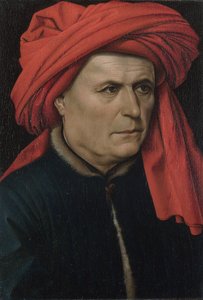
ロベール・カンパン(フレマルの巨匠)
1375 - 1444 , フランス
基本情報
- Artistic Movement Or Style: 初期ネーデルラント絵画
- Artists Who Influenced This Artist: ['ヤン・ファン・エイク']
- Date Of Birth: 1375年頃、ヴァランシエンヌ
- Date Of Death: 1444年、トゥルネ
- Full Name: ロベール・カンパン
- Nationality: フランドル人
- Notable Artworks:
- メロードの祭壇画
- 男の肖像
- Place Of Birth: ベルギー、トゥルネ
関連記事
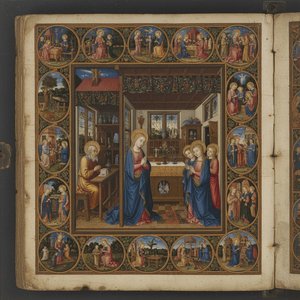
Robert Campin: Pioneering Realism & Spiritual Depth in Early Netherlandish Painting
Explore the revolutionary work of Robert Campin, a pioneer of Early Netherlandish painting. Discover his naturalistic style, religious symbolism in masterpieces like the Mérode Altarpiece, and lasting influence on art history.

The Enduring Legacy of Oil on Canvas: Technique, History & Aesthetic Impact
Explore the rich history & techniques of oil painting – from Renaissance masters to Impressionism. Discover pigments, layering methods, and why this timeless medium endures. Expert insights for artists & art enthusiasts.

Oil on Canvas: A Historical & Technical Exploration of a Timeless Artistic Medium
Explore the rich history & enduring techniques of oil painting on canvas. Discover the science behind its longevity, conservation practices, and contemporary relevance. Expert insights for art enthusiasts.

The Enduring Power of Painting: A Historical & Contemporary Exploration of Form and Emotion
Explore the rich history & enduring techniques of oil painting with ArtsDot. Discover masterpieces, learn about art collecting, and find authentic handmade reproductions crafted by skilled artists.

油彩のキャンバス:技法、歴史、そして現代の実践 - 古典美術愛好家へ
油彩の技法、歴史、巨匠たちの秘密を徹底解説。古典美術愛好家向けに、初期フランドル絵画から現代の実践まで深く掘り下げます。ArtsDotで高品質な複製画やカスタムオーダーも承ります。