

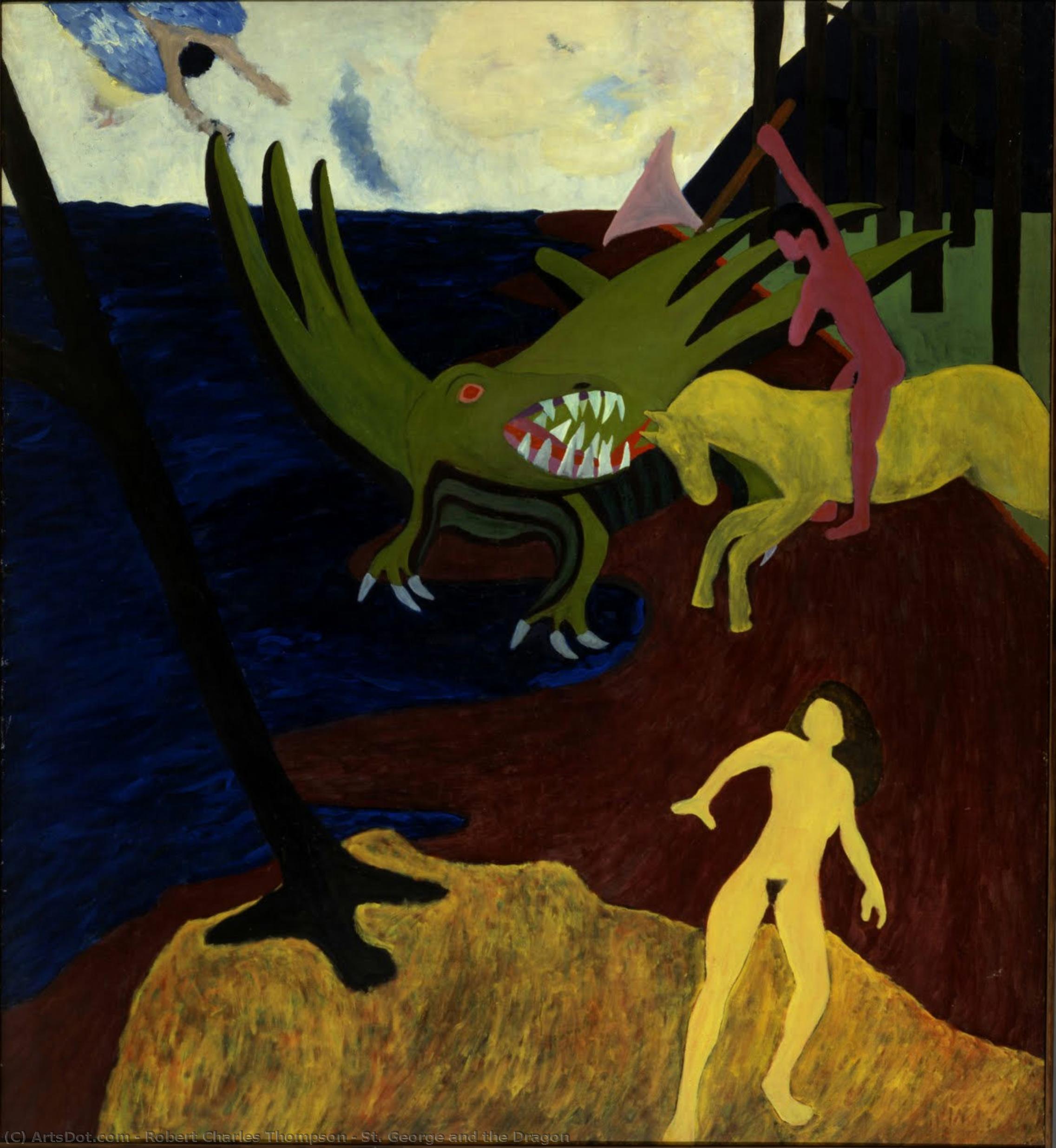
 プレビュー
プレビュー
 シェアする
シェアする シェアする
シェアする
 詳細を見る
詳細を見る

 ダウンロード
 似ている作品
 X線調査
X線調査 スライドショー
 Stats
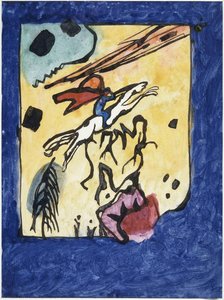
StatsSt. George and the Dragon


 詳細を見る
詳細を見る
ジークレー/アートプリント
迅速な制作と多彩な仕上げオプションを備えた、ミュージアムクオリティのジークレーまたはキャンバスプリント。 ( 手描きの絵画を購入 Switch to Digital Image)




































作品のオリジナル比率に合わせた、当店の規定サイズからお選びください。

特定のフレームやスペースに合わせて、ご自身でサイズを指定することも可能です。選択されたサイズが元の画像の比率と一致しない場合、作品をトリミングするか、鏡面反射または単色での塗りつぶしによって画像を拡張いたします。制作を開始する前に、ご確認用のデジタルモックアップをお送りいたします。
画面上のプレビューには、実際のトリミングや拡張は反映されませんのでご注意ください。最終的な構図を正確に確認できるのは、モックアップのみとなります。
カスタムサイズも承っておりますが、元の比率を維持するためには、あらかじめ用意されたリストからサイズを選択することをお勧めいたします。


 ガラスオプションは、110cm未満のサイズでのみご利用いただけます。

St. George and the Dragon
ジークレー/アートプリント
複製画のサイズ
-


合計金額
$ 62
関連作品






アーティストの略歴
A Symphony of Color and Line: The Brief, Brilliant Life of Bob Thompson
The history of modern art is often written in the shadows of giants, yet every so often, a voice emerges that does not merely echo the past but reinterpretiates it through a lens of startling, rhythmic vitality. Bob Thompson was such a voice. An African-American painter whose career burned with the intensity of a supernova, Thompson achieved a level of profound synthesis in just eight short years that many artists spend lifetimes pursuing. His work stands as a breathtaking intersection where the structured grandeur of the European Old Masters meets the improvisational, liberated spirit of American jazz.
Born Robert Louis Thompson on June 26, 1937, in Louisville, Kentucky, his early life was shaped by both the stability of a middle-class upbringing and the sudden, sharp sting of tragedy. The loss of his father during his childhood instilled in him an early sensitivity to the ephemeral nature of existence—a theme that would later manifest in the vibrant yet fleeting energy of his canvases. While he initially pursued the rigorous path of medicine at Boston University, the pull of the visual arts proved irresistible. This transition from the scientific to the expressive allowed him to approach the canvas with a unique duality: a meticulous, almost anatomical precision paired with an unbridably emotive use of color.
The Convergence of Tradition and Modernity
Thompson’s artistic development was a journey through the most influential currents of his era. His training at the University of Louisville under Ulfert Wilke provided him with a foundation in expressionism, but it was his encounters in Provincetown, Massachusetts, that truly expanded his horizons. There, amidst the salt air and the creative ferment of the summer colonies, he engaged with the works of Hans Hofmann and Jan Müller, discovering how the language of abstraction could be used to reshape figurative subjects. This period marked the beginning of his signature technique: the ability to take a classical composition—the heavy drapery of a Renaissance saint or the dramatic lighting of a Baroque scene—and dissolve its rigidity through bold, flat planes of color and energetic, gestural lines.
His travels to Europe in 1960 served as a transformative pilgrimage. Standing before the masterworks of Raphael and Goya, Thompson did not seek to imitate them; rather, he sought to converse with them. He stripped away the academic weight of these historical compositions, replacing it with a modern, rhythmic pulse. His canvases became sites of cultural reclamation, where the heavy traditions of Western art were infused with the kinetic energy of the 20th century. This process was not merely aesthetic but deeply intellectual, as he navigated the complexities of identity and history through the medium of paint.
The Rhythm of the Canvas: Jazz and Legacy
To understand Thompson’s work is to hear the music that fueled it. A devoted enthusiast of the jazz scene in New York City, Thompson frequented legendary clubs like the Five Spot Café, where the improvisational genius of Ornette Coleman and John Coltrane provided a sonic blueprint for his visual explorations. His paintings often mirror the structure of a jazz solo—starting with a recognizable theme (the classical figure) and then deviating into spontaneous, colorful flourishes that challenge the viewer's perception of form and space.
Tragically, Thompson’s life was cut short in Rome in 1966, at the age of only twenty-eight. Despite the brevity of his career, his impact on the trajectory of American art remains monumental. His ability to bridge the gap between the historical and the contemporary, the figurative and the abstract, has earned him a permanent place in the canon of modern masters. Today, his legacy is preserved in the most prestigious institutions in the world, including:
- The Whitney Museum of American Art
- The Smithsonian American Art Museum
- The Art Institute of Chicago
- The Studio Museum in Harlem
Bob Thompson remains a symbol of artistic courage—a painter who looked backward into the depths of art history only to find the tools necessary to propel the medium forward into a vibrant, uncertain, and beautiful future.
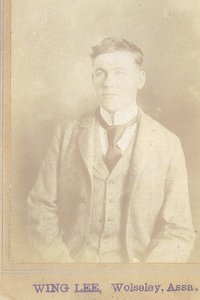
robert charles thompson
1937 - 1966 , United States of America
基本情報
- Artistic Movement Or Style: Expressionist Art
- Artists Or Movements Influenced By This Artist:
- Baroque
- Renaissance
- Jazz
- Abstract Expressionist
- Artists Who Influenced This Artist:
- Ulfert Wilke
- Mary Spencer Nay
- Charles Crodel
- Date Of Birth: June 26, 1937
- Date Of Death: May 30, 1966
- Full Name: Robert Charles Thompson
- Nationality: American
- Notable Artworks: ['The Monsters Are Present Now']
- Place Of Birth: Louisville, United States