

 プレビュー
プレビュー
 プリントを購入
 シェアする
シェアする シェアする
シェアする
 詳細を見る
詳細を見る

 ダウンロード
 似ている作品
 X線調査
X線調査 スライドショー
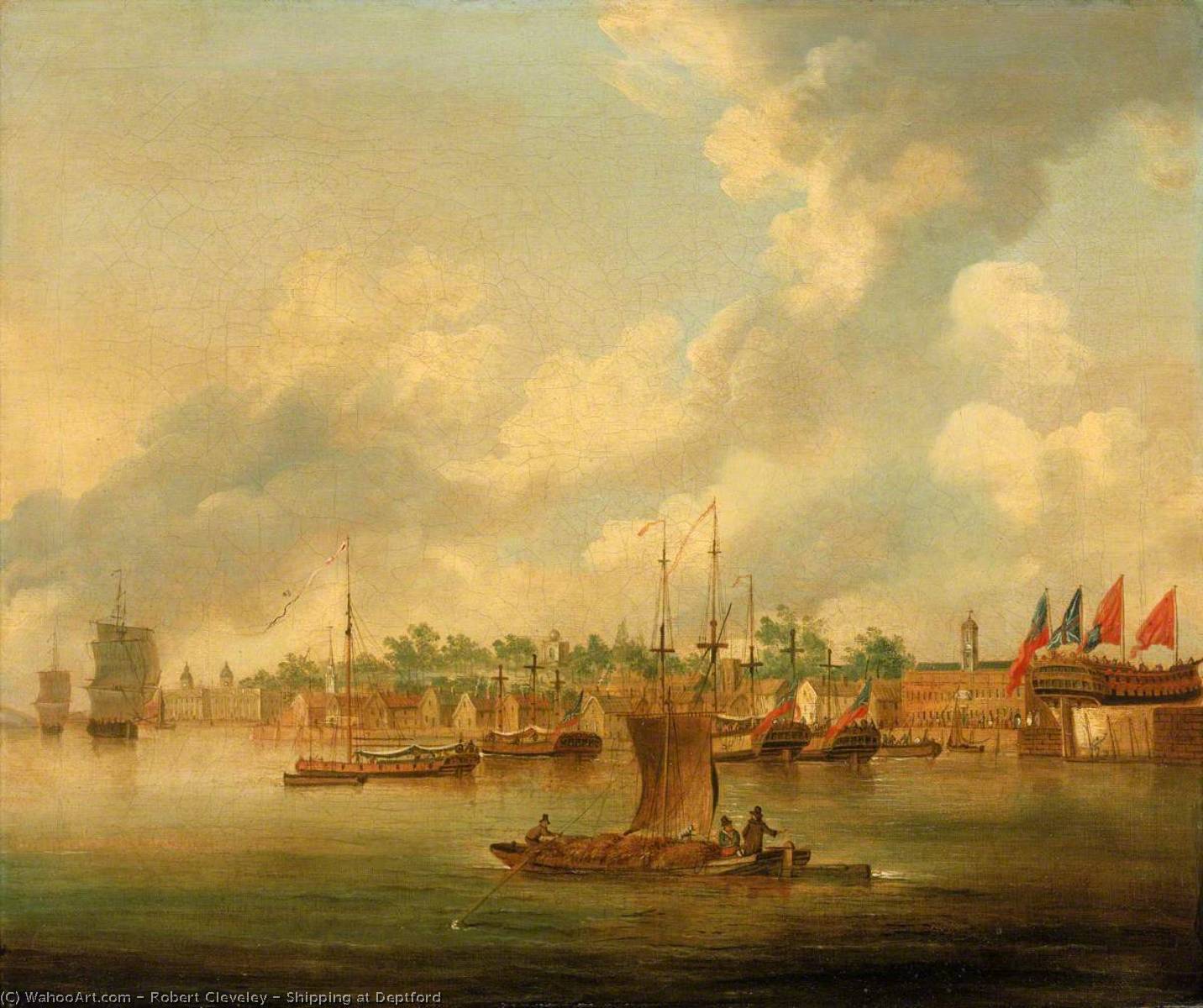
Shipping at Deptford
 51.0 x 61.0 cm
 詳細を見る
詳細を見る




































作品のオリジナル比率に合わせた、当店の規定サイズからお選びください。

特定のフレームやスペースに合わせて、ご希望のサイズをご入力いただけます。選択されたサイズが元の画像の比率と異なる場合、アートワークをトリミングするか、手描きで要素を追加して絵画を拡張いたします。デジタルモックアップ を制作し、制作開始前にご確認(承認)をいただきます。
画面上のプレビューは、実際のトリミングや拡張を正確に反映しているものではありません。最終的な構図は、モックアップによってのみ正確にご確認いただけます。
カスタムサイズもご利用いただけますが、元の比率を維持するためには、あらかじめ用意されたリストからサイズを選択することをお勧めいたします。
ご注文後、ArtsDot.com チームより詳細な指示をお送りするとともに、仕上がりイメージ(モックアップ)をご提供いたします。


 ガラスオプションは、110cm未満のサイズでのみご利用いただけます。

Shipping at Deptford
複製技法
複製画のサイズ
-


合計金額
$ 263
関連作品








アーティストの略歴
Robert Cleveley (1747 – 1809): Bridging Naval Service and Artistic Brilliance
Robert Cleveley stands as a remarkable testament to the intersection of maritime life and artistic endeavor in eighteenth-century England. Born around 1747, he emerged from a family steeped in artistic tradition—his father and twin brother, John Cleveley the Elder and Younger, were both accomplished painters—a lineage that instilled within him an innate appreciation for visual representation and profoundly shaped his creative trajectory. Unlike many of his contemporaries who pursued conventional trades, Cleveley’s path diverged into two distinct professions: a caulker in the dockyards and a marine painter, roles that simultaneously grounded him in practical experience and fueled his artistic imagination.- Early Life & Family Influence: Growing up amidst artists fostered an environment of creative stimulation. John Cleveley the Elder’s struggles to establish himself as a dockyard craftsman served as a poignant contrast to Robert's own ambition, highlighting the challenges faced by aspiring artists during that era.
- Training and Patronage: Recognizing the importance of formal artistic training, Cleveley benefited from guidance from Paul Sandby, a respected instructor at Woolwich Royal Military Academy, marking an early connection with influential figures in the art world.
- Naval Career & Artistic Recognition: Joining the navy as a clerk under Captain William Locker and subsequently Captain George Vandeput proved pivotal to Cleveley’s artistic development. Vandeput's unwavering friendship extended beyond professional collaboration, providing invaluable access to resources and fostering connections within the royal circles—a circumstance that secured him appointments as Marine Draughtsman and ultimately propelled his career forward.
Maritime Artistry: Capturing the Drama of Battle
Cleveley’s artistic output is predominantly characterized by dramatic depictions of naval battles, a genre particularly favored during his lifetime. His canvases pulsate with energy, conveying the visceral thrill and perilous grandeur of seafaring warfare—a fascination evident in works such as “The Battle of Cape St Vincent,” commemorating a decisive victory against Napoleon’s fleet in 1797. These paintings weren't merely visual records; they were imbued with meticulous detail and skillfully rendered perspective, reflecting Sandby’s influence and demonstrating Cleveley’s mastery of technique. Furthermore, his artistic endeavors gained considerable renown through engravings—a medium that disseminated his images widely throughout Britain and beyond.- Notable Paintings: Among his most celebrated pieces are “View of the Fleet at Spithead Saluting George III,” a monumental panorama capturing the pomp and ceremony surrounding a royal naval review, now housed in the National Maritime Museum—a testament to Cleveley’s ability to convey grandeur and historical significance.
- Engraving Reproduction: The widespread circulation of engravings ensured that Cleveley's artistic vision reached a vast audience, solidifying his reputation as one of Britain’s foremost naval painters.
Beyond the Navy Canvas: Exploiting Opportunity and Embracing Popular Demand
Cleveley’s dual vocation extended beyond formal naval service; he actively pursued commissions related to voyages of discovery—most notably Captain Cook's third expedition to Botany Bay—leveraging his brother James’ carpentry skills to gain access to artwork produced during these expeditions. This shrewd maneuver capitalized on the burgeoning fascination with exotic locales and contributed to Cleveley’s artistic success. His output included prints depicting Botany Bay, reflecting the prevailing aesthetic sensibilities of the time and demonstrating his adaptability as an artist.Legacy and Historical Significance
Robert Cleveley's contribution to maritime art is undeniable—he stands alongside John Cleveley the Elder and Younger as a cornerstone of British artistic heritage during the Romantic era. His paintings continue to inspire admiration for their dynamism, precision, and evocative portrayal of naval life and warfare. Moreover, his story serves as an illuminating example of how artistic ambition could intertwine with practical vocation, resulting in a prolific career marked by both professional accomplishment and enduring artistic legacy—a testament to the transformative power of creativity within a historical context.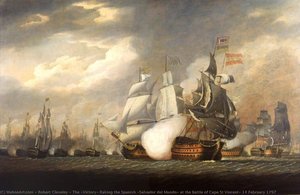
robert cleveley
1747 - 1809
基本情報
- Artistic Movement Or Style: Maritime Painting
- Artists Or Movements Influenced By This Artist: ['Romantic Art']
- Artists Who Influenced This Artist: ['Paul Sandby']
- Date Of Birth: (1747)
- Date Of Death: 1809
- Full Name: Robert Cleveley
- Nationality: English
- Notable Artworks: ['View of the Fleet at Spithead Saluting George III']
- Place Of Birth: England

