 プレビュー
プレビュー
 シェアする
シェアする シェアする
シェアする
 詳細を見る
詳細を見る

 ダウンロード
 似ている作品
 X線調査
X線調査 スライドショー
 統計情報
統計情報The Joy of Life


 詳細を見る
詳細を見る
手描き油彩複製画
当社のアーティストが、お客様のご希望のサイズと額縁に合わせて、キャンバスに手描きで制作する油彩画です。 ( プリント版に切り替え デジタル画像販売へ切り替え)




P118B $10

P118H $10

P118W $10

P438Z $10

P508JH $12

P508YH $12

P805H $10

P805Z $10

P919BZ $10

P919G $10

P919XJ $10

P959ZH $10

P968JZ $12

W106C $8

W218G $10

W218JH $8

W218Y $10

W307PJ $10

W316G $10

W316PJ $8

W316Y $10

W398PJ $8

W4111J $10

W500HY $15

W500JH $15

W692G $12

W849H $8

W940BG $15

W953PJ $8




作品のオリジナル比率に合わせた、当店の規定サイズからお選びください。

特定のフレームやスペースに合わせて、ご希望のサイズをご入力いただけます。選択されたサイズが元の画像の比率と異なる場合、アートワークをトリミングするか、手描きで要素を追加して絵画を拡張いたします。デジタルモックアップ を制作し、制作開始前にご確認(承認)をいただきます。
画面上のプレビューは、実際のトリミングや拡張を正確に反映しているものではありません。最終的な構図は、モックアップによってのみ正確にご確認いただけます。
カスタムサイズもご利用いただけますが、元の比率を維持するためには、あらかじめ用意されたリストからサイズを選択することをお勧めいたします。
ご注文後、ArtsDot.com チームより詳細な指示をお送りするとともに、仕上がりイメージ(モックアップ)をご提供いたします。


 ガラスオプションは、110cm未満のサイズでのみご利用いただけます。

The Joy of Life
複製技法
複製画のサイズ
-


合計金額
$ 263
The Radiant Echoes of Robert Delaunay’s “The Joy of Life”
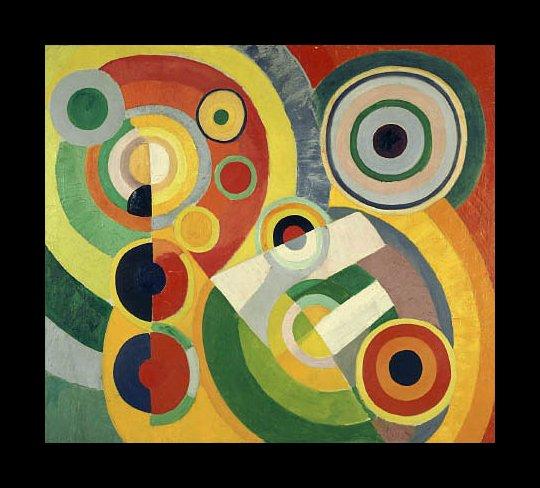
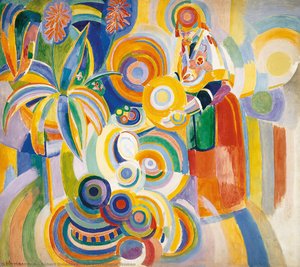
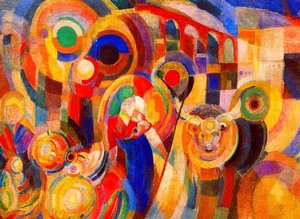
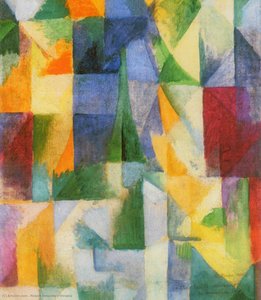
Robert Delaunay's "The Joy of Life," painted in 1930, isn’t merely a depiction of color and form; it’s an immersive experience, a vibrant distillation of the burgeoning artistic currents swirling around Paris at the time. Created during a period of intense experimentation with abstraction, this work exemplifies the Orphism movement – Delaunay's bold departure from representational art towards a purely visual language driven by emotion and perception. The painting’s genesis lies in a fascination with light, color theory, and the burgeoning influence of scientific discoveries regarding optics, particularly the work of Michel Eugène Chevreul on simultaneous contrast.
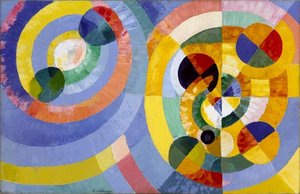
- Geometric Harmony: At its core, “The Joy of Life” is defined by its meticulously arranged geometric shapes – circles, squares, and lines – each imbued with a specific hue. These aren’t random splashes; they are carefully considered elements designed to interact dynamically, creating a sense of movement and rhythm that draws the viewer into the composition.
- Chromatic Intensity: Delaunay's masterful use of color is paramount. He employed techniques like complementary colors – red and green, blue and orange, yellow and purple – not just for visual impact but also to create optical vibrations within the painting itself. This was a radical departure from traditional painting, where color served primarily to represent objects.
- Influence of Modernism: The work reflects the broader modernist movement’s rejection of academic conventions and embrace of subjective experience. Delaunay wasn't interested in replicating reality; he sought to express his *perception* of it through a highly stylized lens.
The Orphism Movement & Sonia Delaunay
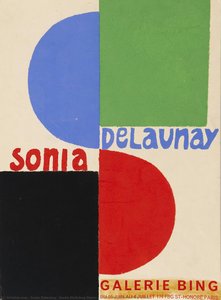
To fully appreciate “The Joy of Life,” one must understand the context of its creation – the rise of Orphism and the pivotal role played by Robert and Sonia Delaunay. Following their initial explorations with Neo-Impressionism, they sought to push beyond mere optical mixing of colors, developing a style characterized by bold, non-naturalistic color combinations and geometric abstraction. This movement, named after Sonia’s 1912 exhibition, was a direct response to the prevailing artistic trends of the time, rejecting the increasingly rigid formalism of Cubism in favor of a more fluid and emotionally charged approach.
Sonia Delaunay's influence is particularly evident in the painting's dynamic energy and its exploration of color as an independent entity. Her collaborative spirit with Robert was crucial to the development of Orphism, fostering a shared vision that challenged established artistic norms.Symbolic Resonance & Emotional Impact
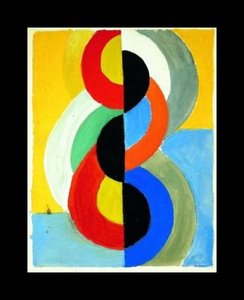
"The Joy of Life" transcends a simple visual exercise; it’s imbued with symbolic resonance. The concentric circles can be interpreted as representing the interconnectedness of all things, reflecting Delaunay's belief in the fundamental unity of color and light. The vibrant palette evokes feelings of joy, energy, and optimism – fittingly named for its subject. The division into two distinct halves—one more structured with geometric lines, the other softer and curved—creates a visual tension that mirrors the complexities of human experience.
Beyond mere aesthetics, “The Joy of Life” invites contemplation on themes of dynamism, transformation, and the inherent beauty found within abstract forms. It’s a testament to Delaunay's pioneering spirit and his profound understanding of color as a powerful expressive force.Technical Details & Reproduction Considerations
Delaunay employed oil paints on canvas, utilizing techniques such as layering and glazing to build up the rich colors and create depth within the composition. The painting’s surface is characterized by its textured brushwork and subtle variations in tone – a testament to Delaunay's meticulous attention to detail. When considering a reproduction of “The Joy of Life,” it’s crucial to select a high-quality print on archival paper that accurately captures the original’s vibrant colors and textural nuances. The best reproductions will faithfully reproduce the layering and glazing techniques, ensuring that the painting retains its dynamic energy and emotional impact.


アーティストの略歴
色彩の先駆者、ロベール・ドローネの生涯と芸術
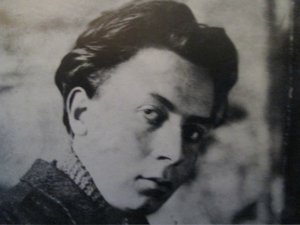
1885年パリに生まれたロベール・ドローネは、20世紀初頭の激動する芸術界において重要な役割を担った画家です。当初は伝統的な絵画様式に傾倒していましたが、彼の探求心は色彩と光の世界へと導かれ、最終的には抽象美術の誕生に大きく貢献することになります。ドローネは単に世界を描写することに満足せず、鮮やかな幾何学的形状と輝く色調を通して世界の真髄を捉えようと試みました。妻ソニア・ドローネと共にオルフィスム運動を創始し、そのビジョンを共有する仲間たちとともに、色彩の抽象的な表現を追求しました。幼少期は両親の離婚という不安定な環境で育ちましたが、それが後の芸術的探求における独立心を培う一因となったのかもしれません。当初は装飾美術を志していましたが、すぐに絵画に傾倒し、1904年早くからサロン・デ・ザンデパンダンに出品するなど、才能と野心を示しました。分割主義からオルフィスムの夜明けへ
ドローネの芸術的発展は絶え間ない実験によって特徴づけられます。当初は新印象派、あるいは分割主義の影響を受け、小さな色の点を散りばめることできらめく効果を生み出す技法を取り入れました。しかし彼は単なる視覚現象の再現にとどまらず、色彩そのものの表現的可能性を探求し始めます。この時期にジャン・メツァンジェとの友情は非常に重要な転換点となりました。彼らは断片化された形態やモザイクのような構成を試み、それが後のキュビスムへの関与につながりますが、ドローネはより分析的なアプローチから脱却していきます。彼は対象物を幾何学的に分解することに興味はなく、色彩と光のダイナミックな配置を通してそれらを統合しようとしました。この変遷がオルフィスムの誕生へと結実します。詩人ギヨーム・アポリネールによって名付けられたこの運動は、純粋な抽象芸術を創造し、色彩の強烈さによって感情的な反応を引き出すことを目指しました。『同時性対比:太陽と月』はその代表作であり、ドローネが色彩を巧みに操り、エネルギーと動きを感じさせる様子がよく表れています。「同時性」の力と芸術的影響
ドローネの芸術哲学の中心には、「同時性」という概念がありました。それは色彩がお互いに作用し合い、新たな感覚や知覚を生み出すという考え方です。彼は色彩は単なる記述的な要素ではなく、現実の経験を形作る能動的な力であると信じていました。この信念は、エッフェル塔を描いた一連の作品に反映されています。これらの絵画は、象徴的な建造物を分解し、交差する平面と鮮やかな色調のネットワークへと再構築したものでした。これは単なるエッフェル塔の描写ではなく、光と色彩がその外観をどのように変化させるかを探求したものです。ドローネの理論は同時代の他の芸術家たちに深く共鳴し、ポール・クレー、フランツ・マルク、アウグスト・マッケなどの人物に影響を与えました。またロシアのアヴァンギャルド運動にも波及しました。彼は単なる絵画を創造するだけでなく、色彩、光、知覚の関係を理解するための理論的枠組みを開発したのです。晩年と永続的な遺産
第一次世界大戦の勃発により、ドローネ夫妻はスペインやポルトガルに避難し、そこで作品制作と展覧会活動を続けました。パリに戻った1920年代以降も、彼は肖像画や人物画などの様々なテーマを探求しましたが、常に色彩と抽象主義という自身の核となる原則に忠実でした。晩年になると、ドローネは以前のテーマを再訪し、より複雑でダイナミックな構成を生み出しました。また1937年のパリ国際博覧会のために大規模な彩色レリーフをデザインするなど、芸術的ビジョンを建築的な文脈へと翻訳する野心的なプロジェクトにも取り組みました。ロベール・ドローネの1941年の早すぎる死は、美術界にとって大きな損失でしたが、彼の影響力は今日まで続いています。彼の先駆的な業績は抽象美術の多くの後続の発展の基礎を築き、色彩の探求は様々な分野の芸術家たちにインスピレーションを与え続けています。彼の遺産は単なる美的革新にとどまらず、世界を理解する方法を変える芸術の力を証明するものです。代表作品
ロベール・ドローネイ
1885 - 1941 , フランス
基本情報
- Artistic Movement Or Style: オルフィスム、キュビスム
- Artists Or Movements Influenced By This Artist:
- スタントン・マクドナルド=ライト
- ソニア・ドローネー
- Artists Who Influenced This Artist: ['ポール・クレー']
- Date Of Birth: 1885年4月12日
- Date Of Death: 1941年
- Full Name: ロベール・ドローネー
- Nationality: フランス人
- Notable Artworks (List Of Titles):
- エッフェル塔
- 同時対比:太陽と月
- 開かれた窓
- Place Of Birth (City And Country): パリ、フランス
関連記事
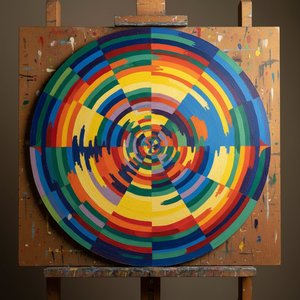
Sonia Delaunay: A Life in Color – Exploring the Rhythms of Abstraction and Synesthesia
Explore the vibrant world of Sonia Delaunay, a pioneer of abstract art and co-founder of Orphism. Discover her revolutionary use of color, geometric forms, and influence on modern design. A deep dive into her life & legacy.
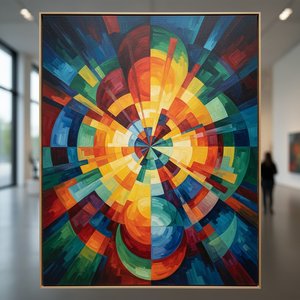
Orphism: A Symphony of Color and Form – Exploring the Abstract Roots of Modern Art
Explore Orphism, the vibrant abstract art movement pioneered by Robert & Sonia Delaunay. Discover its unique color theory, lasting influence on modern art, and how to bring this 'symphony of color' into your home with ArtsDot.
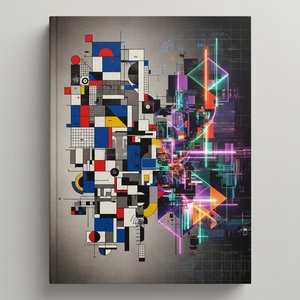
Beyond Form & Color: Geometric Abstraction's Evolution in 20th/21st Century Art
Explore the evolution of geometric abstraction from Cubism to contemporary art. Discover key artists like Malevich & Mondrian, investment insights, and expert collecting advice at ArtsDot.
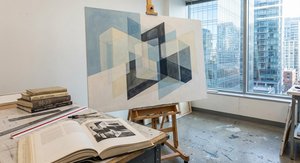
Beyond Form & Color: Geometric Abstraction's Enduring Legacy in Art History
Explore the captivating world of geometric abstraction! Discover its origins, key artists like Malevich & Mondrian, and why this movement remains highly valued by art collectors today. Expert insights at ArtsDot.

幾何学的抽象絵画を定義した傑作10選|アート、アーティスト、インテリア装飾
モンドリアン、マレーヴィチ…幾何学的抽象絵画を代表する傑作10選。各作品の背景や色彩構成、アーティストの情熱に迫ります。美術館品質の複製画はArtsDot.comで。オンラインでアートコレクションをご覧ください。