

 プレビュー
プレビュー
 シェアする
シェアする シェアする
シェアする
 詳細を見る
詳細を見る

 ダウンロード
 似ている作品
 X線調査
X線調査 スライドショー
 Stats
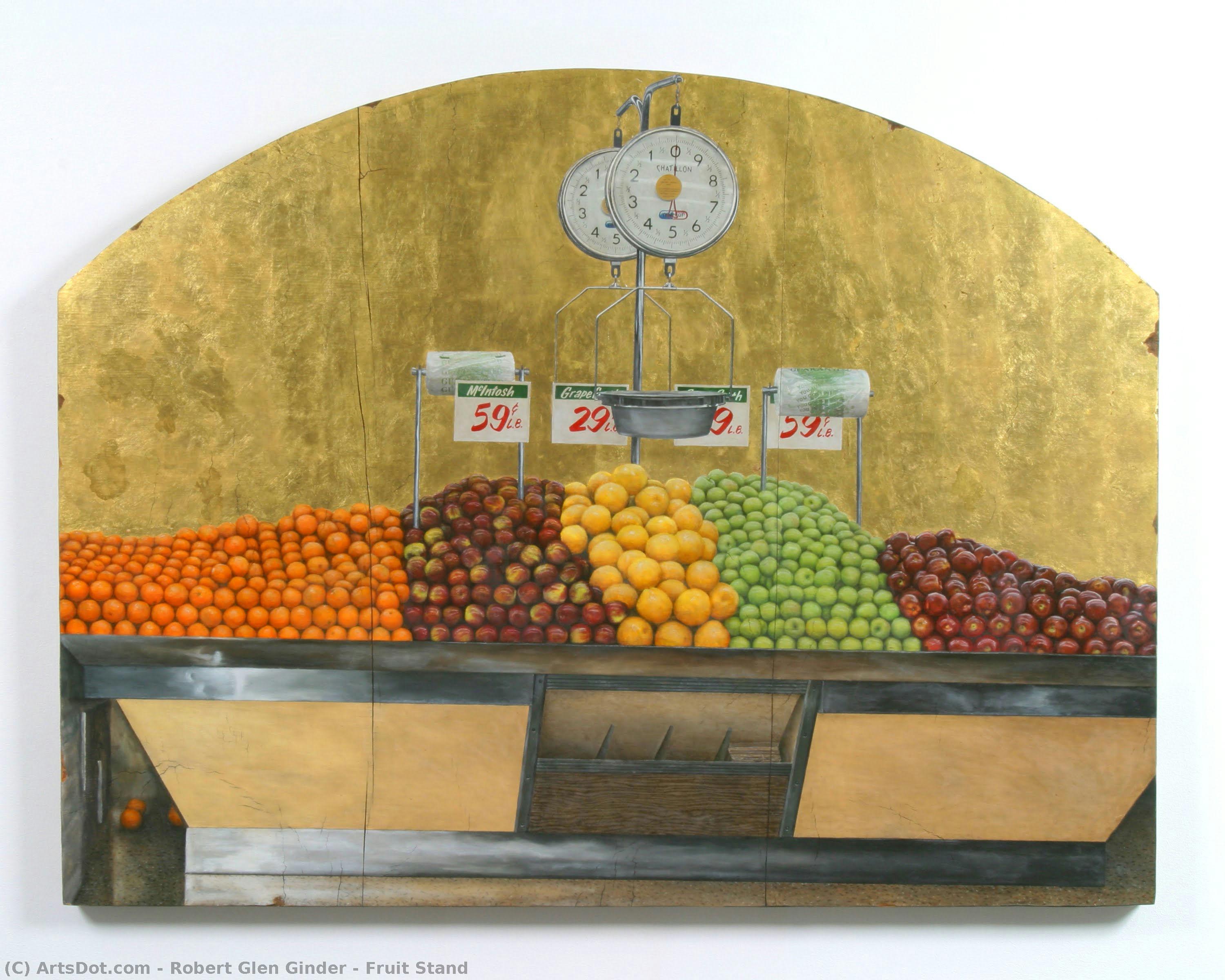
StatsFruit Stand
 Oil On Panel
- Contemporary Realism
 1986
1986- Contemporary
 121.0 x 159.0 cm
 USC フィッシャー美術館
 詳細を見る
詳細を見る
オンラインプレビューをはるかに凌ぐ、高解像度で鮮明なデジタル画像をご購入いただけます。
各ファイルは、社内の専門家が高度なツールと熟練した手作業によるレタッチを用いて、細心の注意を払って準備されています。すべての画像において、卓越した鮮明度、正確な色彩再現性、そして繊細なディテールを保証いたします。
最終ファイルは、プロフェッショナルな編集・印刷環境ですぐにご利用いただけるよう最適化された状態で、72時間以内にメールにてお届けいたします。これは、一流のデザインスタジオ、出版社、ギャラリーから信頼されているものと同等の品質です。
デジタルアート
個人での鑑賞、印刷、クリエイティブなプロジェクト用に、高解像度ファイルをダウンロードできます。 ( Switch to Print 手描きの絵画を購入)
デジタル画像のご注文に付随する特典
高品質なデジタル画像配信を、確かな品質で。
ArtsDot.com を選ぶことは、単に画像を手に入れることではありません。それは、プロの手によって精密に仕上げられ、満足保証が付いた高品質なデジタルアートワークを受け取ることを意味します。ご注文いただいた際に自動的に付随する内容は、以下の通りです:

メールですぐにお届け
ご注文から72時間以内に、高解像度のデジタル画像ファイルがメールでお手元に届きます。すぐにそのままご利用いただけます。

AI技術で最適化されたデジタルファイル
お客様の作品は、高度なAIツールと専門家による手作業の編集を組み合わせてプロフェッショナルに最適化されており、細部のディテール、鮮明さ、そして正確な色再現性を最大限に引き出しています。

一生涯無料の再送サービス
ファイルを誤って削除したり、紛失してしまったりしましたか?ご安心ください。いつでも無料で再送いたします。

輸入手数料は一切かかりません
関税や手数料、配送料を気にすることなく、お気に入りのアートワークをすぐにお楽しみいただけます。デジタルダウンロードは常に免税です。

色彩再現の保証
プロ仕様のツールとカラーマネジメント技術を用いることで、デジタル画像が元の色を最大限に忠実に再現することを保証いたします。

100日間満足保証
ご購入いただいたデジタル画像にご満足いただけない場合は、100日以内であれば、理由を問わず修正または100%の返金対応をさせていただきます。

100% 返金保証
ご満足いただけない場合は、デジタルファイルを受け取ってから100日以内であれば、理由を問わず全額返金いたします。

まとめ買い割引
3枚購入で10%OFF - 5枚購入で15%OFF - 10枚以上購入で20%OFF。クリエイティブなプロジェクト、ギャラリー、エージェンシーに最適です。
A Symphony of Abundance: The Vibrant World of Fruit Stand
In the heart of a bustling marketplace, where the air is thick with the scent of ripening sweetness and the rhythmic hum of daily commerce, lies the soul of Robert Glen Ginder’s Fruit Stand. This magnificent oil on panel, dating from 1986, serves as more than just a depiction of a vendor's wares; it is a profound celebration of life’s simple, bountiful offerings. As the eye wanders across the canvas, one is immediately struck by the meticulous arrangement of nature's treasures. Apples, vibrant and deep in hue, are scattered with a deliberate randomness that suggests both abundance and accessibility, while the bright, sun-kissed oranges provide a warm, citrusy glow to the center and right of the composition. A subtle curve of bananas rests in the middle, grounding the display with their soft, golden presence. Through Ginder’s masterful hand, the fruit becomes a mosaic of texture and light, inviting the viewer to almost reach out and touch the smooth skin of an apple or feel the weight of a ripe orange.
The technique employed in this large-scale work reflects a deep reverence for the traditions of realism, yet it is infused with a contemporary vitality that breathes life into every brushstroke. Ginder utilizes the density of oil paint to create a tactile experience, where the interplay of light and shadow gives each piece of fruit a sculptural quality. The composition is anchored by an unexpected and intriguing element: a large clock hanging prominently above the stand. This inclusion introduces a poignant layer of symbolism, acting as a silent memento mori that contrasts the ephemeral nature of ripening fruit with the relentless, ticking march of time. It suggests that while the beauty of the harvest is fleeting, the moment captured in this painting remains eternally ripe, frozen in a state of perfect, delicious permanence.
For the discerning collector or the interior designer seeking to infuse a space with warmth and character, Fruit Stand offers an unparalleled opportunity. The sheer scale of the piece—measuring an impressive 121 x 159 cm—allows it to serve as a commanding focal point in any grand room, whether it be a sophisticated dining hall or a sunlit studio. The painting’s palette, rich with organic tones and energetic highlights, possesses a unique ability to stimulate the senses and evoke feelings of nostalgia and prosperity. It is an artwork that does not merely decorate a wall; it transforms an environment, bringing the lively, sensory richness of a Southern California landscape into the intimate sanctuary of the home. To possess a reproduction of this caliber is to invite a timeless sense of vitality and a celebration of the everyday beauty that Ginder so expertly captures.
関連作品



作家の略歴
Early Life and Artistic Beginnings
Itzhak Avraham ben Zeev Spiegelman, better known as Art Spiegelman, was born in Ontario, Canada, on February 15, 1948 – a date that would profoundly shape his life and artistic trajectory. His early years were marked by a quiet, observant nature, a characteristic that would later inform the meticulous detail and poignant storytelling found throughout his work. While he displayed an aptitude for art from a young age, it wasn’t until his final year of high school that his creative ambitions truly began to coalesce. This period proved crucial, providing him with the foundational skills and a burgeoning sense of purpose that would guide him through decades of artistic exploration. Spiegelman's early exposure to comics, particularly those published in pulp magazines, ignited a passion for sequential art – a fascination that would ultimately lead him to become one of its most influential figures.The Rise of *Maus* and Graphic Novel Innovation
Spiegelman’s career gained significant momentum through his co-founding of the groundbreaking comic magazine *Heavy Metal* in 1978, alongside Robert Bell. This venture introduced a new generation to the possibilities of long-form storytelling within the comic book format, pushing boundaries and challenging conventional expectations. However, it was with *Maus*, published between 1986 and 1991, that Spiegelman achieved international acclaim and cemented his place in art history. *Maus*, a Pulitzer Prize-winning graphic novel, depicts the Holocaust through the allegorical representation of Jews as mice and Nazis as cats. This bold and deeply personal narrative demanded immense research, emotional vulnerability, and artistic skill – all of which Spiegelman masterfully employed. The book’s innovative use of black and white to evoke the starkness of wartime imagery, combined with its unflinching portrayal of trauma, established *Maus* as a landmark achievement in both comics and literature. It demonstrated the power of sequential art to tackle complex historical events and explore profound human experiences.Collaborations and Expanding Horizons
Beyond *Maus*, Spiegelman’s career has been characterized by collaborative projects that have further expanded his artistic reach. He played a pivotal role as co-editor alongside Françoise Mouly on the influential comics magazine *Arcade* from 1989 to 1994, fostering a vibrant community of alternative comic creators and introducing them to a wider audience. His decade-long association with *Raw*, another groundbreaking comics magazine, provided a platform for diverse voices and experimental storytelling. Spiegelman’s work on *Raw* was instrumental in bringing attention to artists like Charles Burns, Chris Ware, and Ben Katchor, shaping the landscape of independent comics. His involvement with *The New Yorker* since 1996 has allowed him to continue exploring themes of memory, identity, and social commentary through a distinctly visual medium.Technique and Artistic Style
Spiegelman’s artistic style is immediately recognizable for its meticulous detail, precise line work, and often unsettling juxtapositions. While he initially experimented with various styles, including those influenced by underground comix, his mature work is characterized by a deliberate restraint and an almost photographic realism within the confines of the comic book format. He frequently employs a limited color palette – predominantly black and white – to create a sense of immediacy and emotional intensity. His use of panel layout and pacing is equally sophisticated, carefully constructed to guide the reader through complex narratives and evoke specific moods. Spiegelman’s work isn't simply about telling stories; it’s about crafting visual experiences that resonate deeply with the viewer.Legacy and Recognition
Art Spiegelman’s contributions to comics and art have been widely recognized with numerous awards and accolades, including the Pulitzer Prize for *Maus*. In 2022, he received the National Book Foundation Medal for Distinguished Contribution to American Letters, a testament to his enduring influence on literature and visual storytelling. His work continues to be studied in academic settings and enjoyed by readers around the world. Spiegelman’s legacy extends beyond individual works; he has played a crucial role in elevating comics as a legitimate art form and fostering a greater appreciation for its potential. He is not just an artist, but also a champion of visual literacy and a powerful voice for confronting difficult truths about history and humanity.
robert glen ginder
1948 - , United States of America
プロフィール概要
- Artistic Movement Or Style: Comics advocate
- Artists Or Movements Influenced By This Artist: ['Underground comix']
- Date Of Birth: February 15, 1948
- Full Name: Itzhak Avraham Spiegelman
- Nationality: American
- Notable Artworks:
- Maus
- Arcade
- Raw
- Place Of Birth: Ontario, Canada