

 プレビュー
プレビュー
 シェアする
シェアする シェアする
シェアする
 詳細を見る
詳細を見る

 ダウンロード
 似ている作品
 X線調査
X線調査 スライドショー
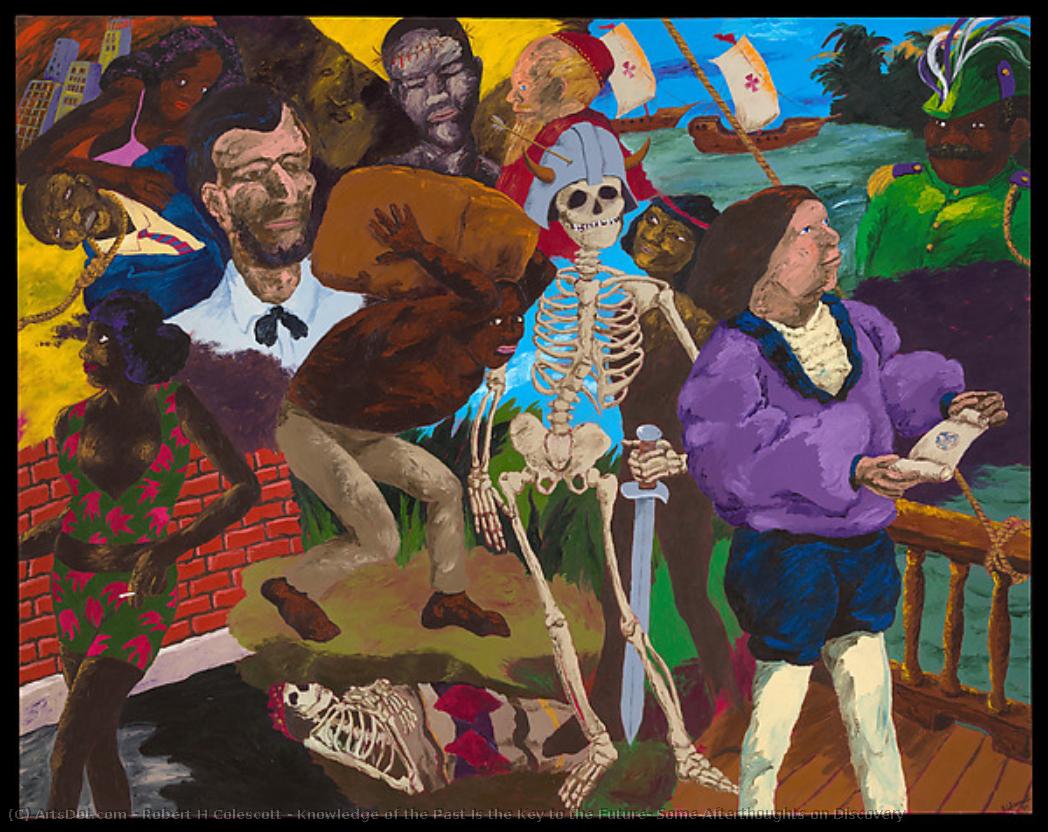
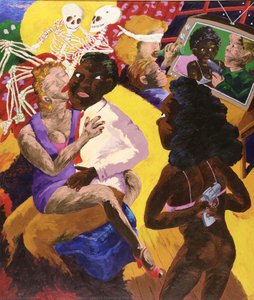
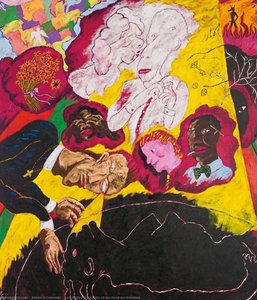
Knowledge of the Past Is the Key to the Future: Some Afterthoughts on Discovery
 Acrylic On Canvas
- WallArt
- Contemporary Realism
 1986
1986 229.0 x 290.0 cm
 メトロポリタン美術館
 詳細を見る
詳細を見る
ジークレー/アートプリント
迅速な制作と多彩な仕上げオプションを備えた、ミュージアムクオリティのジークレーまたはキャンバスプリント。 ( 手描きの絵画を購入 画像を購入)




P118B $10

P118H $10

P118W $10

P438Z $10

P508JH $12

P508YH $12

P805H $10

P805Z $10

P919BZ $10

P919G $10

P919XJ $10

P959ZH $10

P968JZ $12

W106C $8

W218G $10

W218JH $8

W218Y $10

W307PJ $10

W316G $10

W316PJ $8

W316Y $10

W398PJ $8

W4111J $10

W500HY $15

W500JH $15

W692G $12

W849H $8

W940BG $15

W953PJ $8




作品のオリジナル比率に合わせた、当店の規定サイズからお選びください。

特定のフレームやスペースに合わせて、ご自身でサイズを指定することも可能です。選択されたサイズが元の画像の比率と一致しない場合、作品をトリミングするか、鏡面反射または単色での塗りつぶしによって画像を拡張いたします。制作を開始する前に、ご確認用のデジタルモックアップをお送りいたします。
画面上のプレビューには、実際のトリミングや拡張は反映されませんのでご注意ください。最終的な構図を正確に確認できるのは、モックアップのみとなります。
カスタムサイズも承っておりますが、元の比率を維持するためには、あらかじめ用意されたリストからサイズを選択することをお勧めいたします。


 ガラスオプションは、110cm未満のサイズでのみご利用いただけます。

Knowledge of the Past Is the Key to the Future: Some Afterthoughts on Discovery
ジークレー/アートプリント
複製画のサイズ
-


合計金額
$ 62
作品詳細説明
Robert H. Colescott’s “Knowledge of the Past Is the Key to the Future”: A Critique of Colonial Legacy
Christopher Columbus's voyages into the Atlantic Ocean are undeniably pivotal moments in Western history, yet Robert H. Colescott’s monumental acrylic on canvas painting confronts this narrative head-on with a searing indictment of colonialism and its enduring repercussions. Executed in 1986, “Knowledge of the Past Is the Key to Future” isn't merely a depiction; it’s an unsettling reimagining of European Old Master painting conventions—a deliberate disruption designed to provoke contemplation about how history is constructed and interpreted. The artist employs a vibrant palette dominated by reds, yellows, and blues, mirroring the turbulent hues of maritime exploration and signaling both triumph and violence. Figures populate the canvas in fragmented poses, reminiscent of Baroque compositions, yet they are presented not as idealized heroes but as caricatured representations of power—Columbus himself stands amidst a throng of individuals, including skeletal figures embodying Viking explorers and symbolic ships representing transatlantic voyages. This juxtaposition immediately establishes Colescott’s central argument: Western art history has historically glossed over the experiences of marginalized communities, particularly Black subjects, portraying them as demonic or mythologizing their absence. Colescott's technique is characterized by bold brushstrokes and a masterful manipulation of color to convey emotion. The layering of paint creates depth and texture, mirroring the complexity of historical narratives. He deliberately eschews traditional perspective, opting for an asymmetrical arrangement that destabilizes the viewer’s gaze and reinforces the painting’s thematic concerns. The inclusion of numerous figures—each meticulously rendered with expressive detail—contributes to a sense of overwhelming scale and underscores Colescott's ambition to capture the totality of historical trauma. The symbolism embedded within “Knowledge of the Past Is the Key to Future” is multilayered. The skeletons represent not only death but also the ghosts of forgotten histories, reminding us that narratives are shaped by those who dominate them. Columbus’s posture exudes arrogance and entitlement, highlighting the hubris inherent in colonial ambition. Furthermore, the blending of past, present, and future suggests that the wounds inflicted during colonization continue to fester into contemporary realities—a sobering observation delivered with unflinching artistic honesty. Ultimately, Colescott's painting transcends mere visual representation; it’s a forceful statement about cultural critique and historical responsibility. It compels viewers to question accepted narratives and confront uncomfortable truths about power dynamics and systemic oppression. “Knowledge of the Past Is the Key to Future” remains a powerful testament to Colescott’s artistic vision—a masterpiece that continues to resonate with audiences today as it did upon its initial unveiling, cementing his place as a significant voice in American art history.関連作品
アーティストの略歴
african american satire in the art world
robert h. colescott, an american painter born in oakland, california in 1925, left an indelible mark on the art world with his satirical genre and crowd subjects. his works, often reflecting on being african american, convey exuberance, comicality, or bitterness, offering a unique perspective on the human experience.early life and influences
colescott's artistic journey began under the tutelage of fernand léger in paris. this foundational training not only honed his skills but also broadened his understanding of the art world, influencing his satirical approach.notable works and collections
- **the museum of modern art** (new york) - a testament to colescott's acclaim, his work is featured in this prestigious institution. - **the corcoran gallery of art** - his presence in this collection underscores his significance in american art history. - **san francisco museum of modern art**, **museum of fine arts, boston**, **hirshhorn museum and sculpture garden**, **baltimore museum of art**, and **cystal bridges museum of american art** - these institutions, among others, have recognized colescott's contributions to the art world.artistic style and themes
- satirical genre: colescott's use of satire to reflect on african american experiences is a hallmark of his work. - crowd subjects: his incorporation of crowd subjects adds depth to his satirical pieces, offering nuanced commentary.legacy
robert h. colescott passed away in 2009, but his legacy endures through his impactful artworks, now part of many major public collections. his influence on the art world, particularly in the realm of satire and african american representation, remains unparalleled.- view colescott's works at https://ArtsDot.com/@/robert-h-colescott
- explore more on satirical art and its significance in the art world through /en/art/list/
- discover other influential artists at https://ArtsDot.com/@@/d3alaz-discovering-the-artworks-of-newnham-college-cambridge-united-kingdom
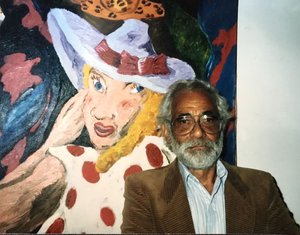
robert h. colescott
1925 - 2009 , United States of America
基本情報
- Artistic Movement Or Style:
- Assemblage
- Combine painting
- Neo-Dada
- Abstract expressionism
- Pop art
- Artists Or Movements Influenced By This Artist:
- Pop Art
- Neo-Dada
- Artists Who Influenced This Artist:
- Picasso
- Pollock
- Jasper Johns
- Date Of Birth: October 22, 1925
- Date Of Death: May 12, 2008
- Full Name: Robert Rauschenberg
- Nationality: American
- Notable Artworks:
- Canyon
- Monogram
- Rauschenberg Cards
- Place Of Birth: Port Arthur, Texas, USA
関連記事

Grant Wood & American Regionalism: Identity, Myth & the Rural Landscape
Explore the world of Grant Wood & American Regionalism with ArtsDot. Discover the symbolism behind 'American Gothic', recurring themes, and the movement's lasting impact on art history. High-quality reproductions available.
Echoes of Place: Regionalism & American Identity in Interwar Art
Explore the rise of American Regionalism in interwar art! Discover Grant Wood, Thomas Hart Benton & the movement's impact on American identity. Expert analysis & historical context.

American Regionalism: A Crucible of Identity – Exploring Themes of Place, Labor & Social Commentary
Explore American Regionalism's powerful depiction of the American heartland during the Great Depression. Discover Grant Wood, Thomas Hart Benton & more. Expert analysis & high-quality art reproductions at ArtsDot.
Robert W. Salmon: Navigating the Currents of Maritime Painting & American Realism
Explore the captivating maritime paintings of Robert W. Salmon, a pioneer of American Luminism. Discover his Boston Harbor scenes, legacy, and collecting guide at ArtsDot.
Robert Seldon Duncanson: Landscape, Abolitionism & Shaping American Identity
Discover Robert Seldon Duncanson, the first internationally acclaimed African American landscape artist. Explore his connection to the Hudson River School, abolitionism, and enduring legacy through serene vistas & powerful symbolism.

