

 プレビュー
プレビュー
 プリントを購入
 シェアする
シェアする シェアする
シェアする
 詳細を見る
詳細を見る

 ダウンロード
 似ている作品
 X線調査
X線調査 スライドショー
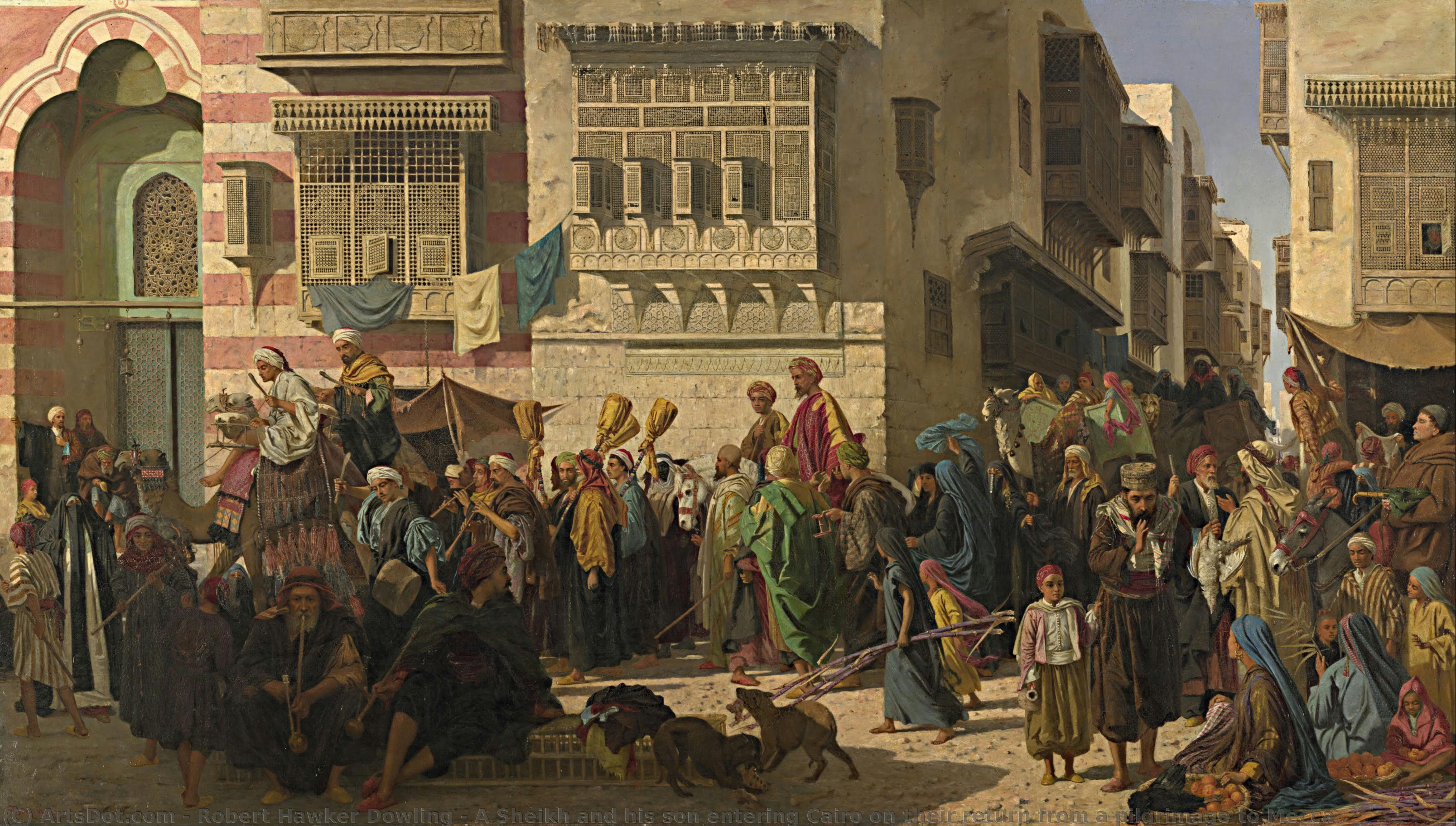
A Sheikh and his son entering Cairo on their return from a pilgrimage to Mecca
 Oil On Canvas
- WallArt
- Orientalism
 1874
1874- 19th Century
 139.0 x 244.0 cm
 国立ギャラリー・オブ・ビクトリア
 詳細を見る
詳細を見る




P118B $10

P118H $10

P118W $10

P438Z $10

P508JH $12

P508YH $12

P805H $10

P805Z $10

P919BZ $10

P919G $10

P919XJ $10

P959ZH $10

P968JZ $12

W106C $8

W218G $10

W218JH $8

W218Y $10

W307PJ $10

W316G $10

W316PJ $8

W316Y $10

W398PJ $8

W4111J $10

W500HY $15

W500JH $15

W692G $12

W849H $8

W940BG $15

W953PJ $8




作品のオリジナル比率に合わせた、当店の規定サイズからお選びください。

特定のフレームやスペースに合わせて、ご希望のサイズをご入力いただけます。選択されたサイズが元の画像の比率と異なる場合、アートワークをトリミングするか、手描きで要素を追加して絵画を拡張いたします。デジタルモックアップ を制作し、制作開始前にご確認(承認)をいただきます。
画面上のプレビューは、実際のトリミングや拡張を正確に反映しているものではありません。最終的な構図は、モックアップによってのみ正確にご確認いただけます。
カスタムサイズもご利用いただけますが、元の比率を維持するためには、あらかじめ用意されたリストからサイズを選択することをお勧めいたします。
ご注文後、ArtsDot.com チームより詳細な指示をお送りするとともに、仕上がりイメージ(モックアップ)をご提供いたします。


 ガラスオプションは、110cm未満のサイズでのみご利用いただけます。

A Sheikh and his son entering Cairo on their return from a pilgrimage to Mecca
複製技法
複製画のサイズ
-


合計金額
$ 263
作品解説
A Grand Procession Through Time
In the sweeping expanse of Robert Hawker Dowling’s 1874 masterpiece, "A Sheikh and his son entering Cairo on their return from a pilgrimage to Mecca," the viewer is not merely observing a painting, but is instead transported into the vibrant, sun-drenched heart of nineteenth-century Egypt. This monumental oil on canvas serves as a breathtaking window into a bygone era, capturing the rhythmic pulse of a city in motion. The composition is orchestrated with the precision of a theatrical stage, where every figure—from the noble Sheikh mounted upon his Arab horse to the humble attendants trailing behind—contributes to a grand, frieze-like narrative of arrival and triumph. Dowling, an artist deeply moved by the textures of the Orient, has meticulously reconstructed a scene that feels both epic in scale and intimate in its ethnographic detail.
The brilliance of this work lies in Dowling’s unwavering commitment to authenticity. Having spent significant time in Cairo, the artist infused his brushstrokes with an intimate knowledge of the city's unique architectural soul. One can almost feel the heat radiating from the narrow streets and hear the distant clamor of the marketplace. The presence of the mashrabiyyas—those intricate, wooden latticed balconies that project from the facades—provides a sense of structural depth and historical grounding, allowing contemporary connoisseurs to identify the very streets depicted. This level of detail transforms the painting from a mere landscape into a living document of Orientalist life, where the architecture itself acts as a silent witness to the unfolding procession.
The Tapestry of Life and TraditionBeyond the architectural grandeur, the painting is a rich tapestry of social hierarchy and cultural ritual. The central figures, the Sheikh and his son, embody a sense of dignified homecoming, their presence commanding the attention of the bustling crowd. Dowling masterfully weaves a complex web of characters around this central duo: musicians providing a rhythmic backdrop, servants tending to the needs of the travelers, and caparisoned camels laden with the precious cargo of a long journey. There is a profound sense of social order captured here; the placement of the children and the women of the harem reflects the specific cultural nuances of the period, offering a poignant glimpse into the domestic and public spheres of the time.
For the discerning collector or interior designer, this artwork offers more than just visual splendor; it provides an emotional anchor for any space. The painting’s palette, rich with the earthy tones of the desert and the vibrant hues of traditional textiles, creates a sense of warmth and timelessness. It is a piece that invites contemplation, sparking conversations about history, travel, and the enduring beauty of human tradition. Whether placed in a grand library or a sophisticated contemporary living space, Dowling’s work brings with it an aura of worldly elegance and a deep, scholarly appreciation for the artistry of the nineteenth-century colonial gaze.
関連作品

アーティストの略歴
a colonial artist's journey
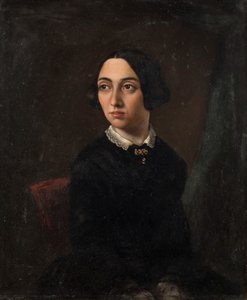
robert hawker dowling, a prominent australian colonial artist, was born in essex, england in 1827. as the youngest son of rev. henry dowling and his wife elizabeth, née darke, he was brought to launceston, tasmania with his parents in 1839. this marked the beginning of his artistic journey.early training and career
dowling received lessons from thomas bock and frederick strange, which laid the foundation for his future as a portrait painter. in 1850, he advertised his services as a portrait painter, signaling the start of his professional career.notable works and exhibitions
* between 1859 and 1882, dowling exhibited 16 pictures at the royal academy, with additional works showcased at the british institute. * his portraits of notable figures such as sir henry loch, dr. james moorhouse, and francis ormond are particularly noteworthy.legacy and later life
dowling's time in launceston and later in melbourne was marked by his prolific output of portraits. eventually, he returned to london, where he passed away in 1886.- view robert hawker dowling's artworks on ArtsDot
- explore the top 5 famous artists of all time to understand the broader context of colonial artists like dowling.
- discover more about the royal academy's history and its impact on artists like dowling through this article on chelmsford museum, united kingdom.
robert hawker dowling
1827 - 1886 , United Kingdom
基本情報
- Artistic Movement Or Style: Romanticism, Pre-Raphaelite
- Artists Or Movements Influenced By This Artist:
- Eugène Delacroix
- Romanticism
- Artists Who Influenced This Artist:
- Raphael
- Michelangelo
- Dürer
- Emanuel Swedenborg
- Date Of Birth: November 28, 1757
- Date Of Death: August 12, 1827
- Full Name: William Blake
- Nationality: British
- Notable Artworks:
- Songs of Innocence
- Songs of Experience
- The Marriage of Heaven and Hell
- Jerusalem
- Place Of Birth: London, England
関連記事
The Noble Steed on Canvas: A Historical & Artistic Exploration of Horse Painting Across Cultures
Explore the rich history of horse painting! Discover masterpieces from Stubbs to Munnings & learn about symbolism, techniques & artists. Find museum-quality reproductions at ArtsDot.
German Expressionism's 10 Defining Masterpieces | Art for Your Home
Explore 10 defining German Expressionism masterpieces – from Munch's 'The Scream' to Kandinsky’s abstracts. Discover the artists, stories & bold colors behind this powerful art movement. Find museum-quality reproductions at ArtsDot.com.
The Equine Muse: A Historical & Artistic Exploration of Horses in Painting
Explore the captivating history of horses in painting! Discover Renaissance masterpieces, Baroque grandeur & expert insights for collecting equestrian art. Learn about symbolism, techniques & lasting value with ArtsDot.
The Noble Steed: A Historical and Artistic Exploration of Horses in Fine Art
Explore the rich history of horses in fine art! From ancient depictions to Renaissance masterpieces & beyond, discover iconic artworks and artists. Learn about symbolism, techniques, and find museum-quality reproductions at ArtsDot.
Beyond Graffiti: Exploring the Evolution & Cultural Impact of Street Art for Collectors
Explore the evolution of street art from rebellious origins to a respected fine art form. Discover key artists like Banksy & learn how to collect urban art with confidence. Expert insights for discerning investors.

