

 プレビュー
プレビュー
 プリントを購入
 シェアする
シェアする シェアする
シェアする
 詳細を見る
詳細を見る

 ダウンロード
 似ている作品
 X線調査
X線調査 スライドショー
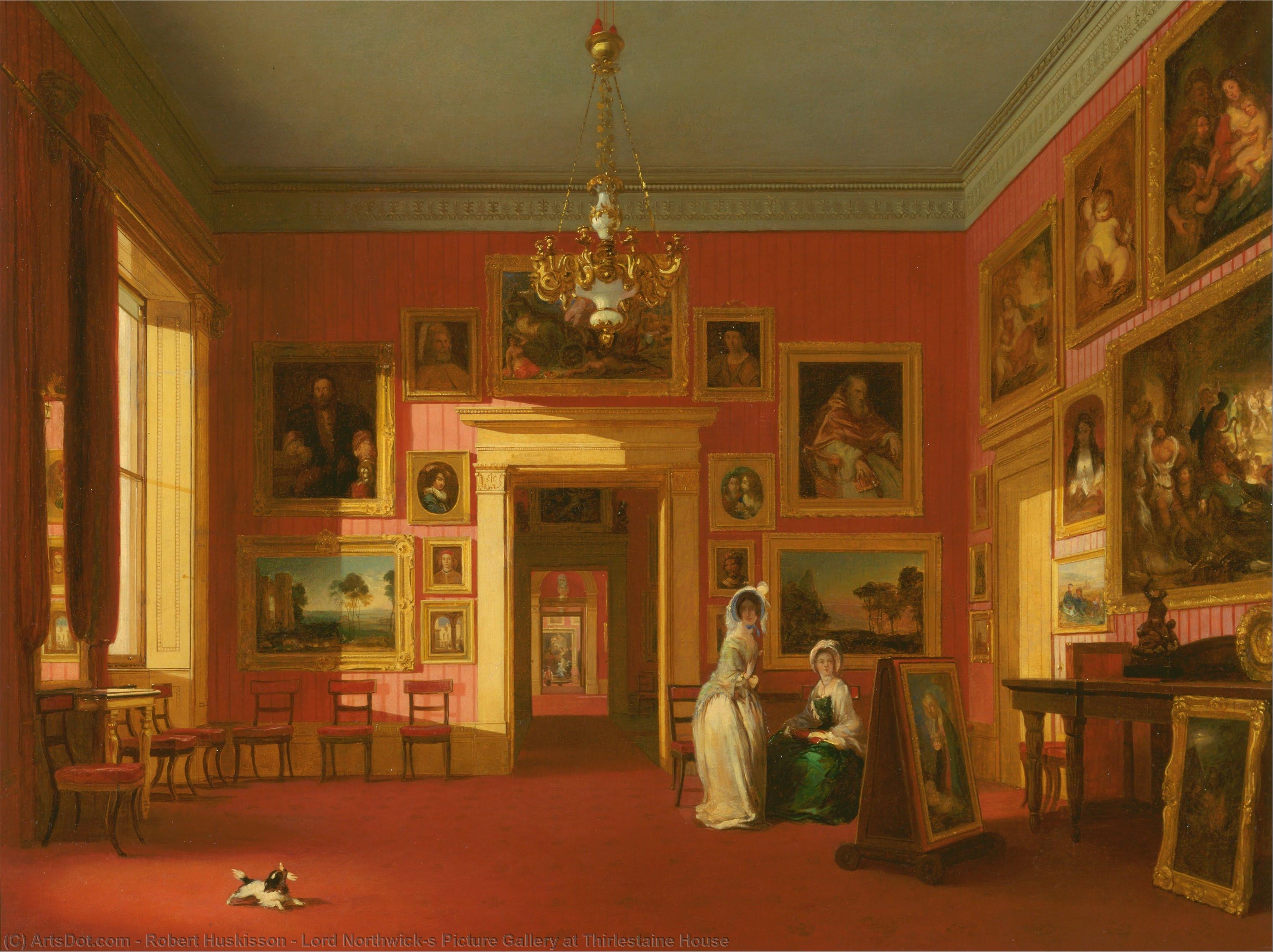
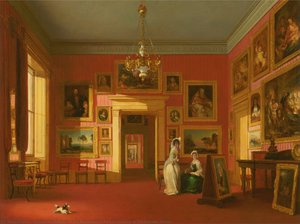
Lord Northwick's Picture Gallery at Thirlestaine House


 詳細を見る
詳細を見る
オンラインプレビューをはるかに凌ぐ、高解像度で鮮明なデジタル画像をご購入いただけます。
各ファイルは、社内の専門家が高度なツールと熟練した手作業によるレタッチを用いて、細心の注意を払って準備されています。すべての画像において、卓越した鮮明度、正確な色彩再現性、そして繊細なディテールを保証いたします。
最終ファイルは、プロフェッショナルな編集・印刷環境ですぐにご利用いただけるよう最適化された状態で、72時間以内にメールにてお届けいたします。これは、一流のデザインスタジオ、出版社、ギャラリーから信頼されているものと同等の品質です。
デジタル画像のご注文に付随する特典
高品質なデジタル画像配信を、確かな品質で。
ArtsDot.com を選ぶことは、単に画像を手に入れることではありません。それは、プロの手によって精密に仕上げられ、満足保証が付いた高品質なデジタルアートワークを受け取ることを意味します。ご注文いただいた際に自動的に付随する内容は、以下の通りです:

メールですぐにお届け
ご注文から72時間以内に、高解像度のデジタル画像ファイルがメールでお手元に届きます。すぐにそのままご利用いただけます。

AI技術で最適化されたデジタルファイル
お客様の作品は、高度なAIツールと専門家による手作業の編集を組み合わせてプロフェッショナルに最適化されており、細部のディテール、鮮明さ、そして正確な色再現性を最大限に引き出しています。

一生涯無料の再送サービス
ファイルを誤って削除したり、紛失してしまったりしましたか?ご安心ください。いつでも無料で再送いたします。

輸入手数料は一切かかりません
関税や手数料、配送料を気にすることなく、お気に入りのアートワークをすぐにお楽しみいただけます。デジタルダウンロードは常に免税です。

色彩再現の保証
プロ仕様のツールとカラーマネジメント技術を用いることで、デジタル画像が元の色を最大限に忠実に再現することを保証いたします。

60日間満足保証
ご購入いただいたデジタル画像にご満足いただけない場合は、60日以内であれば、修正または100%の返金(理由を問う必要はありません)をさせていただきます。

100% 返金保証
ご満足いただけない場合は、デジタルファイルを受け取ってから60日以内であれば、理由を問わず全額返金いたします。

まとめ買い割引
3枚購入で10%OFF - 5枚購入で15%OFF - 10枚以上購入で20%OFF。クリエイティブなプロジェクト、ギャラリー、エージェンシーに最適です。
A Glimpse into Victorian Grandeur
In his evocative 1847 masterpiece, Lord Northwick's Picture Gallery at Thirlestaine House, Robert Huskisson invites the viewer to step through a portal into the opulent heart of nineteenth-century British high society. The painting serves as more than just a depiction of a room; it is a profound meditation on the intersection of private life and public prestige. As we gaze upon the scene, we find ourselves immersed in a sanctuary of culture, where the walls are adorned with a curated collection of thirteen distinct paintings that whisper stories of antiquity and romance. The composition is anchored by the presence of a woman, seated with a quiet, contemplative grace amidst the splendor. Her stillness contrasts beautifully with the vibrant energy of the gallery, creating a sense of timelessness that captures the very essence of the Victorian era's fascination with legacy and the preservation of beauty.
The atmosphere is further enriched by the subtle inclusion of a loyal companion—a dog resting peacefully on the crimson carpet. This small, tender detail breathes life into the formal setting, softening the grandeur of the museum-like environment with a touch of domestic warmth. The interplay between the structured, academic arrangement of the artworks and the organic, lived-in presence of the woman and her pet creates a narrative tension that is both captivating and deeply human. For the collector or interior designer, this piece offers a window into an era where art was not merely decoration but a fundamental component of one's identity and social standing.
Technique and the Art of Atmosphere
Huskisson demonstrates a masterful command over light and texture, utilizing a technique that breathes depth into every corner of Thirlestaine House. The way the light falls across the red carpet and catches the gilded frames of the various paintings suggests a sophisticated understanding of interior illumination. Each brushstroke contributes to a rich, layered texture, from the heavy, dignified presence of the furniture to the delicate, ethereal quality of the shadows dancing in the periphery. The artist employs a palette that balances the deep, regal tones of the gallery's furnishings with the varied colors found within the miniature worlds of the displayed artworks themselves.
The meticulous attention to detail—the way each painting on the wall seems to possess its own distinct character and scale—demonstrates Huskisson’s ability to manage complex compositions without overwhelming the viewer. This level of precision makes a high-quality reproduction of this work an extraordinary choice for any sophisticated interior. It provides a focal point that commands attention, offering a sense of historical depth and architectural grandeur that can transform a modern space into a gallery of refined taste.
A Legacy of Romanticism and Refinement
Beyond its visual splendor, the painting functions as a historical document of a vanished world. During the mid-19th century, the ability to amass such a collection was a profound symbol of intellectual curiosity and wealth. Huskisson, known for his ability to capture the enchanting and the fantastical, applies that same sense of wonder to this realistic setting, imbuing the gallery with a dreamlike, almost reverent quality. The piece resonates with the Romantic movement's emphasis on emotion and the sublime, inviting the viewer to lose themselves in the layers of history presented within the frame.
For those seeking to infuse their homes or curated collections with a sense of narrative and prestige, Lord Northwick's Picture Gallery stands as an incomparable inspiration. It is a work that celebrates the enduring power of art to shape our environments and our souls. Owning a reproduction of this masterpiece is not merely about acquiring a beautiful image; it is about bringing a piece of history, a sense of quiet luxury, and a profound appreciation for the beauty of the past into the contemporary world.
関連作品
作家の略歴
A Visionary of the Victorian Fairy Realm: The Life and Art of Robert Huskisson
Robert Huskisson, a name perhaps less immediately recognizable than his Pre-Raphaelite contemporaries, nevertheless occupies a unique and enchanting position within 19th-century British art. Born in Langar, Nottinghamshire, around 1820 – records are somewhat sparse regarding the precise date – Huskisson emerged as a significant figure specializing in fairy paintings during the Victorian era, a time captivated by folklore, romanticism, and an increasing fascination with the unseen world. Initially christened Robert Locking Huskinson, he and his brother Leonard adopted the simpler spelling of “Huskisson” upon their move to London in 1839, marking a deliberate step towards establishing their artistic identities. The foundation for their artistic pursuits was laid by their father, Henry Huskinson, a portrait painter who provided early tutelage, instilling in both sons a foundational understanding of technique and observation.Early Career and the Rise of Fairy Painting
Huskisson’s work first appeared at the Royal Academy as early as 1838, but it was not until 1847 that his fairy paintings began to attract attention. This shift in focus reflects a growing public appetite for whimsical subjects, fueled by literary trends and a burgeoning interest in mythology. While portraiture provided a stable income, Huskisson’s true passion lay in depicting the ethereal realm of fairies – delicate creatures inhabiting moonlit glades and enchanted forests. These were not the mischievous sprites of earlier folklore; instead, Huskisson presented them as graceful, almost human figures, often engaged in scenes of courtly life or contemplative solitude. His brother Leonard also painted fairy subjects, leading to some confusion regarding attribution over time, but Robert’s work is generally distinguished by a greater emphasis on atmospheric detail and emotional depth. The early exhibitions were met with moderate success, establishing Huskisson as a specialist within a niche genre that was rapidly gaining popularity among collectors seeking escapism and decorative beauty.Technique, Influences, and Artistic Style
Huskisson’s artistic style is firmly rooted in Romanticism, characterized by its emphasis on emotion, imagination, and the sublime power of nature. However, his work also displays a distinct Victorian sensibility – a meticulous attention to detail, a refined sense of composition, and a penchant for narrative storytelling. He employed a delicate brushstroke and a rich palette, often utilizing luminous glazes to create an otherworldly glow. The influence of earlier masters like Richard Dadd is evident in the intricate detailing of his fairy figures and landscapes, but Huskisson developed a unique voice through his focus on atmosphere and psychological nuance. Midsummer Night’s Fairies, one of his most celebrated works, exemplifies this style – a scene brimming with delicate forms, soft lighting, and an underlying sense of mystery. He wasn't merely illustrating fairy tales; he was attempting to capture the *feeling* of enchantment, the fleeting beauty of a world just beyond our perception.Later Life and Legacy
Despite achieving recognition within his chosen field, Huskisson’s later life appears to have been marked by obscurity. After exhibiting at the Royal Academy in 1854, documentation becomes increasingly scarce. He died in London on October 6th, 1861, without receiving an obituary in The Art Journal, a testament to his somewhat marginalized position within the broader art world. However, interest in his work experienced a revival following the inclusion of four paintings in a Royal Academy exhibition in 1997, bringing renewed attention to his unique contribution to Victorian art. Today, Huskisson’s fairy paintings are highly sought after by collectors and museums alike, representing a captivating glimpse into the imagination of a bygone era. His works continue to resonate with audiences captivated by their delicate beauty, romantic atmosphere, and enduring sense of wonder.Historical Significance and Enduring Appeal
Robert Huskisson's significance lies not in revolutionizing painting technique but in his dedicated exploration of a specific theme – the fairy realm – at a pivotal moment in Victorian culture. He tapped into a widespread fascination with folklore and mythology, offering viewers an escape from the realities of industrialization and social change. His paintings provide valuable insight into the Victorian imagination, revealing a desire for beauty, enchantment, and a connection to the natural world.- His work reflects the Romantic preoccupation with emotion and the sublime.
- He exemplifies the Victorian emphasis on detail and narrative storytelling.
- Huskisson’s fairy paintings offer a unique perspective on folklore and mythology.
- His art continues to inspire contemporary artists and captivate audiences worldwide.
プロフィール概要
- Artistic Movement Or Style: Romanticism, Fairy Painting
- Artists Who Influenced This Artist: ['Henry Huskinson (father)']
- Date Of Birth: 1820
- Date Of Death: October 6, 1861
- Full Name: Robert Locking Huskisson
- Nationality: British
- Notable Artworks:
- Midsummer Night's Fairies
- Titania and her Court
- Place Of Birth: Langar, Nottingham, UK

