

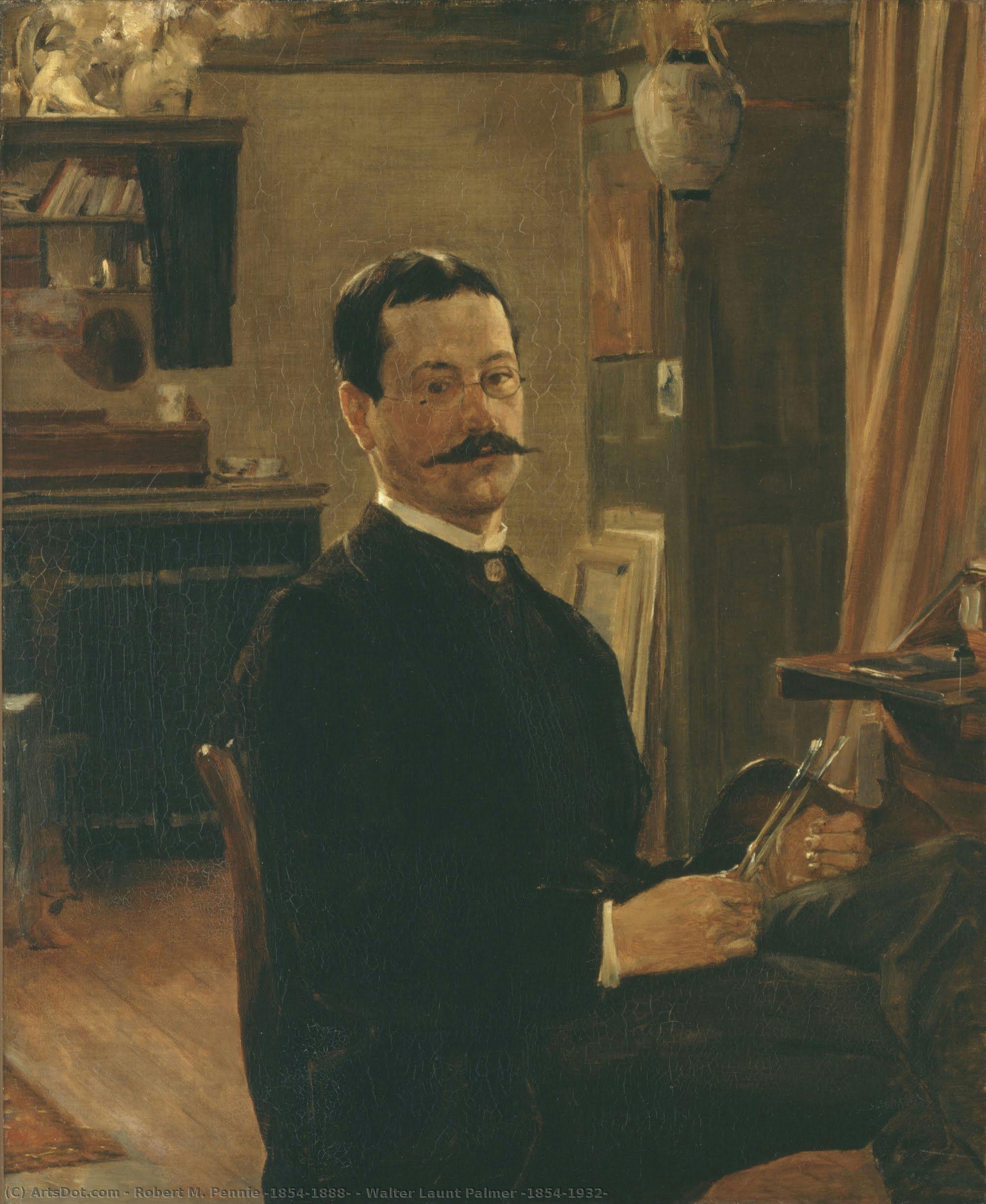
 プレビュー
プレビュー
 シェアする
シェアする シェアする
シェアする
 詳細を見る
詳細を見る

 ダウンロード
 似ている作品
 X線調査
X線調査 スライドショー
 統計情報
統計情報Walter Launt Palmer (1854-1932)


 詳細を見る
詳細を見る
オンラインプレビューをはるかに凌ぐ、高解像度で鮮明なデジタル画像をご購入いただけます。
各ファイルは、社内の専門家が高度なツールと熟練した手作業によるレタッチを用いて、細心の注意を払って準備されています。すべての画像において、卓越した鮮明度、正確な色彩再現性、そして繊細なディテールを保証いたします。
最終ファイルは、プロフェッショナルな編集・印刷環境ですぐにご利用いただけるよう最適化された状態で、72時間以内にメールにてお届けいたします。これは、一流のデザインスタジオ、出版社、ギャラリーから信頼されているものと同等の品質です。
デジタルアート
個人での鑑賞、印刷、クリエイティブなプロジェクト用に、高解像度ファイルをダウンロードできます。 ( プリント版に切り替え 手描きの絵画を購入)
デジタル画像のご注文に付随する特典
高品質なデジタル画像配信を、確かな品質で。
ArtsDot.com を選ぶことは、単に画像を手に入れることではありません。それは、プロの手によって精密に仕上げられ、満足保証が付いた高品質なデジタルアートワークを受け取ることを意味します。ご注文いただいた際に自動的に付随する内容は、以下の通りです:

メールですぐにお届け
ご注文から72時間以内に、高解像度のデジタル画像ファイルがメールでお手元に届きます。すぐにそのままご利用いただけます。

AI技術で最適化されたデジタルファイル
お客様の作品は、高度なAIツールと専門家による手作業の編集を組み合わせてプロフェッショナルに最適化されており、細部のディテール、鮮明さ、そして正確な色再現性を最大限に引き出しています。

一生涯無料の再送サービス
ファイルを誤って削除したり、紛失してしまったりしましたか?ご安心ください。いつでも無料で再送いたします。

輸入手数料は一切かかりません
関税や手数料、配送料を気にすることなく、お気に入りのアートワークをすぐにお楽しみいただけます。デジタルダウンロードは常に免税です。

色彩再現の保証
プロ仕様のツールとカラーマネジメント技術を用いることで、デジタル画像が元の色を最大限に忠実に再現することを保証いたします。

100日間満足保証
ご購入いただいたデジタル画像にご満足いただけない場合は、100日以内であれば、理由を問わず修正または100%の返金対応をさせていただきます。

100% 返金保証
ご満足いただけない場合は、デジタルファイルを受け取ってから100日以内であれば、理由を問わず全額返金いたします。

まとめ買い割引
3枚購入で10%OFF - 5枚購入で15%OFF - 10枚以上購入で20%OFF。クリエイティブなプロジェクト、ギャラリー、エージェンシーに最適です。
関連作品


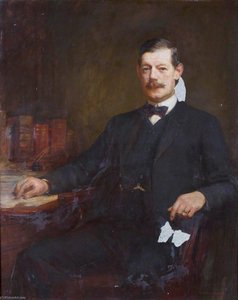
作家の略歴
John Martin: Architect of the Sublime
Born in 1789 amidst the burgeoning artistic landscape of Northumberland, England, John Martin’s life and career were defined by a singular vision – a world steeped in dramatic grandeur, religious intensity, and the unsettling beauty of the sublime. His journey from a humble apprenticeship to a celebrated, albeit controversial, figure reveals an artist profoundly shaped by his environment, his influences, and an unwavering commitment to expressing the emotional power of art. Martin’s legacy rests not just on his paintings but also on the profound impact he had on subsequent generations of Romantic artists, establishing a new visual language for depicting awe-inspiring landscapes and epic narratives.
Martin's early life was far from conventional. Born into a family with roots in fencing instruction, he began his training as a heraldic painter, destined for a predictable path within the established trades of Newcastle upon Tyne. However, a dispute over wages led to his apprenticeship being abruptly terminated and he found himself apprenticed instead to Boniface Musso, an Italian artist specializing in enamel work. This shift proved pivotal, exposing him to techniques and perspectives that would later inform his distinctive style. Crucially, Martin’s family background included a lineage of intellectuals – his brother William was a philosopher, Jonathan an infamous arsonist – suggesting a complex interplay of creative temperament and familial influences. His brothers' lives, marked by both brilliance and tragedy, undoubtedly contributed to the intensity and sometimes unsettling nature of Martin’s artistic output.
Moving to London in 1806, Martin initially supported himself through drawing lessons and commissions for watercolors. He diligently honed his skills, studying perspective and architecture – disciplines he believed essential to creating convincing depictions of vast landscapes and imposing structures. His early works, though modest, demonstrated a nascent talent for capturing dramatic lighting and atmospheric effects, foreshadowing the monumental scale and emotional depth that would characterize his later paintings. It was at the Royal Academy in 1810 that he first submitted a painting, though it remained unhung. However, this initial rejection spurred him on, leading to continued submissions and ultimately, recognition for his dramatic compositions.
The Rise of the Romantic Sublime
Martin’s breakthrough came with his large-scale paintings depicting biblical scenes and mythological narratives – works that epitomized the tenets of the Romantic movement. He eschewed the traditional, often static, representations of religious subjects, instead creating dynamic, almost apocalyptic visions filled with swirling clouds, crumbling ruins, and colossal figures. His most famous work, *Belshazzar’s Feast* (1819), exemplifies this approach, depicting the opulent banquet scene from the Book of Daniel as a terrifying spectacle of impending doom. The painting's dramatic lighting, chaotic composition, and sense of overwhelming scale were revolutionary for their time, capturing the essence of the Romantic sublime – an experience of awe mixed with terror, beauty intertwined with destruction.
Martin’s fascination with ruins played a crucial role in his artistic development. He meticulously studied ancient Roman architecture, incorporating crumbling temples, cyclopean walls, and desolate landscapes into his paintings. These ruined structures served as potent symbols of mortality, decay, and the insignificance of human ambition against the backdrop of eternity. His *The Great Day of His Wrath* (1823-24), a monumental depiction of the final judgment, is a prime example, showcasing a ravaged landscape dominated by colossal ruins beneath a stormy sky – a visual representation of divine retribution.
Technique and Influence
Martin’s artistic technique was characterized by its scale, dramatic lighting, and meticulous attention to detail. He employed a layered approach, building up his compositions through numerous glazes and washes, creating a sense of depth and atmosphere that was both captivating and unsettling. His use of chiaroscuro – the contrast between light and dark – heightened the drama of his scenes, emphasizing key figures and architectural elements while plunging the background into shadow. He also mastered the art of engraving, producing stunningly detailed prints from his paintings that further disseminated his vision to a wider audience.
Martin’s influence on subsequent generations of artists was immense. His emphasis on dramatic landscapes, epic narratives, and the exploration of emotional intensity paved the way for Romantic painters such as J.M.W. Turner and Caspar David Friedrich. Even critics like John Ruskin, initially dismissive of Martin's style, recognized his profound impact on the development of landscape painting. The popularity of his engravings, particularly *The Deluge* (1837), demonstrated a public appetite for images that evoked powerful emotions and transported viewers to realms beyond the everyday.
Later Years and Legacy
As he aged, Martin’s health declined, culminating in paralysis in 1853. He spent his final years on the Isle of Man, continuing to work on engravings and overseeing the completion of *The Plains of Heaven* (1850-52), a monumental depiction of the apocalypse. John Martin died in Douglas in 1854, leaving behind a body of work that continues to fascinate and inspire. His paintings remain powerful testaments to the Romantic spirit – expressions of awe, terror, and the enduring mystery of human existence. Today, his works are celebrated for their dramatic intensity, innovative composition, and profound exploration of the sublime, solidifying his place as one of the most important figures in British art history.
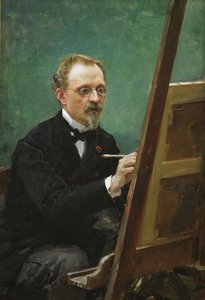
robert m. pennie (1854-1888)
1854 - 1888