

 プレビュー
プレビュー
 プリントを購入
 シェアする
シェアする シェアする
シェアする
 詳細を見る
詳細を見る

 ダウンロード
 似ている作品
 X線調査
X線調査 スライドショー
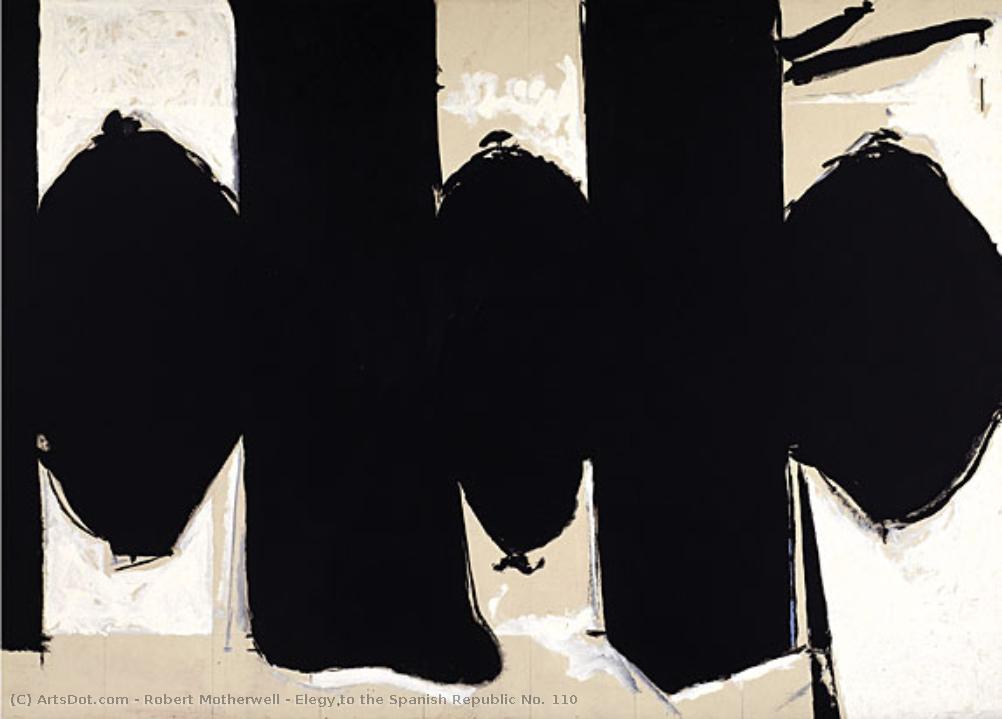
Elegy to the Spanish Republic No. 110


 詳細を見る
詳細を見る




P118B $10

P118H $10

P118W $10

P438Z $10

P508JH $12

P508YH $12

P805H $10

P805Z $10

P919BZ $10

P919G $10

P919XJ $10

P959ZH $10

P968JZ $12

W106C $8

W218G $10

W218JH $8

W218Y $10

W307PJ $10

W316G $10

W316PJ $8

W316Y $10

W398PJ $8

W4111J $10

W500HY $15

W500JH $15

W692G $12

W849H $8

W940BG $15

W953PJ $8




作品のオリジナル比率に合わせた、当店の規定サイズからお選びください。

特定のフレームやスペースに合わせて、ご希望のサイズをご入力いただけます。選択されたサイズが元の画像の比率と異なる場合、アートワークをトリミングするか、手描きで要素を追加して絵画を拡張いたします。デジタルモックアップ を制作し、制作開始前にご確認(承認)をいただきます。
画面上のプレビューは、実際のトリミングや拡張を正確に反映しているものではありません。最終的な構図は、モックアップによってのみ正確にご確認いただけます。
カスタムサイズもご利用いただけますが、元の比率を維持するためには、あらかじめ用意されたリストからサイズを選択することをお勧めいたします。
ご注文後、ArtsDot.com チームより詳細な指示をお送りするとともに、仕上がりイメージ(モックアップ)をご提供いたします。


 ガラスオプションは、110cm未満のサイズでのみご利用いただけます。

Elegy to the Spanish Republic No. 110
複製技法
複製画のサイズ
-


合計金額
$ 263
作品解説
A Lament in Black and Beige: Exploring Robert Motherwell’s ‘Elegy to the Spanish Republic No. 110’
Robert Motherwell's “Elegy to the Spanish Republic No. 110,” painted in 1971, isn’t merely a visual experience; it’s an immersion into grief, memory, and the enduring weight of political trauma. This monumental work, rendered in stark black acrylic on canvas, transcends simple representation, becoming instead a potent symbol of loss and resilience—a testament to the artist's profound engagement with the Spanish Civil War and its aftermath. More than just a depiction of suffering, it’s an invitation to contemplate the nature of remembrance itself.
The painting immediately commands attention through its dramatic contrast: vast expanses of deep black are juxtaposed against a muted beige background, creating a sense of oppressive weight and quiet sorrow. The three primary black forms—not precisely figures but rather suggestive of vertical pillars or abstracted human presences—are arranged in a deliberate asymmetry, avoiding any illusion of stability. This instability mirrors the fractured nature of memory and the difficulty of confronting profound historical events. Motherwell’s masterful use of texture, achieved through layered application of paint and subtle variations in tone, adds to this tactile sense of unease, inviting the viewer to trace the contours of each shape with their eyes.
The Echoes of Spain: Context and Inspiration
To understand “Elegy to the Spanish Republic No. 110,” one must consider its genesis within a tumultuous period in European history. The Spanish Civil War (1936-1939) was a brutal conflict that pitted Republican forces against Nationalist rebels, fueled by deep ideological divisions and international intervention. Motherwell, deeply affected by the war’s human cost, embarked on this series of elegies—a deliberate act of mourning for those lost in the struggle. The “Elegy” paintings are not portraits or historical records; they are emotional responses to the tragedy, expressed through abstract forms that evoke a sense of profound sorrow and contemplation.
Furthermore, Motherwell’s artistic journey was profoundly shaped by his engagement with Surrealism. His time in Paris during the 1930s exposed him to the techniques of automatism—a method of accessing the unconscious through spontaneous creation—which he integrated into his own work. This influence is evident in the painting's gestural quality and its willingness to embrace ambiguity, suggesting that meaning isn’t fixed but emerges from the viewer’s interaction with the image.
Decoding the Symbols: Form and Emotion
The precise symbolism within “Elegy to the Spanish Republic No. 110” remains open to interpretation, contributing to its enduring power. The vertical black forms can be seen as representing the fallen—the victims of the war, or perhaps even the silenced voices of those who perished. Their repetition creates a sense of collective suffering, while their irregular shapes suggest a lack of resolution and an ongoing process of mourning. Some scholars have linked them to architectural elements, evoking images of ancient monuments or mausoleums, further emphasizing the theme of remembrance. The beige background, with its subtle variations in tone, provides a grounding element, representing perhaps the lingering hope amidst despair.
The absence of traditional lines and a flattened perspective contribute to the painting’s emotional intensity. Motherwell deliberately avoids creating a sense of depth or spatial illusion, forcing the viewer to confront the image directly and engage with its raw emotion. The overall effect is one of immediacy—a feeling that we are witnessing a moment of profound grief unfolding before our eyes.
A Legacy of Grief and Artistic Vision
Robert Motherwell’s “Elegy to the Spanish Republic No. 110” stands as a powerful example of Abstract Expressionism's ability to convey complex emotions through non-representational forms. It is not simply a painting; it’s an elegy, a memorial, and a meditation on loss—a work that continues to resonate with viewers today due to its honesty, vulnerability, and enduring relevance. Reproductions capture the essence of this powerful piece, offering a tangible connection to Motherwell's profound artistic vision.
関連作品
アーティストの略歴
ロバート・マザーウェル:悲哀と大胆なヴィジョンの遺産
ロバート・マザーウェル(1915年1月24日 – 1991年7月16日)は、20世紀美術の歩みを決定的に変えた運動、アメリカ・抽象表現主義における最も影響力のある人物の一人です。スコットランドの伝統が色濃く残るワシントン州アバディーンに生まれたマザーウェルの幼少期は、喘息との闘い、そして太平洋北西部の風景との深い結びつきによって形作られ、それが彼の芸術的感性の原点となりました。カリフォルニアへの志を抱いた銀行家であった父、ロバート・バーンズ・マザーウェル2世は、息子に強い意志を授けました。その決意こそが、後の学問的な探求を支え、最終的に彼の創造的な軌道を決定づけることになったのです。- 初期の教育と影響: マザーウェルの形成期はスタンフォード大学での日々であり、そこで彼はモダニズムの旗手であるアーサー・オンケン・ラブジョイやデヴィッド・ワイト・プラルと共に哲学に没頭しました。この知的な基盤は彼の芸術的ヴィジョンに深い影響を与え、マラルメ、ジョイス、ポー、パースといった文学への情熱を育み、それが後に彼の全作品を通じて通奏低音のように流れることになります。
- シュルレアリスムとの邂逅: 1940年、ニューヨークへ移住し、マイヤー・シャピロの指導の下でコロンビア大学に入学したことが決定的な転機となりました。シャピロを通じて、マックス・エルンストやアンドレ・ブルトン、ヴォルフガング・パーレンといったパリのシュルレアリストたちの鮮烈な世界へと導かれたのです。そして何より重要なのは、潜在意識に触れる手法として「オートマティスム(自動記述)」を取り入れるよう促されたことでした。
エレジー・シリーズと形式的革新
マザーウェルの芸術的飛躍は、1949年に始まった象徴的な連作『スペイン共和国に捧げる哀歌(Elegies to the Spanish Republic)』によってもたらされました。100点を超える油彩画と数多くの素描からなるこの記念碑的なプロジェクトは、フランコ政権下のスペインを巡る政治的動乱への深い関わりから誕生し、美術史におけるマザーウェルの最も不朽の貢献となりました。この「エレジー(哀歌)」シリーズの特徴は、その峻烈なまでの簡潔さにあります。白い紙の上に濃密に配置された黒いインクの跡は、深い感情的な共鳴を伝えるために緻密に構成されています。これらのキャンバスは、伝統的な遠近法を意図的に拒絶し、ジェスチャーとテクスチャーが持つ表現の可能性を追求した、形式的革新の極致といえるでしょう。- 技法と構成: マザーウェルの技法は、紙の上にインクの跡を層状に重ねることで、潜在的なエネルギーが脈動しているかのような質感を生み出すものでした。完成された構図は意図的に曖昧であり、観る者を喪失、悲嘆、そして実存的な思索へと誘います。
- 同時代への影響: 彼の作品は、ヘレン・フランケンサーラーやジャクソン・ポロックといった同時代の抽象表現主義者たちに多大な影響を与え、芸術表現における感情の役割についての対話を促進しました。
エレジーを超えて:風景とコラージュの探求
「エレジー」シリーズが感情的な抽象化の巨匠としての地位を確立させた一方で、彼の芸術的探求は単一のプロジェクトに留まりませんでした。彼は一貫して風景、特にカリフォルニアの丘陵地帯というテーマに立ち返り、自身の幼少期の想像力を育んだ広大な景色からインスピレーションを得ていました。さらに、コラージュ技法を実験し、既成の素材をキャンバスに取り入れることで、重層的な質感と視覚的な物語を創り出しました。ロベルト・マッタとの共同作業によるメキシコでのスケッチブックには、より自発的なグラフィックの律動への移行が見られ、パーレンが彼の制作プロセスに与えた影響を色濃く反映しています。- メキシコのスケッチブック: このスケッチブックは、パーレンのスタジオ環境の本質を捉えており、分析的な観察から直感的なジェスチャーへと向かう、マザーウェルの描画アプローチの進化を物語っています。
- コラボレーションと芸術的対話: マッタやパーレンといった芸術家との交流は、ダイナミックな芸術的対話を育み、彼の作品群を豊かにするとともに、抽象表現主義の領域を広げることとなりました。
遺産と歴史的重要路
ロバート・マザーウェルの遺産は、単なる様式的な革新を超越しています。彼は、死に直面し、複雑な感情的現実と格闘するための芸術の能力について、深遠な哲学的立場を表明したのです。これらのテーマを探求し続けた揺るぎない献身と、形式言語に対する卓越した支配力は、彼を同世代の最も重要な表現者の一人として確立させ、20世紀美術の巨匠たちの列にその名を刻みました。1991年、マサチューセッツ州プロビンスタウンで世を去った後も、彼が残した作品群はアーティストや学者たちにインスピレーションを与え続け、近代美術史における彼の不朽の影響力を確かなものとしています。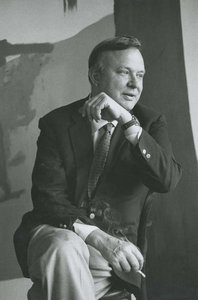
ロバート・マザウェル
1974 - 1991 , アメリカ合衆国
基本情報
- Artistic Movement Or Style: 抽象表現主義
- Artists Or Movements Influenced By This Artist:
- ジャクソン・ポロック
- ヘレン・フランケンサーラー
- Artists Who Influenced This Artist:
- マラルメ
- ジェイムズ・ジョイス
- エドガー・アラン・ポー
- オクタビオ・パス
- Date Of Birth: 1915年1月24日
- Date Of Death: 1991年7月16日
- Full Name: ロバート・バーンズ・マザーウェル
- Nationality: アメリカ
- Notable Artworks: ['スペイン共和国への哀歌']
- Place Of Birth: ワシントン州アバディーン
関連記事
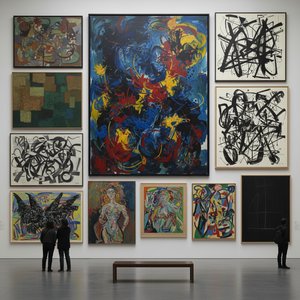
抽象表現主義を定義する十大傑作:芸術と装飾の深遠な旅
抽象表現主義を定義する10の傑作。ポロック、ロスコら巨匠たちの情熱と色彩の世界へ。各作品に込められた物語と技法を紐解き、至高のアート体験を。ArtsDot.comで、ミュージアムクオリティの複製画や洗練されたインテリアアイデアを発見してください。

幾何学的抽象絵画を定義した傑作10選|アート、アーティスト、インテリア装飾
モンドリアン、マレーヴィチ…幾何学的抽象絵画を代表する傑作10選。各作品の背景や色彩構成、アーティストの情熱に迫ります。美術館品質の複製画はArtsDot.comで。オンラインでアートコレクションをご覧ください。
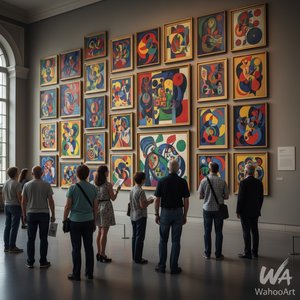
Kandinsky's Masterpieces: 25 Paintings That Define Abstract Art | ArtsDot
Journey through Wassily Kandinsky's 25 most iconic abstract paintings. Explore his revolutionary use of color, form & spiritual expressionism. Find museum-quality Kandinsky reproductions and elevate your home decor with ArtsDot.com. Discover all masterpieces on ArtsDot.com!
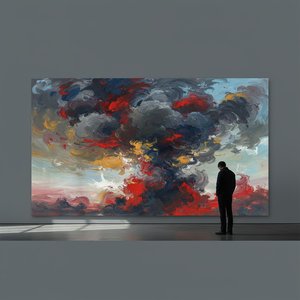
Beyond Representation: Exploring the Emotional Landscape of Abstract Expressionism
Explore the profound emotional world of Abstract Expressionism with ArtsDot. Discover key artists like Pollock & Rothko, learn about collecting, and find museum-quality reproductions to inspire your space.
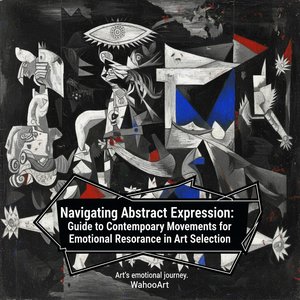
Navigating Abstract Expression: A Guide to Contemporary Movements for Emotional Resonance in Art Selection
Explore the evolution of Abstract Expressionism & discover contemporary movements for emotional resonance. Expert guidance for discerning art collectors seeking lasting value. ArtsDot.

