

 プレビュー
プレビュー
 プリントを購入
 シェアする
シェアする シェアする
シェアする
 詳細を見る
詳細を見る

 ダウンロード
 似ている作品
 X線調査
X線調査 スライドショー
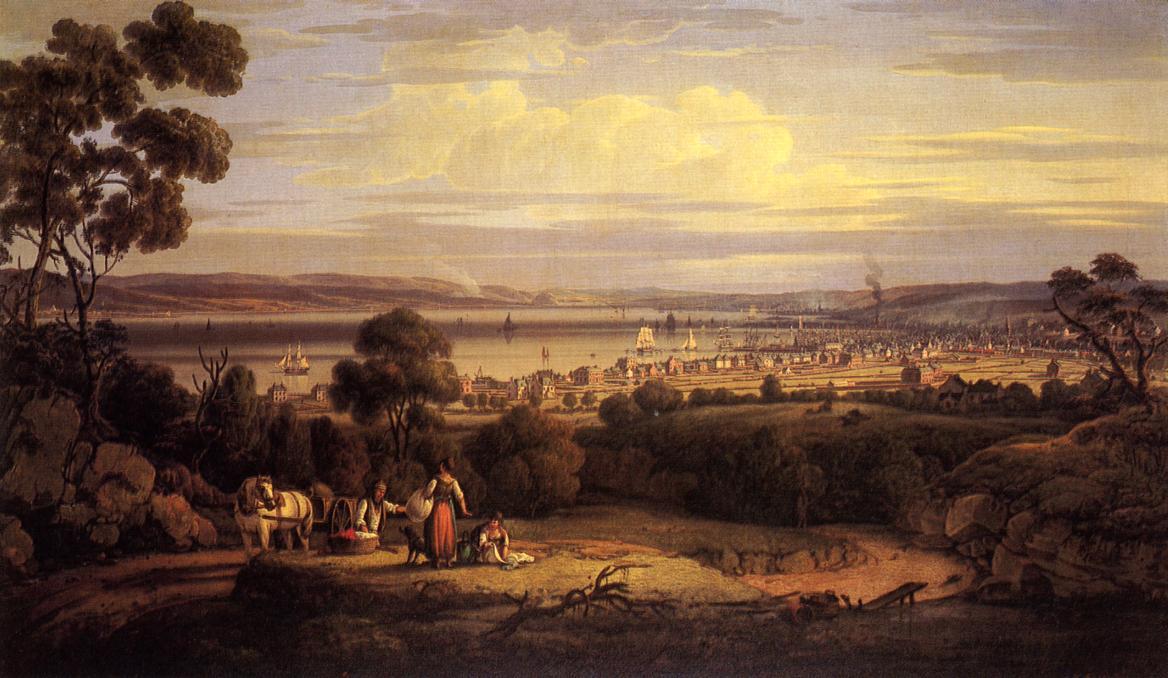
View of Greenock, Scotland


 詳細を見る
詳細を見る




P118B $10

P118H $10

P118W $10

P438Z $10

P508JH $12

P508YH $12

P805H $10

P805Z $10

P919BZ $10

P919G $10

P919XJ $10

P959ZH $10

P968JZ $12

W106C $8

W218G $10

W218JH $8

W218Y $10

W307PJ $10

W316G $10

W316PJ $8

W316Y $10

W398PJ $8

W4111J $10

W500HY $15

W500JH $15

W692G $12

W849H $8

W940BG $15

W953PJ $8




作品のオリジナル比率に合わせた、当店の規定サイズからお選びください。

特定のフレームやスペースに合わせて、ご希望のサイズをご入力いただけます。選択されたサイズが元の画像の比率と異なる場合、アートワークをトリミングするか、手描きで要素を追加して絵画を拡張いたします。デジタルモックアップ を制作し、制作開始前にご確認(承認)をいただきます。
画面上のプレビューは、実際のトリミングや拡張を正確に反映しているものではありません。最終的な構図は、モックアップによってのみ正確にご確認いただけます。
カスタムサイズもご利用いただけますが、元の比率を維持するためには、あらかじめ用意されたリストからサイズを選択することをお勧めいたします。
ご注文後、ArtsDot.com チームより詳細な指示をお送りするとともに、仕上がりイメージ(モックアップ)をご提供いたします。


 ガラスオプションは、110cm未満のサイズでのみご利用いただけます。

View of Greenock, Scotland
複製技法
複製画のサイズ
-


合計金額
$ 263
作品解説
A Panoramic Vision of Industry and Nature – Robert W. Salmon’s ‘View of Greenock’
Robert W. Salmon's 1816 painting, “View of Greenock, Scotland,” isn’t merely a landscape; it’s a meticulously observed snapshot of a burgeoning port city on the cusp of transformation. More than two centuries after its creation, this oil-on-canvas masterpiece offers a rare glimpse into the heart of a Scottish industrial awakening, blending the romantic ideals of the late 18th and early 19th centuries with a remarkably detailed depiction of everyday life and burgeoning maritime activity. The painting captures Greenock – then a vital trading hub on the River Clyde – not as a pristine wilderness but as an integrated part of its environment, showcasing the complex relationship between human settlement and the natural world.
Salmon’s artistic lineage is immediately apparent. He was deeply influenced by the Dutch masters of the 17th century, particularly their skill in rendering atmospheric perspective and capturing the subtle nuances of light and shadow. Furthermore, he drew inspiration from Italian *vedute* – landscape views – exemplified by artists like Claude Lorrain, whose emphasis on idealized landscapes and dramatic lighting resonates strongly within Salmon’s composition. This fusion of styles results in a painting that is both technically proficient and emotionally evocative, transporting the viewer to a specific moment in time and place.
The Scene Unfolds: A City in Transition
The painting immediately establishes a sense of depth and perspective through a carefully orchestrated arrangement of elements. The foreground features a small group of figures – likely travelers or laborers – resting near a cart and scattered belongings, providing a human scale to the vast landscape. These individuals are positioned strategically to draw the eye into the scene, leading us towards the sprawling cityscape nestled along the River Clyde. The buildings themselves—a mix of warehouses, factories, and residential structures—are rendered with remarkable precision, reflecting Salmon’s keen observational skills and his understanding of urban planning. Notice the linear arrangement of streets, mirroring a nascent grid system that would soon define Greenock's development.
Dominating the midground is the River Clyde, teeming with sailing vessels – evidence of Greenock’s thriving trade in timber, coal, and other commodities. The masts and sails create a dynamic interplay of lines, adding movement and vitality to the composition. The distant hills provide a dramatic backdrop, anchoring the scene within its geographical context. Salmon masterfully employs atmospheric perspective—the subtle shift in color and detail as objects recede into the distance—to convey the immense scale of the landscape and the sense of depth that stretches towards the horizon.
Symbolism and Historical Context
“View of Greenock” is more than just a topographical record; it’s imbued with symbolic meaning. The painting reflects a pivotal moment in Scottish history – the aftermath of the Napoleonic Wars and the rapid expansion of industrialization. Greenock, strategically located at the “Tail of the Bank,” where the Clyde deepens into the Firth of Clyde, was rapidly becoming a major port for exporting Scotland’s agricultural produce and importing manufactured goods. The presence of numerous ships signifies Greenock's growing importance as a commercial center, while the figures in the foreground represent the human cost – and potential benefits – of this economic transformation.
The painting also offers insights into the social fabric of Greenock at the time. The washerwomen depicted in the foreground are a common motif in 19th-century art, symbolizing hard work and domesticity. Their presence reminds us that even amidst the bustle of industrial activity, everyday life continued much as it always had.
A Legacy Preserved: Reproduction and Artistic Impact
Today, “View of Greenock” is held in the collection of the Museo Thyssen-Bornemisza in Madrid. Its enduring appeal lies not only in its technical brilliance but also in its ability to transport us back in time, offering a vivid glimpse into a rapidly changing world. Reproductions of this remarkable painting capture the essence of Salmon’s vision, allowing viewers to appreciate the intricate details and emotional depth of this historical masterpiece. When selecting a reproduction, consider the quality of materials used – oil on canvas is essential for achieving the authentic look and feel of the original—and the level of detail captured in the print.
Salmon's work stands as a testament to his skill and vision, offering a valuable window into the history of Greenock and the broader story of industrialization in Scotland. It’s a painting that continues to resonate with viewers today, reminding us of the enduring power of art to capture both the beauty and complexity of human experience.
関連作品
アーティストの略歴
初期の生活と芸術的訓練
- 起源: サルモンは、宝石商フランシス・サロモンの息子としてロバート・サロモンという名前で生まれました。ホワイトヘイブンの賑やかな港町は、彼の芸術的発達に初期の影響を与えました。
- 初期の影響: 彼の訓練については詳細な記録はありませんが、17世紀のオランダ海洋画家、イタリアのヴェドゥータ画家、クロード・ロレンを研究していたと考えられています。
- 初期作品: 彼の最も初期の既知の作品である「ホワイトヘイブン港を出航する武装商船2隻」(1800年)と「ドーバー沖の‘エストリッジ’」は、彼が初期から海洋シーンを捉える能力を示しています。
- ロイヤル・アカデミーデビュー: サルモンは1802年にロイヤル・アカデミーで初めて作品を発表し、彼のキャリアにおける重要な一歩となりました。
キャリアの発展とスタイル
- リバプールへの移転(1806年): サルモンはリバプールに定住し、名前をサルモンに変更しました。この時期には、ロンドンの海事博物館に収蔵されている数多くの海洋画が制作されました。
- 船の肖像画: 彼の船の肖像画は、帆船やその構造に対する深い知識を示しており、しばしば同じ船を単一のキャンバス上で複数の角度から描いています。
- 人気と収集家: サルモンの作品は、サミュエル・キャボット、ロバート・ベネット・フォーブス、ジョン・ニューマーチ・カッシングなどの著名なボストン市民の間で人気を博し、アメリカでの彼の認知度が高まっていることを示しています。
- リュミニスムの先駆者: 彼はアメリカのリュミニスム運動の主要人物と見なされており、ウィリアム・ブラッドフォードやフィッツ・ヘンリー・レーンなどの芸術家に影響を与えました。光と大気を重視することで、穏やかで静かなシーンを作り出しました。
主な作品と芸術的意義
- 主要な絵画: サルモンの最も有名な作品には、「ブリッグ‘アリエル’」、「帆船‘トレローニー’」、そして「チェシャーから見たリバプールの眺め」などがあります。これらの絵画は、彼が帆船の美しさと複雑さを捉える能力を実証しています。
- ボストンハーバーシリーズ: 彼はボストンハーバーを描いた膨大な数の作品を制作し、海洋生活と歴史的なボストンを紹介しました。「キャッスル・アイランドから見たボストンハーバー(船シャーロット)」は注目すべき例です。
- アメリカ美術への影響: サルモンのスタイルは、その後の世代のアメリカの風景画家たちに大きな影響を与え、リュミニスムが重要な芸術運動として発展することに貢献しました。
遺産と評価
- 美術館所蔵: サルモンの作品は、米国海軍アカデミー、ボストン美術館、グリニッジの国立海洋博物館などの名門機関に収蔵されています。
- 永続的な影響: 彼の絵画は今日でも芸術家たちを刺激し続けており、彼の才能と芸術性を証明しています。
- アメリカ・リュミニスムの父: サルモンの遺産は、アメリカ・リュミニズムの先駆者として確立されており、美術界に消えない足跡を残しました。
ロバート・サロモンとボストン
- ボストンとの繋がり: 1800年代初頭、ロバート・サロモンはアメリカのボストンで大きな成功を収めました。彼はこの都市の裕福な商人や船主たちから依頼を受け、彼らの船を描くようになりました。
- 海洋絵画の需要: ボストンは当時、貿易の中心地であり、船は経済活動において重要な役割を果たしていました。そのため、船の肖像画に対する需要が高まっており、サロモンの作品は非常に人気がありました。
- ボストンハーバーシリーズの特徴: サロモンの「ボストンハーバー」シリーズは、その正確な描写と光の表現で知られています。彼は、港の活気ある様子や船の細部を忠実に描き出しました。
- アメリカ・リュミニズムへの貢献: ボストンでの活動を通じて、サロモンはアメリカ・リュミニズム運動の発展に大きく貢献しました。彼の作品は、光と大気を重視し、穏やかで静かな雰囲気を表現するリュミニズムの特徴を体現しています。
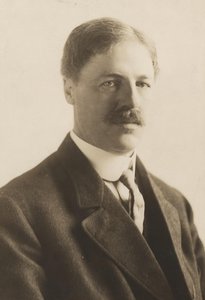
ロバート・W・サルモン
1775 - 1845 , イギリス
基本情報
- Artistic Movement Or Style: アメリカ・ルミナリズム
- Artists Or Movements Influenced By This Artist:
- ウィリアム・ブラッドフォード
- フィッツ・ヘンリー・レーン
- Artists Who Influenced This Artist:
- オランダ海洋画家
- イタリア風俗画家
- クロード・ロレン
- Date Of Birth: 1775年
- Date Of Death: 1845年
- Full Name: ロバート・W・サルモン
- Nationality: イギリス人
- Notable Artworks:
- セイリングシップ 'トレラウニー'
- ボストンハーバーの風景
- Place Of Birth (City And Country): ホワイトヘイブン, イギリス
関連記事
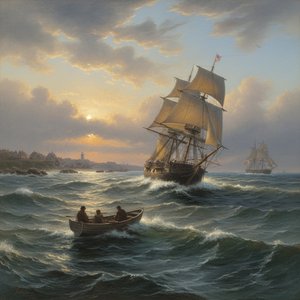
Robert W. Salmon: Navigating the Currents of Maritime Painting & American Realism
Explore the captivating maritime paintings of Robert W. Salmon, a pioneer of American Luminism. Discover his Boston Harbor scenes, legacy, and collecting guide at ArtsDot.

ロマン派ランドスケープ:時代を彩る巨匠の10選|アートとインテリアの世界
ロマン派絵画の時代を彩る10選。巨匠たちの風景が織りなす感動の世界へ。ターナー、ルーベンスなど、名作の裏話と高精細複製でアートをお部屋に。ArtsDot.comで至福のアート体験を。
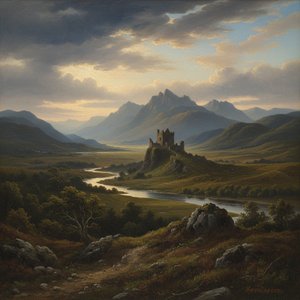
Alexander Nasmyth: Picturing Scotland's Romantic Landscape – Innovation & Identity
Explore the life & art of Alexander Nasmyth, a pivotal figure in Scottish Romantic landscape painting. Discover his iconic works, including portraits of Robert Burns, and learn about his lasting influence on national identity. Fine art reproductions available.

David Roberts: A Scottish Pioneer of Topographical Art & Orientalist Vision
Explore the captivating world of David Roberts, a pioneering Scottish painter renowned for his detailed Orientalist scenes & stunning Egyptian landscapes. Discover his legacy and find museum-quality reproductions at ArtsDot.

Evocations of Place: A Historical Journey Through Landscape Art
Explore the rich history of landscape art with ArtsDot. Discover renowned artists, movements like Impressionism & Romanticism, and expert guidance for collecting timeless pieces. Find your perfect serene escape today!

