

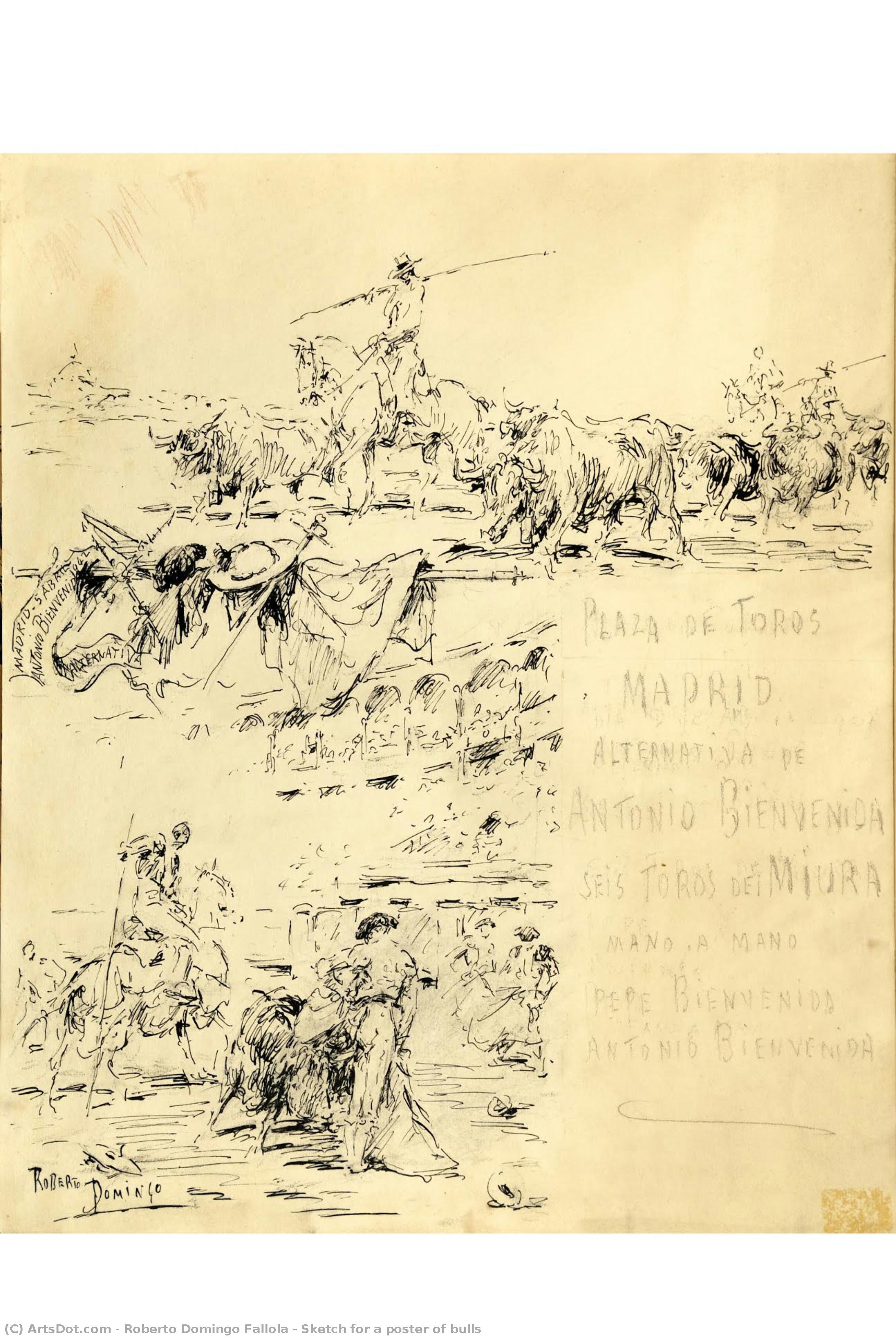
 プレビュー
プレビュー
 シェアする
シェアする シェアする
シェアする
 詳細を見る
詳細を見る

 ダウンロード
 似ている作品
 X線調査
X線調査 スライドショー
 統計情報
統計情報Sketch for a poster of bulls

 詳細を見る
詳細を見る
オンラインプレビューをはるかに凌ぐ、高解像度で鮮明なデジタル画像をご購入いただけます。
各ファイルは、社内の専門家が高度なツールと熟練した手作業によるレタッチを用いて、細心の注意を払って準備されています。すべての画像において、卓越した鮮明度、正確な色彩再現性、そして繊細なディテールを保証いたします。
最終ファイルは、プロフェッショナルな編集・印刷環境ですぐにご利用いただけるよう最適化された状態で、72時間以内にメールにてお届けいたします。これは、一流のデザインスタジオ、出版社、ギャラリーから信頼されているものと同等の品質です。
デジタルアート
個人での鑑賞、印刷、クリエイティブなプロジェクト用に、高解像度ファイルをダウンロードできます。 ( プリント版に切り替え 手描きの絵画を購入)
デジタル画像のご注文に付随する特典
高品質なデジタル画像配信を、確かな品質で。
ArtsDot.com を選ぶことは、単に画像を手に入れることではありません。それは、プロの手によって精密に仕上げられ、満足保証が付いた高品質なデジタルアートワークを受け取ることを意味します。ご注文いただいた際に自動的に付随する内容は、以下の通りです:

メールですぐにお届け
ご注文から72時間以内に、高解像度のデジタル画像ファイルがメールでお手元に届きます。すぐにそのままご利用いただけます。

AI技術で最適化されたデジタルファイル
お客様の作品は、高度なAIツールと専門家による手作業の編集を組み合わせてプロフェッショナルに最適化されており、細部のディテール、鮮明さ、そして正確な色再現性を最大限に引き出しています。

一生涯無料の再送サービス
ファイルを誤って削除したり、紛失してしまったりしましたか?ご安心ください。いつでも無料で再送いたします。

輸入手数料は一切かかりません
関税や手数料、配送料を気にすることなく、お気に入りのアートワークをすぐにお楽しみいただけます。デジタルダウンロードは常に免税です。

色彩再現の保証
プロ仕様のツールとカラーマネジメント技術を用いることで、デジタル画像が元の色を最大限に忠実に再現することを保証いたします。

100日間満足保証
ご購入いただいたデジタル画像にご満足いただけない場合は、100日以内であれば、理由を問わず修正または100%の返金対応をさせていただきます。

100% 返金保証
ご満足いただけない場合は、デジタルファイルを受け取ってから100日以内であれば、理由を問わず全額返金いたします。

まとめ買い割引
3枚購入で10%OFF - 5枚購入で15%OFF - 10枚以上購入で20%OFF。クリエイティブなプロジェクト、ギャラリー、エージェンシーに最適です。
関連作品
作家の略歴
A Parisian Beginning: The Early Life of Roberto Domingo Fallola
Roberto Domingo Fallola, born in Paris in 1883 and passing away in Madrid in 1956, occupies a fascinating space within the narrative of Spanish painting. He wasn’t merely an artist; he was a conduit—a bridge between the vibrant Impressionistic currents of his upbringing and the deeply rooted traditions of Spanish costumbrismo and taurine art. His story begins not with grand pronouncements of artistic intent, but with the quiet intimacy of familial instruction. Fallola was the son and devoted pupil of Francisco Domingo Marqués, a prominent figure in the thriving Spanish art colony that flourished in Paris during the late 19th and early 20th centuries. This formative period proved crucial; young Roberto absorbed not only technical skills from his father but also an appreciation for the Parisian light, atmosphere, and burgeoning modern styles. He frequented artistic circles, becoming familiar with the works of masters who would subtly influence his own developing aesthetic. These early years were dedicated to honing fundamental drawing abilities—a foundation upon which he would later build a career celebrated for its precision and dynamism.The Madrid Years: Finding a Voice in Genre and Bullfighting Scenes
In 1906, Fallola relocated to Madrid, marking a significant shift in his artistic trajectory. He enrolled at the San Fernando Academy of Fine Arts, briefly studying under Antonio Muñoz Degraín before charting his own course. While academic training provided structure, it was outside the confines of formal education that Fallola truly began to discover his unique voice. He quickly gravitated towards genre painting—scenes of everyday life imbued with a distinctly Spanish character—and, most notably, bullfighting. This latter subject would become synonymous with his name. Fallola didn’t simply depict bullfights; he captured the *essence* of them: the raw energy, the ritualistic drama, and the complex interplay between man and beast. His work from this period demonstrates a growing mastery of composition, rhythm, and line—qualities inherited from his father but now infused with a personal flair. Early exhibitions in Madrid and Barcelona garnered attention, establishing him as an artist to watch. The third prize at the National Exhibition of Fine Arts in 1908 was an early validation, followed by further accolades that solidified his reputation within the Spanish art world.Influences and Artistic Development: Goya’s Shadow and Parisian Grace
The influence of Francisco de Goya loomed large over Fallola's work, particularly in his depictions of bullfighting scenes. Like Goya, Fallola possessed a keen eye for capturing human emotion—the fear, the courage, the spectacle—and translating it onto canvas with unflinching realism. However, while Goya’s approach was often characterized by darkness and social commentary, Fallola tended towards a more celebratory, though no less dramatic, portrayal of Spanish traditions. The Parisian influence also remained palpable throughout his career. His rapid technique, employing short brushstrokes to suggest movement and outline, echoes the Impressionistic emphasis on capturing fleeting moments. He balanced this with a meticulous attention to detail—a hallmark of costumbrismo—resulting in paintings that are both dynamic and precise. This unique blend allowed him to convey not just *what* was happening in the bullring or on the streets of Madrid but also *how it felt*.Major Achievements and Recognition: A Legacy Preserved
Throughout his career, Roberto Domingo Fallola participated in numerous national and international exhibitions, earning consistent praise for his skill and originality. His 1911 solo exhibition in Rome proved particularly successful, with all works being sold—a testament to the growing demand for his art. The Spanish State’s acquisition of “el coleo” in 1915 further cemented his standing within the artistic establishment. He exhibited extensively in London galleries like Baillie and Tooth, where his work was admired by prominent artists such as Sargent and Gerald Nelly, who became collectors. While he experienced periods of relative quiet later in life, his contributions to Spanish painting remained significant. Today, Fallola’s works are held in prestigious collections, most notably the Prado Museum in Madrid—a fitting tribute to an artist who dedicated his life to capturing the spirit of Spain.Historical Significance: A Chronicler of a Vanishing World
Roberto Domingo Fallola's historical significance lies not only in his artistic talent but also in his role as a chronicler of a specific time and place. His paintings offer a glimpse into the vibrant culture of early 20th-century Spain—a world steeped in tradition, ritual, and spectacle. He documented bullfighting at a time when it was more than just a sport; it was a deeply ingrained part of Spanish identity. His genre scenes provide valuable insights into everyday life, capturing the customs, clothing, and social interactions of the period. Fallola’s work serves as a visual record—a testament to a vanishing world that continues to fascinate and inspire. He stands as a compelling example of an artist who successfully synthesized diverse influences—from Parisian Impressionism to Goya's dramatic realism—to create a body of work that is both uniquely Spanish and universally appealing. His legacy endures, reminding us of the power of art to capture not just images but also emotions, traditions, and the very essence of a culture.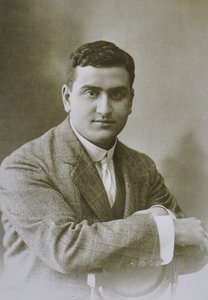
roberto domingo fallola
1883 - 1956 , France
プロフィール概要
- Artistic Movement Or Style: Costumbrista, Genre painting
- Artists Who Influenced This Artist:
- Francisco Domingo Marqués
- Goya
- Date Of Birth: 1883
- Date Of Death: 1956
- Full Name: Roberto Domingo Fallola
- Nationality: Spanish
- Notable Artworks:
- Suerte de varas
- Enclosing the flock
- Place Of Birth: Paris, France