

 プレビュー
プレビュー
 シェアする
シェアする シェアする
シェアする
 詳細を見る
詳細を見る

 ダウンロード
 似ている作品
 X線調査
X線調査 スライドショー
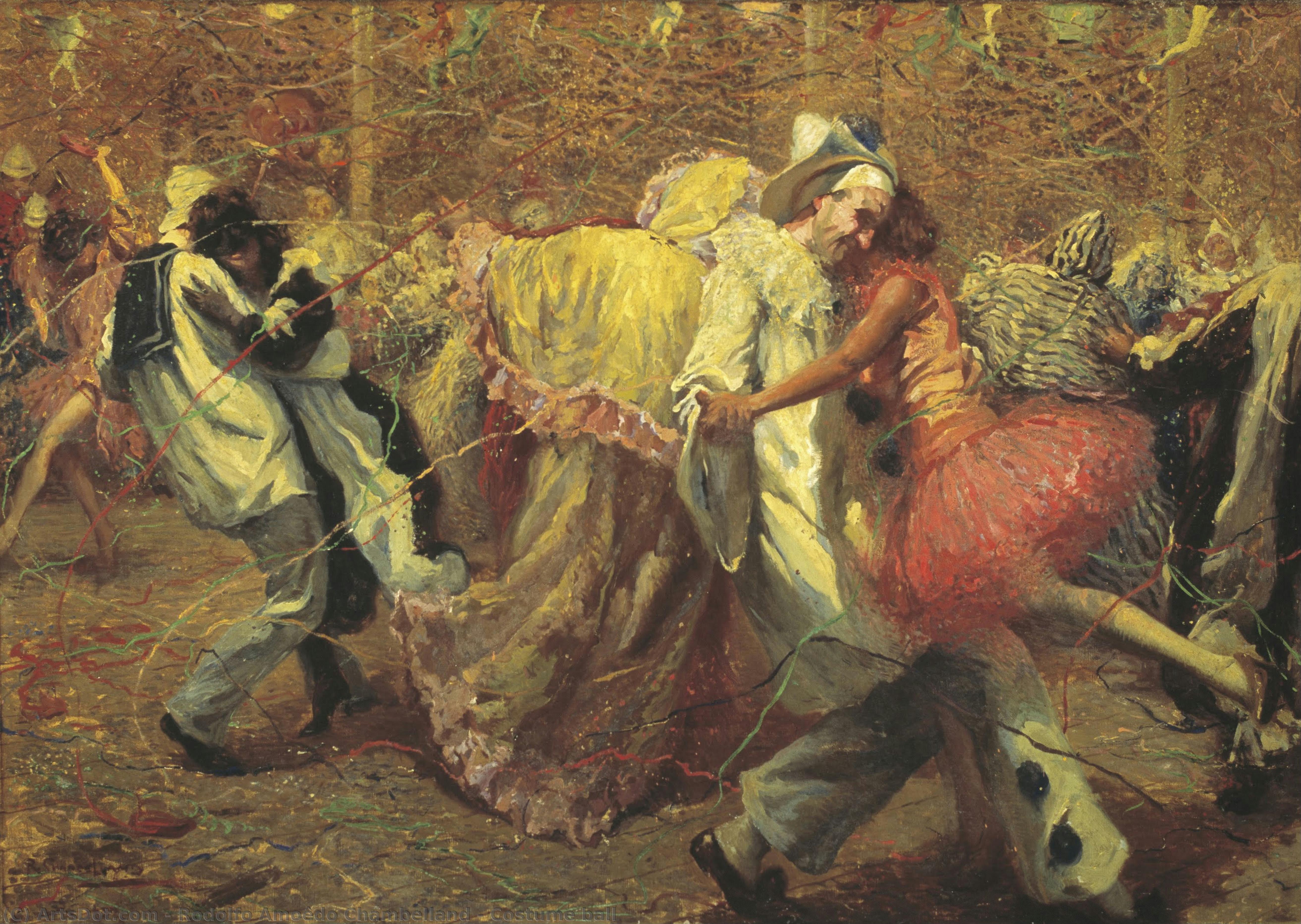
Costume ball

 詳細を見る
詳細を見る
ジークレー/アートプリント
迅速な制作と多彩な仕上げオプションを備えた、ミュージアムクオリティのジークレーまたはキャンバスプリント。 ( 手描きの絵画を購入 画像を購入)




































作品のオリジナル比率に合わせた、当店の規定サイズからお選びください。

特定のフレームやスペースに合わせて、ご自身でサイズを指定することも可能です。選択されたサイズが元の画像の比率と一致しない場合、作品をトリミングするか、鏡面反射または単色での塗りつぶしによって画像を拡張いたします。制作を開始する前に、ご確認用のデジタルモックアップをお送りいたします。
画面上のプレビューには、実際のトリミングや拡張は反映されませんのでご注意ください。最終的な構図を正確に確認できるのは、モックアップのみとなります。
カスタムサイズも承っておりますが、元の比率を維持するためには、あらかじめ用意されたリストからサイズを選択することをお勧めいたします。


 ガラスオプションは、110cm未満のサイズでのみご利用いただけます。

Costume ball
ジークレー/アートプリント
複製画のサイズ
-


合計金額
$ 62
関連作品








アーティストの略歴
A Life Dedicated to Brazilian Decorative Arts: Rodolfo Amoêdo Chambelland
Rodolfo Amoêdo Chambelland, born in Rio de Janeiro in 1894, emerged as a significant figure in the burgeoning Brazilian art scene of the early 20th century. While not always a household name internationally, his contributions to the aesthetic landscape of his homeland were profound, particularly in the realm of decorative arts and mural painting. Chambelland’s artistic journey began with formal training at the Escola Nacional de Belas Artes in 1911, where he benefited from the tutelage of esteemed artists like Rodolfo Amoêdo – a namesake but not directly related – João Zeferino da Costa, and Daniel Bérard. This foundational education instilled in him a classical sensibility that would later be tempered by the evolving modern currents sweeping through Europe. His early participation in the Exposições Gerais de Belas Artes, beginning after 1906, signaled his commitment to public artistic life and quickly garnered recognition with several prize wins.Early Commissions and Collaborative Projects
Chambelland’s career took a collaborative turn in 1911 when he joined forces with his brother João Timóteo da Costa, along with Carlos and Rodolfo Chambelland, to decorate the Brazilian pavilion at the Turin International Exhibition. This project was pivotal, exposing him to international styles and solidifying his reputation as a skilled decorative artist capable of large-scale undertakings. The experience undoubtedly broadened his artistic horizons and fueled his ambition to transform interior spaces into immersive works of art. Following this success, Chambelland became increasingly sought after for prestigious commissions within Rio de Janeiro itself. He wasn’t merely executing designs; he was actively shaping the visual identity of the city's most prominent institutions.Transforming Iconic Spaces: A Legacy in Murals and Interiors
The hallmark of Chambelland’s career lies in his ability to seamlessly blend artistic skill with architectural context. He left an indelible mark on several iconic Rio de Janeiro landmarks, demonstrating a mastery of mural painting and interior design. Among his most notable achievements are the decorative schemes within the headquarters of the Fluminense Football Club – a testament to his versatility beyond purely aesthetic pursuits – and the elegant noble hall of the Tiradentes Palace. However, it is perhaps his murals at Copacabana Palace that best exemplify his artistic vision. These works weren’t simply embellishments; they were integral components of the hotel's luxurious ambiance, reflecting the glamour and sophistication of the era. The Copacabana Palace commissions showcase Chambelland’s talent for creating scenes that are both visually stunning and evocative of Brazilian culture and lifestyle.A Premature End and Lasting Influence
Tragically, Rodolfo Chambelland's promising career was cut short by his untimely death in 1932 at the Hospício Pedro II in Rio de Janeiro. Despite his relatively brief artistic lifespan, he left behind a significant body of work that continues to inspire and captivate. His influence can be seen in the subsequent development of Brazilian decorative arts, particularly in the emphasis on integrating art with architecture and celebrating national identity through visual expression. While often overshadowed by more internationally recognized figures, Chambelland’s contributions were essential in shaping the aesthetic character of Rio de Janeiro during a period of rapid modernization and cultural transformation. He represents a vital link between classical traditions and the emerging Brazilian modernism, embodying a unique blend of artistic skill, collaborative spirit, and dedication to enhancing the beauty of his surroundings.Key Characteristics of His Work
- Classical Foundation: Chambelland’s training at the Escola Nacional de Belas Artes provided him with a strong grounding in classical painting techniques and composition.
- Decorative Emphasis: He excelled in decorative arts, focusing on transforming interior spaces through murals, designs, and embellishments.
- Integration of Art & Architecture: Chambelland’s work was characterized by a seamless integration with the architectural context, enhancing rather than dominating the surrounding environment.
- Celebration of Brazilian Culture: His murals often reflected aspects of Brazilian life, culture, and landscape, contributing to a growing sense of national identity in art.
- Collaborative Spirit: He frequently worked on large-scale projects with his brothers and other artists, demonstrating a willingness to collaborate and share artistic vision.
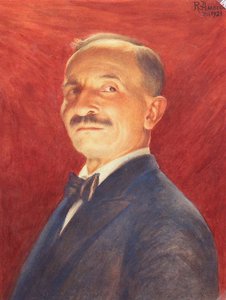
rodolfo amoêdo chambelland
1894 - 1932 , Brazil
基本情報
- Artistic Movement Or Style: Decorative Arts
- Artists Who Influenced This Artist:
- Rodolfo Amoêdo
- João Zeferino da Costa
- Daniel Bérard
- Date Of Birth: 1894
- Date Of Death: 1932
- Full Name: Rodolfo Amoêdo Chambelland
- Nationality: Brazilian
- Notable Artworks: ['Costume ball']
- Place Of Birth: Rio de Janeiro, Brazil

