

 プレビュー
プレビュー
 シェアする
シェアする シェアする
シェアする
 詳細を見る
詳細を見る

 ダウンロード
 似ている作品
 X線調査
X線調査 スライドショー
 統計情報
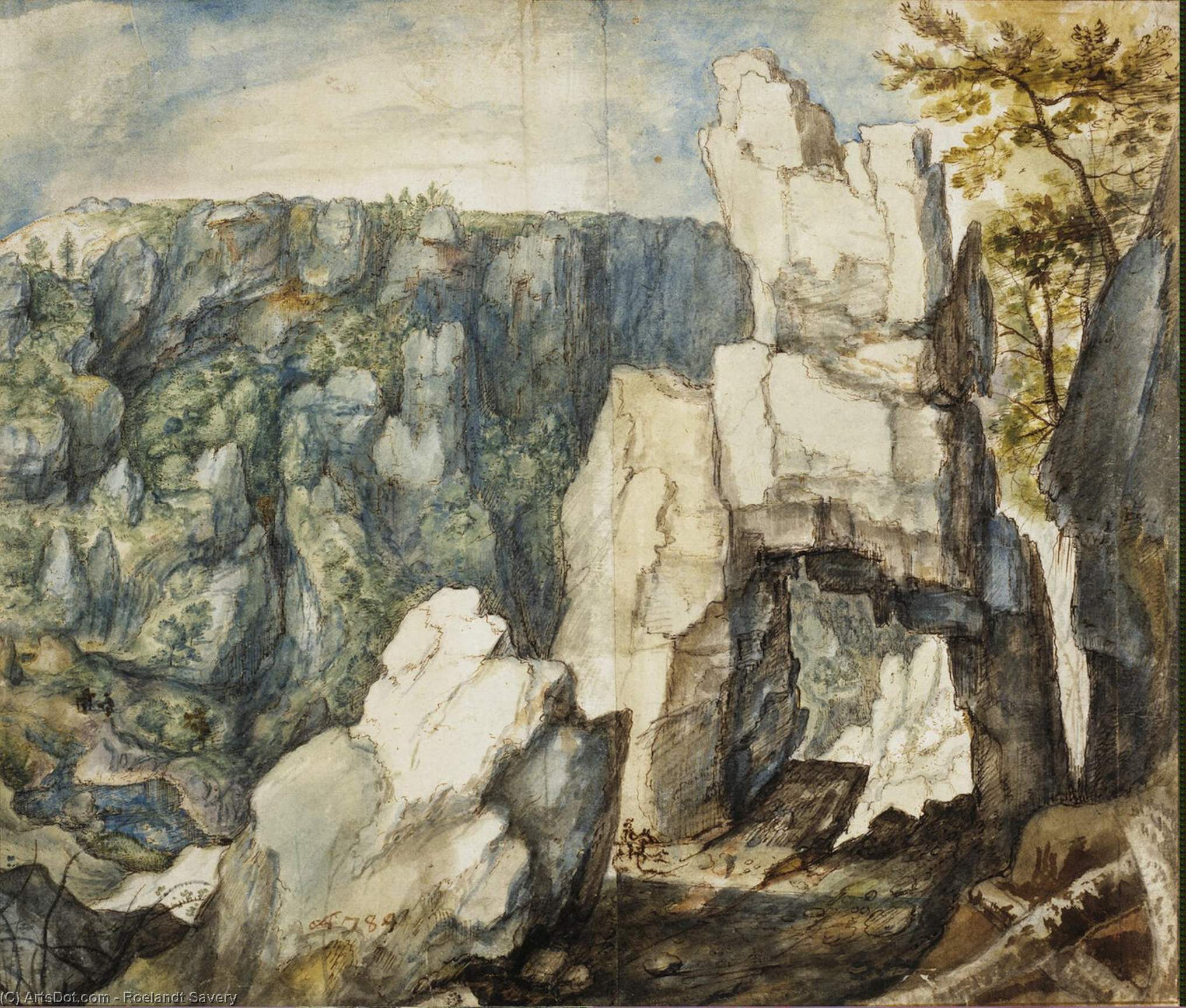
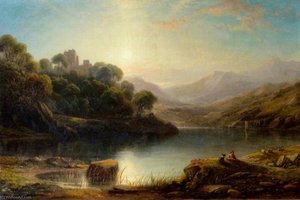
統計情報Rocky Landscape
 Acrylic On Canvas
- WallArt
- Flemish Golden Age
 1606
1606 295.0 x 345.0 cm
 エルミタージュ美術館
 詳細を見る
詳細を見る
オンラインプレビューをはるかに凌ぐ、高解像度で鮮明なデジタル画像をご購入いただけます。
各ファイルは、社内の専門家が高度なツールと熟練した手作業によるレタッチを用いて、細心の注意を払って準備されています。すべての画像において、卓越した鮮明度、正確な色彩再現性、そして繊細なディテールを保証いたします。
最終ファイルは、プロフェッショナルな編集・印刷環境ですぐにご利用いただけるよう最適化された状態で、72時間以内にメールにてお届けいたします。これは、一流のデザインスタジオ、出版社、ギャラリーから信頼されているものと同等の品質です。
デジタルアート
個人での鑑賞、印刷、クリエイティブなプロジェクト用に、高解像度ファイルをダウンロードできます。 ( プリント版に切り替え 手描きの絵画を購入)
デジタル画像のご注文に付随する特典
高品質なデジタル画像配信を、確かな品質で。
ArtsDot.com を選ぶことは、単に画像を手に入れることではありません。それは、プロの手によって精密に仕上げられ、満足保証が付いた高品質なデジタルアートワークを受け取ることを意味します。ご注文いただいた際に自動的に付随する内容は、以下の通りです:

メールですぐにお届け
ご注文から72時間以内に、高解像度のデジタル画像ファイルがメールでお手元に届きます。すぐにそのままご利用いただけます。

AI技術で最適化されたデジタルファイル
お客様の作品は、高度なAIツールと専門家による手作業の編集を組み合わせてプロフェッショナルに最適化されており、細部のディテール、鮮明さ、そして正確な色再現性を最大限に引き出しています。

一生涯無料の再送サービス
ファイルを誤って削除したり、紛失してしまったりしましたか?ご安心ください。いつでも無料で再送いたします。

輸入手数料は一切かかりません
関税や手数料、配送料を気にすることなく、お気に入りのアートワークをすぐにお楽しみいただけます。デジタルダウンロードは常に免税です。

色彩再現の保証
プロ仕様のツールとカラーマネジメント技術を用いることで、デジタル画像が元の色を最大限に忠実に再現することを保証いたします。

100日間満足保証
ご購入いただいたデジタル画像にご満足いただけない場合は、100日以内であれば、理由を問わず修正または100%の返金対応をさせていただきます。

100% 返金保証
ご満足いただけない場合は、デジタルファイルを受け取ってから100日以内であれば、理由を問わず全額返金いたします。

まとめ買い割引
3枚購入で10%OFF - 5枚購入で15%OFF - 10枚以上購入で20%OFF。クリエイティブなプロジェクト、ギャラリー、エージェンシーに最適です。
Roelandt Savery’s “Rocky Landscape”: A Flemish Masterpiece of Serenity and Observation
Roelandt Savery's "Rocky Landscape," painted circa 1606, is more than just a depiction of a mountain scene; it’s a carefully constructed meditation on the relationship between humanity and nature. Born in Kortrijk, Belgium, Savery’s artistic journey led him through turbulent times – the religious upheaval of his youth and the vibrant intellectual atmosphere of Prague – ultimately shaping a style characterized by meticulous detail, a profound understanding of botany, and an ability to imbue even the most rugged landscapes with a sense of quiet contemplation. This particular work exemplifies these qualities, offering a glimpse into the artistic sensibilities of a pivotal figure in the Dutch Golden Age.
The painting immediately draws the eye to its subject: a dramatic, rocky mountain range dominating the central portion of the composition. The peaks are rendered with impressive solidity, their surfaces textured with subtle variations in tone and shadow that suggest both the harshness of the stone and the soft play of light upon it. Below, a densely wooded area provides a contrasting element of lush greenery, while a meandering stream snakes its way through the lower slopes, adding a sense of movement and life to the scene. A solitary figure stands on the left side of the painting, seemingly observing the landscape – perhaps a traveler pausing for contemplation or an artist seeking inspiration. This inclusion invites the viewer into the scene, fostering a feeling of shared experience and quiet observation.
A Study in Flemish Detail and Botanical Precision
Savery’s technique is remarkably precise and detailed, reflecting his training under Hans Bol and his later work as court painter to Rudolf II in Prague. The artist demonstrates a mastery of atmospheric perspective, using subtle shifts in color and value to create the illusion of depth. Notice how the distant mountains fade into a hazy blue, while the foreground rocks are rendered with sharp clarity and intricate texture. Furthermore, Savery’s meticulous attention to botanical detail is evident throughout the painting. The trees are depicted with an almost photographic accuracy, each leaf and branch carefully observed and faithfully reproduced. This dedication to realism was not merely aesthetic; it reflected a growing interest in scientific observation during the Renaissance, and Savery's work often served as a valuable resource for studying plant life.
The use of oil paint allows for layering and blending, creating rich colors and subtle gradations of tone. The palette is predominantly earthy – browns, greens, grays, and ochres – reflecting the natural tones of the landscape. However, touches of blue and purple are used to depict the sky and distant mountains, adding a sense of drama and atmosphere. The brushwork is generally smooth and controlled, suggesting a deliberate effort to create a harmonious and balanced composition.
Symbolism and the Human Connection with Nature
While seemingly straightforward in its depiction of a landscape, “Rocky Landscape” carries subtle symbolic weight. The rugged mountains represent challenges and obstacles – both physical and metaphorical. The solitary figure suggests humanity’s place within this vast and powerful natural world: a small but significant element seeking connection and understanding. The stream symbolizes the flow of life, while the trees offer shelter and sustenance. It's a scene that speaks to the enduring human fascination with nature and our desire to find meaning and solace in its beauty.
Considering Savery’s time as court painter for Rudolf II, a renowned patron of the arts and science, it is likely this painting reflects an interest in both artistic representation and scientific observation. The detailed rendering of flora and fauna aligns with the humanist ideals prevalent during that era – a belief in the importance of human reason and understanding of the natural world.
A Timeless Reproduction for Artful Spaces
Reproductions of “Rocky Landscape” offer a remarkable opportunity to bring this exquisite work into any interior space. The painting’s serene atmosphere and evocative imagery create a sense of tranquility and connection with nature, making it an ideal addition to living rooms, studies, or galleries. The rich colors and detailed textures are faithfully reproduced in high-quality prints, capturing the essence of Savery's original masterpiece. Whether you appreciate the artistry of the Flemish Golden Age or simply seek a beautiful and inspiring work of art, “Rocky Landscape” remains a timeless testament to the power of observation and the enduring allure of the natural world.
関連作品


作家の略歴
The Botanical Visionary of the Golden Age
Roelandt Savery stands as a pivotal figure in the Dutch Golden Age, celebrated primarily for his breathtaking landscapes infused with meticulous depictions of flora and fauna—a distinctive blend that cemented his reputation as one of the era’s foremost botanical painters. Born in Kortrijk, Belgium, around 1576, Savery's early life was marked by the profound upheaval of the Spanish Inquisition. As his family fled the grip of the Southern Netherlands, they found refuge in Haarlem around 1585. It was here, amidst the burgeoning artistic energy of the Low Countries, that Savery began his formative apprenticeship under his elder brother Jacob Savery and the esteemed Hans Bol. These early mentors instilled in him a foundational understanding of the Mannerist style, characterized by its elegance, artifice, and intricate detail, which would later serve as the scaffolding for his more naturalistic explorations.
The trajectory of Savery's career was profoundly shaped by his travels and his exposure to the intellectual currents of Europe. Around 1604, he traveled to Prague, where he entered the orbit of the Holy Roman Emperors Rudolf II and Matthias. This period was perhaps the most transformative of his life; the imperial court in Prague was a sanctuary for innovation, scientific inquiry, and artistic experimentation. Immersed in this environment, Savery undertook intensive studies of botany, capturing the intricacies of plant life with an unparalleled level of detail. His fascination with the natural world was not merely academic but reflected a broader humanist interest in observing and representing nature with both scientific accuracy and aesthetic grace. This dedication to botanical illustration distinguishes Savery from many of his contemporaries and contributes significantly to his enduring legacy as a master of the miniature and the magnificent.
A Journey Through Light and Influence
Savery's artistic journey was far from static, as he continued to absorb the diverse stylistic languages of the continent. His travels through Italy allowed him to encounter the monumental legacies of Andrea Palladio and Titian, influences that helped refine his technique and expand his stylistic repertoire beyond the rigid structures of Mannerism. By integrating the classical grandeur of Italian art with the precise, observational spirit of the Northern tradition, Savery developed a unique visual language capable of conveying both the vastness of a landscape and the delicate texture of a single petal. This synthesis of styles allowed him to move seamlessly between large-scale panoramic vistas and intimate, scientifically rigorous studies of animals and plants.
Upon returning to Amsterdam in 1616, Savery established himself as a prominent figure in the Dutch art scene. Settling on Sint Antoniesbreestraat and marrying Maria van Berckenhorst, he became deeply integrated into the professional fabric of the era. His membership in the artist’s guild in Utrecht in 1618 further solidified his connections with fellow luminaries, fostering a network of creative exchange that enriched his work. His later years were characterized by a continued mastery over the depiction of the natural world, often focusing on exotic species that captured the imagination of a globalizing Europe.
Legacy and Scientific Artistry
The historical significance of Roelandt Savery lies in his ability to bridge the gap between art and science. His oeuvre is perhaps most famously noted for its early illustrations of extinct or rare fauna, such as the iconic depictions of the dodo. These works are more than mere paintings; they serve as vital historical documents that capture a moment in time before the full impact of human expansion altered the natural landscape forever. Through his brush, the ephemeral beauty of a flower or the unique anatomy of an exotic bird becomes immortalized with a precision that borders on the encyclopedic.
Savery's contributions to the development of landscape and botanical art can be summarized through several key achievements:
- Mastery of Detail: His ability to render the minute textures of flora and fauna with scientific clarity.
- Stylistic Synthesis: The successful blending of Northern Mannerist precision with Italian Renaissance grandeur.
- Naturalistic Documentation: Creating a lasting visual record of species, including the dodo, that serves both aesthetic and historical purposes.
- Botanical Innovation: Elevating botanical illustration from mere decoration to a sophisticated form of humanist observation.
Today, Savery's work continues to captivate audiences, offering a window into a world where the boundaries between the scientific study of nature and the pursuit of artistic beauty were beautifully blurred. His landscapes remain testament to the spirit of the Golden Age—a period defined by an insatiable curiosity about the world and an unparalleled skill in capturing its fleeting wonders.
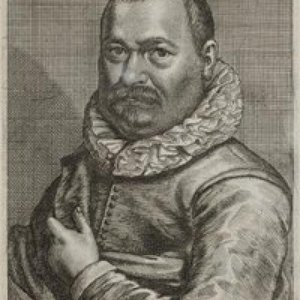
Roelandt Savery
1576 - 1639 , Belgium
プロフィール概要
- Artistic Movement Or Style: Dutch Golden Age Painting
- Artists Or Movements Influenced By This Artist: ['Adam Willaerts']
- Artists Who Influenced This Artist:
- Gillis van Coninxloo
- Hans Bol
- Date Of Birth: 1576
- Date Of Death: 1639
- Full Name: Roelandt Savery Maertensz Saverij
- Nationality: Flemish
- Notable Artworks:
- The Paradise
- Landscape with Birds
- Bouquet of Flowers
- Place Of Birth: Courtrai, Belgium