

 プレビュー
プレビュー
 プリントを購入
 シェアする
シェアする シェアする
シェアする
 詳細を見る
詳細を見る

 ダウンロード
 似ている作品
 X線調査
X線調査 スライドショー
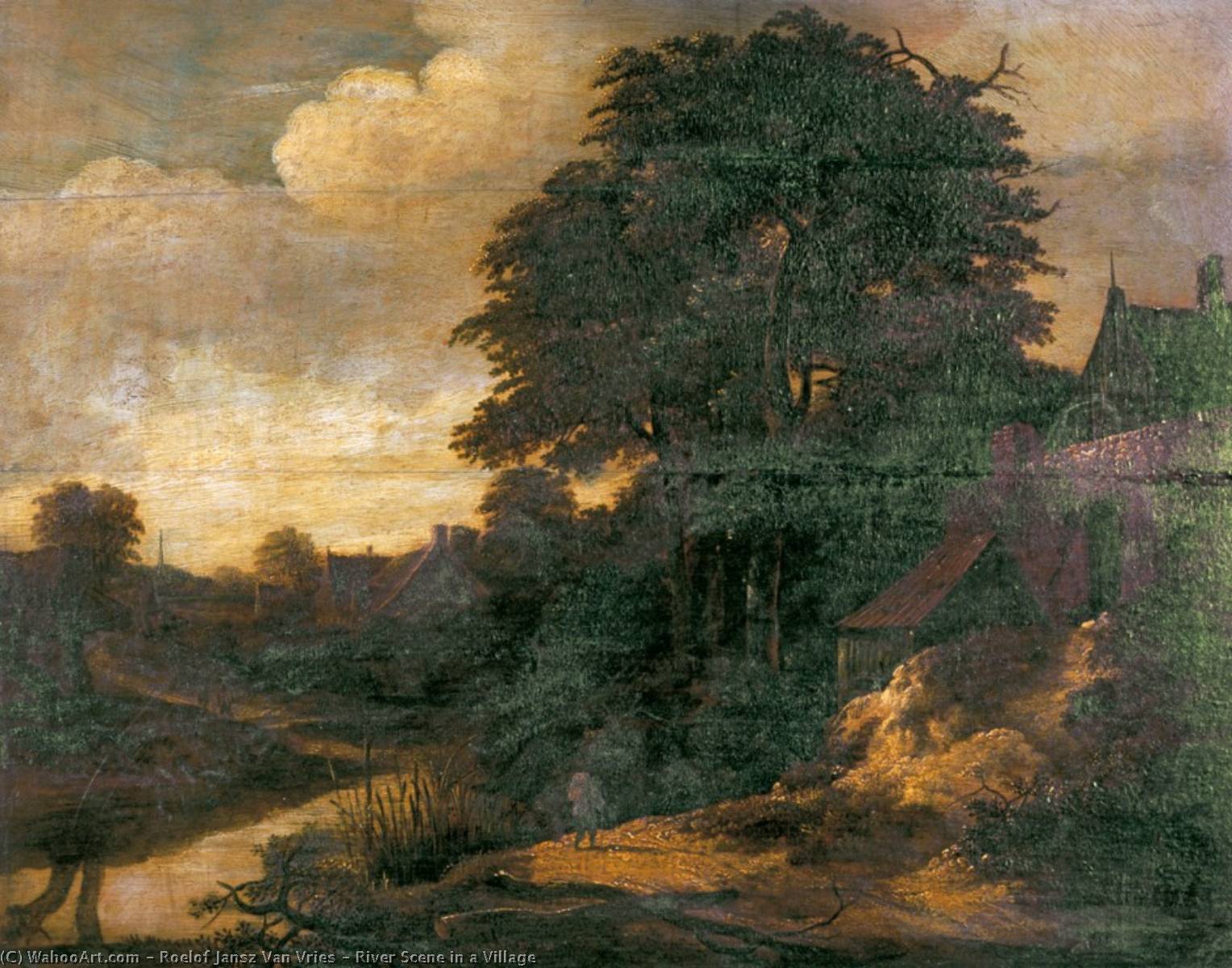
River Scene in a Village
 60.0 x 76.0 cm
 ホルバーン・ミュージアム
 詳細を見る
詳細を見る




































作品のオリジナル比率に合わせた、当店の規定サイズからお選びください。

特定のフレームやスペースに合わせて、ご希望のサイズをご入力いただけます。選択されたサイズが元の画像の比率と異なる場合、アートワークをトリミングするか、手描きで要素を追加して絵画を拡張いたします。デジタルモックアップ を制作し、制作開始前にご確認(承認)をいただきます。
画面上のプレビューは、実際のトリミングや拡張を正確に反映しているものではありません。最終的な構図は、モックアップによってのみ正確にご確認いただけます。
カスタムサイズもご利用いただけますが、元の比率を維持するためには、あらかじめ用意されたリストからサイズを選択することをお勧めいたします。
ご注文後、ArtsDot.com チームより詳細な指示をお送りするとともに、仕上がりイメージ(モックアップ)をご提供いたします。


 ガラスオプションは、110cm未満のサイズでのみご利用いただけます。

River Scene in a Village
複製技法
複製画のサイズ
-


合計金額
$ 263
関連作品










アーティストの略歴
The Serene Vision of Roelof Jansz van Vries
In the golden light of the seventeenth-century Netherlands, few artists captured the quiet dignity of the Dutch countryside as tenderly as Roelof Jansz van Vries. Born in the vibrant artistic hub of Haarlem around 1631, van Vries emerged during a period when the landscape painting genre was reaching its zenith. His life and work serve as a window into the soul of the Dutch Golden Age, reflecting a world where the boundaries between human settlement and the natural wild were bridged by a profound sense of peace. While his early years remain somewhat veiled in the mists of history, his presence is firmly etched in the records of the prestigious Guild of Saint Luke, first appearing in Leiden in 1653 and later joining the Haarlem guild in 1657.
The trajectory of van Vries’s life took him from the meticulous traditions of Haarlem to the bustling commercial heart of Amsterdam. It was in Amsterdam that he established his permanent residence, marrying Marytje Adriaens in 1659—a union witnessed by the notable painter Reynier Hals. This connection to the broader artistic community underscores the social fabric in which van Vries operated, a network of masters and patrons that fueled the creative explosion of the era. Though his precise date of passing remains a subject of scholarly debate, with records suggesting he lived well into the turn of the century, his legacy was firmly planted during the height of Dutch prosperity.
A Mastery of Light and Atmosphere
To gaze upon a van Vries landscape is to experience a masterclass in luminosity. His artistic DNA was deeply intertwined with the luminist tradition, drawing significant inspiration from titans such as Jacob van Ruisdael, Jan Wynants, and Philips Wouwerman. Unlike those who sought drama through harsh contrasts of light and shadow, van Vries preferred a more diffused, atmospheric approach. He possessed an uncanny ability to render the subtle gradations of a cloudy sky, allowing natural illumination to wash over his canvases with a soft, pervasive glow that evokes a sense of eternal stillness.
His technique was characterized by an extraordinary attention to detail that bordered on the poetic. One might observe how he meticulously rendered the texture of weathered brickwork or the delicate foliage of ancient trees, often adorning them with minute, golden dots of light—a stylistic flourish reminiscent of Meindert Hobbema. This precision did not come at the expense of atmosphere; rather, it served to ground his ethereal light in a tangible reality. In works such as The Pigeon House (1660), we see this harmony perfectly realized, where a modest structure and a mirror-like body of water coexist in a state of perfect equilibrium, inviting the viewer to step into a world of rural tranquility.
Legacy and Artistic Significance
The historical significance of Roelof Jansz van Vries lies in his role as a bridge between the grand landscape traditions of Haarlem and the evolving tastes of the Amsterdam art market. While he was often celebrated for his ability to capture the essence of the Dutch terrain, he also demonstrated a sophisticated collaborative spirit. It is noted that in many of his compositions, the small, lively figures inhabiting his landscapes were sometimes the work of other masters, such as Adriaen van de Velde or Johannes Lingelbach, creating a rich tapestry of collective genius.
Today, the works of van Vries continue to command respect in the world's most prestigious institutions, including:
- The Metropolitan Museum of Art, where his masterpieces offer profound glimpses into the Dutch pastoral ideal.
- The Rijksmuseum, preserving the cultural heritage of his homeland.
- The National Gallery, showcasing his enduring influence on the landscape genre.
Ultimately, van Vries remains a painter of the quiet moment. His ability to find the extraordinary within the ordinary—a simple river scene, a distant tower, or a bird in flight—ensures that his vision of the Dutch Golden Age remains as luminous and captivating today as it was three centuries ago.
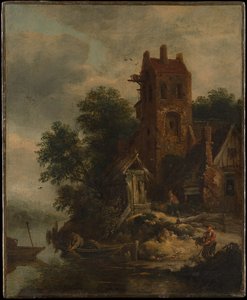
Roelof Jansz van Vries
1631 - 1681 , Netherlands
基本情報
- Artistic Movement Or Style: Golden Age Landscape Painting
- Artists Or Movements Influenced By This Artist: ['Haarlem Landscape Tradition']
- Artists Who Influenced This Artist:
- Jacob Van Ruisdael
- Jan Wynants
- Date Of Birth: 1631 Haarlem Netherlands
- Date Of Death: 1681 Amsterdam
- Full Name: Roelof Jansz van Vries
- Nationality: Dutch
- Notable Artworks:
- The Pigeon House
- Landscape with a Tower
- Place Of Birth: Haarlem Netherlands

