 プレビュー
プレビュー
 プリントを購入
 シェアする
シェアする シェアする
シェアする
 詳細を見る
詳細を見る

 ダウンロード
 似ている作品
 X線調査
X線調査 スライドショー
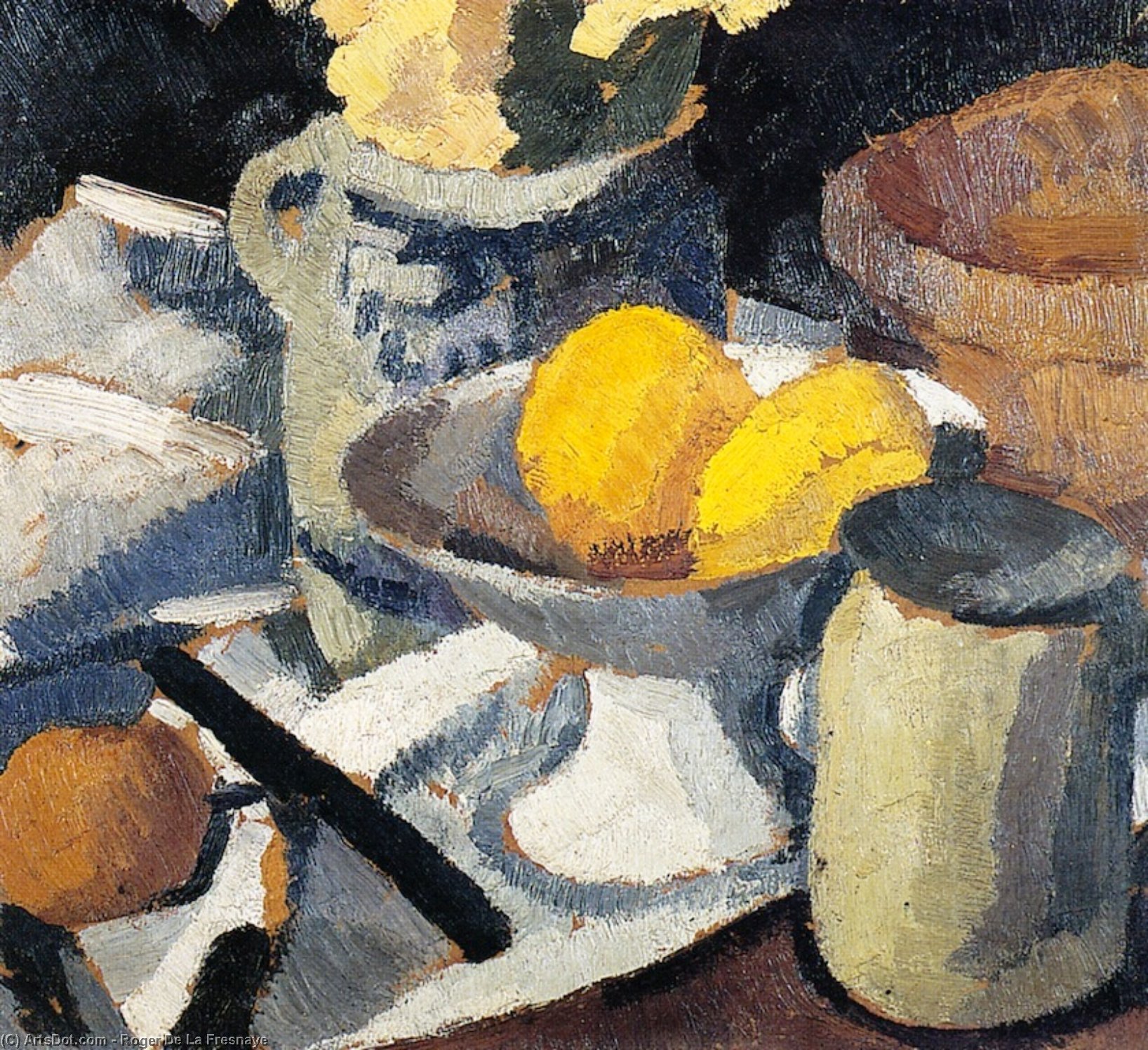
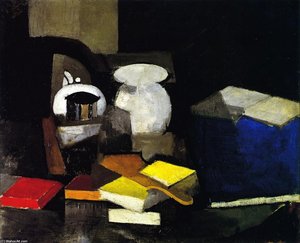
Still Life with Lemons
 Oil On Canvas
- WallArt
- Fauvism
 1910
1910 24.0 x 27.0 cm
 パリ市立近代美術館
 詳細を見る
詳細を見る




P118B $10

P118H $10

P118W $10

P438Z $10

P508JH $12

P508YH $12

P805H $10

P805Z $10

P919BZ $10

P919G $10

P919XJ $10

P959ZH $10

P968JZ $12

W106C $8

W218G $10

W218JH $8

W218Y $10

W307PJ $10

W316G $10

W316PJ $8

W316Y $10

W398PJ $8

W4111J $10

W500HY $15

W500JH $15

W692G $12

W849H $8

W940BG $15

W953PJ $8




作品のオリジナル比率に合わせた、当店の規定サイズからお選びください。

特定のフレームやスペースに合わせて、ご希望のサイズをご入力いただけます。選択されたサイズが元の画像の比率と異なる場合、アートワークをトリミングするか、手描きで要素を追加して絵画を拡張いたします。デジタルモックアップ を制作し、制作開始前にご確認(承認)をいただきます。
画面上のプレビューは、実際のトリミングや拡張を正確に反映しているものではありません。最終的な構図は、モックアップによってのみ正確にご確認いただけます。
カスタムサイズもご利用いただけますが、元の比率を維持するためには、あらかじめ用意されたリストからサイズを選択することをお勧めいたします。
ご注文後、ArtsDot.com チームより詳細な指示をお送りするとともに、仕上がりイメージ(モックアップ)をご提供いたします。


 ガラスオプションは、110cm未満のサイズでのみご利用いただけます。

Still Life with Lemons
複製技法
複製画のサイズ
-


合計金額
$ 263
作品解説
A Still Life Transfigured: Roger de La Fresnaye’s “Still Life with Lemons”
Roger de La Fresnaye's "Still Life with Lemons," painted in 1910, isn’t merely a depiction of fruit and tableware; it’s a vibrant manifesto of the Fauvist movement and a poignant reflection on modernity. This oil-on-canvas masterpiece, currently residing within the prestigious Musée d'art Moderne de la Ville de Paris, immediately captivates with its audacious palette – a riot of yellows, oranges, blues, and greens that seem to vibrate with an inner energy. De La Fresnaye, deeply influenced by Post-Impressionism and particularly the radical experimentation of Paul Gauguin, sought to move beyond traditional representation, prioritizing color and form as primary expressive elements. The painting’s genesis lies in a period of intense artistic ferment, where artists were dismantling established conventions and forging new paths toward capturing the essence of experience.
Fauvism's Bold Embrace: Color as Emotion
As a cornerstone of Fauvist art, “Still Life with Lemons” exemplifies the movement’s core tenets. Unlike the muted tones favored by Impressionists, de La Fresnaye employed color not to mimic reality but to convey emotion and subjective perception. The lemons, rendered in intense yellows and oranges, practically glow against the darker backdrop, radiating a sense of vitality and abundance. Similarly, the bowl itself is painted with a rich, saturated blue, creating a visual anchor that draws the eye into the composition. This deliberate use of color isn’t arbitrary; it's a conscious decision to bypass naturalism and tap directly into the viewer’s emotional response. The artist’s brushstrokes are energetic and visible, adding to the painting’s dynamism and suggesting an immediacy of creation.
Compositional Harmony: A Balanced Arrangement
Despite its vibrant colors, “Still Life with Lemons” possesses a remarkable sense of balance and harmony. The arrangement of objects – a bowl overflowing with lemons and oranges, accompanied by a vase, a cup, and two books – is carefully considered to create a visually pleasing composition. De La Fresnaye masterfully utilizes the principles of geometric abstraction, arranging the elements in a way that suggests both stability and movement. The lemons, positioned at various angles within the bowl, create a sense of dynamism, while the oranges, placed strategically on opposite corners, provide visual counterweights. This interplay of form and color generates a captivating tension that keeps the viewer engaged.
Symbolism and Modernity: A Reflection of an Era
Beyond its formal qualities, “Still Life with Lemons” carries layers of symbolic meaning. The lemons and oranges themselves are often associated with abundance, prosperity, and even mortality – a poignant reminder of the fleeting nature of life. The inclusion of books hints at intellectual pursuits and the pursuit of knowledge. More broadly, the painting can be interpreted as a reflection on the changing world of early 20th-century Europe, where traditional values were being challenged by rapid industrialization and social upheaval. De La Fresnaye’s bold use of color and form signals a departure from the past and an embrace of a new, more expressive artistic language. The painting's creation coincided with a period of significant societal transformation, mirroring the anxieties and aspirations of a generation grappling with modernity.
The artwork is a testament to de La Fresnaye’s innovative spirit and his pivotal role in shaping the course of 20th-century art. Its enduring appeal lies not only in its aesthetic beauty but also in its ability to evoke a range of emotions and ideas, inviting viewers to contemplate the complexities of life, death, and the ever-evolving nature of artistic expression.
関連作品


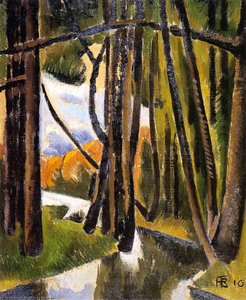
アーティストの略歴
プリズムの色彩に描かれた生涯:ロジェ・ド・ラ・フレルナワの世界
1885年に貴族的な血筋を持つラ・フレルナワ家に生まれたロジェ・ド・ラ・フレルナワは、その短いながらも燦然たるキャリアで、20世紀初頭の芸術が芽生えつつある風景を照らし出した画家でした。彼の物語は、受け継いだ特権と芸術的な野心が交錯し、古典的な訓練がアヴァンギャルドな熱狂によって揺さぶられ、そして最終的には病によって悲劇的に幕を閉じた人生の記録です。ファライズにあるフレルナワ城という、軍務の長い歴史を持つ彼の一族の祖先の家は、伝統と急進的な革新が見事に融合する運命にあった彼の人生に、初期の背景を提供しました。育まれた価値観に深く根ざしながらも、若きロジェが惹かれたのは戦場ではなくキャンバスであり、象徴主義、キュビスムといった複雑な潮流を航海していく旅に出たのです。彼の最初の教育は古典的な基盤の上に置かれていましたが、パリのジュリアン・アカデミーや後にエコール・デ・ボザールといった場所で芸術指導を求めるうちに、その学びは急速に進化し、そここそが彼が後の様式を探求する種が蒔かれた場所でした。ナビ派の夢からキュビスムの幾何学へ
ド・ラ・フレルナワの初期の芸術的発展の年月は、厳格な再現性よりも主観的な経験や象徴的な意味を重んじたポスト印象派の画家たち、ナビ派の影響を深く受けていました。ランソン・アカデミーでモーリス・ドニやポール・セリュジエのもとを学んだ彼は、彼らが重視した平坦なフォルム、装飾的なパターン、そして感情を呼び起こす色彩パレットのエッセンスを吸収し、その資質は菊の花を持つ女性のような作品に明白に現れています。この時期は夢のような質感を帯びており、芸術を通じた精神的な共鳴を追求したナビ派の様式的な残響を感じさせます。しかし、この初期の道筋が彼の最終目的地となる運命ではありませんでした。より急進的な実験への魅力がやがて彼を誘います。1912年頃、ド・ラ・フレルナワは、パブロ・ピカソとジョルジュ・ブラックによって開拓されたキュビスムの革命的な思想に深く関わる芸術家たちの集団、「セクシオン・ドール」の一員となりました。これは彼の芸術的軌跡における決定的な転換点でした。彼は単に模倣していたのではなく、反応し、解釈し、最終的にはその運動の中で自分自身の独自の声を鍛え上げていたのです。キュビスムへの彼の応答は厳格な追従ではなく、むしろ個人の統合であり、幾何学的な抽象性に、仲間たちとは一線を画す鮮やかな色彩感覚を吹き込んだものでした。空の征服は、おそらく彼が最も称賛される作品であり、この時期を象徴しています。それは、ロベール・ドローネのオルフィスムの影響と、ド・ラ・フレルナワ自身の独特なビジョンが反映された、プリズムのような色彩と断片化されたフォルムに満ちた躍動的な構成です。これは、多様な影響を完全に新しいものへと統合する彼の能力の証左と言えます。戦争、病気、そして変容する美学
第一次世界大戦の勃発は、ド・ラ・フレルナワの人生と作品に長い影を落としました。彼はフランス軍に入隊しましたが、結核によって悲劇的にその奉仕を断たれ、1918年に除隊を余儀なくされます。病気がもたらした肉体的な重荷は壊滅的であり、彼のエネルギーを低下させ、芸術制作の過程を変えていきました。キュビスム期に見られた力強く幾何学的なキャンバスは、より線的なスタイルへと移行し、繊細な精度と内省的な質感を特徴とするものとなりました。これを革新からの後退と見る向きもあるかもしれませんが、それはまた自然な進化とも見なせます。異なる表現様式を要求する個人的な状況への応答だったのです。彼の晩年の絵画は静かな思索を映し出し、芸術家自身の衰えゆく健康状態と共鳴するような脆さを湛えています。彼はキュビスム作品の空間分析から離れ、より線的なスタイルへと焦点を移し、フォルムと色彩に新たな方法で向き合いました。この変化は降伏ではなく再評価であり、制約の中に見出す美しさへの探求だったのです。遺産と永続する影響
ロジェ・ド・ラ・フレルナワは1925年、若くして40歳という年齢で亡くなり、比較的少ないながらも驚くほど重要な作品群を残しました。彼のキャリアは悲劇的に短縮されましたが、近代美術の発展に対する彼の貢献は否定できません。彼はナビ派の装飾的な感性とキュビスムの急進的な実験との間のギャップを見事に埋め合わせ、今日なお観客を魅了し続ける独自の視覚言語を創造しました。彼の絵画は、トロワーズ近代美術館やパリのポンピドゥー・センターといった名門美術館に所蔵されており、彼の不朽の芸術的価値を物語っています。2017年にクリスティーズで空の征服が記録的な高値で落札されたことは、彼が近代巨匠たちの系譜の中に確固たる地位を占めていることの力強い証明となっています。ド・ラ・フレルナワの遺産は、単に個々の芸術的功績にあるだけでなく、多様な影響をまとまりのある説得力のあるビジョンへと統合する能力にもあり、20世紀絵画の歴史に消しがたい痕跡を残しました。彼は今なお魅力的な人物であり続けています—貴族からモダニストへ、病に触れた兵士として、そして何よりも、知性と情熱をもってフォルムと色彩の境界を探ることを敢行した画家としてです。ド・ラ・フレルナワの世界を探訪する
Key Influences:- モーリス・ドニ
- ポール・セリュジエ
- ジョルジュ・ブラック
- パブロ・ピカソ
- ロベール・ドローネ
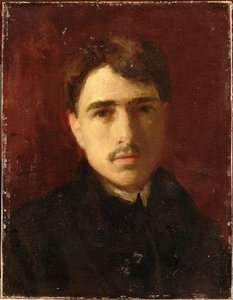
ロジェ・ド・ラ・フレルナワ
1885 - 1925 , フランス
基本情報
- Artistic Movement Or Style: キュビスム、象徴主義
- Artists Or Movements Influenced By This Artist: 20世紀初頭の美術
- Artists Who Influenced This Artist:
- モーリス・ドニ
- ポール・セリュジエ
- ロベール・ドローネ
- Date Of Birth: 1885年7月11日
- Date Of Death: 1925年11月27日
- Full Name: ロジェ・ド・ラ・フレナワ
- Nationality: フランス人
- Notable Artworks:
- 空の征服
- ラ・マデルロン
- ル・キュイラシエ
- Place Of Birth: マン=レ、フランス
関連記事
Roger de la Fresnaye: Cubism, Tradition & the Search for Order in Early 20th-Century French Painting
Explore the captivating world of Roger de la Fresnaye, a pivotal French Cubist painter. Discover his unique blend of tradition & modernity, influences, and lasting legacy with ArtsDot.

ゴヤ傑作25選:スペインの魂を揺さぶる、深遠な芸術の世界 | ArtsDot
ゴヤ傑作25選:ロマン主義を代表するスペインの巨匠、フランシスコ・デ・ゴヤの世界へ。黒衣の女からマハまで、魂を揺さぶる絵画の物語と技法を紐解きます。ArtsDotで高品質なアートレプリカを見つけ、インテリアに深みと風格を。今すぐコレクションをご覧ください。
Águeda Ruiz de la Prada: A Study of Eclecticism & Emotional Resonance in Contemporary Spanish Painting
Discover the vibrant world of Ágatha Ruiz de la Prada, a leading figure in contemporary Spanish art. Explore her eclectic style, emotional depth & legacy – a must-read for discerning collectors.

About Us
Discover our story! We bring world-class art into your life through expert curation, personalized creations, and free previews. Trusted by individuals and businesses since 2000.
Maurice Quentin de La Tour: Light, Shadow & the Rococo Portrait
Explore the captivating world of Maurice Quentin de La Tour, a master of Rococo portraiture. Discover his innovative pastel techniques, intimate depictions of French aristocracy, and lasting artistic legacy. Learn more at ArtsDot.