

 プリントを購入
 シェアする
シェアする シェアする
シェアする
 詳細を見る
詳細を見る

 ダウンロード
 似ている作品
 スライドショー
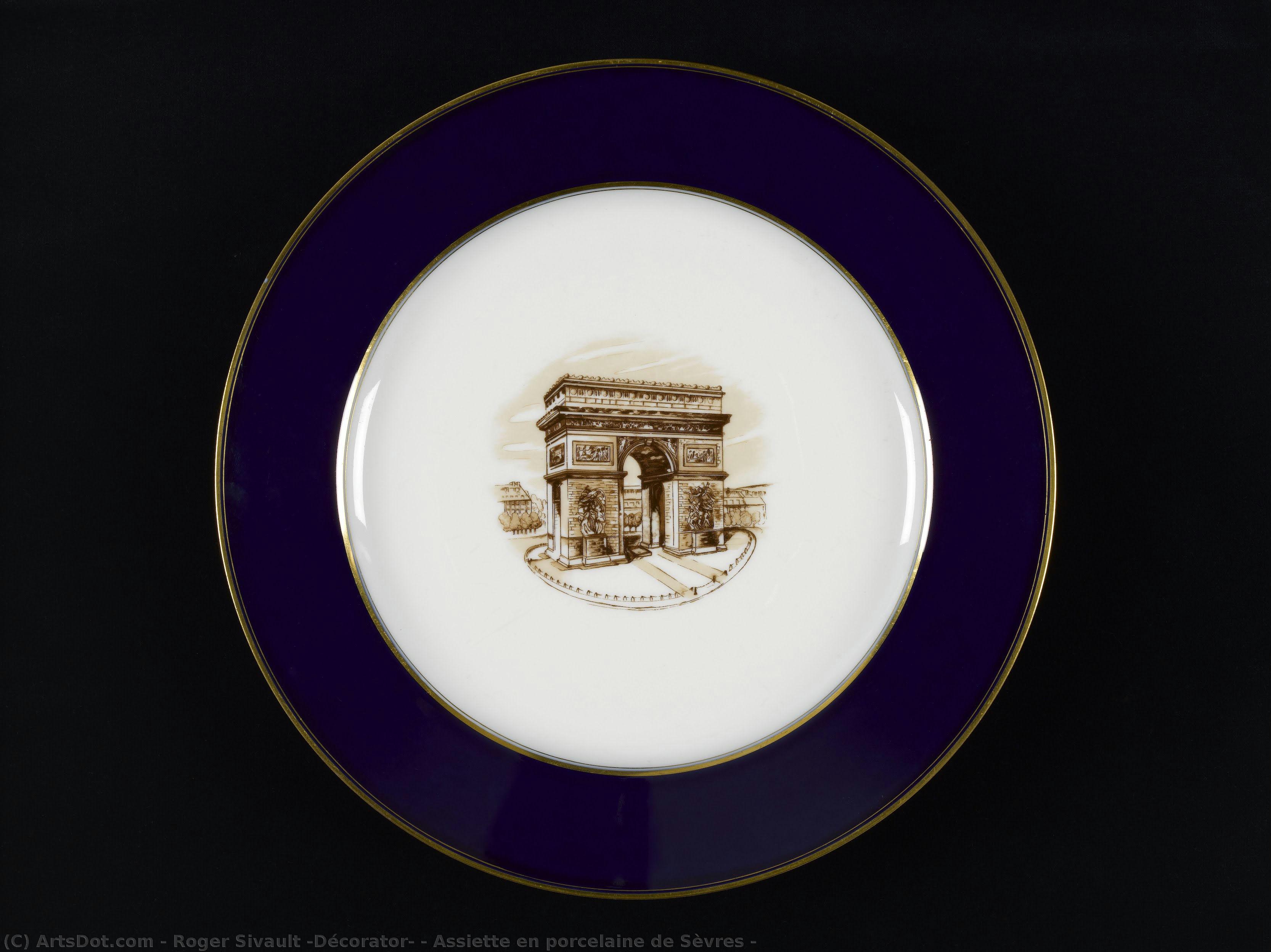
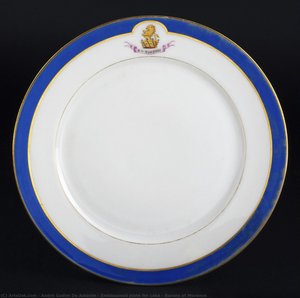
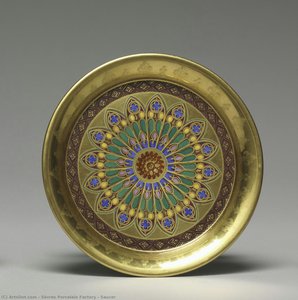
Assiette en porcelaine de Sèvres


 詳細を見る
詳細を見る
オンラインプレビューをはるかに凌ぐ、高解像度で鮮明なデジタル画像をご購入いただけます。
各ファイルは、社内の専門家が高度なツールと熟練した手作業によるレタッチを用いて、細心の注意を払って準備されています。すべての画像において、卓越した鮮明度、正確な色彩再現性、そして繊細なディテールを保証いたします。
最終ファイルは、プロフェッショナルな編集・印刷環境ですぐにご利用いただけるよう最適化された状態で、72時間以内にメールにてお届けいたします。これは、一流のデザインスタジオ、出版社、ギャラリーから信頼されているものと同等の品質です。
デジタル画像のご注文に付随する特典
高品質なデジタル画像配信を、確かな品質で。
ArtsDot.com を選ぶことは、単に画像を手に入れることではありません。それは、プロの手によって精密に仕上げられ、満足保証が付いた高品質なデジタルアートワークを受け取ることを意味します。ご注文いただいた際に自動的に付随する内容は、以下の通りです:

メールですぐにお届け
ご注文から72時間以内に、高解像度のデジタル画像ファイルがメールでお手元に届きます。すぐにそのままご利用いただけます。

AI技術で最適化されたデジタルファイル
お客様の作品は、高度なAIツールと専門家による手作業の編集を組み合わせてプロフェッショナルに最適化されており、細部のディテール、鮮明さ、そして正確な色再現性を最大限に引き出しています。

一生涯無料の再送サービス
ファイルを誤って削除したり、紛失してしまったりしましたか?ご安心ください。いつでも無料で再送いたします。

輸入手数料は一切かかりません
関税や手数料、配送料を気にすることなく、お気に入りのアートワークをすぐにお楽しみいただけます。デジタルダウンロードは常に免税です。

色彩再現の保証
プロ仕様のツールとカラーマネジメント技術を用いることで、デジタル画像が元の色を最大限に忠実に再現することを保証いたします。

60日間満足保証
ご購入いただいたデジタル画像にご満足いただけない場合は、60日以内であれば、修正または100%の返金(理由を問う必要はありません)をさせていただきます。

100% 返金保証
ご満足いただけない場合は、デジタルファイルを受け取ってから60日以内であれば、理由を問わず全額返金いたします。

まとめ買い割引
3枚購入で10%OFF - 5枚購入で15%OFF - 10枚以上購入で20%OFF。クリエイティブなプロジェクト、ギャラリー、エージェンシーに最適です。
関連作品

作家の略歴
The Shadow of the War: A Portrait of a Lost Generation Artist
The year 1920 found Elias Thorne, a young man adrift in the aftermath of World War I, seeking solace and expression within the vibrant, yet turbulent, artistic landscape of Paris. Born in 1920 to modest means in rural England, Thorne’s early life was marked by a quiet solitude—a stark contrast to the roaring energy he would soon encounter on the Left Bank. The war had irrevocably altered Europe, shattering traditional values and leaving a profound sense of disillusionment. This atmosphere of uncertainty and questioning became the bedrock upon which Thorne's artistic vision began to take shape. Initially drawn to the burgeoning Cubist movement, influenced by the works of Picasso and Braque, his early paintings reflected a fragmented reality—geometric shapes colliding and overlapping, mirroring the shattered remnants of a world at war.
However, Thorne quickly outgrew the rigid constraints of Cubism, seeking a more emotionally resonant approach. He found himself increasingly captivated by the burgeoning Surrealist movement, particularly the dreamlike imagery and exploration of the subconscious championed by artists like Salvador Dalí and René Magritte. This shift wasn’t merely stylistic; it represented a fundamental change in his artistic philosophy—a move away from objective representation towards subjective experience. The horrors he had witnessed during the war had left an indelible mark on his psyche, fueling a desire to capture not just what was seen, but also what *felt* – the anxieties, fears, and unspoken emotions that lay beneath the surface of everyday life.
The Art Deco Influence & Early Success
As the 1920s progressed, Thorne’s style began to coalesce around the aesthetic principles of Art Deco. This fascination stemmed partly from a desire for glamour and sophistication—a reaction against the somber mood that still permeated much of European art. He was drawn to the sleek lines, geometric patterns, and opulent ornamentation characteristic of the movement, finding inspiration in the architecture of skyscrapers, automobiles, and luxury goods. His paintings began to incorporate these elements – stylized figures, bold colors, and a sense of dynamic energy—reflecting the optimism and technological advancements of the era.
Despite his growing recognition within Parisian artistic circles, Thorne’s career was tragically cut short. He quickly gained notoriety for his striking portraits, particularly those capturing the spirit of the Jazz Age – flappers in shimmering dresses, musicians lost in improvisation, and intellectuals engaged in lively debate. His work was exhibited in several prominent galleries, including Galerie Renouard and Galerie Simon, attracting attention from wealthy patrons and collectors. He even secured commissions for murals in private residences and public spaces, solidifying his position as a rising star within the Parisian art scene.
A Descent into Expressionism & Personal Turmoil
By 1928, Thorne’s artistic trajectory took an unexpected turn. The relentless pressure of success, coupled with unresolved trauma from the war and a growing sense of alienation, led him down a path toward Expressionist techniques. His palette darkened, his brushstrokes became more frenzied, and his subjects—often self-portraits—exuded a palpable sense of anguish and despair. This period saw the emergence of intensely personal works exploring themes of isolation, loss, and the psychological toll of modern life.
Sources indicate that Thorne struggled with bouts of depression and alcoholism during this time, exacerbated by his difficult relationship with his muse and frequent collaborator, a young American artist named Vivian Holloway. The intensity of his emotional state is reflected in paintings like “Nocturne of Despair” (1929) – a haunting depiction of a solitary figure silhouetted against a stormy sky—and "Echoes of Silence" (1930), which captures the feeling of profound loneliness and regret. These works, while emotionally raw, demonstrate a remarkable level of technical skill and artistic depth.
Legacy & The Tragic End
Tragically, Elias Thorne’s life was cut short in 1968 at the age of 48. He died from complications related to alcoholism, leaving behind a relatively small but powerfully evocative body of work. Despite his brief career, Thorne's influence on subsequent generations of artists is undeniable. His exploration of psychological themes, combined with his masterful command of color and form, paved the way for later Expressionist painters and Surrealists.
Today, Elias Thorne’s paintings are highly sought after by collectors worldwide. They are exhibited in major museums and private collections, serving as a poignant reminder of a lost generation artist who captured the anxieties and uncertainties of his time with unflinching honesty and remarkable artistic vision. His work stands as a testament to the enduring power of art to confront difficult truths and explore the depths of the human experience.
Useful Links:
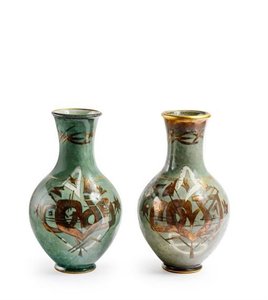
roger sivault (décorator)
1920 - 1968

