

 プレビュー
プレビュー
 シェアする
シェアする シェアする
シェアする
 詳細を見る
詳細を見る

 ダウンロード
 似ている作品
 X線調査
X線調査 スライドショー
 Stats
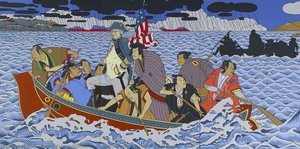
StatsShimomura Crossing the Delaware
 Painting
- Pop Art
 2010
2010- Contemporary
 365.0 x 182.0 cm
 ナショナル・ギャラリー
 詳細を見る
詳細を見る
オンラインプレビューをはるかに凌ぐ、高解像度で鮮明なデジタル画像をご購入いただけます。
各ファイルは、社内の専門家が高度なツールと熟練した手作業によるレタッチを用いて、細心の注意を払って準備されています。すべての画像において、卓越した鮮明度、正確な色彩再現性、そして繊細なディテールを保証いたします。
最終ファイルは、プロフェッショナルな編集・印刷環境ですぐにご利用いただけるよう最適化された状態で、72時間以内にメールにてお届けいたします。これは、一流のデザインスタジオ、出版社、ギャラリーから信頼されているものと同等の品質です。
デジタルアート
個人での鑑賞、印刷、クリエイティブなプロジェクト用に、高解像度ファイルをダウンロードできます。 ( Switch to Print 手描きの絵画を購入)
デジタル画像のご注文に付随する特典
高品質なデジタル画像配信を、確かな品質で。
ArtsDot.com を選ぶことは、単に画像を手に入れることではありません。それは、プロの手によって精密に仕上げられ、満足保証が付いた高品質なデジタルアートワークを受け取ることを意味します。ご注文いただいた際に自動的に付随する内容は、以下の通りです:

メールですぐにお届け
ご注文から72時間以内に、高解像度のデジタル画像ファイルがメールでお手元に届きます。すぐにそのままご利用いただけます。

AI技術で最適化されたデジタルファイル
お客様の作品は、高度なAIツールと専門家による手作業の編集を組み合わせてプロフェッショナルに最適化されており、細部のディテール、鮮明さ、そして正確な色再現性を最大限に引き出しています。

一生涯無料の再送サービス
ファイルを誤って削除したり、紛失してしまったりしましたか?ご安心ください。いつでも無料で再送いたします。

輸入手数料は一切かかりません
関税や手数料、配送料を気にすることなく、お気に入りのアートワークをすぐにお楽しみいただけます。デジタルダウンロードは常に免税です。

色彩再現の保証
プロ仕様のツールとカラーマネジメント技術を用いることで、デジタル画像が元の色を最大限に忠実に再現することを保証いたします。

100日間満足保証
ご購入いただいたデジタル画像にご満足いただけない場合は、100日以内であれば、理由を問わず修正または100%の返金対応をさせていただきます。

100% 返金保証
ご満足いただけない場合は、デジタルファイルを受け取ってから100日以内であれば、理由を問わず全額返金いたします。

まとめ買い割引
3枚購入で10%OFF - 5枚購入で15%OFF - 10枚以上購入で20%OFF。クリエイティブなプロジェクト、ギャラリー、エージェンシーに最適です。
A Collision of Histories: Reimagining the American Epic
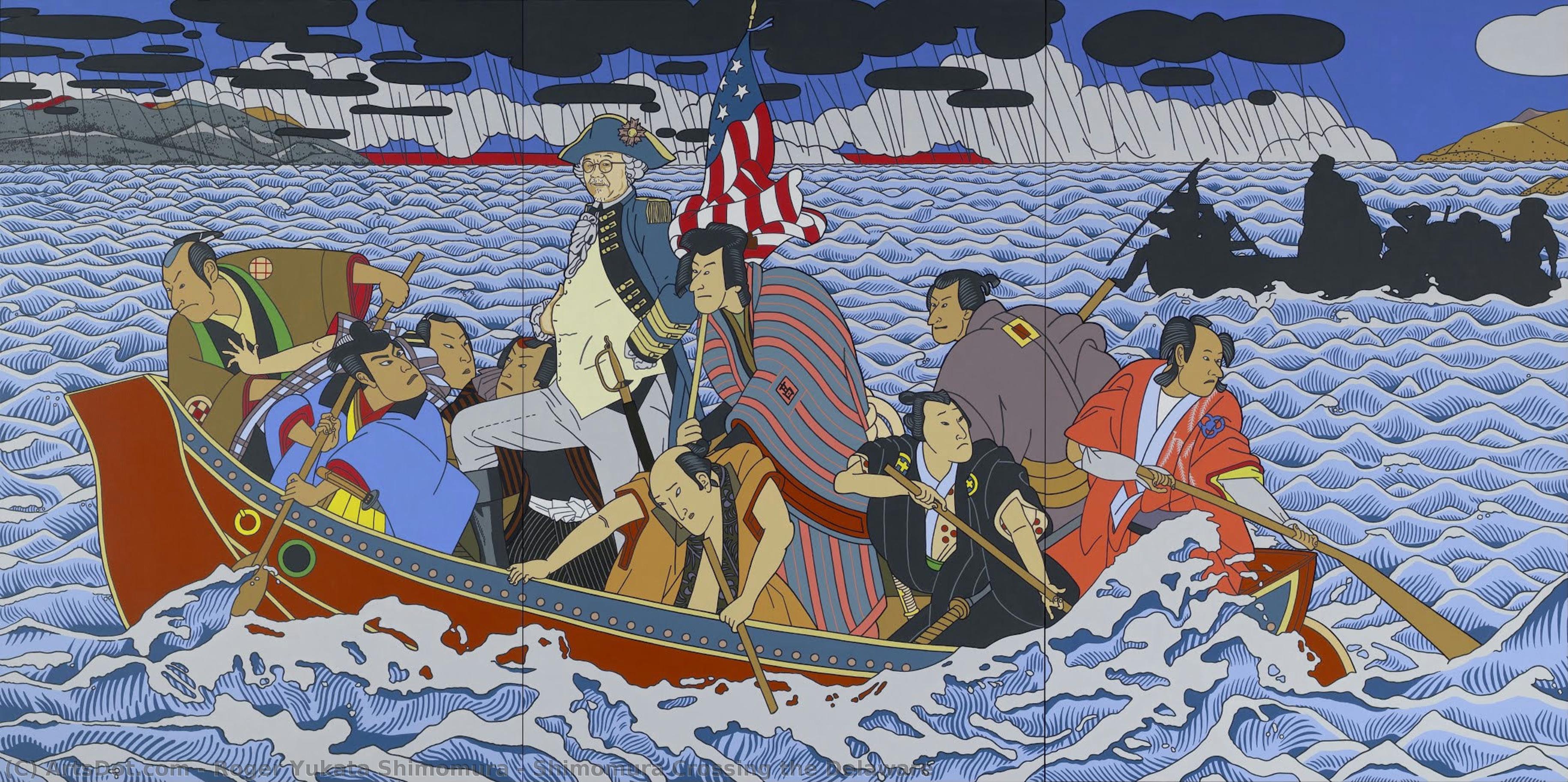
In his profound masterpiece, Shimomura Crossing the Delaware, Roger Shimomura orchestrates a breathtaking visual dialogue between two vastly different cultural legacies. At first glance, the viewer is met with a scene of monumental scale and turbulent motion, reminiscent of the grand historical canvases of the nineteenth century. However, as the eye settles upon the details, the familiar iconography of American triumph begins to dissolve into something far more complex and subversive. The painting serves as a brilliant, layered reimagining of Emanuel Leutze’s iconic 1851 work, Washington Crossing the Delaware, yet it breathes new life into the composition by infusing it with the poignant realities of the Asian American experience.
The artist masterfully utilizes the weight of historical precedent to explore themes of identity and displacement. While the structural bones of the painting echo the heroic posture of George Washington, Shimomura replaces the colonial troops with samurai warriors, creating a striking juxtaposition between Western revolutionary spirit and Eastern martial tradition. This substitution is not merely aesthetic; it is a profound commentary on the layers of heritage that constitute the American identity. The water, which once represented the Delaware River, is transformed into the churning waters of San Francisco Harbor, with the silhouette of Angel Island looming in the background—a haunting reminder of the processing center that served as the gateway for many Asian immigrants.
Technique and the Fusion of Artistic Traditions
Shimomura’s technical execution is a triumph of stylistic fusion, blending the bold, graphic sensibilities of Pop Art with the delicate, structured elegance of Japanese ukiyo-e woodblock prints. The composition draws significant inspiration from the legendary Katsushika Hokusai, adopting a flattened perspective and a dynamic use of negative space that directs the viewer's gaze through the rhythmic movement of the boat and the cresting waves. This synthesis creates a visual language that feels both modern and ancient, making the piece an extraordinary specimen for collectors who appreciate art that bridges the gap between disparate eras.
The color palette and brushwork contribute to a sense of heightened reality. The painting captures a lively, almost kinetic energy within the vessel, where at least thirteen figures navigate the rough waters. There is a palpable tension between the chaotic environment and the collective resilience of the passengers. For interior designers and curators, this work offers a commanding presence; its large-scale dimensions (365 x 182 cm) and rich, narrative depth make it an ideal centerpiece for spaces that demand intellectual engagement and emotional resonance.
A Legacy of Resilience and Identity
Beyond its formal beauty, the painting is an intimate reflection of Shimomura’s own biography. Having endured the trauma of the Japanese American internment at Minidoka during World War II, the artist imbues this work with a deep understanding of what it means to be "different" within the American landscape. The act of crossing—of navigating through turbulent, uncertain waters toward an unknown shore—becomes a powerful metaphor for the immigrant journey and the struggle for belonging.
To possess a reproduction of Shimomura Crossing the Delaware is to hold a piece of contemporary history that challenges the viewer to reconsider the narratives we hold dear. It is a work of profound empathy, celebrating the strength found in diversity and the enduring spirit of those who navigate the currents of change. Whether displayed in a private collection or a sophisticated professional setting, this painting serves as an evocative conversation starter, inviting all who behold it to contemplate the beautiful, complex tapestry of the human experience.
関連作品

作家の略歴
Roger Shimomura: A Fusion of Worlds
Born in Seattle, Washington, in 1939, Roger Shimomura’s artistic journey is inextricably linked to his dual heritage – the vibrant pulse of American culture and the profound echoes of Japanese tradition. His life, marked by both personal tragedy and remarkable creative achievement, has shaped a body of work that continues to challenge perceptions of identity, history, and the complex interplay between East and West. From his early years grappling with the internment experience to his later explorations of pop art and social commentary, Shimomura’s career is a testament to resilience, innovation, and a deeply considered engagement with the world around him.
Early Life and the Shadow of War
Shimomura's childhood was profoundly shaped by the events of World War II. His family, like countless others of Japanese descent in America, were forcibly removed from their homes and incarcerated at Minidoka internment camp in Idaho during 1942-1945. This experience, documented vividly in his grandmother’s diaries – a cornerstone of much of his work – instilled within him a deep awareness of racial prejudice and the devastating impact of injustice. The trauma of this period, coupled with the loss of his sister Carolyn to meningitis during their time at Minidoka, cast a long shadow over his early life, informing his artistic sensibilities and driving a desire to confront difficult truths. Despite these hardships, Shimomura’s upbringing in Seattle's Central District, a thriving Japanese American community, provided him with a rich cultural foundation, fostering an appreciation for both American and Japanese aesthetics.
Artistic Development: Ukiyo-e Meets Pop Art
Shimomura’s artistic education began at the University of Washington, where he honed his skills in fine arts. Early on, he demonstrated a remarkable ability to synthesize seemingly disparate influences – the meticulous techniques of *ukiyo-e* woodblock prints with the bold energy of American pop art. This fusion is most powerfully evident in works like “Shimomura Crossing the Delaware,” a striking painting that reimagines the iconic historical image through a distinctly Asian American lens, subtly challenging conventional narratives of westward expansion and implicitly questioning the dominant narrative of American history. His work frequently incorporates comic book imagery, advertisements, and other elements of popular culture, often juxtaposed with traditional Japanese motifs – masks, landscapes, and figures – creating a dynamic tension between the familiar and the exotic.
Themes and Techniques
Shimomura’s artistic practice is characterized by a willingness to engage with complex social and political issues. He frequently explores themes of identity, cultural fusion, and the legacy of racism in America. His use of *ukiyo-e* techniques – meticulous detail, vibrant colors, and dynamic compositions – provides a powerful visual vocabulary for conveying these themes. However, he doesn’t simply replicate traditional Japanese aesthetics; instead, he adapts them to his own unique vision, imbuing them with contemporary relevance and often injecting a critical perspective. His work is not always overtly political, but it consistently invites viewers to question assumptions and consider alternative viewpoints. The recurring motif of the mask, for example, serves as a potent symbol of hidden identities and suppressed emotions.
Recognition and Legacy
Throughout his distinguished career, Roger Shimomura has received numerous accolades recognizing his significant contributions to American art. He is a three-time recipient of National Endowment for the Arts Fellowships in Painting and Performance Art, as well as a Guggenheim Fellowship. His work is held in prestigious collections including the National Portrait Gallery in London and the Smithsonian American Art Museum in Washington D.C., testament to its enduring appeal and historical significance. He served as Professor Emeritus at the University of Kansas for over three decades, mentoring generations of artists and fostering a vibrant artistic community. Shimomura’s legacy extends beyond his individual achievements; he has played a crucial role in raising awareness about Asian American experiences and promoting cross-cultural understanding through his art. His work continues to resonate with audiences today, prompting dialogue and challenging viewers to confront uncomfortable truths about the past and present.
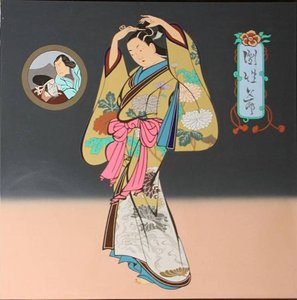
roger yukata shimomura
1939 -