 プレビュー
プレビュー
 プリントを購入
 シェアする
シェアする シェアする
シェアする
 詳細を見る
詳細を見る

 ダウンロード
 似ている作品
 X線調査
X線調査 スライドショー
Mary Altarpiece (Miraflores Altarpiece)
 Oil On Panel
- Early Netherlandish
 1440
1440- Renaissance
 71.0 x 43.0 cm
 国立博物館群
 詳細を見る
詳細を見る




P118B $10

P118H $10

P118W $10

P438Z $10

P508JH $12

P508YH $12

P805H $10

P805Z $10

P919BZ $10

P919G $10

P919XJ $10

P959ZH $10

P968JZ $12

W106C $8

W218G $10

W218JH $8

W218Y $10

W307PJ $10

W316G $10

W316PJ $8

W316Y $10

W398PJ $8

W4111J $10

W500HY $15

W500JH $15

W692G $12

W849H $8

W940BG $15

W953PJ $8




作品のオリジナル比率に合わせた、当店の規定サイズからお選びください。

特定のフレームやスペースに合わせて、ご希望のサイズをご入力いただけます。選択されたサイズが元の画像の比率と異なる場合、アートワークをトリミングするか、手描きで要素を追加して絵画を拡張いたします。デジタルモックアップ を制作し、制作開始前にご確認(承認)をいただきます。
画面上のプレビューは、実際のトリミングや拡張を正確に反映しているものではありません。最終的な構図は、モックアップによってのみ正確にご確認いただけます。
カスタムサイズもご利用いただけますが、元の比率を維持するためには、あらかじめ用意されたリストからサイズを選択することをお勧めいたします。
ご注文後、ArtsDot.com チームより詳細な指示をお送りするとともに、仕上がりイメージ(モックアップ)をご提供いたします。


 ガラスオプションは、110cm未満のサイズでのみご利用いただけます。

Mary Altarpiece (Miraflores Altarpiece)
複製技法
複製画のサイズ
-


合計金額
$ 263
作品解説
A Divine Encounter in Pigment and Light
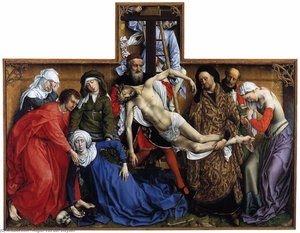
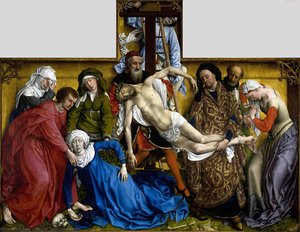
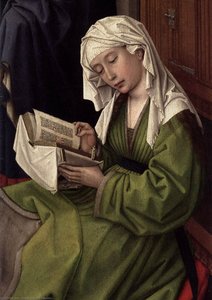
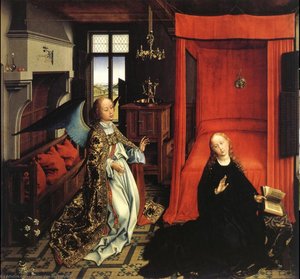
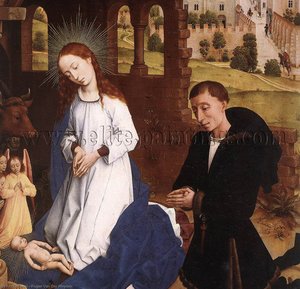
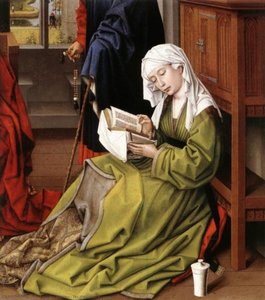
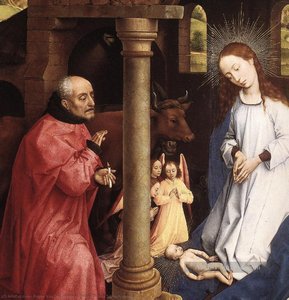
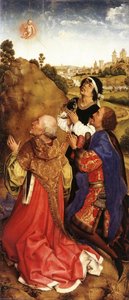
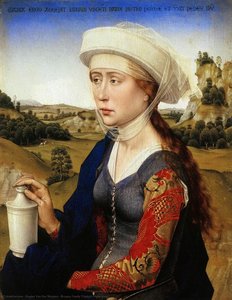
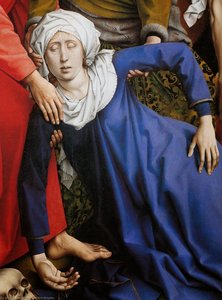
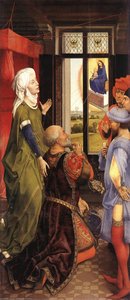
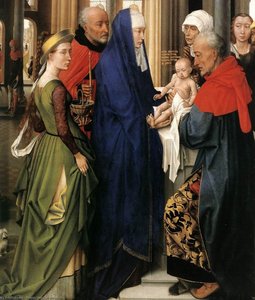
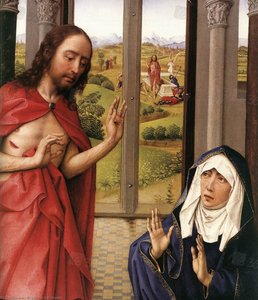
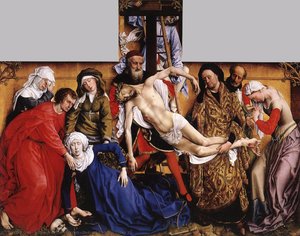
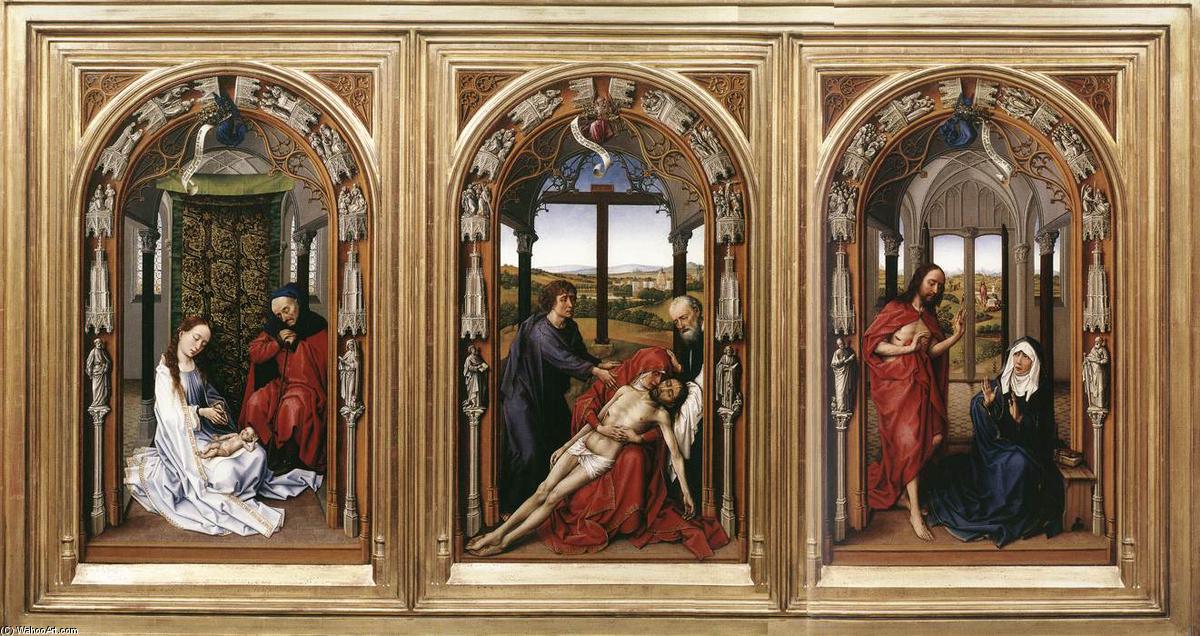
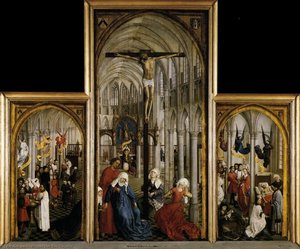
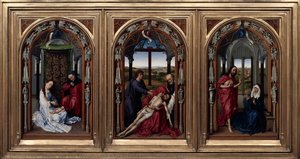
To stand before the Miraflores Altarpiece is to step through a portal into the sacred heart of the fifteenth century. Created around 1440 by the Flemish Master Rogier van der Weyden, this extraordinary triptych is far more than a mere religious relic; it is a profound psychological landscape rendered in oil and oak. The work serves as a chronological meditation on the life of the Virgin Mary, weaving together the tender moments of the Holy Family with the harrowing gravity of the Pietà. Through his unparalleled ability to marry meticulous anatomical precision with deep, spiritual pathos, van der Weyden invites the viewer into an intimate dialogue with the divine, making the distant biblical past feel startlingly present and vibrantly alive.
The composition unfolds across three panels, each a window into a different stage of devotion. In one movement, we witness the serene joy of the Nativity; in another, the heartbreaking stillness of Christ’s death; and finally, the triumphant promise of the Resurrection. This narrative flow is not merely instructional but emotional, designed to guide the soul through the spectrum of human experience—from the soft glow of new life to the heavy shadows of grief. For the discerning collector or designer, this piece offers a centerpiece of immense gravity, bringing a sense of historical continuity and quiet contemplation to any curated space.
The Alchemy of Early Netherlandish Mastery
What truly distinguishes van der Weyden’s technique is his revolutionary approach to the medium of oil. Moving beyond the stylized flatness of his predecessors, he utilized a sophisticated method of applying thin, translucent glazes over a prepared surface of bole. This painstaking layering process allowed light to penetrate the paint and reflect back from within, creating a luminous, inner radiance that seems to emanebate from the figures themselves. This technique is particularly evident in the way he renders the heavy, sculptural folds of Mary’s garments and the delicate, porcelain-like skin of the Christ child.
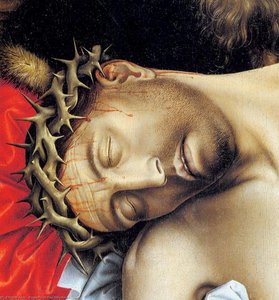
His mastery extends into the realm of human anatomy, where he moved away from symbolic icons toward a visceral realism. By studying the subtle tension of musculature and the precise architecture of bone, he achieved a level of lifelike detail that was unprecedented in the 1440s. Every tear, every fold of fabric, and every glint of light on a jewel is rendered with a jeweler's precision—a skill likely inherited from his early training as a goldsmith. This dedication to texture and form ensures that a high-quality reproduction of this work retains its tactile depth, capturing the interplay of light and shadow that defines the Northern Renaissance aesthetic.
Symbolism and the Language of Devotion
Every element within the Miraflores Altarpiece is imbued with a secondary layer of theological meaning. The artist employs a rich vocabulary of symbols to communicate complex truths to the faithful. The vibrant use of reds, whites, and blues is not merely an aesthetic choice but a symbolic one, representing passion, purity, and the celestial realm, respectively. Even the architectural details—the rounded Gothic arches and intricate tracery that frame each scene—serve to elevate the earthly narrative into a heavenly court.
The emotional impact of the work lies in its ability to bridge the gap between the monumental and the intimate. While the subject matter is grand and theological, the expressions are deeply human. The sorrowful gaze of the Virgin or the serene countenance of Jesus provides an entry point for any viewer, regardless of their familiarity with the period. For those seeking to incorporate art into a sophisticated interior, the Miraflores Altarpiece offers a rare combination: it is a masterpiece of historical significance that functions as a profound emotional anchor, providing a sense of peace, reverence, and timeless elegance.
関連作品
アーティストの略歴
ロギエ・ファン・デル・ヴェイデン:感情表現の巨匠
1400年頃、現在のベルギー、トゥルネーで生まれたロギエ・ファン・デル・ヴェイデン(Roger de la Pasture)は、初期フランドル絵画における最も重要な芸術家の一人として、その名を知られています。彼の作品は主に宗教的な三連祭壇画や肖像画で構成されており、その繊細な感情表現と卓越した技術は、当時のヨーロッパの美術に大きな影響を与えました。幼少期に関する情報はほとんど残されていませんが、金細工職人の息子として生まれ、その精密さと美への感性は、後の絵画作品にも色濃く反映されています。トゥルネーで芸術家としてのキャリアをスタートさせ、ロバート・カンピンの工房で修行を経て、独自のスタイルを確立していきました。
ブルゴーニュ宮廷での隆盛と革新
1435年、ファン・デル・ヴェイデンはブルゴーニュ公フィリップ善良公に仕えるようになり、宮廷画家としての地位を確立しました。この庇護のもとで、彼はより洗練された芸術的ビジョンを追求し、初期フランドル絵画の伝統を受け継ぎながらも、感情表現の深さと自然主義的な描写を重視する独自のスタイルを開発していきました。彼の作品は単なる宗教画ではなく、登場人物の内面にある感情や苦悩を鮮やかに描き出し、鑑賞者に深い感動を与えました。特に、聖ルカがマリアを描く場面や、哀悼の場面における悲しみと絶望の表現は、当時の絵画には見られなかった革新的な試みであり、後の芸術家たちに大きな影響を与えました。
感情と自然主義:ヴェイデンの芸術的特徴
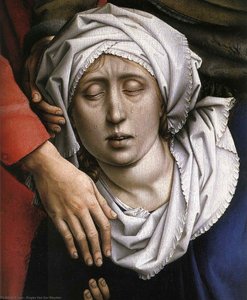
ファン・デル・ヴェイデンの作品を特徴づけるのは、その卓越した感情表現です。彼は登場人物の表情や身振りを通して、喜び、悲しみ、絶望といった様々な感情を繊細に描き出しました。例えば、『哀悼』におけるマリアの涙は、単なる描写にとどまらず、人間の苦悩と信仰の深さを象徴するものであり、鑑賞者の心に深く響きます。また、彼の作品には自然主義的な描写も見られます。人物の肌の色や質感、衣服の素材感など、細部に至るまで緻密な観察眼が反映されており、まるで生きているかのようなリアリティを生み出しています。彼は油彩技法を巧みに使いこなし、透明感のある色彩と光の表現によって、作品に奥行きと立体感を付与しました。
後世への影響と遺産
ファン・デル・ヴェイデンの作品は、当時のヨーロッパ各地で高く評価され、イタリアやスペインなどにも多くの作品が輸出されました。彼の革新的な感情表現と自然主義的な描写は、後の芸術家たちに大きな影響を与え、特にイタリアのルネサンス美術には、その足跡を見ることができます。しかし、17世紀以降、彼の作品は一時的に忘れ去られてしまいますが、19世紀に入り、再評価が進み、現在では初期フランドル絵画を代表する芸術家の一人として、世界中で愛されています。彼の三連祭壇画や肖像画は、美術史における重要な遺産であり、その感情豊かな表現と卓越した技術は、今なお多くの人々を魅了し続けています。
主要作品
ファン・デル・ヴェイデンの代表的な作品としては、『聖ルカがマリアを描く』、『哀悼』、『降下』などが挙げられます。『哀悼』は、彼の感情表現の深さを最もよく示す作品の一つであり、その劇的な構図と登場人物の表情は、鑑賞者の心を揺さぶります。また、『降下』は、彼の卓越した技術力と宗教的テーマに対する深い理解を示す作品であり、フランドル絵画の最高傑作の一つとして知られています。
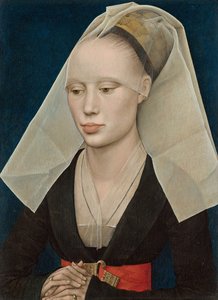
ロジェ・ヴァン・デル・ウェイデン
1400 - 1464 , ベルギー
基本情報
- フルネーム: ロギエ・ファン・デル・ウェーデン
- 主な作品:
- 聖ルカ像
- 哀悼
- 降下
- 受胎告知
- ブラデリン三連祭壇画
- 出生地: トゥルネ (ベルギー)
- 国籍: ベルギー
- 影響を与えた芸術家:
- イタリア・ルネサンス
- スペイン絵画
- 影響を受けた芸術家:
- ロベルト・カンピン
- ヤン・ファン・エイク
- 生年月日: 1399年または1400年頃
- 芸術運動: 初期フランドル絵画
関連記事
Early Netherlandish Masters: 10 Paintings That Revolutionized Art & Decor
Journey into the Early Netherlandish Renaissance! Explore 10 iconic paintings by Jan van Eyck, Rogier van der Weyden & more. Discover stunning detail, symbolism, and oil painting techniques. Find museum-quality art reproductions for your home at ArtsDot.com.

Early Netherlandish Masters: 10 Paintings That Revolutionized Art & Decor
Journey into the world of Early Netherlandish painting! Explore 10 masterpieces by Jan van Eyck, Rogier van der Weyden & more. Discover stunning detail, symbolism & Renaissance art for your home decor. Find museum-quality reproductions on ArtsDot.com
Rogier van der Weyden: Emotion, Innovation & the Early Netherlandish Renaissance
Explore the revolutionary art of Rogier van der Weyden, a pivotal figure of the Early Netherlandish Renaissance. Discover his emotional realism, innovative compositions, and lasting impact on painting history.
Hugo van der Goes: Devotion, Innovation & the Psychological Depth of Early Netherlandish Painting
Explore the revolutionary art of Hugo van der Goes – a master of Early Netherlandish painting renowned for his dramatic realism, psychological depth & profound influence on Renaissance artists. Discover his iconic works and lasting legacy.

レンブラント傑作25選:光と影の巨匠、魂を揺さぶる名画の世界 | ArtsDot
レンブラントの傑作25選。光と影の魔術師が描いた魂を揺さぶる名画の世界へ。美術史に残る自画像、夜警、宗教画…ArtsDotで高品質なアートプリントやインテリアアートをお楽しみください。コレクションはこちら→