

 プレビュー
プレビュー
 シェアする
シェアする シェアする
シェアする
 詳細を見る
詳細を見る

 ダウンロード
 似ている作品
 X線調査
X線調査 スライドショー
 統計情報
統計情報The Last Judgment (detail) (19)


 詳細を見る
詳細を見る
オンラインプレビューをはるかに凌ぐ、高解像度で鮮明なデジタル画像をご購入いただけます。
各ファイルは、社内の専門家が高度なツールと熟練した手作業によるレタッチを用いて、細心の注意を払って準備されています。すべての画像において、卓越した鮮明度、正確な色彩再現性、そして繊細なディテールを保証いたします。
最終ファイルは、プロフェッショナルな編集・印刷環境ですぐにご利用いただけるよう最適化された状態で、72時間以内にメールにてお届けいたします。これは、一流のデザインスタジオ、出版社、ギャラリーから信頼されているものと同等の品質です。
デジタルアート
個人での鑑賞、印刷、クリエイティブなプロジェクト用に、高解像度ファイルをダウンロードできます。 ( プリント版に切り替え 手描きの絵画を購入)
デジタル画像のご注文に付随する特典
高品質なデジタル画像配信を、確かな品質で。
ArtsDot.com を選ぶことは、単に画像を手に入れることではありません。それは、プロの手によって精密に仕上げられ、満足保証が付いた高品質なデジタルアートワークを受け取ることを意味します。ご注文いただいた際に自動的に付随する内容は、以下の通りです:

メールですぐにお届け
ご注文から72時間以内に、高解像度のデジタル画像ファイルがメールでお手元に届きます。すぐにそのままご利用いただけます。

AI技術で最適化されたデジタルファイル
お客様の作品は、高度なAIツールと専門家による手作業の編集を組み合わせてプロフェッショナルに最適化されており、細部のディテール、鮮明さ、そして正確な色再現性を最大限に引き出しています。

一生涯無料の再送サービス
ファイルを誤って削除したり、紛失してしまったりしましたか?ご安心ください。いつでも無料で再送いたします。

輸入手数料は一切かかりません
関税や手数料、配送料を気にすることなく、お気に入りのアートワークをすぐにお楽しみいただけます。デジタルダウンロードは常に免税です。

色彩再現の保証
プロ仕様のツールとカラーマネジメント技術を用いることで、デジタル画像が元の色を最大限に忠実に再現することを保証いたします。

100日間満足保証
ご購入いただいたデジタル画像にご満足いただけない場合は、100日以内であれば、理由を問わず修正または100%の返金対応をさせていただきます。

100% 返金保証
ご満足いただけない場合は、デジタルファイルを受け取ってから100日以内であれば、理由を問わず全額返金いたします。

まとめ買い割引
3枚購入で10%OFF - 5枚購入で15%OFF - 10枚以上購入で20%OFF。クリエイティブなプロジェクト、ギャラリー、エージェンシーに最適です。
A Masterpiece of Medieval Drama: Unveiling Rogier van der Weyden’s “The Last Judgment”
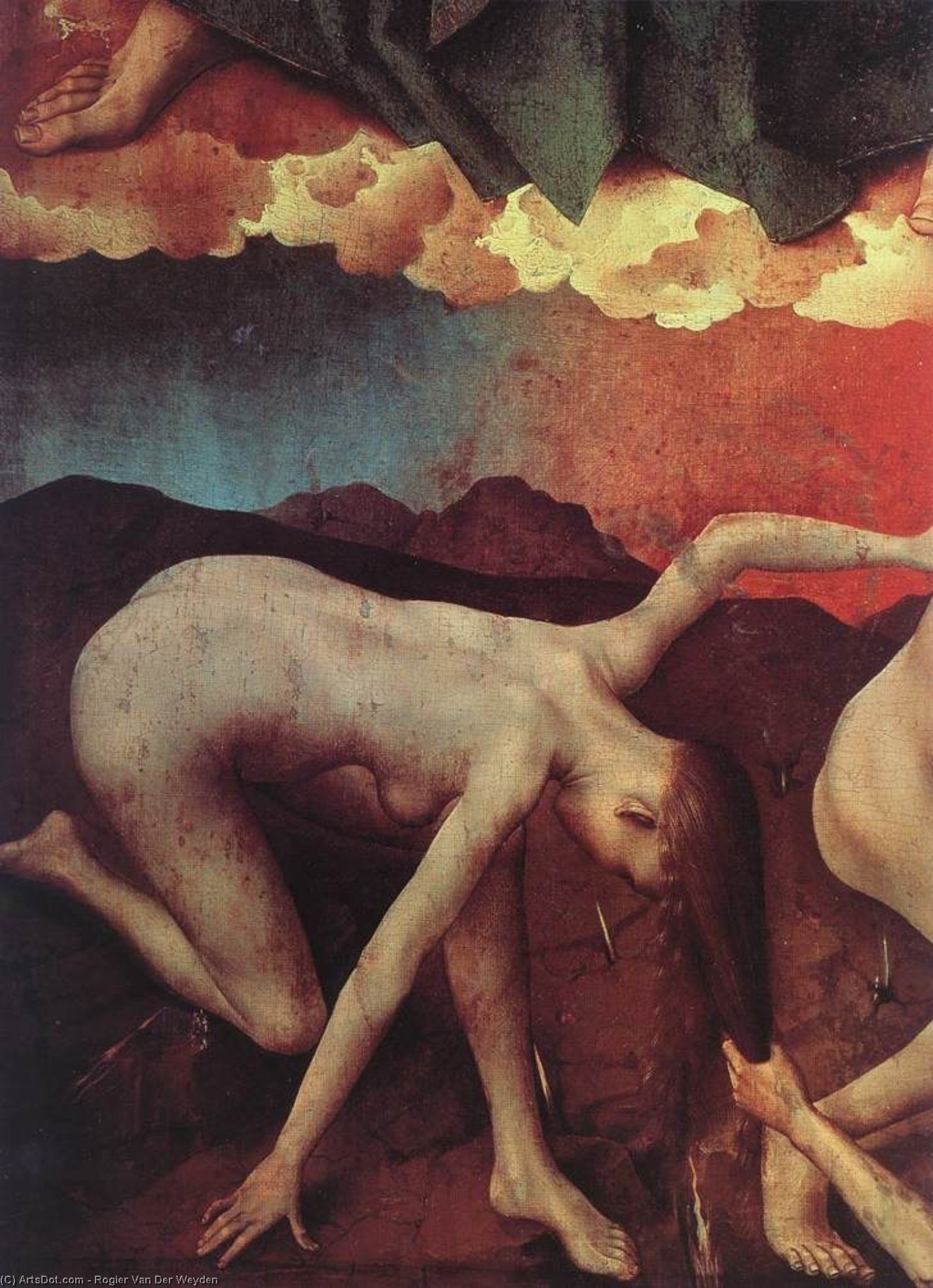
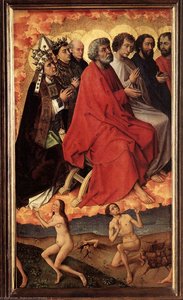
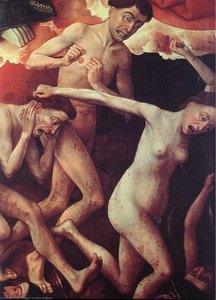
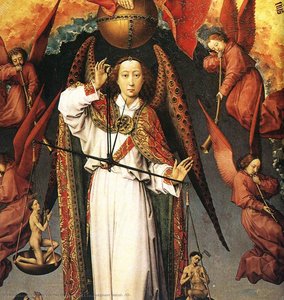
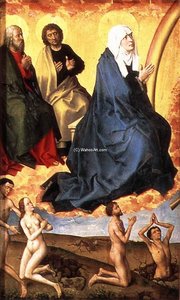
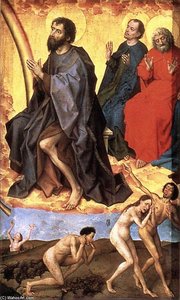
Rogier van der Weyden's "The Last Judgment," a detail from his monumental 1446 painting, isn’t merely a depiction of biblical narrative; it’s a visceral exploration of human emotion and the weighty consequences of earthly actions. Born in Tournai around 1400, Van der Weyden wasn’t simply a painter; he was a goldsmith first, an experience that instilled within him an unparalleled dedication to meticulous detail and a profound understanding of texture and light – qualities that would become instantly recognizable in his religious works. This background informed every brushstroke, imbuing the scene with a startling realism and emotional intensity rarely seen in contemporary art. The painting itself, originally part of a larger altarpiece commissioned for the Beaune Cathedral, captures a pivotal moment: Christ’s ascension to judge humanity, a scene brimming with sorrow, fear, and the promise of eternal reward or damnation.
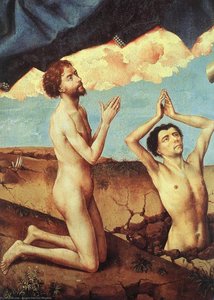
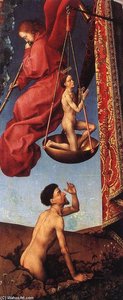
The detail presented here focuses on the immediate aftermath of Christ's descent – a chaotic tableau of souls being drawn towards their final destination. Mary Magdalene kneels at his feet, her face etched with grief and humility, while figures in various states of mourning and witnessing surround them. The composition is dominated by a dramatic interplay of light and shadow, characteristic of Van der Weyden’s style, which he honed through years of studying the works of Jan van Eyck. Notice how the rich reds of Christ's robe contrast sharply with the somber blues and purples that envelop the scene, drawing the eye to the central figure and amplifying the emotional weight of the event. The mountains in the background aren’t merely a backdrop; they create a sense of depth and grandeur, underscoring the scale of this cosmic judgment.
The Language of Emotion: Van der Weyden's Innovative Approach
What distinguishes “The Last Judgment” is not simply its technical brilliance – though that’s undeniable. It’s the raw emotionality conveyed through Van der Weyden’s masterful use of human form. He moved beyond the stylized representations common in earlier religious art, opting instead for a level of naturalism previously unseen. His figures aren't idealized; they are flawed, vulnerable, and deeply affected by the events unfolding before them. The subtle shifts in expression – the furrowed brows, the downcast eyes, the outstretched hands – communicate a spectrum of emotions with remarkable subtlety. This focus on individual psychology was revolutionary for its time, reflecting Van der Weyden’s belief that art should not merely depict religious truth but also evoke a profound emotional response in the viewer.
Consider Mary Magdalene's posture: her head bowed in sorrow, her hands clasped together in supplication. Her expression is one of utter humility and acceptance, suggesting a deep understanding of her own sinfulness. Conversely, the figures on the right – those destined for damnation – are depicted with a sense of anguish and despair. The artist’s ability to capture these nuanced emotional states is what elevates “The Last Judgment” beyond a simple illustration of biblical narrative; it becomes a powerful meditation on human morality and the consequences of our choices.
Symbolism and Historical Context
Beyond its immediate depiction, "The Last Judgment" is rich in symbolic meaning. The presence of Christ as the central figure underscores his role as judge and savior. The figures ascending to his right represent those who will be saved, while those descending to his left are destined for eternal punishment. The inclusion of Mary Magdalene, a symbol of repentance and redemption, highlights the possibility of forgiveness through faith. The painting was created during a period of intense religious fervor in Europe, as the Church sought to reaffirm its authority and combat heresy. Van der Weyden’s work reflects this climate of piety and anxiety, capturing the profound sense of uncertainty and spiritual struggle that characterized the era.
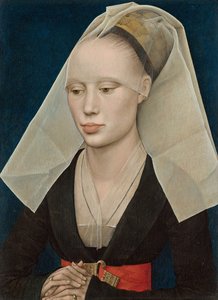
Furthermore, it's important to note that Van der Weyden was a highly sought-after artist in his time, working for wealthy patrons across Europe. His portraits, such as “Portrait of a Lady,” demonstrate his skill at capturing individual character and personality – a talent he brought to bear on this monumental religious work. The influence of earlier works, particularly those of Jan van Eyck and the tradition of depictions of the Last Judgment in Pisa, is evident in Van der Weyden’s composition and style, yet he ultimately forged his own distinctive artistic voice.
Bringing “The Last Judgment” to Your Space: A Hand-Painted Reproduction
ArtsDot offers meticulously crafted hand-painted reproductions of Rogier van der Weyden's "The Last Judgment" detail. Each reproduction is created by skilled artists using traditional techniques, ensuring that the painting’s rich colors, intricate details, and emotional depth are faithfully preserved. Whether you’re an art collector, a design enthusiast, or simply someone seeking to add a touch of timeless beauty to your home or office, our reproductions provide a stunning way to experience this masterpiece firsthand. Explore our collection today and bring the drama and spirituality of “The Last Judgment” into your world.
関連作品
作家の略歴
ロギエ・ファン・デル・ヴェイデン:感情表現の巨匠
1400年頃、現在のベルギー、トゥルネーで生まれたロギエ・ファン・デル・ヴェイデン(Roger de la Pasture)は、初期フランドル絵画における最も重要な芸術家の一人として、その名を知られています。彼の作品は主に宗教的な三連祭壇画や肖像画で構成されており、その繊細な感情表現と卓越した技術は、当時のヨーロッパの美術に大きな影響を与えました。幼少期に関する情報はほとんど残されていませんが、金細工職人の息子として生まれ、その精密さと美への感性は、後の絵画作品にも色濃く反映されています。トゥルネーで芸術家としてのキャリアをスタートさせ、ロバート・カンピンの工房で修行を経て、独自のスタイルを確立していきました。
ブルゴーニュ宮廷での隆盛と革新
1435年、ファン・デル・ヴェイデンはブルゴーニュ公フィリップ善良公に仕えるようになり、宮廷画家としての地位を確立しました。この庇護のもとで、彼はより洗練された芸術的ビジョンを追求し、初期フランドル絵画の伝統を受け継ぎながらも、感情表現の深さと自然主義的な描写を重視する独自のスタイルを開発していきました。彼の作品は単なる宗教画ではなく、登場人物の内面にある感情や苦悩を鮮やかに描き出し、鑑賞者に深い感動を与えました。特に、聖ルカがマリアを描く場面や、哀悼の場面における悲しみと絶望の表現は、当時の絵画には見られなかった革新的な試みであり、後の芸術家たちに大きな影響を与えました。
感情と自然主義:ヴェイデンの芸術的特徴
ファン・デル・ヴェイデンの作品を特徴づけるのは、その卓越した感情表現です。彼は登場人物の表情や身振りを通して、喜び、悲しみ、絶望といった様々な感情を繊細に描き出しました。例えば、『哀悼』におけるマリアの涙は、単なる描写にとどまらず、人間の苦悩と信仰の深さを象徴するものであり、鑑賞者の心に深く響きます。また、彼の作品には自然主義的な描写も見られます。人物の肌の色や質感、衣服の素材感など、細部に至るまで緻密な観察眼が反映されており、まるで生きているかのようなリアリティを生み出しています。彼は油彩技法を巧みに使いこなし、透明感のある色彩と光の表現によって、作品に奥行きと立体感を付与しました。
後世への影響と遺産
ファン・デル・ヴェイデンの作品は、当時のヨーロッパ各地で高く評価され、イタリアやスペインなどにも多くの作品が輸出されました。彼の革新的な感情表現と自然主義的な描写は、後の芸術家たちに大きな影響を与え、特にイタリアのルネサンス美術には、その足跡を見ることができます。しかし、17世紀以降、彼の作品は一時的に忘れ去られてしまいますが、19世紀に入り、再評価が進み、現在では初期フランドル絵画を代表する芸術家の一人として、世界中で愛されています。彼の三連祭壇画や肖像画は、美術史における重要な遺産であり、その感情豊かな表現と卓越した技術は、今なお多くの人々を魅了し続けています。
主要作品
ファン・デル・ヴェイデンの代表的な作品としては、『聖ルカがマリアを描く』、『哀悼』、『降下』などが挙げられます。『哀悼』は、彼の感情表現の深さを最もよく示す作品の一つであり、その劇的な構図と登場人物の表情は、鑑賞者の心を揺さぶります。また、『降下』は、彼の卓越した技術力と宗教的テーマに対する深い理解を示す作品であり、フランドル絵画の最高傑作の一つとして知られています。
ロジェ・ヴァン・デル・ウェイデン
1400 - 1464 , ベルギー
プロフィール概要
- フルネーム: ロギエ・ファン・デル・ウェーデン
- 主な作品:
- 聖ルカ像
- 哀悼
- 降下
- 受胎告知
- ブラデリン三連祭壇画
- 出生地: トゥルネ (ベルギー)
- 国籍: ベルギー
- 影響を与えた芸術家:
- イタリア・ルネサンス
- スペイン絵画
- 影響を受けた芸術家:
- ロベルト・カンピン
- ヤン・ファン・エイク
- 生年月日: 1399年または1400年頃
- 芸術運動: 初期フランドル絵画