

 プレビュー
プレビュー
 プリントを購入
 シェアする
シェアする シェアする
シェアする
 詳細を見る
詳細を見る

 ダウンロード
 似ている作品
 X線調査
X線調査 スライドショー
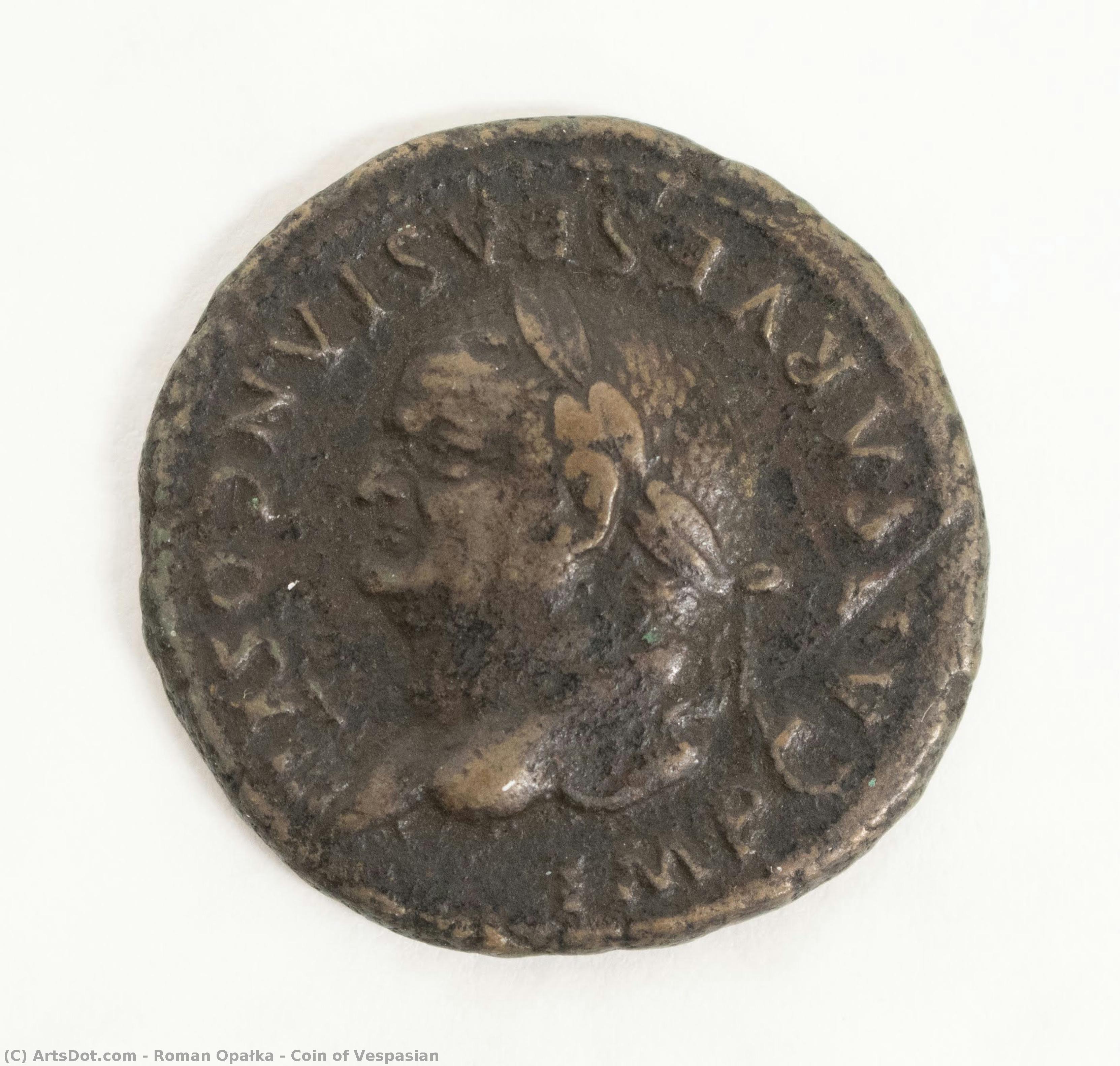
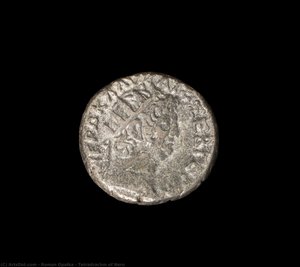
Coin of Vespasian


 詳細を見る
詳細を見る
オンラインプレビューをはるかに凌ぐ、高解像度で鮮明なデジタル画像をご購入いただけます。
各ファイルは、社内の専門家が高度なツールと熟練した手作業によるレタッチを用いて、細心の注意を払って準備されています。すべての画像において、卓越した鮮明度、正確な色彩再現性、そして繊細なディテールを保証いたします。
最終ファイルは、プロフェッショナルな編集・印刷環境ですぐにご利用いただけるよう最適化された状態で、72時間以内にメールにてお届けいたします。これは、一流のデザインスタジオ、出版社、ギャラリーから信頼されているものと同等の品質です。
デジタル画像のご注文に付随する特典
高品質なデジタル画像配信を、確かな品質で。
ArtsDot.com を選ぶことは、単に画像を手に入れることではありません。それは、プロの手によって精密に仕上げられ、満足保証が付いた高品質なデジタルアートワークを受け取ることを意味します。ご注文いただいた際に自動的に付随する内容は、以下の通りです:

メールですぐにお届け
ご注文から72時間以内に、高解像度のデジタル画像ファイルがメールでお手元に届きます。すぐにそのままご利用いただけます。

AI技術で最適化されたデジタルファイル
お客様の作品は、高度なAIツールと専門家による手作業の編集を組み合わせてプロフェッショナルに最適化されており、細部のディテール、鮮明さ、そして正確な色再現性を最大限に引き出しています。

一生涯無料の再送サービス
ファイルを誤って削除したり、紛失してしまったりしましたか?ご安心ください。いつでも無料で再送いたします。

輸入手数料は一切かかりません
関税や手数料、配送料を気にすることなく、お気に入りのアートワークをすぐにお楽しみいただけます。デジタルダウンロードは常に免税です。

色彩再現の保証
プロ仕様のツールとカラーマネジメント技術を用いることで、デジタル画像が元の色を最大限に忠実に再現することを保証いたします。

60日間満足保証
ご購入いただいたデジタル画像にご満足いただけない場合は、60日以内であれば、修正または100%の返金(理由を問う必要はありません)をさせていただきます。

100% 返金保証
ご満足いただけない場合は、デジタルファイルを受け取ってから60日以内であれば、理由を問わず全額返金いたします。

まとめ買い割引
3枚購入で10%OFF - 5枚購入で15%OFF - 10枚以上購入で20%OFF。クリエイティブなプロジェクト、ギャラリー、エージェンシーに最適です。
作品の詳細
The Enduring Echoes of Vespasian: Roman Opałka’s Coin of Antiquity
Roman Opałka's "Coin of Vespasian" isn’t merely a depiction of an ancient artifact; it’s a profound meditation on time, legacy, and the relentless march of history. This meticulously rendered reproduction captures not just the physical form of a Roman denarius bearing the image of Emperor Vespasian, but also the weight of centuries – the subtle erosion, the muted hues, and the palpable sense of a civilization long past. The original coin, likely dating from around 69-79 AD, served as a vital tool of governance and propaganda, yet Opałka transforms it into something far more contemplative, inviting us to consider its journey through time and its enduring symbolic power.
Opałka’s approach is fundamentally conceptual. He wasn't interested in replicating the coin with photographic precision; instead, he sought to distill its essence – its materiality, its historical context, and the inherent narrative embedded within its surface. The photograph itself becomes a record of this process, a testament to Opałka’s deliberate choices regarding lighting, texture, and composition. The diffused light softens the harshness of age, revealing the intricate details of the coin's design – the regal portrait of Vespasian, the stylized laurel wreath, and the carefully inscribed lettering that proclaims his authority. The subtle variations in tone across the metal’s surface speak to the uneven wear inflicted by countless hands over millennia, a silent chronicle of its circulation through Roman society.
A Window into Imperial Rome: Symbolism and Historical Context
The "Coin of Vespasian" is more than just a portrait; it's a miniature emblem of imperial power. Vespasian himself was a pivotal figure in the tumultuous years following Nero’s death, ushering in a period of relative stability after decades of chaos. The coin served as a crucial instrument for disseminating his image and reinforcing his legitimacy – a tangible representation of authority projected across the vast Roman Empire. The imagery itself is laden with symbolism: the laurel wreath signifies victory and honor, while Vespasian’s stern gaze conveys strength and resolve. These elements were carefully chosen to project an image of competence and stability, essential for maintaining control over a sprawling territory.
Beyond its immediate political function, the coin offers a glimpse into Roman society – its artistic conventions, its monetary system, and its methods of communication. The meticulous detail evident in Vespasian’s portrait reflects the high standards of Roman craftsmanship, while the inscription provides valuable information about the emperor's reign and his place within the imperial lineage. Studying this coin allows us to connect with a distant past, imagining the bustling marketplaces where it was exchanged, the legions that carried it into battle, and the everyday lives of the people who relied upon it.
The Artist’s Process: A Serialized Meditation on Time
Roman Opałka's artistic practice is defined by its systematic rigor. He famously embarked on a project in 1965 – “OPALKA 1965/1 – ∞” – involving the painstaking painting of numbers from one to infinity, using a small brush and a consistent technique. The "Coin of Vespasian" exemplifies this approach; it’s not simply a photograph of an existing coin but rather a carefully considered representation informed by Opałka's broader conceptual framework. The meticulous attention to detail—the precise placement of each numeral, the subtle variations in tone—reflects his commitment to creating works that are both visually engaging and intellectually stimulating.
Opałka’s work is often described as “conceptual,” emphasizing the idea behind the artwork rather than its aesthetic qualities. He sought to explore fundamental questions about time, identity, and the nature of existence through a process of relentless repetition and systematic observation. The "Coin of Vespasian" serves as a microcosm of this larger project – a tangible manifestation of Opałka’s ongoing meditation on infinity and the human condition.
Bringing History Home: Reproductions and Interior Design
A high-quality reproduction of Roman Opałka's “Coin of Vespasian” offers a unique opportunity to bring a piece of ancient history into your home or office. The artwork’s muted palette and textured surface lend themselves beautifully to a variety of interior design styles, from classic and traditional to contemporary and minimalist. Its subtle details invite contemplation and spark conversation, making it an ideal addition to any space where you appreciate art, history, and the enduring legacy of human civilization.
ArtsDot offers meticulously crafted reproductions that faithfully capture the essence of Opałka’s original work, ensuring that you receive a piece of art that is both visually stunning and historically significant. Consider this artwork not just as decoration but as a portal to the past – a reminder of the enduring power of Roman artistry and the timeless questions it raises about our own place in history.
関連作品


作家の略歴
数え続けることに捧げられた生涯:ロマン・オパルカの比類なきヴィジョン
1931年、フランスのアブヴィル=サン=リュシアンにてポーランド人の両親のもとに生まれたロマン・オパルカは、既存の枠組みを拒絶するような芸術的旅路へと踏み出しました。流浪の経験と深い哲学的探求に彩られた彼の人生は、最終的に現代美術において最も概念的に厳格でありながら、感情に深く響く作品群を生み出すこととなりました。第二次世界大戦後の1946年、家族と共にポーランドへ帰還したことはオパルカの幼少期に深い影を落とし、アイデンティティ、記憶、そして容赦なく過ぎ去る時間への生涯にわたる探求の原動力となりました。彼は当初、ウッチのグラフィックスクールでリトグラフの修行を積み、その後同校の美術デザイン学部へと進みました。この時期に築かれた基礎が、伝統的な媒体を超越し、概念的な枠組みを受け入れる彼独自のアプローチの土台となったのです。無限の創生:OPALCA 1965/1 – ∞
オパルカのキャリアは、単なるスタイルの直線的な変遷ではなく、芸術的境界に対する絶え間ない問いかけの連続であり、それは彼の遺産を決定づける記念碑的なプロジェクト、OPALKA 1965/1 – ∞へと結実しました。1965年9月1日、彼は「1」から始まる数字を順次描き込んでいくキャンバス制作に身を投じました。純白の背景に対し、黒いインクで描かれた一連の整数。これは単なる数え上げの作業ではありませんでした。それは時間、死、そして人間存在そのものに対する深遠な瞑想だったのです。数字が大きくなるにつれ、それらはキャンバスの端を越えて溢れ出し始めました。それは止まることのない時間の行進と、アーティスト自身の加齢のプロセスを視覚的に象徴していました。この試みの規模は、想像を絶するものです。彼の生前に完成した233点の「ディテール」には、500万を超える数字が含まれています。彼は各段階を細心の注意を払って記録し、描く前に自らがポーランド語で数字を唱える様子を録音することで、視覚、聴覚、そしてパフォーマンスの要素が重なり合う多層的な芸術作品を作り上げました。また、1972年からは、次々と続くキャンバスに1パーセントずつ白を加えていくことで背景を徐々に明るくしていきました。これは時間の経過と、近づきつつある「白と白の地平線」――すなわち無限を象徴する消失点――をより一層強調するものでした。影響と芸術的発展
オパルカの作品はその一見した簡潔さゆえにミニマリズムとしばしば結びつけられますが、それは彼の概念的な探求の深さを覆い隠してしまう単純すぎる解釈です。彼はマルセル・デュシャンから深い影響を受けており、特に伝統的な芸術的慣習を拒絶し、知的な遊び心を受け入れるデュシャンの姿勢に共鳴していました。ダダイズムやシュルレアリスムの精神も、彼の初期の探求の中に響き渡っていました。しかし、オパルカは単に既存の運動を模倣したわけではありません。彼は多様な源泉から独自の道を切り拓いていったのです。初期の作品にはテクスチャや抽象への強い関心が表れており、数字の連鎖という厳格な構造に辿り着く前には、様々な素材や技法を実験的に試みる意欲が見て取れます。彼は「クローム(Chronomes)」と名付けたモノクロームの構成や抽象的なドローイングを探求し、進化し続ける自身の哲学的思想を表現できる視覚言語を絶えず探し求めました。これらの初期の実験こそが、OPALKA 1965/1 – ∞を特徴づける概念的な明晰さと、持続的な献身へと向かうための極めて重要な足掛かりとなったのです。遺産と歴史的意義
2011年のロマン・オパルカの死は、類まれなる芸術的人生の終焉を告げるものでしたが、彼の作品は今なお観る者の心に響き続けています。一見シンプルに見える単一のコンセプトに対する彼の執念的な献身は、芸術的創造に関する従来の概念に挑戦し、死、無限、そして人間存在への力強い瞑想を提示しました。その影響は、反復、連続性、プロセス・ベースのアートを追求する数多くのアーティストの作品の中に見出すことができます。オパたすのプロジェクトは絵画の境界を超越しています。それは哲学的な声明であり、パフォーマンス・アートであり、そして持続する芸術的ヴィジョンの力を証明する証なのです。彼の作品は、時間、アイデンティティ、そしてますます複雑化する世界における意味の探求という現代的な議論において、今なお重要な意義を持ち続けています。インディアナポリス美術館、フィラデルフィア美術館、ポーランドのポモルスキ美術館など、世界中の権威ある機関で展覧会が開催されており、20世紀および21世紀の美術史における重要な人物としての地位を確固たるものにしています。オパルカの遺産は、単なる芸術的革新にとどまりません。それは一つの理念に対する揺るぎない献身の証であり、概念芸術が持つ不朽の力を物語っているのです。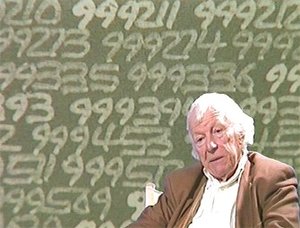
ロマン・オパルカ
1931 - 2011 , フランス
プロフィール概要
- Artistic Movement Or Style: コンセプチュアル・アート
- Artists Or Movements Influenced By This Artist:
- ミニマリズム
- プロセス・ベース・アート
- Artists Who Influenced This Artist: ['マルセル・デュシャン']
- Date Of Birth: 1931年8月27日
- Date Of Death: 2011年8月6日
- Full Name: ロマン・オパルカ
- Nationality: ポーランド系フランス人
- Notable Artworks:
- OPALKA 1965/1 - ∞
- table top
- Relief of a Falling Warrior
- Ornament with Wolf
- Place Of Birth: フランス、アブルヴィル

