 プレビュー
プレビュー
 プリントを購入
 シェアする
シェアする シェアする
シェアする
 詳細を見る
詳細を見る

 ダウンロード
 似ている作品
 X線調査
X線調査 スライドショー
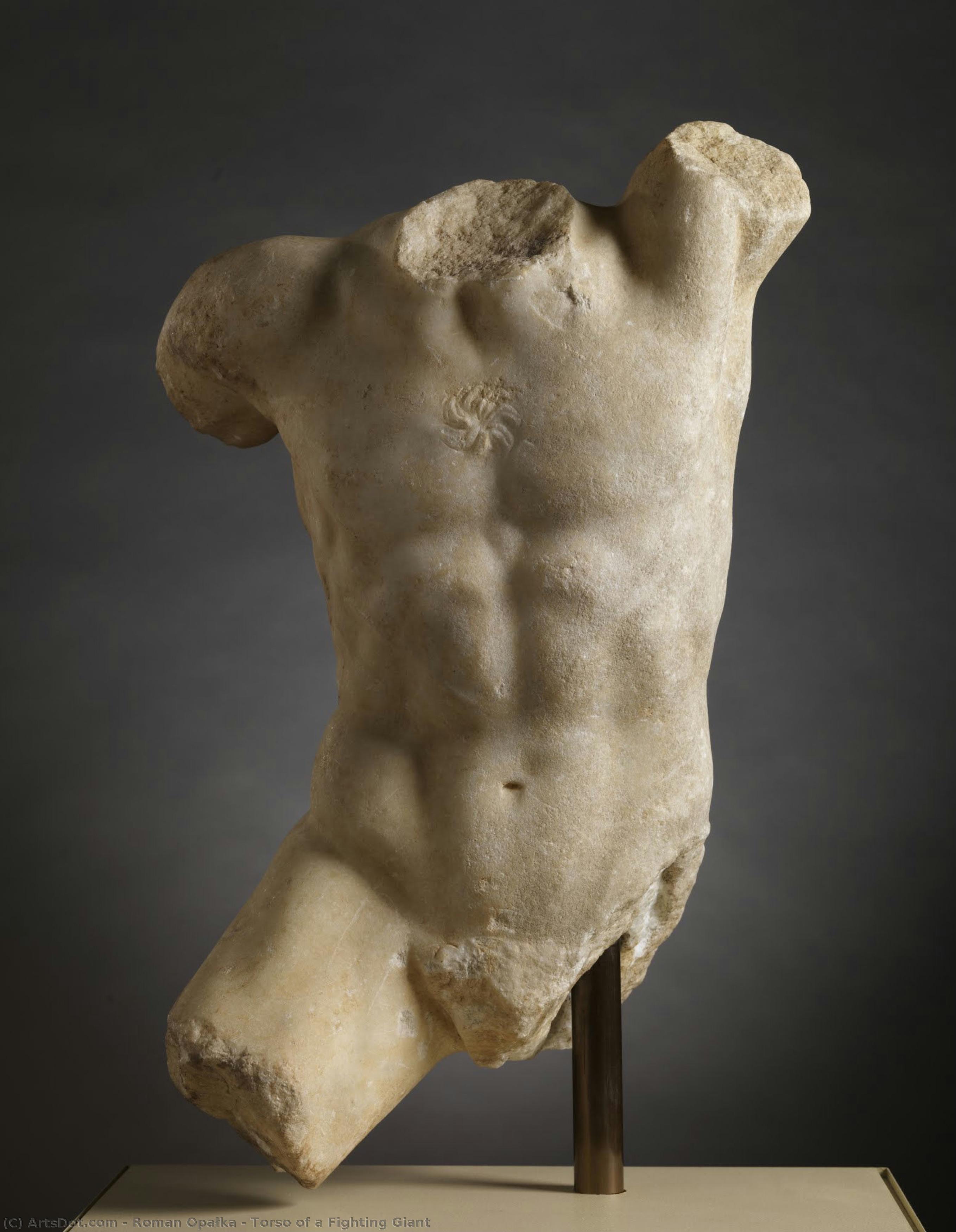
Torso of a Fighting Giant


 詳細を見る
詳細を見る




P118B $10

P118H $10

P118W $10

P438Z $10

P508JH $12

P508YH $12

P805H $10

P805Z $10

P919BZ $10

P919G $10

P919XJ $10

P959ZH $10

P968JZ $12

W106C $8

W218G $10

W218JH $8

W218Y $10

W307PJ $10

W316G $10

W316PJ $8

W316Y $10

W398PJ $8

W4111J $10

W500HY $15

W500JH $15

W692G $12

W849H $8

W940BG $15

W953PJ $8




作品のオリジナル比率に合わせた、当店の規定サイズからお選びください。

特定のフレームやスペースに合わせて、ご希望のサイズをご入力いただけます。選択されたサイズが元の画像の比率と異なる場合、アートワークをトリミングするか、手描きで要素を追加して絵画を拡張いたします。デジタルモックアップ を制作し、制作開始前にご確認(承認)をいただきます。
画面上のプレビューは、実際のトリミングや拡張を正確に反映しているものではありません。最終的な構図は、モックアップによってのみ正確にご確認いただけます。
カスタムサイズもご利用いただけますが、元の比率を維持するためには、あらかじめ用意されたリストからサイズを選択することをお勧めいたします。
ご注文後、ArtsDot.com チームより詳細な指示をお送りするとともに、仕上がりイメージ(モックアップ)をご提供いたします。


 ガラスオプションは、110cm未満のサイズでのみご利用いただけます。

Torso of a Fighting Giant
複製技法
複製画のサイズ
-


合計金額
$ 263
作品解説
Torso of a Fighting Giant: An Infinite Counting Series
Roman Opałka’s “Torso of a Fighting Giant” stands as a testament to minimalist conceptual art and the enduring fascination with time, repetition, and the human form. Created in 1965, this monumental marble sculpture embodies Opałka's signature approach—a relentless pursuit of infinity through meticulously executed detail. The piece isn’t merely aesthetically pleasing; it’s a profound meditation on artistic process and the artist’s relationship to his craft.Material and Technique: Subtracting Form from Stone
The sculpture itself is crafted from Carrara marble, chosen for its purity and ability to capture subtle tonal variations—a deliberate decision reflecting Opałka's desire to strip away extraneous ornamentation and focus solely on the essence of form. The technique employed was subtractive sculpting, where Opałka painstakingly removed material from a larger block of stone using chisels and hammers, guided by precise measurements and an unwavering commitment to accuracy. This painstaking process underscores the artist’s dedication to achieving perfection—a characteristic that defines much of his oeuvre. Careful attention was paid to surface texture, mirroring the natural veining within the marble, which Opałka considered integral to conveying the sculpture's inherent materiality.Historical Context: Minimalism and Conceptual Art
“Torso of a Fighting Giant” emerged during the burgeoning movement of minimalism in 1960s art—a reaction against the expressive excesses of Abstract Expressionism. Opałka’s work aligns with broader philosophical currents exploring concepts like chance, seriality, and the limitations of representation. The sculpture's stark simplicity speaks to a desire to confront viewers with fundamental questions about perception and artistic intention. It embodies the spirit of “Personal Structures Time,” a symposium initiated by René Rietmeyer in 2007, which sought to explore how artists grapple with temporal dimensions through their creative endeavors.Symbolism: The Pursuit of Perfection and Infinite Repetition
Beyond its formal qualities, “Torso of a Fighting Giant” carries symbolic weight—representing Opałka’s lifelong preoccupation with counting and his unwavering belief in the transformative power of repetition. As he famously stated, "All my work is a single thing, the description from number one to infinity," demonstrating an uncompromising dedication to his artistic vision. The sculpture serves as a visual embodiment of this conceptual framework, prompting contemplation on themes of permanence, change, and the artist’s role in capturing fleeting moments—a reflection of Opałka's own life experience.Emotional Impact: Quiet Contemplation and Aesthetic Beauty
Despite its monumental scale, “Torso of a Fighting Giant” exudes an aura of serene stillness—inviting viewers to engage in quiet contemplation and appreciate the sculpture’s understated beauty. The smooth surface of the marble, combined with subtle tonal gradations, creates a tactile experience that transcends mere visual perception. Opałka's meticulous craftsmanship communicates not only technical mastery but also a deep reverence for material qualities—a characteristic that distinguishes his work from more flamboyant artistic expressions. It remains an enduring symbol of minimalist art’s ability to provoke profound emotional responses through sheer aesthetic elegance.関連作品

アーティストの略歴
数え続けることに捧げられた生涯:ロマン・オパルカの比類なきヴィジョン
1931年、フランスのアブヴィル=サン=リュシアンにてポーランド人の両親のもとに生まれたロマン・オパルカは、既存の枠組みを拒絶するような芸術的旅路へと踏み出しました。流浪の経験と深い哲学的探求に彩られた彼の人生は、最終的に現代美術において最も概念的に厳格でありながら、感情に深く響く作品群を生み出すこととなりました。第二次世界大戦後の1946年、家族と共にポーランドへ帰還したことはオパルカの幼少期に深い影を落とし、アイデンティティ、記憶、そして容赦なく過ぎ去る時間への生涯にわたる探求の原動力となりました。彼は当初、ウッチのグラフィックスクールでリトグラフの修行を積み、その後同校の美術デザイン学部へと進みました。この時期に築かれた基礎が、伝統的な媒体を超越し、概念的な枠組みを受け入れる彼独自のアプローチの土台となったのです。無限の創生:OPALCA 1965/1 – ∞
オパルカのキャリアは、単なるスタイルの直線的な変遷ではなく、芸術的境界に対する絶え間ない問いかけの連続であり、それは彼の遺産を決定づける記念碑的なプロジェクト、OPALKA 1965/1 – ∞へと結実しました。1965年9月1日、彼は「1」から始まる数字を順次描き込んでいくキャンバス制作に身を投じました。純白の背景に対し、黒いインクで描かれた一連の整数。これは単なる数え上げの作業ではありませんでした。それは時間、死、そして人間存在そのものに対する深遠な瞑想だったのです。数字が大きくなるにつれ、それらはキャンバスの端を越えて溢れ出し始めました。それは止まることのない時間の行進と、アーティスト自身の加齢のプロセスを視覚的に象徴していました。この試みの規模は、想像を絶するものです。彼の生前に完成した233点の「ディテール」には、500万を超える数字が含まれています。彼は各段階を細心の注意を払って記録し、描く前に自らがポーランド語で数字を唱える様子を録音することで、視覚、聴覚、そしてパフォーマンスの要素が重なり合う多層的な芸術作品を作り上げました。また、1972年からは、次々と続くキャンバスに1パーセントずつ白を加えていくことで背景を徐々に明るくしていきました。これは時間の経過と、近づきつつある「白と白の地平線」――すなわち無限を象徴する消失点――をより一層強調するものでした。影響と芸術的発展
オパルカの作品はその一見した簡潔さゆえにミニマリズムとしばしば結びつけられますが、それは彼の概念的な探求の深さを覆い隠してしまう単純すぎる解釈です。彼はマルセル・デュシャンから深い影響を受けており、特に伝統的な芸術的慣習を拒絶し、知的な遊び心を受け入れるデュシャンの姿勢に共鳴していました。ダダイズムやシュルレアリスムの精神も、彼の初期の探求の中に響き渡っていました。しかし、オパルカは単に既存の運動を模倣したわけではありません。彼は多様な源泉から独自の道を切り拓いていったのです。初期の作品にはテクスチャや抽象への強い関心が表れており、数字の連鎖という厳格な構造に辿り着く前には、様々な素材や技法を実験的に試みる意欲が見て取れます。彼は「クローム(Chronomes)」と名付けたモノクロームの構成や抽象的なドローイングを探求し、進化し続ける自身の哲学的思想を表現できる視覚言語を絶えず探し求めました。これらの初期の実験こそが、OPALKA 1965/1 – ∞を特徴づける概念的な明晰さと、持続的な献身へと向かうための極めて重要な足掛かりとなったのです。遺産と歴史的意義
2011年のロマン・オパルカの死は、類まれなる芸術的人生の終焉を告げるものでしたが、彼の作品は今なお観る者の心に響き続けています。一見シンプルに見える単一のコンセプトに対する彼の執念的な献身は、芸術的創造に関する従来の概念に挑戦し、死、無限、そして人間存在への力強い瞑想を提示しました。その影響は、反復、連続性、プロセス・ベースのアートを追求する数多くのアーティストの作品の中に見出すことができます。オパたすのプロジェクトは絵画の境界を超越しています。それは哲学的な声明であり、パフォーマンス・アートであり、そして持続する芸術的ヴィジョンの力を証明する証なのです。彼の作品は、時間、アイデンティティ、そしてますます複雑化する世界における意味の探求という現代的な議論において、今なお重要な意義を持ち続けています。インディアナポリス美術館、フィラデルフィア美術館、ポーランドのポモルスキ美術館など、世界中の権威ある機関で展覧会が開催されており、20世紀および21世紀の美術史における重要な人物としての地位を確固たるものにしています。オパルカの遺産は、単なる芸術的革新にとどまりません。それは一つの理念に対する揺るぎない献身の証であり、概念芸術が持つ不朽の力を物語っているのです。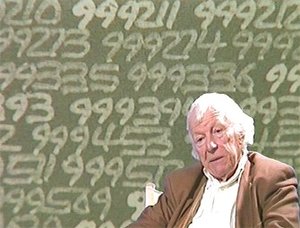
ロマン・オパルカ
1931 - 2011 , フランス
基本情報
- Artistic Movement Or Style: コンセプチュアル・アート
- Artists Or Movements Influenced By This Artist:
- ミニマリズム
- プロセス・ベース・アート
- Artists Who Influenced This Artist: ['マルセル・デュシャン']
- Date Of Birth: 1931年8月27日
- Date Of Death: 2011年8月6日
- Full Name: ロマン・オパルカ
- Nationality: ポーランド系フランス人
- Notable Artworks:
- OPALKA 1965/1 - ∞
- table top
- Relief of a Falling Warrior
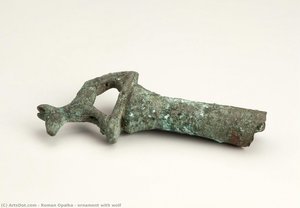
- Ornament with Wolf
- Place Of Birth: フランス、アブルヴィル
関連記事
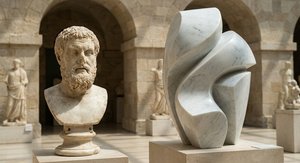
The Enduring Allure of Marble in Art History: From Classical Sculpture to Modern Abstraction
Explore the captivating history of marble sculpture from ancient Greece to modern art. Discover renowned artists like Canova & Michelangelo, carving techniques, and investment insights at ArtsDot.

Bronze Sculptures That Defined Art History | ArtsDot
Journey through art history with our Top 10 bronze sculptures! Explore masterpieces by Rodin, Michelangelo & more. Discover stories behind iconic statues and find museum-quality reproductions for your home decor at ArtsDot.com.

The Enduring Form: Exploring Themes & Techniques in Sculpture Across Historical Periods
Explore the rich history of sculpture from ancient masterpieces to contemporary innovations. Discover key techniques, influential artists & investment potential for discerning art collectors.
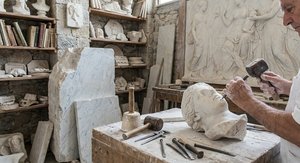
The Enduring Legacy of Marble: A Comprehensive Exploration of Technique, Symbolism & Artistic Expression
Explore the rich history of marble sculpture from antiquity to the Renaissance! Discover key techniques, influential artists & enduring themes in classical art. Expert insights for collectors and enthusiasts at ArtsDot.
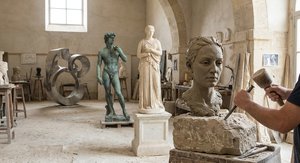
The Enduring Form: Sculpture Across History, Technique & Emotional Resonance
Explore the rich history of sculpture with ArtsDot. Discover key techniques, influential artists & investment potential for discerning collectors. Expert insights into valuing and collecting timeless masterpieces.