 プレビュー
プレビュー
 シェアする
シェアする シェアする
シェアする
 詳細を見る
詳細を見る

 ダウンロード
 似ている作品
 X線調査
X線調査 スライドショー
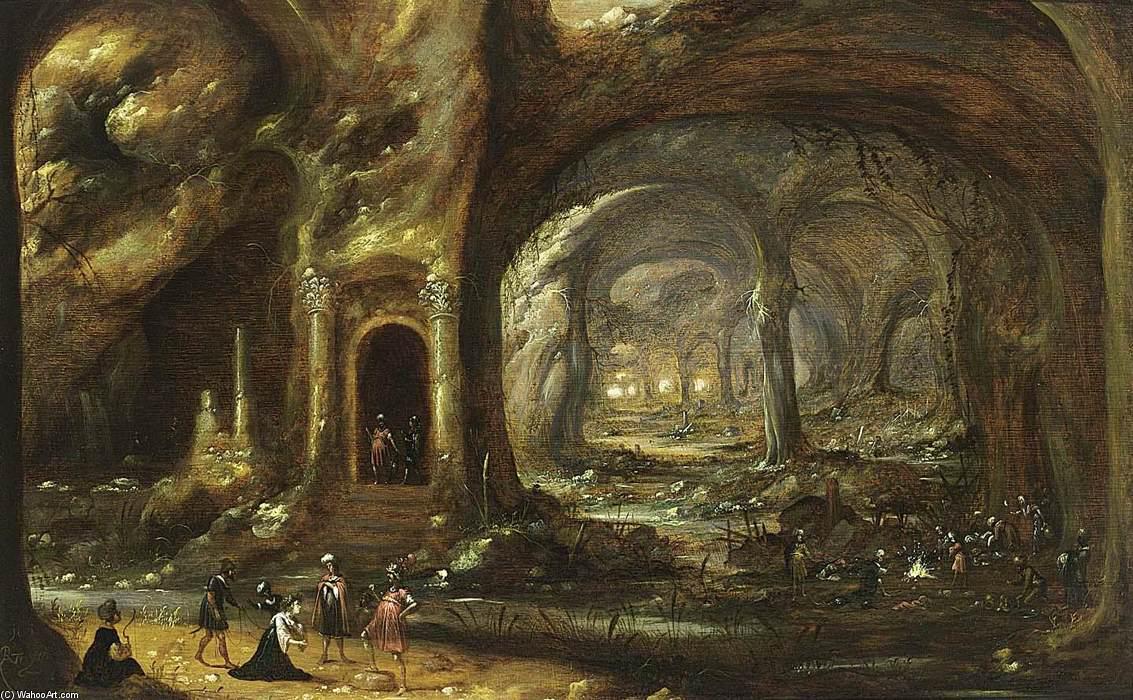
A Cave with Soldiers Capturing a Woman
 1641
1641 34.0 x 53.0 cm
 詳細を見る
詳細を見る
ジークレー/アートプリント
迅速な制作と多彩な仕上げオプションを備えた、ミュージアムクオリティのジークレーまたはキャンバスプリント。 ( 手描きの絵画を購入 画像を購入)




































作品のオリジナル比率に合わせた、当店の規定サイズからお選びください。

特定のフレームやスペースに合わせて、ご自身でサイズを指定することも可能です。選択されたサイズが元の画像の比率と一致しない場合、作品をトリミングするか、鏡面反射または単色での塗りつぶしによって画像を拡張いたします。制作を開始する前に、ご確認用のデジタルモックアップをお送りいたします。
画面上のプレビューには、実際のトリミングや拡張は反映されませんのでご注意ください。最終的な構図を正確に確認できるのは、モックアップのみとなります。
カスタムサイズも承っておりますが、元の比率を維持するためには、あらかじめ用意されたリストからサイズを選択することをお勧めいたします。


 ガラスオプションは、110cm未満のサイズでのみご利用いただけます。

A Cave with Soldiers Capturing a Woman
ジークレー/アートプリント
複製画のサイズ
-


合計金額
$ 62
作品詳細説明
Composition and Style
The painting features a group of soldiers capturing a woman in a cave-like environment, with natural rock formations and subdued lighting. The use of earth tones and the attention to detail in the textures of the rocks and clothing add to the realistic quality of the work. The composition is balanced, with the figures positioned centrally, drawing the viewer's eye into the scene. Baroque period influences are evident in the painting, characterized by dramatic use of light and shadow. Rombout Van Troyen's style is reminiscent of other notable artists of the time, such as Peter Paul Rubens, who was known for his skill in capturing human emotion and interaction.Artist and Museum Information
Rombout Van Troyen was a Dutch painter born in 1605 in Amsterdam. He studied and worked under various artists, including Giacomo Pavia, before establishing himself as a prominent artist of the Baroque period. The Museum Santa Maria Maddalena Pian Di Mugnone, Italy features an impressive collection of artworks, including pieces by notable artists such as Rombout Van Troyen and Peter Paul Rubens.- View more paintings by Rombout Van Troyen on ArtsDot.com
- Learn more about the artist and his works on Wikipedia
The painting A Cave with Soldiers Capturing a Woman is a significant work by Rombout Van Troyen, showcasing his skill in depicting dramatic scenes and his mastery of light and shadow. As a prominent artist of the Baroque period, his works continue to captivate art enthusiasts and inspire new generations of artists.
関連作品

アーティストの略歴
A Master of Ruin and Shadow: The Life and Art of Rombout van Troyen
Rombout van Troyen, a name perhaps less instantly recognizable than some of his Dutch Golden Age contemporaries, nevertheless occupies a fascinating niche within the pantheon of 17th-century painters. Born around 1605 in Amsterdam, Van Troyen dedicated his career to crafting evocative landscapes and architectural scenes—a curious pursuit for an artist who, as historical accounts suggest, never actually set foot in Italy, the very source of inspiration for his most celebrated works. His paintings are not depictions of observed reality but rather meticulously constructed fantasies, born from a deep study of other artists’ interpretations of the Italian countryside and a remarkable talent for atmospheric effect.Early Training and Artistic Development
Van Troyen's artistic journey began around 1615 with a seven-year apprenticeship under Jan Pynas, a respected painter in Amsterdam known for his landscapes and history paintings. This formative period proved crucial to Van Troyen’s development. Pynas introduced him to the traditions of Adam Elsheimer, a German artist whose small-scale, intensely detailed landscapes had a profound impact on Dutch painting. Elsheimer's influence is visible in Van Troyen’s early works—a penchant for dramatic lighting and a focus on classical ruins as symbols of time’s passage and human mortality. However, while Pynas provided the initial foundation, Van Troyen quickly began to forge his own distinctive style, moving beyond simple imitation towards a more complex and emotionally resonant vision. He absorbed influences from other sources too, developing a unique blend that would define his oeuvre.The Italianate Landscape: A World Imagined
Van Troyen specialized in what became known as the “Italianate landscape”—scenes depicting the rolling hills, crumbling palaces, and sun-drenched grottos of Italy. These paintings were immensely popular during the Dutch Golden Age, appealing to a growing merchant class eager to display their sophistication and worldliness. Yet, Van Troyen’s approach differed from many of his contemporaries. He wasn't interested in recreating specific Italian locations; instead, he constructed idealized visions—landscapes populated with classical architecture, often bathed in a melancholic light. His scenes are frequently characterized by a sense of drama and mystery, achieved through the skillful use of chiaroscuro – the dramatic contrast between light and shadow. The Burning of Troy, for example, exemplifies this approach, depicting a historical event within a shadowy, expansive setting that heightens tension and emotion. His compositions often feature numerous figures engaged in various activities, adding narrative depth to his landscapes.Technique and Style: A Masterful Hand
Van Troyen’s technical skill was undeniable. He worked primarily with oil on panel, employing a meticulous brushstroke and a keen eye for detail. His paintings are characterized by their rich color palettes, often dominated by warm earth tones and subtle gradations of light. He possessed an exceptional ability to create atmospheric perspective—the illusion of depth achieved through the blurring of distant objects—which contributed significantly to the sense of realism in his landscapes. Chiaroscuro was central to his style; he used it not merely as a technical device but as a means of conveying mood and emotion. The dramatic interplay of light and shadow often draws the viewer’s eye to specific focal points within the composition, while simultaneously creating a sense of mystery and intrigue. His works are also notable for their intricate architectural details—crumbling columns, arched doorways, and overgrown ruins—which add a layer of historical depth and symbolic resonance.Legacy and Historical Significance
Despite facing financial difficulties in his later years – records indicate he relocated to Friesland in the 1650s – Rombout van Troyen left behind a significant body of work that continues to captivate art enthusiasts today. While often overshadowed by more famous Dutch masters, his paintings offer a unique perspective on the Italianate landscape tradition and demonstrate a remarkable talent for atmospheric effect and narrative storytelling. His ability to create compelling scenes from imagination rather than direct observation sets him apart, revealing a sophisticated artistic sensibility and a deep understanding of classical symbolism. Recent scholarship has begun to shed new light on Van Troyen’s life and career, solidifying his place as an important figure within the Dutch Golden Age and a master of ruin and shadow.
rombout van troyen
1605 - 1655 , Netherlands
基本情報
- Artistic Movement Or Style: Dutch Golden Age painting
- Artists Who Influenced This Artist:
- Annibale Carracci
- Jan Pynas
- Date Of Birth: c 1605
- Date Of Death: 1655
- Full Name: Rombout van Troyen
- Nationality: Dutch
- Notable Artworks: ['Beheading of John the Baptist']
- Place Of Birth: Amsterdam, Netherlands