

 プレビュー
プレビュー
 プリントを購入
 シェアする
シェアする シェアする
シェアする
 詳細を見る
詳細を見る

 ダウンロード
 似ている作品
 X線調査
X線調査 スライドショー
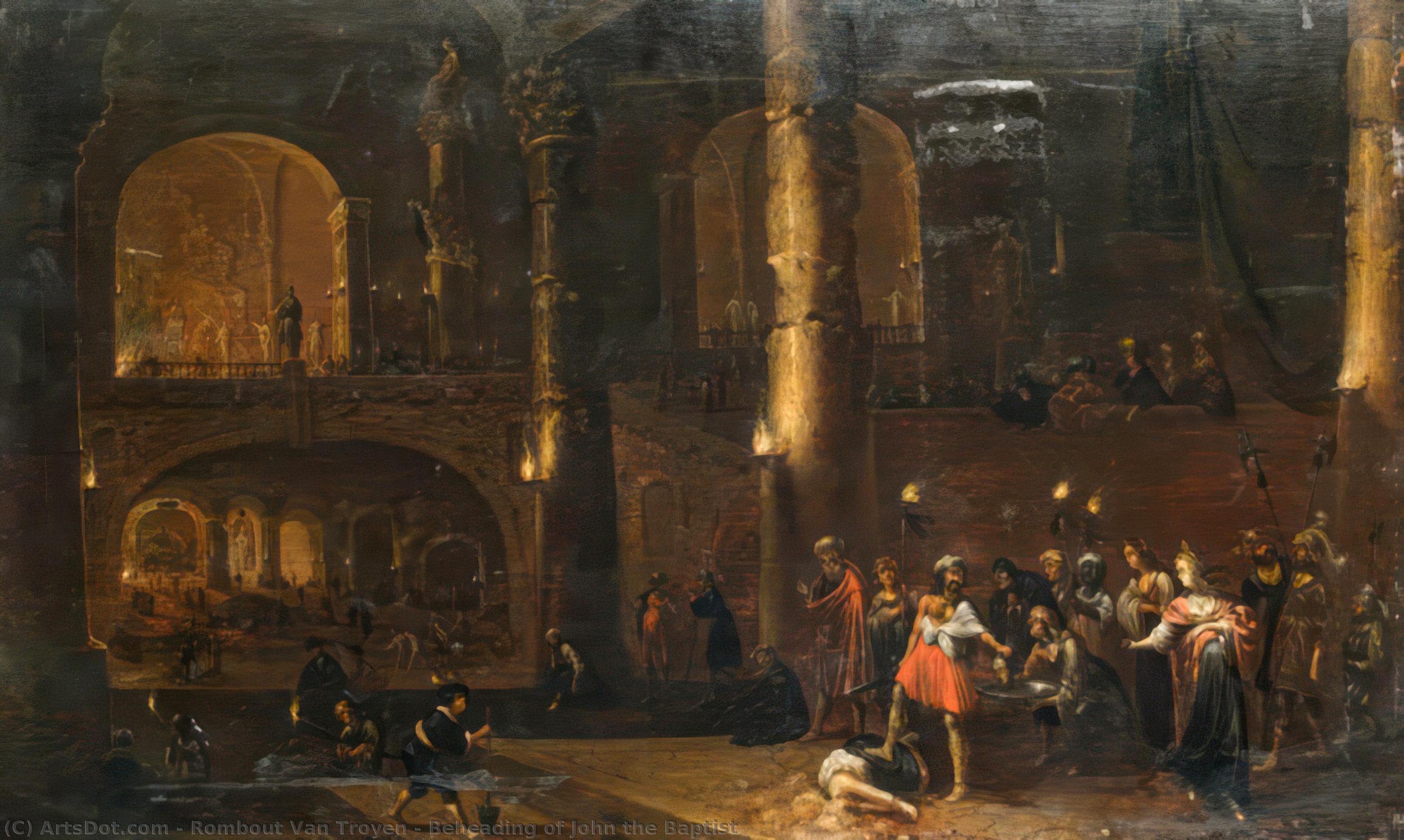
ベヘディング オブ イヤーヴーン
 キャンバスにアクリル絵具
- ウォールアート
- Baroque Classicising
 36.0 x 58.0 cm
 エルミタージュ美術館
 詳細を見る
詳細を見る
オンラインプレビューをはるかに凌ぐ、高解像度で鮮明なデジタル画像をご購入いただけます。
各ファイルは、社内の専門家が高度なツールと熟練した手作業によるレタッチを用いて、細心の注意を払って準備されています。すべての画像において、卓越した鮮明度、正確な色彩再現性、そして繊細なディテールを保証いたします。
最終ファイルは、プロフェッショナルな編集・印刷環境ですぐにご利用いただけるよう最適化された状態で、72時間以内にメールにてお届けいたします。これは、一流のデザインスタジオ、出版社、ギャラリーから信頼されているものと同等の品質です。
デジタル画像のご注文に付随する特典
高品質なデジタル画像配信を、確かな品質で。
ArtsDot.com を選ぶことは、単に画像を手に入れることではありません。それは、プロの手によって精密に仕上げられ、満足保証が付いた高品質なデジタルアートワークを受け取ることを意味します。ご注文いただいた際に自動的に付随する内容は、以下の通りです:

メールですぐにお届け
ご注文から72時間以内に、高解像度のデジタル画像ファイルがメールでお手元に届きます。すぐにそのままご利用いただけます。

AI技術で最適化されたデジタルファイル
お客様の作品は、高度なAIツールと専門家による手作業の編集を組み合わせてプロフェッショナルに最適化されており、細部のディテール、鮮明さ、そして正確な色再現性を最大限に引き出しています。

一生涯無料の再送サービス
ファイルを誤って削除したり、紛失してしまったりしましたか?ご安心ください。いつでも無料で再送いたします。

輸入手数料は一切かかりません
関税や手数料、配送料を気にすることなく、お気に入りのアートワークをすぐにお楽しみいただけます。デジタルダウンロードは常に免税です。

色彩再現の保証
プロ仕様のツールとカラーマネジメント技術を用いることで、デジタル画像が元の色を最大限に忠実に再現することを保証いたします。

60日間満足保証
ご購入いただいたデジタル画像にご満足いただけない場合は、60日以内であれば、修正または100%の返金(理由を問う必要はありません)をさせていただきます。

100% 返金保証
ご満足いただけない場合は、デジタルファイルを受け取ってから60日以内であれば、理由を問わず全額返金いたします。

まとめ買い割引
3枚購入で10%OFF - 5枚購入で15%OFF - 10枚以上購入で20%OFF。クリエイティブなプロジェクト、ギャラリー、エージェンシーに最適です。
作品の詳細
ロムボート・ヴァントロイエンの「イエス・キリストの処刑」について
ロムボート・ヴァントロイエンは、フランドルの画家であり、1605年にアムステルダムで生まれました。彼はイタリア風の風景画や宮殿などの建築物を描くことで知られています。しかし、イタリアには行ったことがありません。彼の作品は、ピナスの絵のように、夜明けのような効果を持つイタリア風のスタイルで特徴づけられます。この絵は1617年に制作され、ヴァントロイエンがヴェローナを後にローマに移住した直後です。彼は特に、ローマで活動するカバラゴ派の画家たちに影響を受けました。この絵は、ローマで活躍するカバラゴ派の画家のように、他のカバラゴ派の画家の影響を受けていません。代わりに彼は、イタリアのナポリにあるカラッチイの有名なピエタを参考にしました。この作品は、聖母マリアとイエス・キリストの慈愛を描いた絵画であり、その優美さと宗教的な意味合いは多くの人々を感動させます。- 画家: ロムボート・ヴァントロイエン
- 生誕年: 1605
- 死没年: 1655
- 生誕都市: アムステルダム
- 生誕国: オランダ
関連作品
作家の略歴
A Master of Ruin and Shadow: The Life and Art of Rombout van Troyen
Rombout van Troyen, a name perhaps less instantly recognizable than some of his Dutch Golden Age contemporaries, nevertheless occupies a fascinating niche within the pantheon of 17th-century painters. Born around 1605 in Amsterdam, Van Troyen dedicated his career to crafting evocative landscapes and architectural scenes—a curious pursuit for an artist who, as historical accounts suggest, never actually set foot in Italy, the very source of inspiration for his most celebrated works. His paintings are not depictions of observed reality but rather meticulously constructed fantasies, born from a deep study of other artists’ interpretations of the Italian countryside and a remarkable talent for atmospheric effect.Early Training and Artistic Development
Van Troyen's artistic journey began around 1615 with a seven-year apprenticeship under Jan Pynas, a respected painter in Amsterdam known for his landscapes and history paintings. This formative period proved crucial to Van Troyen’s development. Pynas introduced him to the traditions of Adam Elsheimer, a German artist whose small-scale, intensely detailed landscapes had a profound impact on Dutch painting. Elsheimer's influence is visible in Van Troyen’s early works—a penchant for dramatic lighting and a focus on classical ruins as symbols of time’s passage and human mortality. However, while Pynas provided the initial foundation, Van Troyen quickly began to forge his own distinctive style, moving beyond simple imitation towards a more complex and emotionally resonant vision. He absorbed influences from other sources too, developing a unique blend that would define his oeuvre.The Italianate Landscape: A World Imagined
Van Troyen specialized in what became known as the “Italianate landscape”—scenes depicting the rolling hills, crumbling palaces, and sun-drenched grottos of Italy. These paintings were immensely popular during the Dutch Golden Age, appealing to a growing merchant class eager to display their sophistication and worldliness. Yet, Van Troyen’s approach differed from many of his contemporaries. He wasn't interested in recreating specific Italian locations; instead, he constructed idealized visions—landscapes populated with classical architecture, often bathed in a melancholic light. His scenes are frequently characterized by a sense of drama and mystery, achieved through the skillful use of chiaroscuro – the dramatic contrast between light and shadow. The Burning of Troy, for example, exemplifies this approach, depicting a historical event within a shadowy, expansive setting that heightens tension and emotion. His compositions often feature numerous figures engaged in various activities, adding narrative depth to his landscapes.Technique and Style: A Masterful Hand
Van Troyen’s technical skill was undeniable. He worked primarily with oil on panel, employing a meticulous brushstroke and a keen eye for detail. His paintings are characterized by their rich color palettes, often dominated by warm earth tones and subtle gradations of light. He possessed an exceptional ability to create atmospheric perspective—the illusion of depth achieved through the blurring of distant objects—which contributed significantly to the sense of realism in his landscapes. Chiaroscuro was central to his style; he used it not merely as a technical device but as a means of conveying mood and emotion. The dramatic interplay of light and shadow often draws the viewer’s eye to specific focal points within the composition, while simultaneously creating a sense of mystery and intrigue. His works are also notable for their intricate architectural details—crumbling columns, arched doorways, and overgrown ruins—which add a layer of historical depth and symbolic resonance.Legacy and Historical Significance
Despite facing financial difficulties in his later years – records indicate he relocated to Friesland in the 1650s – Rombout van Troyen left behind a significant body of work that continues to captivate art enthusiasts today. While often overshadowed by more famous Dutch masters, his paintings offer a unique perspective on the Italianate landscape tradition and demonstrate a remarkable talent for atmospheric effect and narrative storytelling. His ability to create compelling scenes from imagination rather than direct observation sets him apart, revealing a sophisticated artistic sensibility and a deep understanding of classical symbolism. Recent scholarship has begun to shed new light on Van Troyen’s life and career, solidifying his place as an important figure within the Dutch Golden Age and a master of ruin and shadow.
rombout van troyen
1605 - 1655 , Netherlands
プロフィール概要
- Artistic Movement Or Style: Dutch Golden Age painting
- Artists Who Influenced This Artist:
- Annibale Carracci
- Jan Pynas
- Date Of Birth: c 1605
- Date Of Death: 1655
- Full Name: Rombout van Troyen
- Nationality: Dutch
- Notable Artworks: ['Beheading of John the Baptist']
- Place Of Birth: Amsterdam, Netherlands

